The fashion industry is changing. For many years, fast fashion dominated sourcing decisions because of its speed, low cost, and trend-driven production cycles. However, this model has brought problems: overproduction, environmental damage, and unstable supplier relationships. Today, more brands and buyers are turning to slow fashion principles, which focus on quality, sustainability, and long-term partnerships.
Slow fashion is influencing B2B sourcing because buyers want reliable supply chains, higher-quality products, and compliance with sustainability regulations. This shift is not only driven by consumer demand but also by business needs for stability and reputation.
As sourcing strategies evolve, suppliers that embrace slow fashion practices will become more attractive to global buyers.
Why Are Buyers Shifting To Slow Fashion Models?
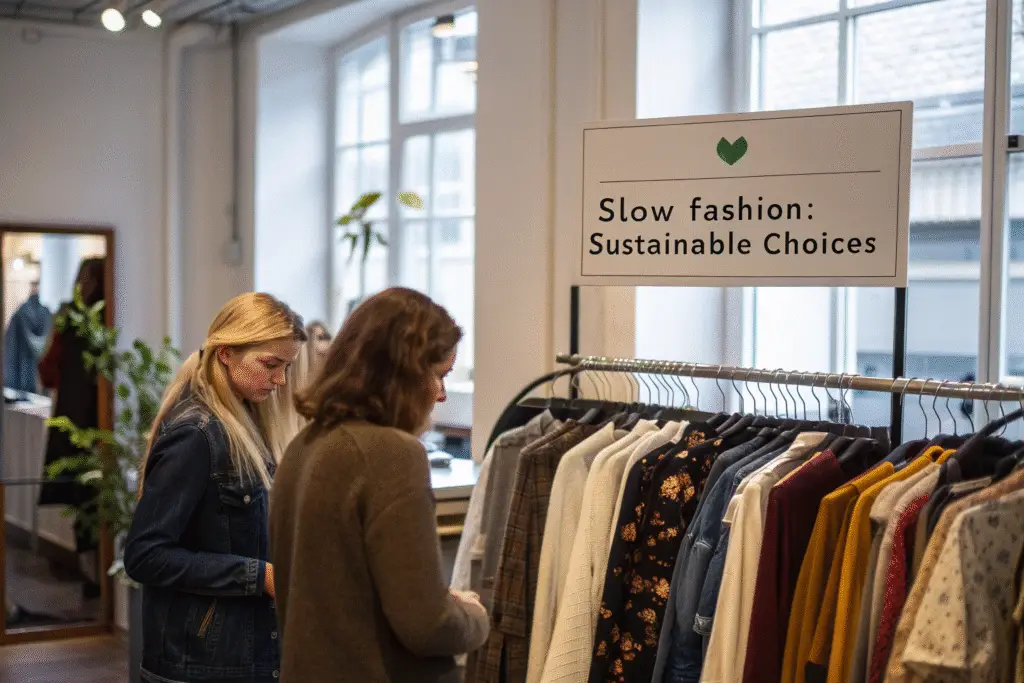
The main reason buyers shift to slow fashion is pressure from both consumers and regulators. In markets like the U.S. and Europe, shoppers are asking for sustainable products, while governments demand compliance with environmental and labor laws.
For B2B sourcing, slow fashion models reduce risks of excess inventory, regulatory penalties, and brand reputation damage.
What role does consumer demand play?
Consumers are asking brands to prove that their supply chains are sustainable. Reports from McKinsey & Company show that Gen Z and Millennials value sustainability as much as price. This forces brands to adapt their sourcing models and work with suppliers that follow slow fashion practices.
How do regulations affect sourcing decisions?
Governments are creating stricter rules on waste, carbon emissions, and labor rights. For example, the EU Strategy for Sustainable Textiles requires brands to ensure responsible sourcing. Buyers prefer suppliers that can show certifications and compliance, which is easier when production is based on slow fashion principles.
How Does Slow Fashion Support Supply Chain Stability?
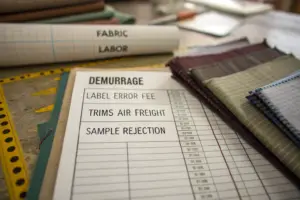
Fast fashion often creates unstable supply chains because of short-term contracts, price squeezing, and rushed orders. By contrast, slow fashion builds stability through planned production, reliable scheduling, and long-term supplier relationships.
Stable supply chains mean fewer delays, better forecasting, and stronger buyer-supplier trust.
Why do long-term supplier partnerships matter?
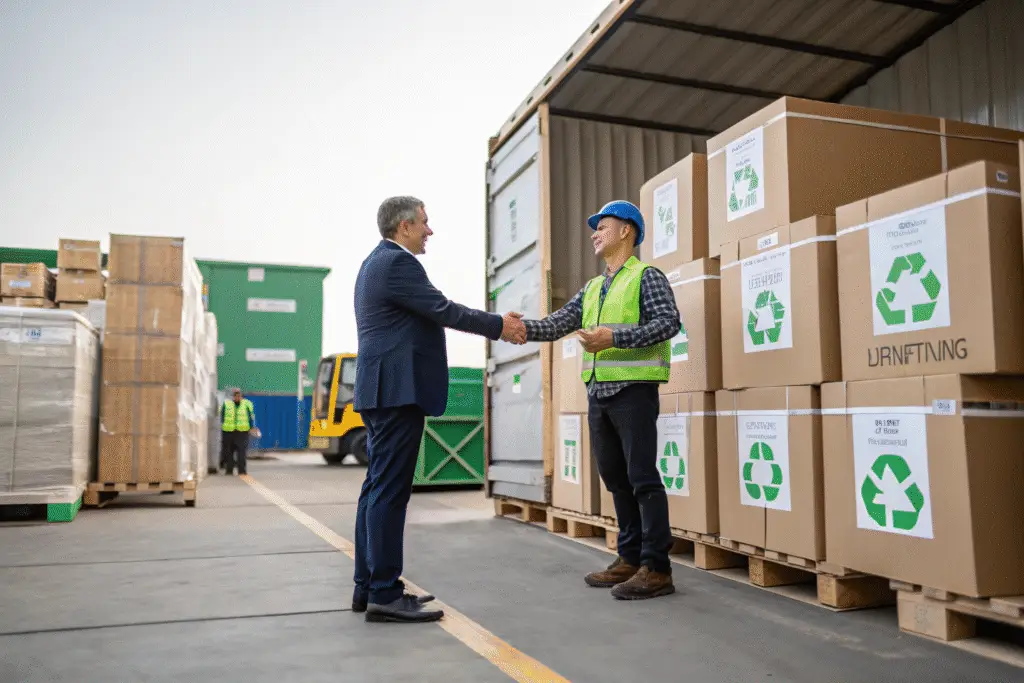
When buyers commit to long-term relationships, suppliers can invest in better materials, machinery, and staff training. Reports from Harvard Business Review show that long-term sourcing contracts reduce risks and improve overall supply chain resilience.
How does slow fashion reduce shipment delays?
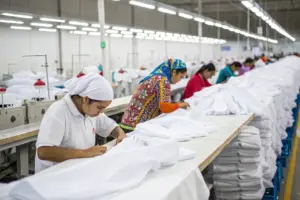
Planned production reduces last-minute changes. Suppliers following slow fashion principles focus on accuracy and scheduling rather than speed alone. For example, freight organizations like DHL Supply Chain are developing services that help sustainable suppliers deliver on time with lower carbon footprints.
Why Is Quality More Important Than Speed In B2B?
In B2B sourcing, buyers often prefer suppliers who can deliver consistent quality rather than just fast production. Poor quality creates higher return rates, damaged relationships, and financial losses.
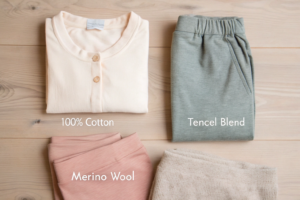
Slow fashion emphasizes durable fabrics, strong stitching, and timeless designs, which are attractive for wholesale buyers and brand owners.
How does quality impact profitability?
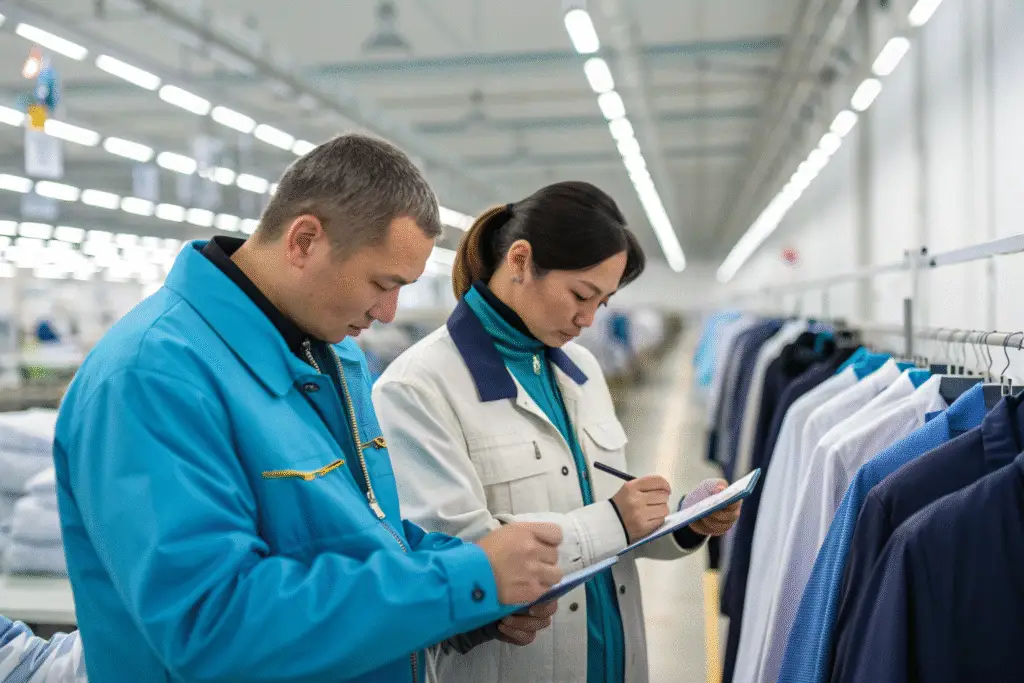
A high-quality product has a longer shelf life and fewer returns. Buyers who source from slow fashion factories gain better profit margins over time. According to Forbes, companies investing in quality outperform those chasing only speed.
Why do buyers prefer timeless styles?
Timeless styles reduce the risks of unsold inventory. For B2B buyers, classic apparel lines like T-shirts, polos, or jackets are easier to sell across multiple seasons. Organizations like Fashion Revolution highlight that timeless products also reduce waste.
How Can Suppliers Adapt To The Slow Fashion Trend?
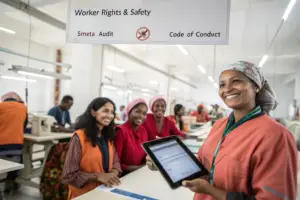
Suppliers must adapt if they want to stay competitive in B2B sourcing. This means investing in sustainable materials, improving worker conditions, and upgrading production systems.
Suppliers that adapt quickly to slow fashion trends will gain long-term contracts, higher buyer trust, and stronger branding opportunities.
What investments should suppliers prioritize?
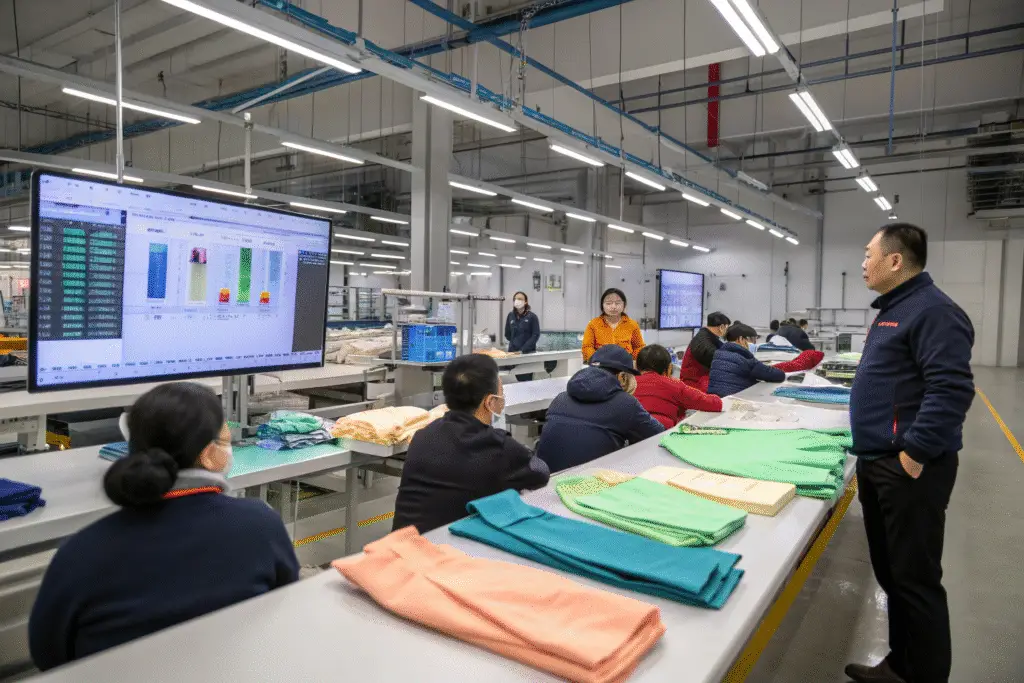
Factories can start by sourcing eco-friendly fabrics, upgrading machinery for efficiency, and training staff on compliance. Platforms like Textile Exchange provide guidelines on sustainable material sourcing.
How can suppliers show credibility to buyers?
Certifications like OEKO-TEX or Fair Trade Certified build credibility. By presenting proof of compliance, suppliers stand out during sourcing negotiations. Transparent communication and clear logistics planning also help win trust.
Conclusion
Slow fashion is reshaping B2B sourcing by prioritizing sustainability, stability, and quality over speed. Buyers are no longer looking only for the cheapest and fastest option; they want reliable suppliers who can meet sustainability standards, deliver consistent quality, and support long-term partnerships.
If you are a U.S. or European apparel buyer looking for a supplier that understands slow fashion principles, Shanghai Fumao Clothing is ready to support you. Contact our Business Director Elaine at elaine@fumaoclothing.com to explore how we can manufacture your apparel orders with quality, compliance, and reliability.