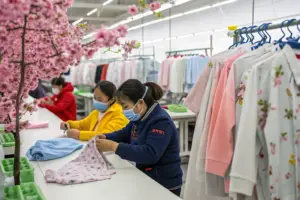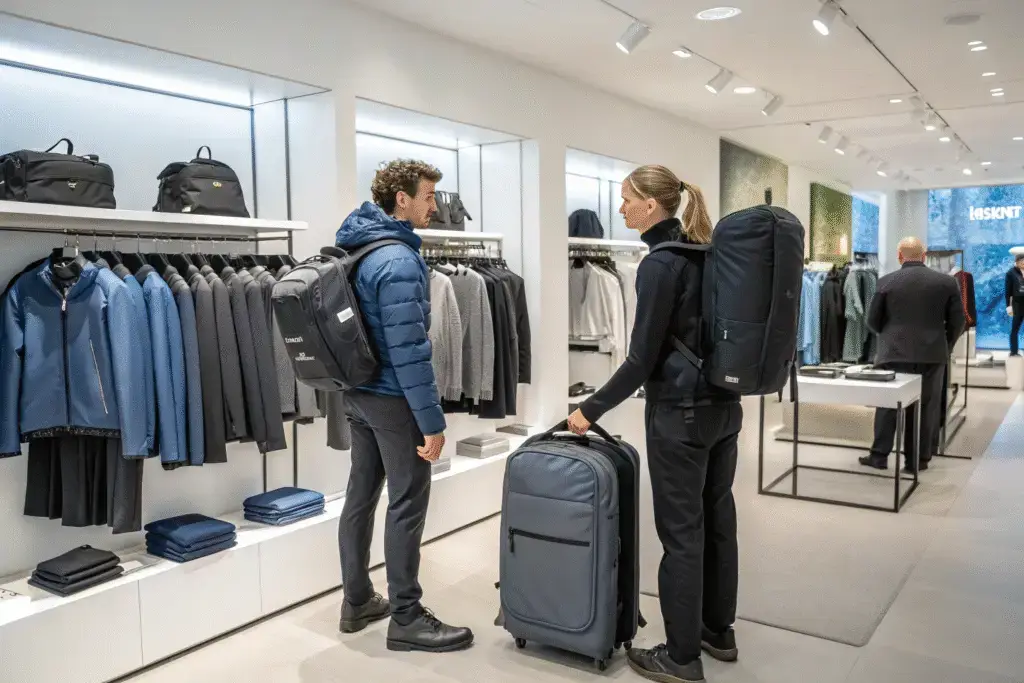
Modern travelers face recurring challenges: limited baggage capacity, sudden climate shifts, and the demand for multi-functional clothing. Conventional textiles often struggle to provide both comfort and resilience during long journeys. Against this backdrop, shape-memory fabrics have emerged. They merge scientific innovation with practical wearability, gradually reshaping expectations in travel gear.
This new class of fabric resists wrinkles, adapts to body movement, and maintains durability, redefining the idea of smart and efficient packing. It offers more than weight reduction; it delivers greater travel efficiency.
I view this material not as a short-term fad, but as a structural improvement in apparel technology. For clients in the U.S. and Europe, it addresses critical concerns: weak shape recovery, heavy garments, and discomfort over extended use.
Benefits of Shape-Memory Fabrics for Travelers
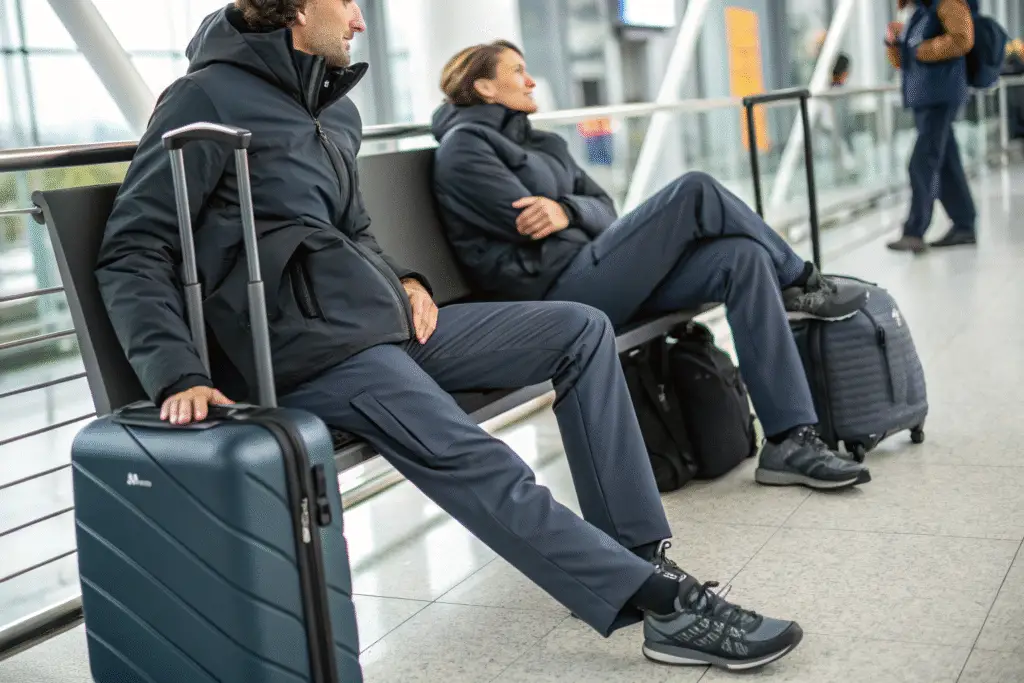
The appeal of shape-memory textiles lies in their ability to solve a persistent problem: clothing losing form after prolonged wear. When sitting through long flights, ordinary fabrics crease and sag, while shape-memory fibers recover quickly once pressure subsides. This not only preserves a neat appearance but also extends product longevity.
Travelers embrace these fabrics because they resist wrinkles, minimize the need for ironing, and adapt naturally to motion. For people who value efficiency and appearance, these qualities are essential.
How Does Shape-Memory Fabric Resist Wrinkles?
Shape-memory polymers are engineered at the molecular scale to “remember” their original configuration. When folded or stretched, the fibers return to their programmed state after external forces are removed. Research in polymer science confirms their remarkable resilience.
Another advantage is that garments can remain folded in luggage without permanent marks. According to ScienceDirect, thermal responsiveness allows wrinkles to ease naturally with body heat.
Why Is Durability a Key Factor for Travel Gear?
Frequent travel places heavy demands on fabric strength. Traditional cotton or polyester blends often wear out under repeated strain. Shape-memory textiles, however, display higher tensile strength, meaning jackets, trousers, and bags last through many more trips. A report in Textile World notes that these materials resist mechanical fatigue better than conventional fabrics.
This level of durability justifies higher upfront costs, offering long-term value. For business travelers, the balance between practicality and professional appearance is especially appealing.
Shape-Memory Fabric in Jackets and Outerwear
Outerwear is one of the most promising applications for shape-memory textiles. Jackets made from these fabrics hold structure in any environment, resist wind, and retain form after packing. This ensures travelers appear polished even after long flights.
Shape-memory jackets are quickly becoming essential because they combine performance with style. They adapt to temperature shifts and body movement, making them versatile for diverse climates.

What Makes Shape-Memory Jackets Weather-Resistant?
Many jackets incorporate water-repellent coatings alongside shape-memory fibers. They resist rain while keeping structural integrity. Reviews in Outdoor Gear Lab highlight how these jackets balance thermal regulation better than polyester alternatives.
Additionally, the fabric withstands wind pressure without losing shape, making it ideal for both urban and outdoor travelers.
Are These Jackets Suitable for Business Travel?
Absolutely. Professionals require clothing that transitions from airplane cabins to boardrooms. Shape-memory jackets fold compactly yet appear formal upon unpacking. Reports from Apparel Resources show rising interest in these garments for corporate wear.
As work and travel lifestyles overlap, demand for clothing that maintains a professional image while supporting mobility continues to grow. Shape-memory outerwear fills this exact need.
The Role of Shape-Memory Fabric in Luggage and Accessories
The influence of shape-memory fabrics extends beyond clothing. In luggage and accessories, they help bags retain structure, prevent sagging, and resist wear. For travelers, this means investing in gear that endures repeated use.
These products combine lightness, durability, and refined aesthetics, reducing waste from frequent replacements. For quality-focused buyers, they are a sound investment.
How Do Shape-Memory Backpacks Maintain Their Shape?
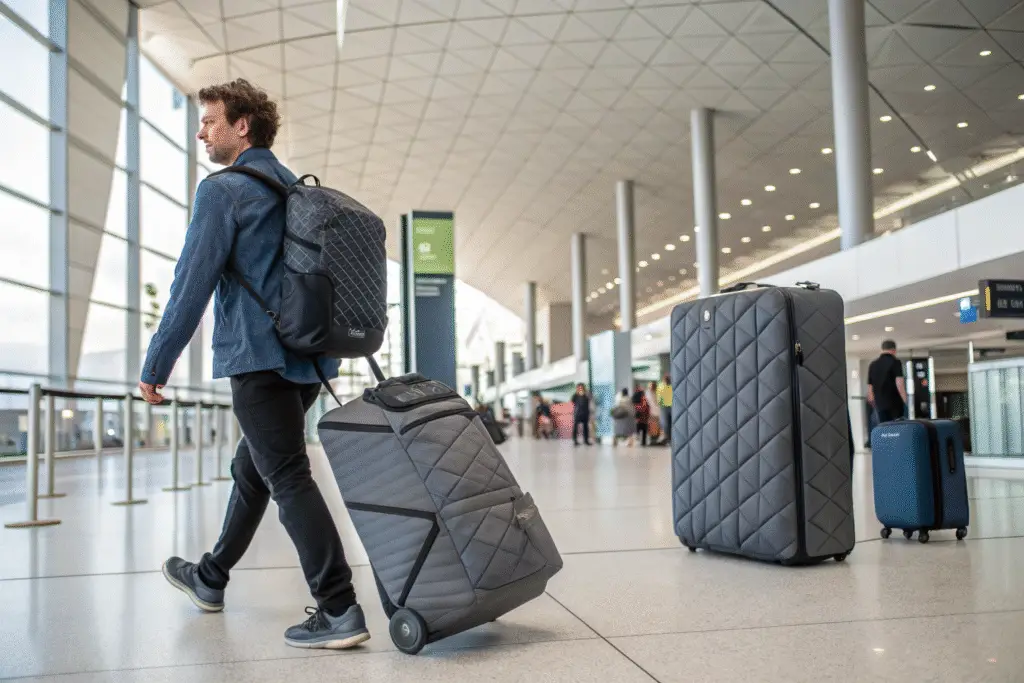
Backpacks often collapse when not fully packed. With shape-memory materials, the body remains upright. A feature article in Travel + Leisure points out how textile-based packs enhance efficiency and appearance.
This not only improves visual appeal but also lessens stress on seams and zippers, since the material distributes pressure evenly.
Why Are Brands Moving Toward Premium Fabrics in Luggage?
Brands worldwide are turning to higher-end fabrics to satisfy consumer demand. According to Forbes, buyers are willing to pay more for goods combining technology and design. Shape-memory textiles match this trend, making them attractive for private-label luggage lines.
For wholesalers, this creates a profitable niche, especially in the premium U.S. and European markets.
Market Trends and Future of Shape-Memory Travel Gear
The presence of shape-memory fabric in travel gear is growing at a rapid pace. From business attire to outdoor equipment, brands are exploring new uses that enhance performance. The rise of direct-to-consumer models has accelerated this development.
Shape-memory gear represents the future of sustainable, functional, and stylish travel products. It combines science and design to meet global travelers’ evolving expectations.
Is Shape-Memory Fabric Eco-Friendly?
Compared to conventional textiles, it is more sustainable. By extending the lifespan of garments and gear, it reduces waste. Research by the Sustainable Apparel Coalition emphasizes that durability is a key factor in lowering fashion’s environmental footprint.
This makes shape-memory travel gear appealing to eco-conscious consumers who value long-term utility without compromising style.
What Can We Expect in the Next 5 Years?
In coming years, collaborations between textile innovators and major travel brands are likely to expand. Business of Fashion reports increasing investment in smart textiles. For suppliers like myself, this represents the perfect moment to position shape-memory fabrics as premium offerings.
Advancements may even integrate sensors into fabrics, adding new performance layers to travel gear. This evolution will secure shape-memory materials as a cornerstone of modern apparel.
Conclusion
Shape-memory fabric is far more than a novel textile. It is a practical solution redefining travel gear. From wrinkle-free jackets to resilient luggage, it responds directly to traveler needs: comfort, strength, and style. For distributors in the U.S. and Europe, it creates a competitive edge.
If you want to explore shape-memory fabric for your travel collection, we at Shanghai Fumao Clothing are here to support you. Please contact our Business Director Elaine at elaine@fumaoclothing.com to begin your sourcing journey with confidence.