In recent years, the apparel and consumer goods industries have shifted toward rental-first design. This model creates products intended to be rented, reused, and circulated multiple times instead of being sold outright for single use. The approach is not just a retail trend; it fundamentally transforms how manufacturers design, produce, and manage supply chains.
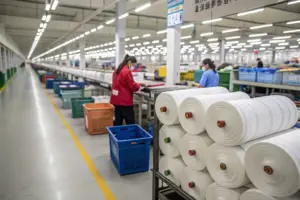
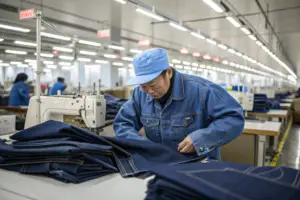
Rental-first design impacts manufacturing because it requires stronger fabrics, modular construction, efficient logistics, and digital tracking systems. These demands force factories to rethink traditional production models and prioritize longevity over speed.
As a manufacturer working with U.S. and European brands, I have witnessed firsthand how rental-first strategies reshape product development. This trend is not a minor adjustment—it is a structural shift that affects every stage of apparel production.
What Does Rental-First Design Mean For Manufacturers?
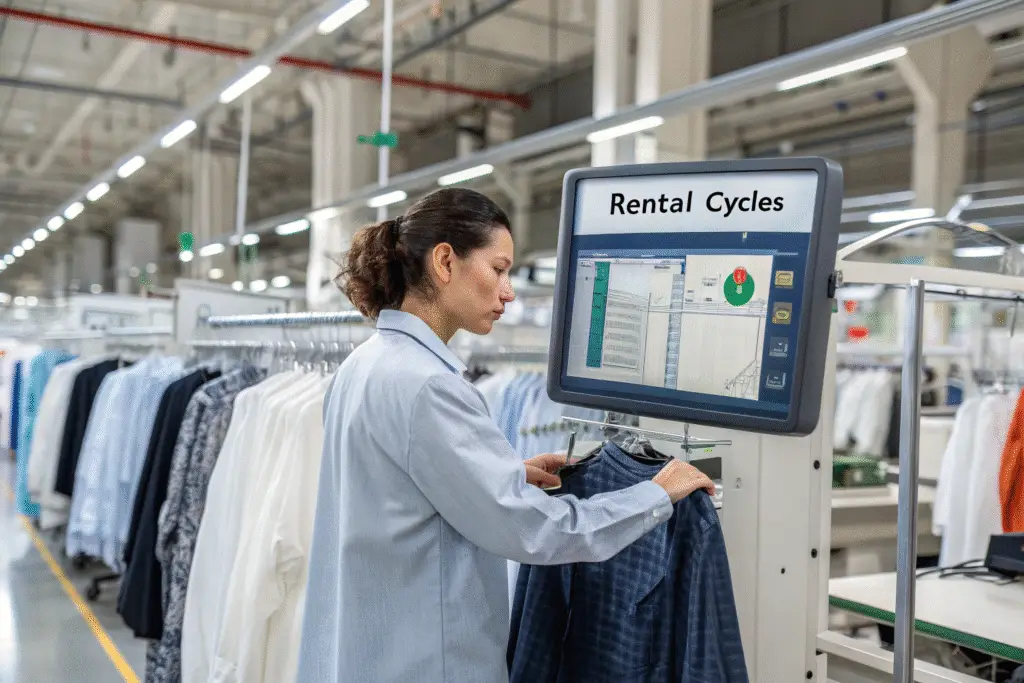
Rental-first design prioritizes longevity and reusability. Instead of creating garments meant for a single purchase, factories must design clothing that withstands dozens of rental cycles.
For manufacturers, this means adapting design practices to focus on durability, maintenance, and scalability.
How does it differ from traditional design?
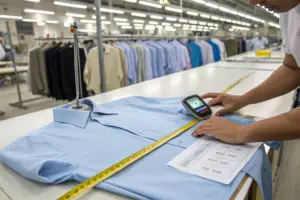
Traditional apparel design emphasizes quick sales and seasonal turnover. In contrast, rental-first design requires stronger stitching, high-quality zippers, and fabrics that resist repeated wear. According to McKinsey’s report on circular fashion, rental clothing must be two to three times more durable than standard garments. The Ellen MacArthur Foundation also notes that designing for reuse extends product life and significantly reduces waste.
Why does this matter for the supply chain?
Because rental garments are reused frequently, supply chains must adapt. Factories need to source fabrics that can endure repeated washing and dry-cleaning cycles. Fashion United points out that brands increasingly request certifications for wash durability. Furthermore, Forbes highlights that rental-first models require new logistics processes to handle returns and garment tracking efficiently.
Which Fabrics Work Best For Rental-First Clothing?
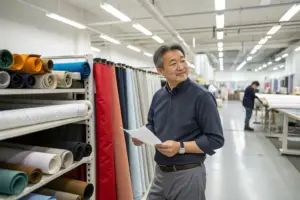
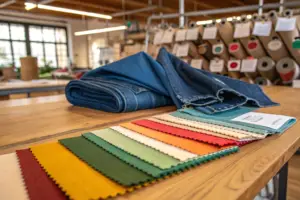
Fabric choice is critical for rental-first clothing. Since these garments undergo multiple wears and washes, the materials must be durable, comfortable, and resistant to damage.
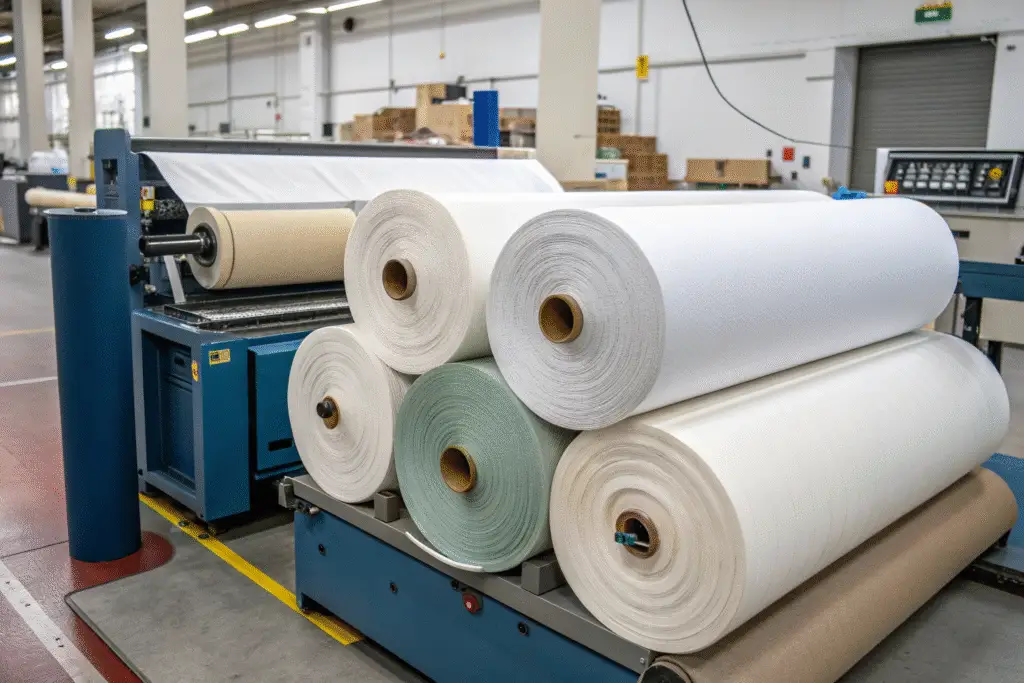
The best fabrics for rental-first apparel include recycled polyester, organic cotton blends, and high-performance synthetics.
Why use recycled polyester?
Recycled polyester is durable, wrinkle-resistant, and eco-friendly. Because it retains shape and strength after many washes, it is widely used in rental-first products. Textile Exchange emphasizes its importance in sustainable apparel, while ScienceDirect highlights its resistance to stretching and shrinking.
How do natural blends support comfort?
While durability is vital, comfort cannot be overlooked. Organic cotton blended with spandex or polyester provides breathability along with resilience. According to OEKO-TEX, certified blends ensure garments remain safe and comfortable through multiple rentals. Similarly, CottonWorks explains that blended fabrics strike the right balance between softness and long-term performance.
How Does Rental-First Design Support Sustainability?
Sustainability is one of the driving forces behind rental-first design. By extending product life cycles, the rental model reduces waste and slows the overproduction typical of fast fashion.
Rental-first design supports sustainability by cutting overproduction, reducing waste, and encouraging recycling once garments reach end of life.
How does it reduce overproduction?
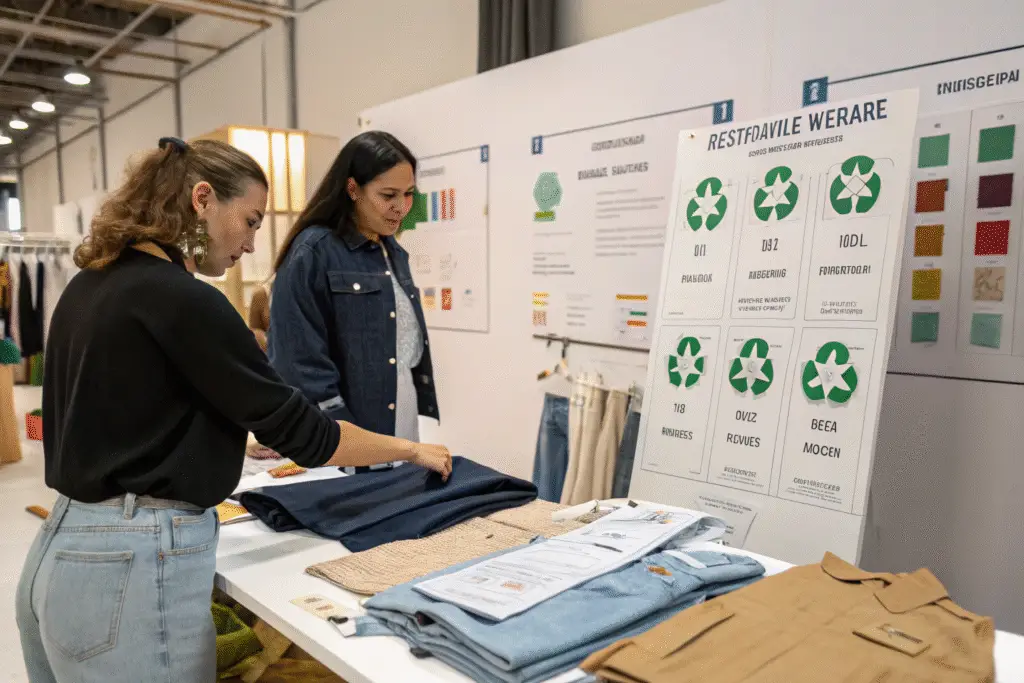
Fast fashion often results in massive unsold inventories. In contrast, rental-first models produce fewer garments, but each piece is designed for many uses. The World Economic Forum estimates that rental services can reduce overproduction by up to 30%. Likewise, Business of Fashion reports that circular business models are becoming essential for competitiveness.
What happens after garments reach end of life?
Even the most durable rental garments eventually wear out. At that stage, many are recycled into new fabrics. H&M’s garment recycling program provides one example of how brands extend the lifecycle of textiles. The Circular Fashion Report stresses that designing for recyclability is now an integral part of rental-first strategy.
What Technologies Enable Rental-First Manufacturing?
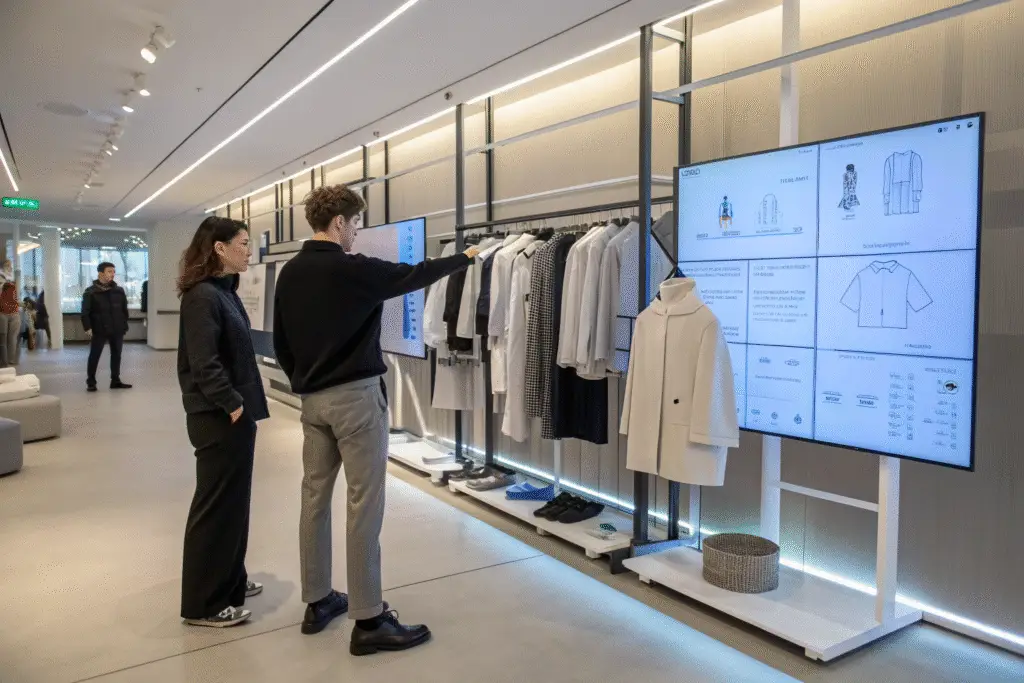
Without technology, rental-first design would not be scalable. Digital systems ensure garments are tracked, maintained, and circulated effectively.
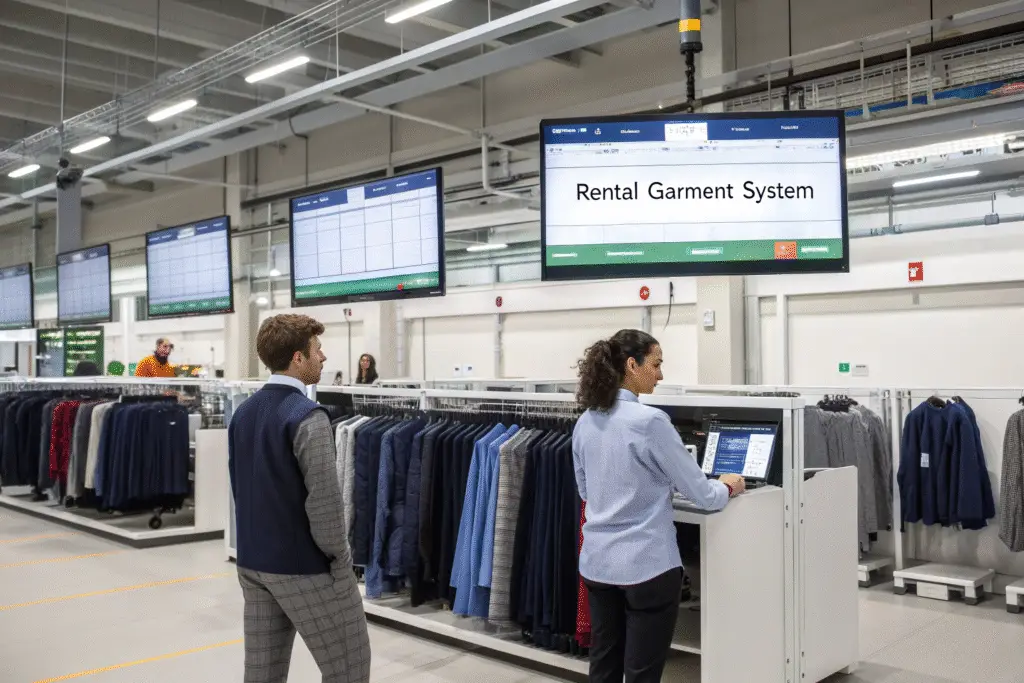
Technologies like RFID, IoT tracking, and AI-driven logistics are essential enablers of rental-first manufacturing.
Why is RFID tracking important?
RFID tags allow factories and rental companies to track garments throughout their life cycles. This ensures accountability, reduces theft, and helps predict when maintenance is needed. GS1 explains RFID’s critical role in apparel tracking, while Avery Dennison provides RFID solutions specifically tailored for the apparel rental sector.
How does AI improve rental logistics?
AI helps optimize logistics by predicting garment wear patterns, scheduling maintenance, and managing inventory flow. IBM AI in fashion demonstrates how predictive algorithms can anticipate fabric degradation. At the same time, MIT Sloan highlights how AI-powered supply chains reduce costs and improve efficiency in rental models.
Conclusion
Rental-first design is reshaping how manufacturers produce apparel. Instead of prioritizing speed and low costs, factories must now focus on durability, sustainability, and digital integration. Fabrics are chosen for long-term resilience, supply chains are redesigned to handle returns, and technologies ensure garments circulate smoothly.
For apparel brands considering rental-first models, Shanghai Fumao can help design and manufacture garments that meet these new requirements. Contact our Business Director Elaine at elaine@fumaoclothing.com to explore how we can support your rental-first collections.