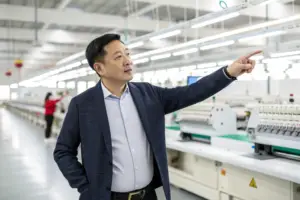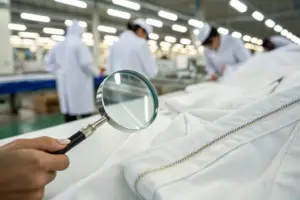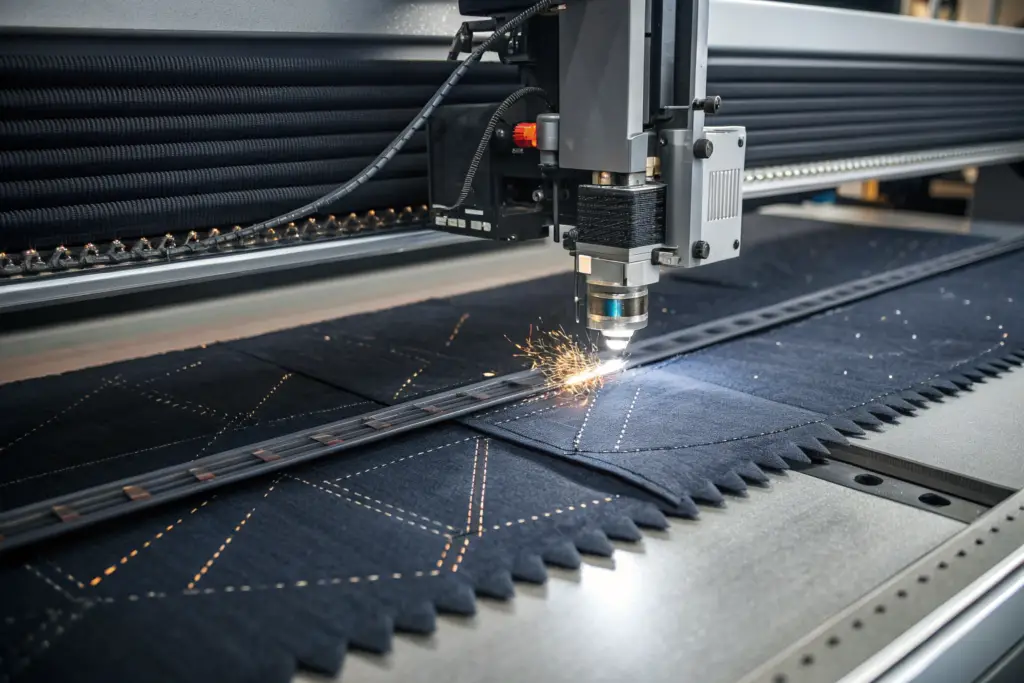
I learned this lesson the hard way, twenty years ago. We had an order for 1,000 high-end men's dress shirts for a client in Boston. The fabric was an expensive Italian cotton. The sewing was done by our best operators. But when the shirts were finished, they didn't fit right. The left and right sides of the collars were slightly different. The armholes were uneven. We couldn't figure out why. After days of checking, we found the problem in the cutting room. The blade on our old cutting machine had dulled slightly during the cut. It had pulled and distorted the fabric, especially on the bottom layers of the stack. Every shirt cut after that point was slightly off. We had to scrap the whole order. It cost us a fortune and nearly lost us the client.
Precision cutting is the foundation upon which everything else in garment making is built. If the cut pieces are wrong, the garment can never be right. No amount of skilled sewing can fix a collar piece that is the wrong shape. No amount of pressing can correct a side seam that is cut on a bias. Precision cutting ensures that every single piece of fabric, from the top of the stack to the bottom, is identical to the pattern. It guarantees that when a sewer joins a front piece to a back piece, they match perfectly. This is what creates the clean lines, perfect symmetry, and consistent fit that defines a premium garment.
My name is [Your Name], and I own Shanghai Fumao. After that disaster with the dress shirts, I made cutting our obsession. We invested in new technology. We created new processes. We trained our team to treat the cutting room as the most important room in the factory. Because it is. Let me explain exactly why precision cutting matters so much and how we achieve it.
How Does Cutting Accuracy Determine Final Fit And Symmetry?
Fit is everything in clothing. A customer buys a garment because they love how it looks on the hanger. They return it because it doesn't fit right. And fit starts with the cut. If the two front panels of a jacket are cut to slightly different shapes, the jacket will never hang straight. If the armhole curve is off by even 2 millimeters, the sleeve will not set in smoothly. It will pucker or pull.
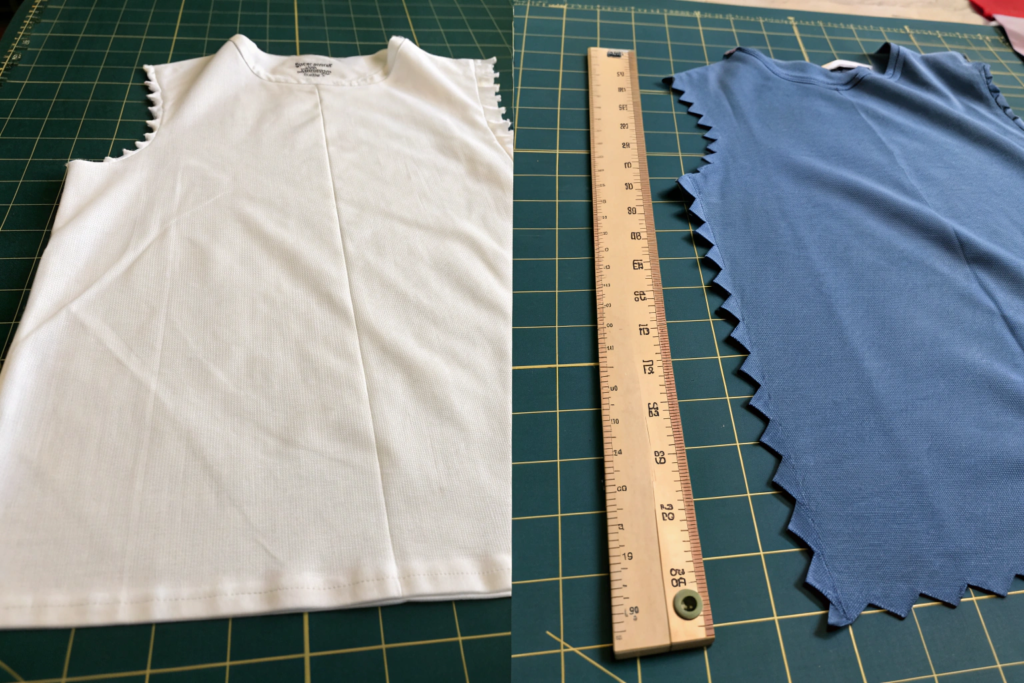
What happens when pattern pieces are not identical?
This is called "piece-to-piece variation." In a low-precision cut, the pieces from the top of the stack might be fine, but the pieces at the bottom, compressed by the weight of the layers above, can be distorted. The blade might deflect slightly. The heat from friction can melt synthetic fibers slightly, fusing the edges. When a sewer gets these mismatched pieces, they have to force them together. They might stretch one piece to match the other. This creates internal tension in the garment. After one wash, that tension releases, and the seams pucker or the garment twists. For a premium brand, this is unacceptable. This is why we use computerized cutting systems that maintain perfect vertical blade angle, ensuring every layer is cut identically. Companies like Gerber Technology and Lectra manufacture these high-precision machines. At Shanghai Fumao, we invested in this technology specifically to eliminate piece-to-piece variation.
How does cutting affect the "balance" of a garment?
Garment balance is about how the fabric hangs on the body. It is determined by the grainline. Every pattern piece has a marked grainline, which must be aligned with the lengthwise threads of the fabric (the warp). If the piece is cut off-grain, even by a few degrees, the garment will hang crookedly. The side seams will swing forward or backward. The hem will not be level. Precision cutting ensures that every piece is aligned perfectly with the grainline. Our cutters use lasers and specialized tables to ensure this alignment. For a client in Seattle who makes high-end linen shirts, this grainline accuracy is critical. Linen is especially prone to twisting if cut off-grain. Our precision cutting guarantees their shirts stay straight and beautiful, wash after wash. You can learn more about grainlines and fabric structure from resources like the Textile School.
How Does Cutting Precision Impact The Sewing Process?
A sewing operator's job is made much easier or much harder by the cutting room. If the pieces are cut perfectly, they fit together like a puzzle. The sewer can focus on making beautiful, even stitches. If the pieces are poorly cut, the sewer has to fight the fabric. They have to stretch, pull, or ease the pieces together. This slows them down and increases the chance of mistakes.
What are "notches" and why do they matter?
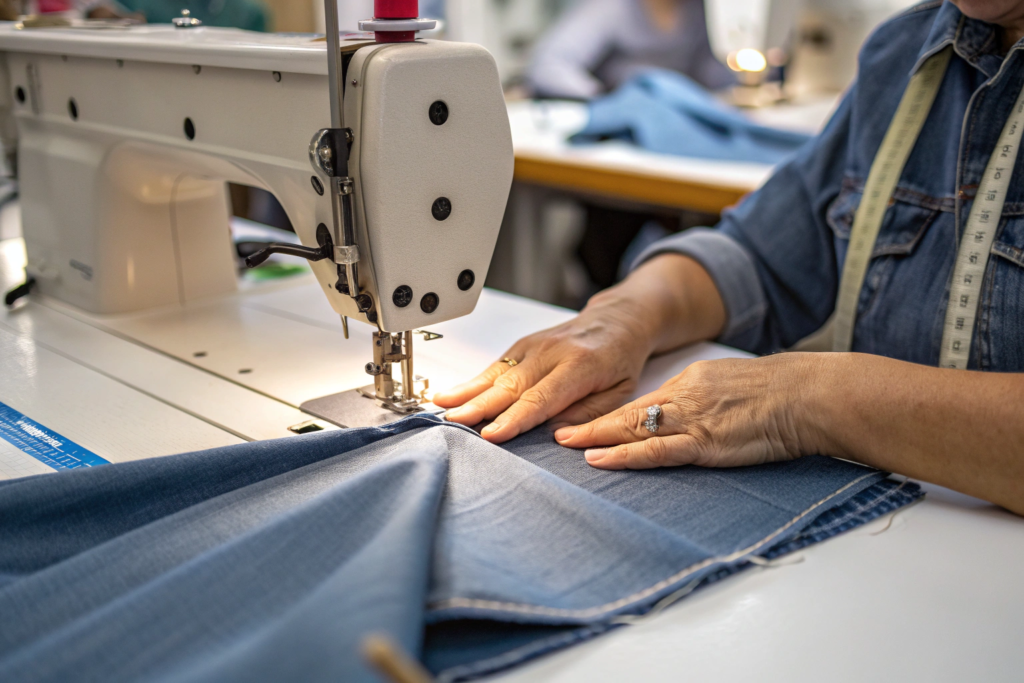
Notches are small marks cut into the seam allowance. They are guides for the sewer. They tell them where to match a sleeve to an armhole, or where to start a pleat. In precision cutting, notches are cut accurately and consistently. In poor cutting, notches might be too deep, too shallow, or in the wrong place. A misplaced notch can cause the whole garment to be assembled incorrectly. We use a combination of small, precise notches and, for complex garments, we use drill holes for absolute accuracy. These tiny marks are critical for aligning details like pockets and darts. For a complex women's wear order from a New York designer last year, our precision notches ensured that the intricate pleating on the skirt was perfectly aligned on every single garment. This level of detail is what premium brands demand. Understanding the role of these markers is part of proper garment construction knowledge.
How does clean cutting prevent sewing machine problems?
A clean, precise cut edge is easier to sew. If the cutting blade is dull, it can cause "fusing" on synthetic fabrics. The heat melts the edge slightly, creating a hard, rough edge. The sewing machine needle struggles to penetrate this fused edge. It might skip stitches or break. For natural fibers like cotton, a dull blade can cause fraying at the cut edge before the garment is even sewn. This frayed edge can get caught in the feed dogs of the sewing machine, causing jams and uneven feeding. Precision cutting, using sharp blades and the correct cutting speed, creates a clean edge that sews smoothly. This reduces machine downtime and increases the quality of the final seam. This is a key principle of manufacturing efficiency, which you can explore through resources like the Association for Manufacturing Excellence.
How Does Advanced Cutting Technology Reduce Fabric Waste For Premium Goods?
Premium fabrics are expensive. A factory that wastes this fabric is either charging you more or losing money. Precision cutting technology is not just about accuracy; it is also about economy. The same systems that ensure perfect cuts also ensure that we use every inch of fabric efficiently. This is especially important for luxury brands where fabric costs can be 60-70% of the total garment cost.
How does automated nesting save expensive fabric?
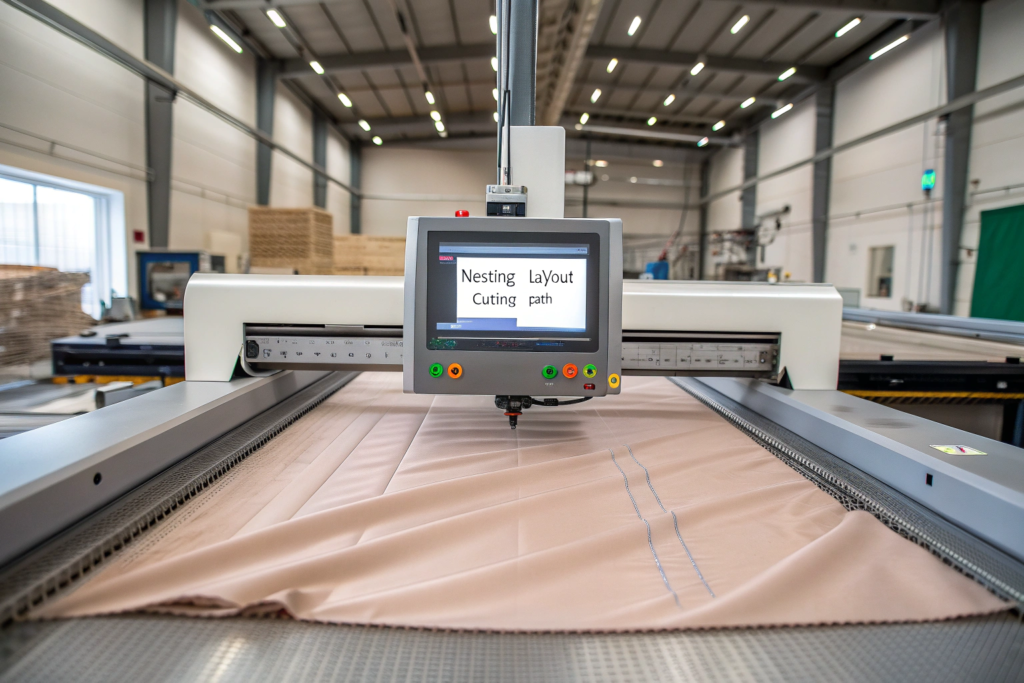
We already discussed nesting for waste reduction. But for premium goods, nesting is even more critical. The software is so precise that it can arrange pattern pieces to minimize gaps, even on complex shapes. It can also handle directional fabrics, like velvet or prints with a nap, which must all be cut in the same direction. This is a complex puzzle. The software solves it perfectly. For a recent order of velvet blazers for a client in Chicago, the fabric cost was $40 per yard. Our automated nesting achieved 91% marker efficiency. A manual layout might have achieved only 85%. That 6% saving on a 2,000-yard order saved the client nearly $5,000. This is how we help premium brands protect their margins. You can see the capabilities of this software from leaders like Optitex.
What is "single-ply" cutting and when do we use it?
For the most expensive fabrics, like rare silks or exclusive designer prints, we sometimes use single-ply cutting. This means we cut only one layer of fabric at a time. It is slower, but it is the most accurate method possible. It eliminates any risk of distortion from the weight of multiple layers. It also allows us to cut each piece perfectly, which is essential for fabrics with large, specific pattern matches. For a haute couture client in Paris, every piece of fabric is cut single-ply. The patterns on the seams match perfectly because each piece is aligned individually. This is the ultimate level of precision cutting. It is a service we are proud to offer at Shanghai Fumao for our most demanding clients. This technique is the gold standard in high-end manufacturing.
How Does Precision Cutting Support Complex Design Features?
Premium clothing is often defined by its details. A perfect plaid match at the seams. A sharp, clean corner on a pocket flap. Intricate cutwork or laser-cut details. These features are impossible without precision cutting. They are the signature of a high-quality garment and they depend entirely on the accuracy of the initial cut.
How do we match patterns like plaids and stripes during cutting?
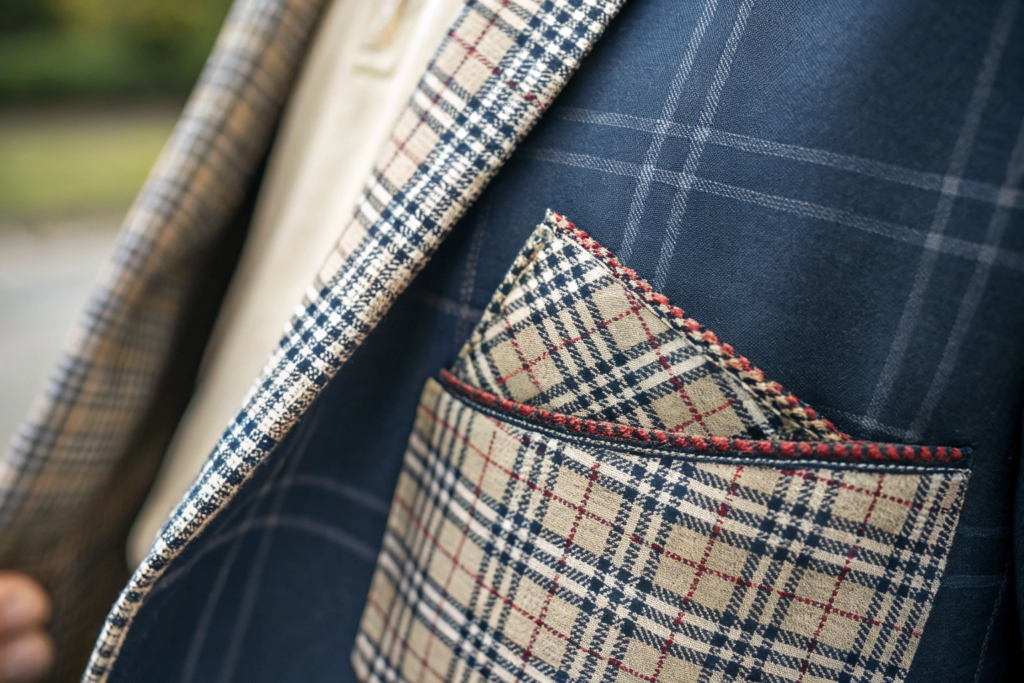
Pattern matching is one of the hardest skills in garment making. For a plaid shirt, the lines must match perfectly at the center front, at the side seams, and on the sleeves. This requires a cutting process called "stripe matching" or "plaid matching." The cutter must lay the fabric out in a specific way, often face to face, and align the pattern visually before cutting. We use specialized cutting tables with transparent surfaces and backlighting to help with this. The operator can see the plaid lines through the fabric and ensure the pattern pieces are placed correctly. For a client in Texas who makes high-end Western shirts, this plaid matching is their signature. Our precision in this area keeps them coming back year after year. This skill is detailed in resources like the Pattern Making Library.
Can precision cutting create intricate design details?
Yes. Modern cutting machines are not just for cutting out pattern pieces. They can also cut intricate details directly into the fabric. This is called "cutwork." We can create decorative cut-outs, precise perforations, or complex appliqué shapes, all controlled by the computer. This is a huge advantage for designers who want unique, premium details. A few years ago, a contemporary brand from Los Angeles wanted a collection of tops with laser-cut geometric patterns on the back. Our precision cutting machine handled it perfectly, creating consistent, intricate designs on hundreds of pieces. This would have been impossible to do by hand with the same level of accuracy. This capability opens up new possibilities for garment design and innovation. You can explore more about digital cutting for design on the websites of companies like Zünd.
Conclusion
Precision cutting is not just a step in the process. It is the foundation. It determines the fit, the symmetry, and the overall quality of the final garment. It makes the sewing process smoother and more accurate. It saves expensive fabric through efficient nesting. And it enables the complex design features that define premium clothing. A factory that masters cutting is a factory that can produce truly exceptional products.
At Shanghai Fumao, we have made this mastery our mission. We learned from our early mistakes and invested heavily in the best technology and training. Our cutting room is equipped with computerized systems that ensure perfect accuracy, layer after layer. Our team is skilled in the most complex techniques, from single-ply cutting for rare silks to perfect plaid matching for luxury shirts. We helped a premium activewear brand from Colorado achieve perfect symmetry in their technical leggings, eliminating the twisting issues they had with previous suppliers. We guided a luxury designer from New York through the cutting of a complex, geometric print, ensuring every seam matched beautifully.
If you are looking for a partner who understands that greatness starts with the cut, let's talk. Let us show you how our precision cutting can elevate your products to a true premium level. Please contact our Business Director, Elaine, at elaine@fumaoclothing.com to begin the conversation.