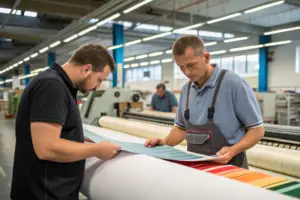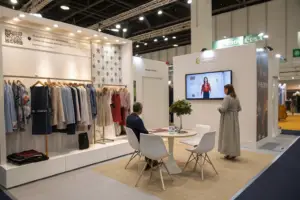
Fashion has always been about speed and trends, but in today’s market, speed alone is not enough. Brands must also reduce waste, cut inventory costs, and respond to consumer preferences in real time. On-demand manufacturing is changing how fashion is made, sold, and delivered, offering unprecedented flexibility and efficiency.
As a manufacturer working with top U.S. brands, I’ve seen how on-demand production transforms the supply chain. It shortens lead times, lowers risks, and helps brands avoid overproduction. This is not just a trend—it’s a fundamental shift in the way apparel businesses operate.
Buyers who understand on-demand manufacturing gain a competitive edge. They can test designs faster, avoid tying up cash in slow-moving inventory, and align production with real-time sales data.
How Does On-Demand Apparel Production Work?
On-demand apparel production is a process where garments are made only after a customer order is placed. This is different from the traditional bulk production model, where thousands of units are produced and stored before any sale.
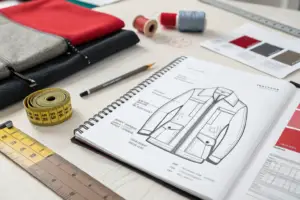
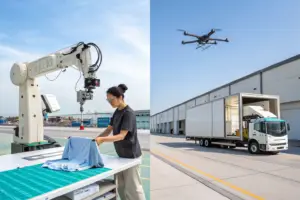
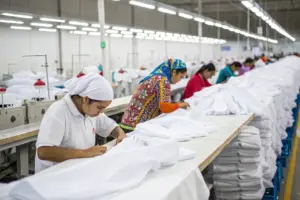
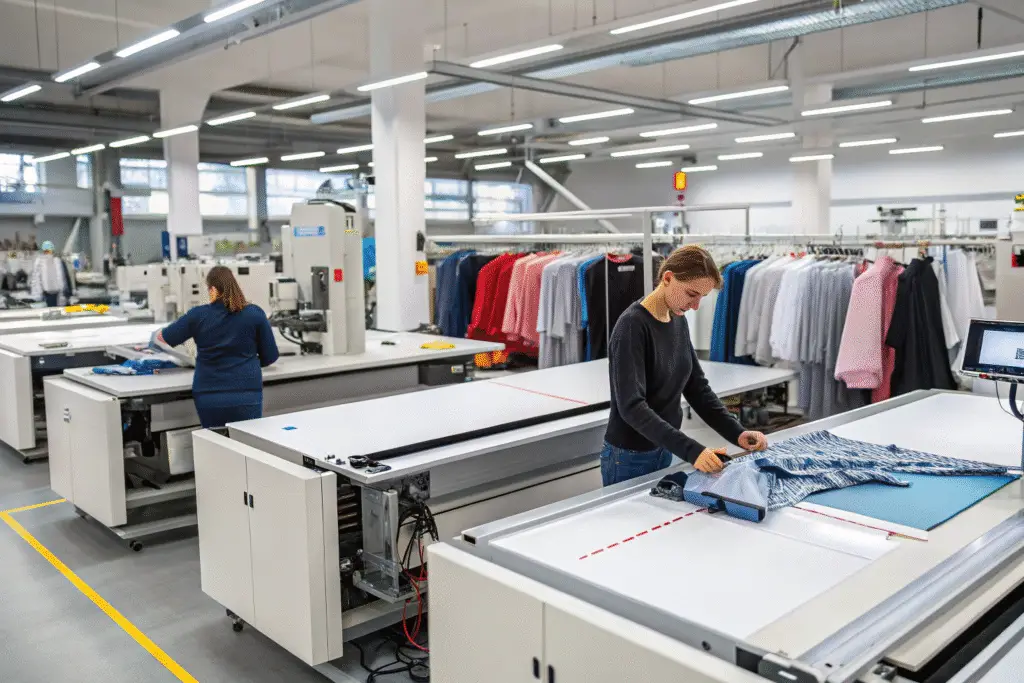
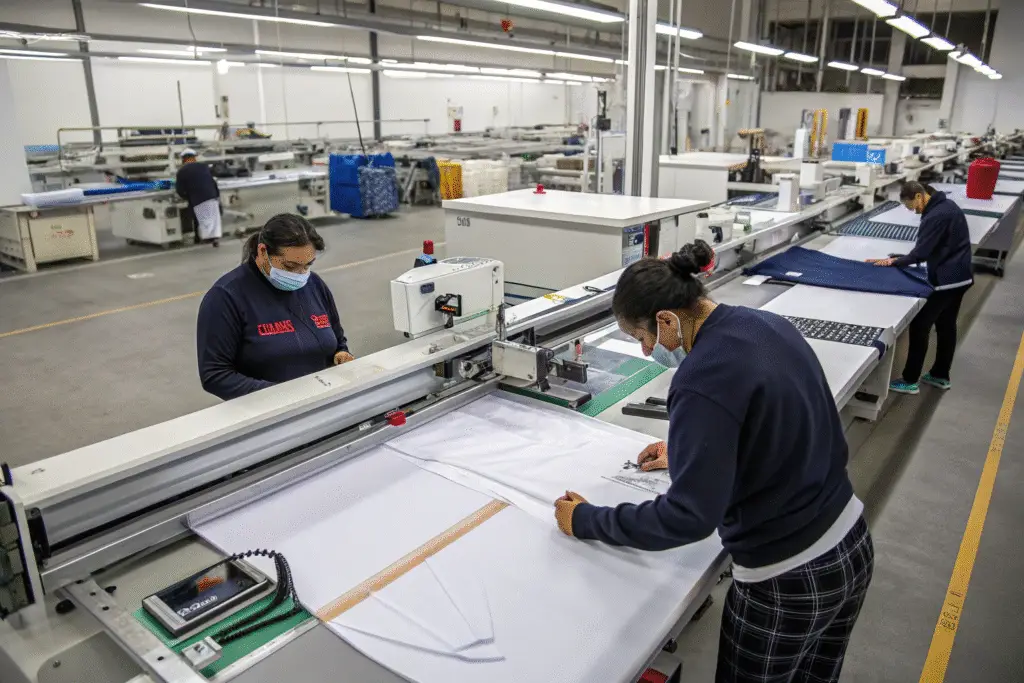
In our factory, we integrate CAD design systems, automated cutting machines, and flexible sewing lines to fulfill custom orders quickly. Orders can be small—sometimes even single pieces—and still be profitable thanks to streamlined operations.
What technologies make on-demand manufacturing possible?
Technologies like 3D design software, automated fabric cutters, and cloud-based order management enable precise, fast production. See Gerber Technology solutions and CLO 3D software for examples of tools that support this model.
Why is order data integration critical in on-demand production?
Real-time order integration ensures no delay between a customer purchase and production start. Platforms like Shopify Plus and ERPNext help connect online orders directly to the factory floor.
What Are the Main Benefits for Fashion Brands?
On-demand production offers significant advantages for fashion brands, especially in competitive markets like the U.S. It allows them to react to consumer demand instantly, improve cash flow, and test styles with minimal risk.
For U.S. buyers, this means faster market entry and better alignment between inventory and actual sales. Brands can also launch limited collections without the fear of leftover stock.
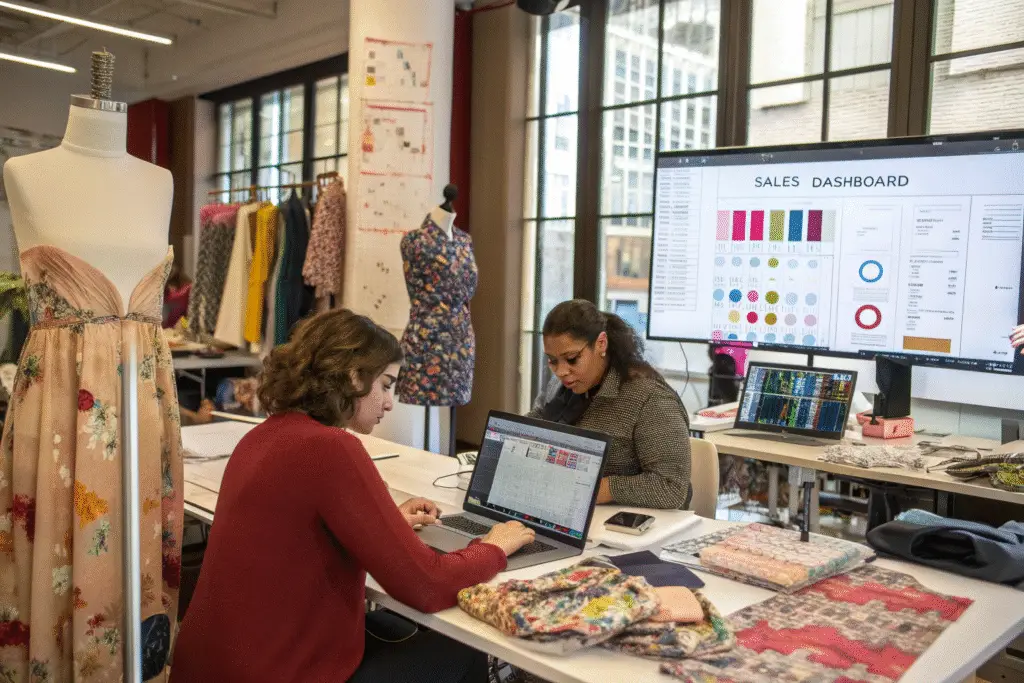
How does on-demand reduce inventory waste?
By producing only what sells, brands avoid the costs of unsold stock. Reports from McKinsey’s State of Fashion and Ellen MacArthur Foundation highlight waste reduction as a key benefit.
Can small brands compete with larger players using on-demand?
Yes. On-demand production levels the playing field by allowing small brands to test ideas without committing to large orders. Platforms like Printful and T-Pop make it accessible.
How Does On-Demand Support Sustainability Goals?
Sustainability is a pressing issue in fashion, and on-demand production directly contributes to reducing environmental impact. Since products are made to order, excess production is minimized, which in turn reduces waste and overuse of resources.
Our clients often use on-demand to meet their corporate sustainability targets. This model works well with organic materials, water-saving dyeing methods, and recyclable packaging.
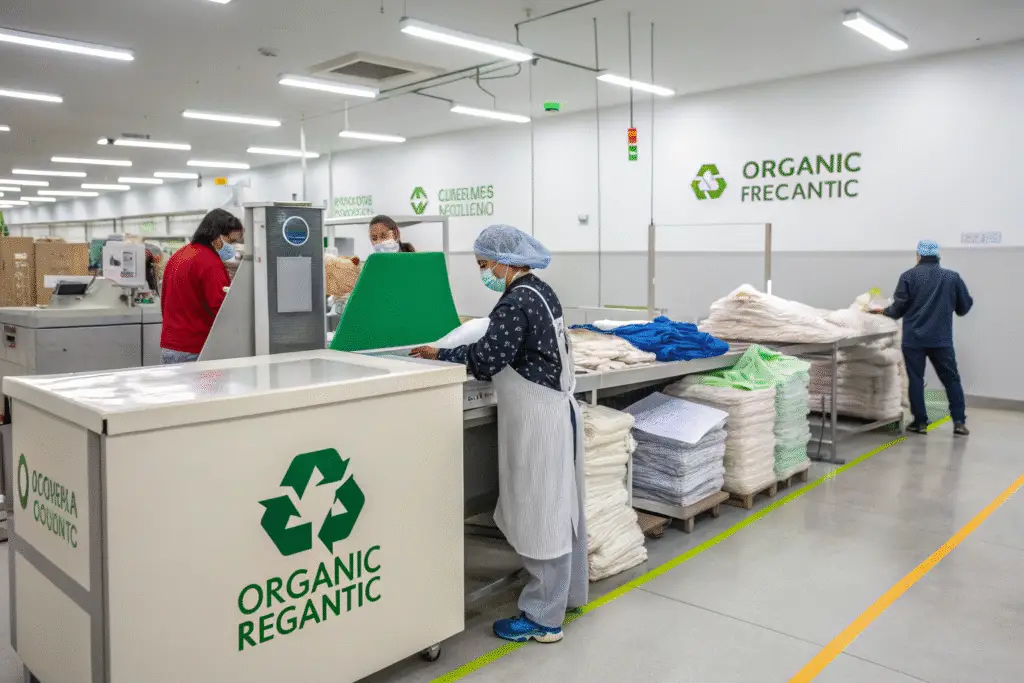
Does on-demand work with certified sustainable materials?
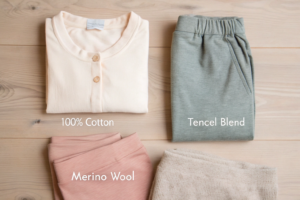
Yes. It integrates seamlessly with GOTS-certified fabrics and OEKO-TEX certified materials, ensuring both speed and eco-compliance.
How does it reduce carbon emissions?
Shorter production runs and closer-to-market facilities reduce transportation needs. Data from Carbon Trust and Fashion Revolution support these environmental benefits.
What Challenges Do Brands Face in Switching to On-Demand?
While on-demand production offers many benefits, it also presents operational challenges. These include the need for advanced technology, strong supplier relationships, and precise demand forecasting.
For many brands, the initial transition requires investment in software, training, and new workflows. However, the long-term benefits often outweigh the start-up costs.

Is the transition cost worth it?
Most brands find that reduced waste, improved cash flow, and faster market entry justify the investment. Read Harvard Business Review’s production strategy analysis and Apparel Resources insights for case studies.
How can brands ensure reliable fulfillment?
Choosing the right manufacturing partner is key. Working with experienced suppliers who can handle both small and large orders—like those listed on Alibaba B2B Marketplace—is essential for success.
Conclusion
On-demand manufacturing is more than a buzzword—it’s a strategic shift in how fashion is produced and delivered. From reducing waste and inventory costs to enabling rapid product testing, it’s reshaping the entire industry.
If your brand is ready to embrace speed, efficiency, and sustainability, our team at Shanghai Fumao Clothing can help. We have the technology, skilled workforce, and flexible production lines to handle on-demand orders for U.S. and European markets. Contact our Business Director Elaine at elaine@fumaoclothing.com to explore how we can bring your designs to market—faster, smarter, and more sustainably.