The textile industry has long been criticized for its high water consumption and pollution, especially in fabric dyeing. Traditional dyeing requires multiple large baths of water for pre-treatment, coloring, and rinsing. This method is resource-intensive and environmentally damaging. To address these issues, new technologies have emerged, with nanobubble dyeing being one of the most promising innovations.
Nanobubble dyeing reduces water usage by using microscopic bubbles to carry dye molecules directly into fabric fibers. These bubbles improve dye absorption, minimize rinsing requirements, and significantly reduce wastewater. This approach helps manufacturers save resources while maintaining fabric quality and colorfastness.
From my own experience working with global buyers and textile factories, I have seen that sustainability is no longer just an option but a requirement. U.S. and European brands increasingly ask about eco-friendly production methods. Nanobubble dyeing not only lowers environmental impact but also meets these new market expectations.
How Does Nanobubble Technology Work In Dyeing?
Nanobubbles are ultra-small gas bubbles less than 200 nanometers in diameter. They can remain stable in liquid for weeks, unlike regular bubbles that quickly rise and burst. Their stability allows them to deliver dyes efficiently into fabric fibers.

Why Are Nanobubbles More Efficient?
Because of their small size, nanobubbles create strong surface activity that improves dye solubility and penetration. According to ScienceDirect, this enables deeper, more uniform coloring, often eliminating the need for re-dyeing cycles.
How Do Nanobubbles Replace Chemicals?
Traditional dyeing relies on salts and dispersants to push color into fibers. Nanobubbles, however, generate reactive oxygen species (ROS) that naturally enhance dye fixation and cleaning. As Textile World explains, this reduces the use of auxiliary chemicals and results in cleaner wastewater.
Why Does Nanobubble Dyeing Use Less Water?
Water savings are one of the biggest advantages of nanobubble technology. Traditional dyeing requires multiple wash and rinse stages, each consuming thousands of liters. With nanobubbles, dye is delivered more directly and effectively.
This technology can reduce water use by up to 90%, depending on fabric type and dye. It not only conserves fresh water but also lowers the energy needed to heat and treat it.

How Does It Improve Rinsing Efficiency?
Nanobubbles attach dye molecules tightly to fibers, which means fewer rinse cycles are needed. According to Sustainable Apparel Coalition, factories using this method have cut rinse water use by more than half compared to conventional processes.
What Are The Energy Benefits?
Using less water also reduces energy demands for heating dye baths. Combined with shorter processing times, nanobubble systems can lower energy consumption by up to 40%. This leads to both cost savings and reduced carbon emissions.
What Fabrics Benefit Most From Nanobubble Dyeing?
Different fabrics respond differently to dyeing methods, and nanobubbles are especially effective for synthetic materials. Polyester and nylon, which usually require more chemicals, benefit the most.
Natural fibers like cotton also see improvements in dye penetration and colorfastness. Blended fabrics become more consistent, ensuring reliable quality across large production runs.
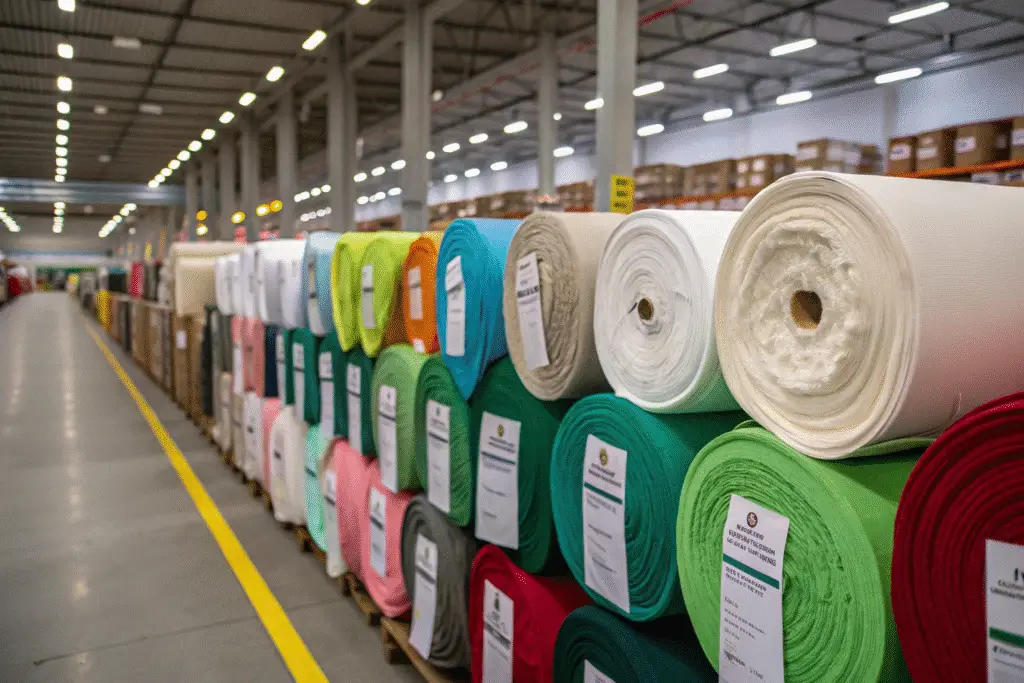
Why Is Polyester A Strong Candidate?
Polyester is widely used in apparel but traditionally needs high energy and chemicals for dyeing. Nanobubbles improve dye uptake significantly. Research from MDPI shows polyester dyed with nanobubbles achieves deeper, more uniform shades while consuming fewer resources.
Can It Work With Delicate Fabrics?
Yes. Because nanobubbles create less mechanical stress than conventional methods, delicate fabrics like silk or lightweight synthetics retain their softness and appearance. This expands the technology’s use across more product categories.
What Are The Challenges Of Nanobubble Dyeing?
Despite its promise, nanobubble dyeing faces adoption challenges. The technology requires investment in new equipment and training, which may be difficult for smaller factories.
Scalability is another challenge. While nanobubble systems have shown excellent results, broader adoption depends on reducing equipment costs and ensuring reliable supply chains for the machinery.
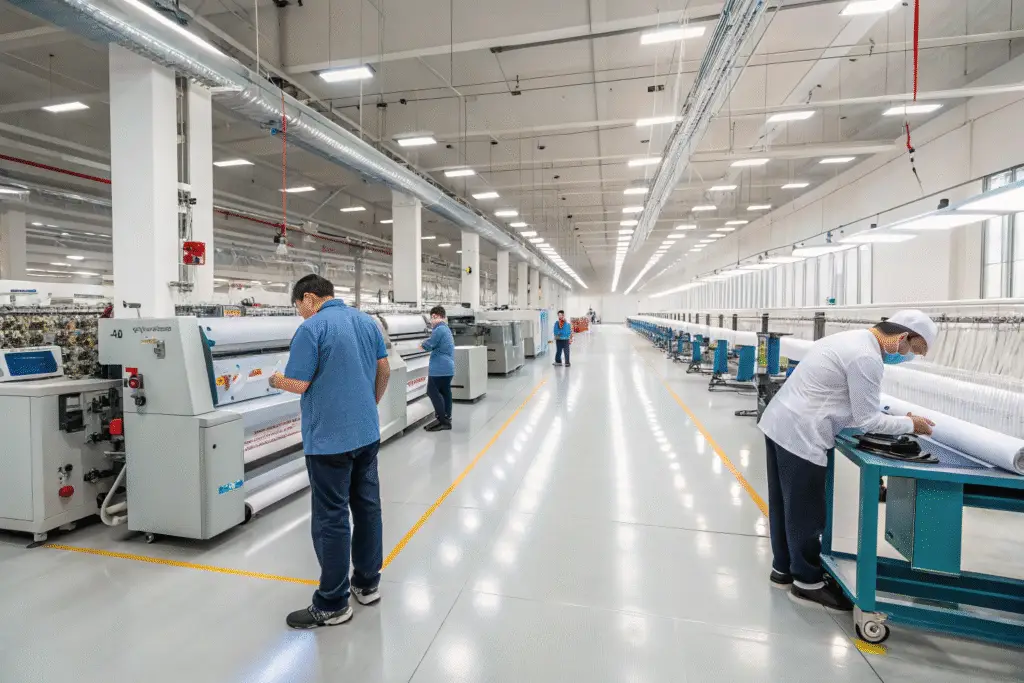
What About Production Costs?
Nanobubble equipment is more expensive upfront than conventional dyeing machines. However, the long-term savings from reduced water, chemical, and energy use offset the investment. Studies by Fashion for Good suggest payback periods of 2–4 years are realistic for many factories.
How Can Adoption Barriers Be Reduced?
Partnership between brands and suppliers is crucial. When buyers commit to long-term sourcing, suppliers are more likely to invest in sustainable technologies. Industry collaborations, pilot projects, and government subsidies can also help make adoption more accessible.
Conclusion
Nanobubble dyeing represents a major step forward in sustainable textile production. It reduces water consumption, minimizes chemical use, and cuts energy demand while delivering high-quality results. For apparel brands, adopting this method means aligning with sustainability goals and responding to growing consumer demand for eco-friendly fashion.
At Shanghai Fumao, we closely follow innovations such as nanobubble dyeing to support our clients’ sustainability strategies. By working with trusted fabric partners, we help buyers secure eco-friendly methods without sacrificing product performance. If you are ready to explore sustainable sourcing for your next apparel line, contact our Business Director Elaine at strong>elaine@fumaoclothing.com</strong and discover how we can work together.