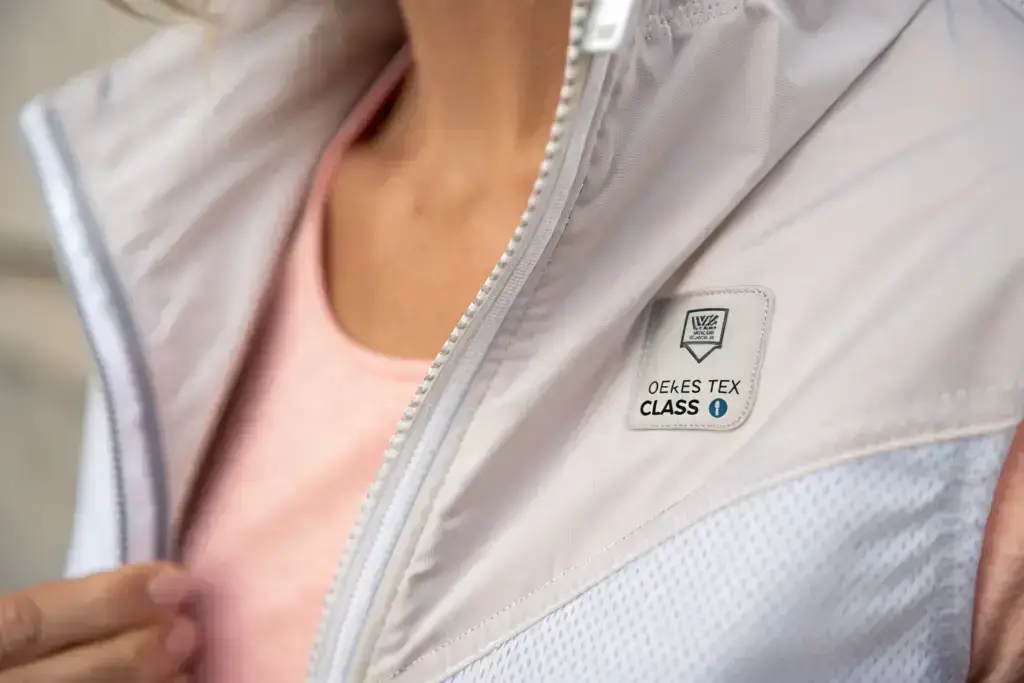
If you are sourcing or manufacturing apparel where fabric touches the skin directly—think inner linings, base layer activewear, or infantwear—you face a critical material decision. Not all OEKO-TEX certifications are equal. The standard distinguishes between four product classes, and for direct skin contact, Class I (or Grade 1) isn't just a recommendation; it's a non-negotiable safeguard for your brand and your customers. Using a lower class certification for these layers is a hidden liability.
Grade 1 (Class I) certification is essential for direct skin contact layers because it represents the strictest OEKO-TEX STANDARD 100 limit values for harmful substances. It is specifically designed for babies' and toddlers' textiles, making it the gold standard for any material in prolonged, intimate contact with sensitive skin. It minimizes allergic reactions, chemical exposure risks, and ensures compliance with the most rigorous global safety benchmarks.
Consider this: skin is not a barrier but an absorbent organ, especially for infants or during high-temperature, sweaty activities. A standard meant for decorative fabrics (Class IV) allows for higher concentrations of certain chemicals. Applying that to a shirt's lining is a risk no responsible brand should take. Grade 1 is your proactive defense against this risk, transforming a basic garment into a trusted product.
What are the specific, stricter limits in Grade 1?
The "devil is in the details" with chemical compliance. Grade 1's necessity is rooted in its quantitatively stricter thresholds for substances known to be particularly harmful to sensitive populations. It's not a different list of chemicals; it's a tighter safety net.
For example, the allowed limit for formaldehyde in Class I is significantly lower than in classes for adult apparel. The same applies to heavy metals like lead and cadmium, and for certain allergy-inducing dyes. These stringent limits are based on the understanding that babies have faster metabolic rates, thinner skin, and a tendency to put textiles in their mouths. By applying Grade 1 to all direct skin contact layers, you are adopting the highest possible precautionary principle. This is a powerful tool for quality assurance and risk management. At Shanghai Fumao, we mandate Grade 1-certified fabrics for all inner linings in our kids' wear and activewear production, a policy that helped a client swiftly pass a rigorous retail chain compliance audit last year, avoiding costly delays.
How does pH balance differ, and why does it matter?
A key, often overlooked parameter in Grade 1 is the required pH value of the fabric. Human skin has a slightly acidic pH (around 5.5) that acts as a protective barrier. Grade 1 mandates a pH range that is skin-neutral, preventing irritation. Fabrics certified for other uses (like outdoor furniture, Class IV) can have a much wider, more alkaline pH range. Using such a fabric for a shirt cuff or hat brim could cause dryness, itching, or dermatitis for the wearer. Specifying Grade 1 ensures the fabric's fundamental chemistry is compatible with skin biology, a critical aspect of product development for comfort-focused apparel.
What about saliva and perspiration fastness?
Grade 1 testing includes rigorous checks for colorfastness to saliva and perspiration. This is crucial. Think of a baby teething on a bib's edge or an athlete sweating profusely. If dyes or finishes leach out due to moisture, they can be ingested or absorbed. Grade 1 certification proves the fabric's color and chemical treatments are stable under these exact conditions. This goes beyond basic safety into functional durability for the use case. It's a feature that, when communicated, shows deep consumer understanding—addressing a core pain point for parents and active individuals.
How does Grade 1 impact brand liability and consumer trust?
In today's market, a product recall or a single social media post about a skin rash can devastate a brand. Grade 1 certification is a tangible investment in risk mitigation and brand equity building. It provides a defensible, third-party verified claim that you have done everything possible to ensure safety.
For the end consumer, especially a parent, seeing a Class I label on an item that touches their child's skin provides immediate peace of mind. It translates complex chemical management into a simple, universally trusted symbol. This trust translates directly to brand loyalty and willingness to pay a premium. A 2023 survey by a major retail analyst showed that apparel items featuring a "Baby-Safe" or similar certification based on OEKO-TEX Class I had a 22% higher conversion rate in online stores targeting young families.
Does it offer protection against evolving regulations?
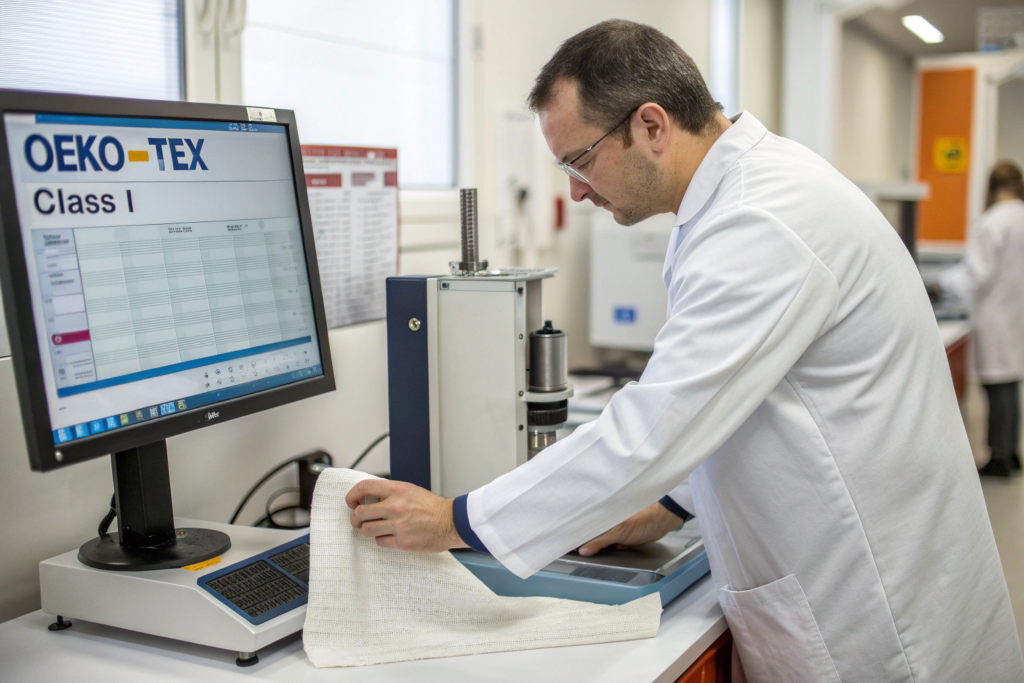
Absolutely. Global regulations, especially in North America and Europe, are continuously tightening restrictions on substances like PFAS and certain phthalates. Grade 1 certification is often ahead of legislation, incorporating bans or strict limits on substances before they become regulated. By building your supply chain around Grade 1 materials for skin contact, you future-proof your products against regulatory changes. This proactive approach prevents the scramble to reformulate and recertify, ensuring reliable delivery and compliance. It's a strategic decision that protects your profit model from disruption.
How does it streamline sourcing and communication?
Specifying "OEKO-TEX STANDARD 100, Class I" in your supplier agreement removes ambiguity. It gives your garment manufacturer a clear, unambiguous instruction. There is no room for a supplier to substitute a cheaper, Class II fabric for a lining, arguing it's "also certified." This clarity prevents conflicts, reduces inefficient communication, and simplifies your quality control checks—you only need to verify one certificate for that component. In our practice at Shanghai Fumao, this precise specification is a cornerstone of our full-package manufacturing contracts, ensuring alignment from the first sample to bulk production.
What are the practical sourcing considerations?
While essential, sourcing Grade 1 certified fabrics requires specific knowledge and supply chain relationships. Not all mills produce fabrics to this standard, and availability for certain high-tech materials (like some membranes) can be more limited.
The key is to integrate this requirement early in the product development cycle. Your design and sourcing teams must collaborate from the start to select from a palette of available Grade 1 materials. This may influence design choices but ultimately leads to a better, safer product. It also often leads to partnerships with higher-quality mills, as producing to Grade 1 standards requires advanced chemical management and cleaner production processes.

How does it affect cost and lead time?
There is typically a cost premium for Grade 1 certified fabrics, reflecting the more expensive dyes, auxiliaries, and testing involved. However, this should be viewed as an insurance premium and a value-add, not just a cost. The lead time for sourcing can also be slightly longer due to more limited availability. The critical action is to plan further ahead. For our clients, we maintain a curated library of pre-vetted, Grade 1 certified fabrics from our partner mills, which significantly speeds up the sampling process and provides competitive pricing through aggregated volume.
Can you mix certification classes in one garment?
Yes, but with extreme caution and clear labeling. A common and responsible approach is to use Grade 1 (Class I) for all direct skin-contact components (lining, inner cuff tape, collar stand) and a different class (e.g., Class II for outerwear) for the exterior shell that does not touch the skin. This is cost-effective and technically sound. However, this must be meticulously documented in your Technical Data Pack and clearly communicated to the consumer to avoid misleading them. Transparency here reinforces your brand's honesty and sophistication.
Conclusion
Specifying OEKO-TEX Grade 1 (Class I) certification for direct skin contact layers is a definitive mark of a responsible, professional apparel brand. It moves beyond basic compliance to embrace a philosophy of utmost care. The stricter chemical limits, skin-friendly pH requirements, and rigorous fastness testing provide a level of safety that builds unshakeable consumer trust and substantially reduces legal and reputational risk.
In a world where consumers are increasingly vigilant about what touches their skin and their children's skin, this certification is not an extra—it's a essential foundation for quality. It informs smarter, safer sourcing decisions and creates a powerful, authentic story for your brand.
If you are committed to producing apparel that offers genuine safety and comfort, partnering with a manufacturer experienced in Grade 1 compliance is crucial. Shanghai Fumao has the expertise and certified supply chain to seamlessly integrate this highest standard into your customization orders. Let's ensure your products are safe from the inside out. Contact our Business Director Elaine to discuss your next project: elaine@fumaoclothing.com.