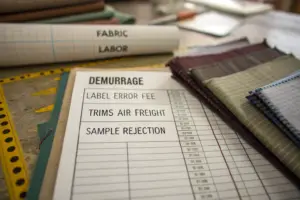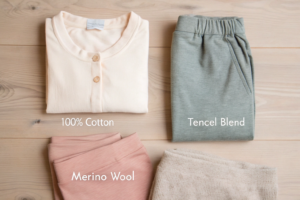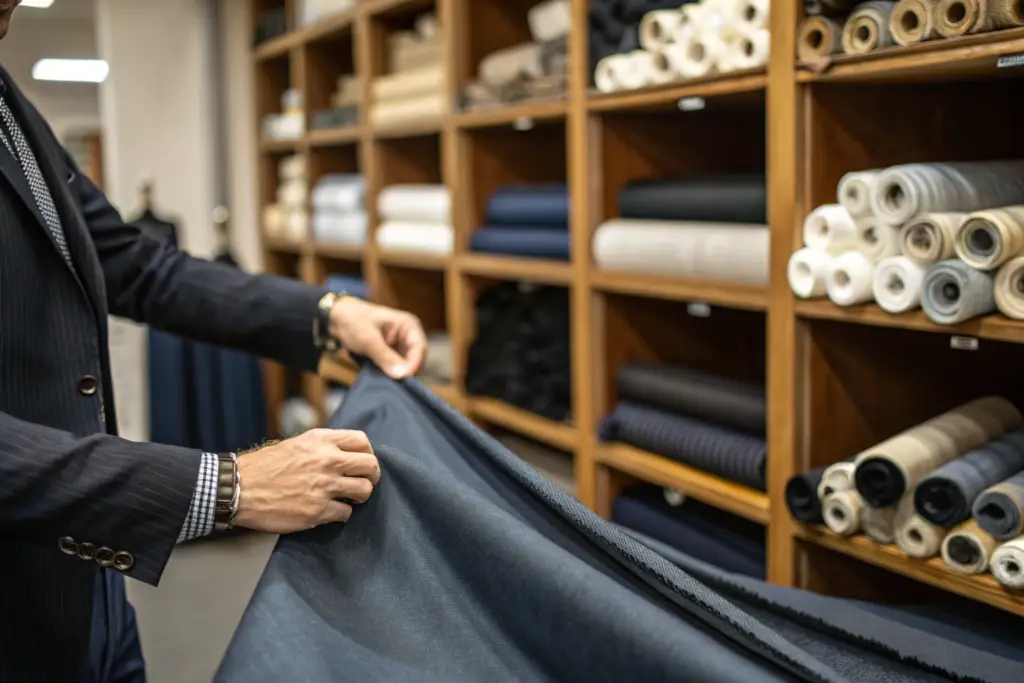
When you think of a luxury garment, what comes to mind first? The cut, the design, the brand label? For those in the business, the answer is unequivocal: the fabric. A masterful design, executed with perfect construction, will still fall flat if the material is subpar. In high-end custom manufacturing, the fabric isn't just a component; it's the soul of the garment. It dictates the drape, the hand-feel, the longevity, and ultimately, the perceived value and customer satisfaction. You can't create a premium experience with commodity materials.
Fabric sourcing is the foundational pillar of high-end custom clothing manufacturing because it directly defines the product's aesthetic, performance, quality consistency, and exclusivity, forming the tangible link between a brand's luxury promise and the customer's physical experience. A superior fabric elevates good construction to greatness, while an inferior one undermines even the most skilled craftsmanship. At Shanghai Fumao, our process for premium lines begins not with a sketch, but with a curated selection of world-class textiles, because we understand that the right fabric is 50% of the design battle won.
Sourcing for high-end is a different discipline altogether. It moves beyond cost-per-meter negotiations into the realms of relationships with specialty mills, understanding fiber science, and securing exclusive access. Let's explore why this initial step is non-negotiable for brands that compete on quality and distinction, not just price.
How Does Fabric Define The Aesthetic & Hand-Feel Of A Garment?
The visual and tactile appeal of a garment is its first language. Before a customer examines a stitch, they see the luster, the depth of color, and they feel the weight and texture. This immediate sensory experience is dictated entirely by the fabric's origin and construction.
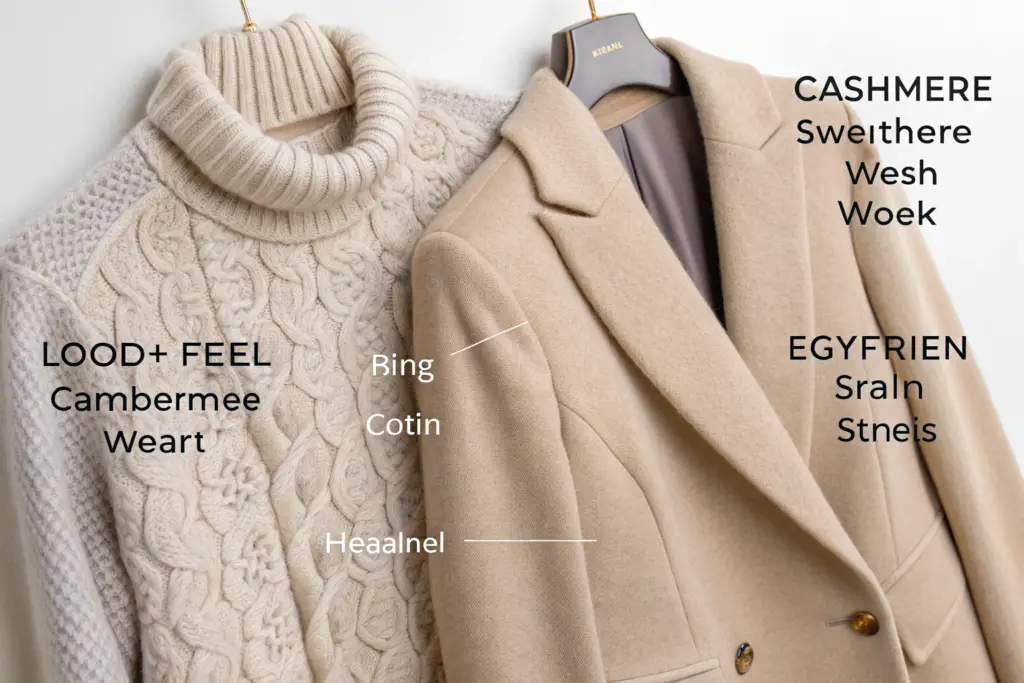
The fabric defines the aesthetic and hand-feel through its inherent properties: the type of fiber (e.g., extra-long staple Egyptian cotton, Merino wool), the yarn spinning technique (ring-spun vs. open-end), the weave or knit structure (twill, satin, jersey), and the finishing processes (mercerizing, brushing, calendaring). These elements combine to create a specific "hand" – the way the fabric drapes, moves, and feels against the skin. For a luxury cashmere sweater, it's the cloud-like softness and warm loft; for a tailored blazer, it's the crisp drape and structural integrity of a high-wool-content fabric.
What Is The Impact Of Fiber Origin On Perceived Value?
In high-end manufacturing, provenance is paramount. Specific geographic origins are synonymous with quality. Egyptian Giza cotton is prized for its long, strong, and silky fibers, resulting in finer, more durable yarns with a luminous sheen. Australian Merino wool offers exceptional fineness and softness. Using these certified origins in your tech pack isn't just a detail; it's a marketable feature that justifies price and communicates quality to the end consumer. We recently developed a limited-edition shirt collection for a Los Angeles-based designer using Sea Island cotton. The tangible difference in smoothness and luster created a product that commanded a 300% premium at retail, with clients immediately recognizing the superior feel.
How Do Fabric Finishes Create Uniqueness?
The journey of fabric doesn't end at the loom. Finishing treatments are where much of the magic happens for custom looks. Processes like:
- Brushing: Creates a soft, peach-skin or fuzzy surface on fabrics like velour or microfleece.
- Mercerization: Treats cotton with sodium hydroxide to increase its strength, luster, and affinity for dye, resulting in richer, more vibrant colors.
- Stone Washing or Enzyme Washing: Gives denim a specific worn-in hand and appearance.
These finishes must be precisely specified and consistently executed. A European mill we partner with offers a proprietary "cool touch" finish on linens, making them ideal for warm-weather suiting—a unique selling point we helped a brand leverage successfully.
Why Is Performance & Consistency Non-Negotiable For Luxury Goods?
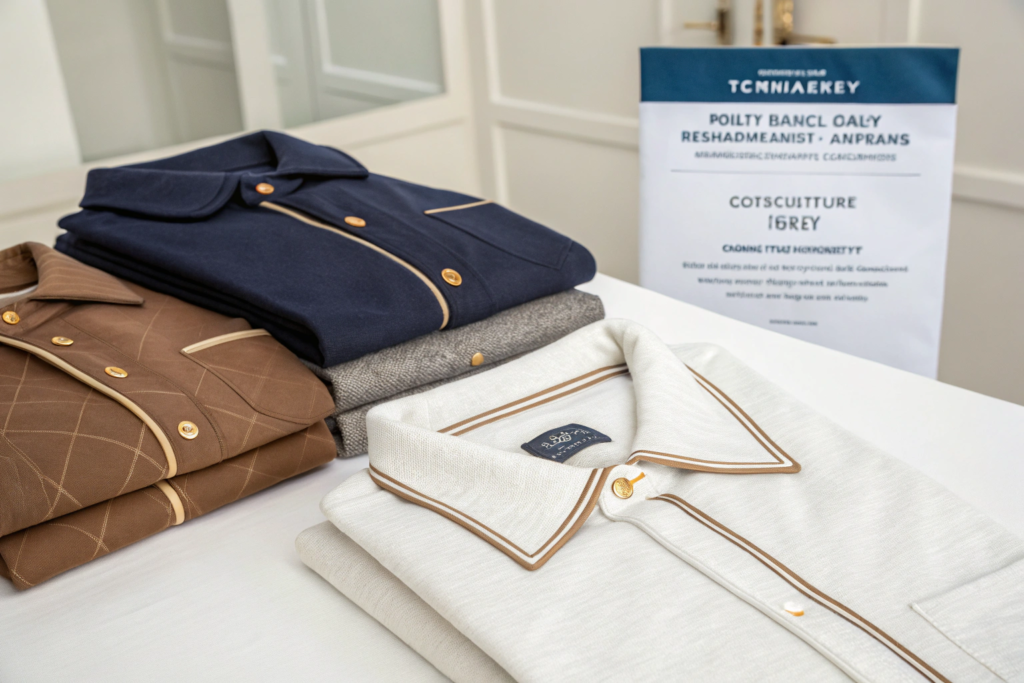
High-end clothing is an investment. Customers expect performance: color that doesn't fade, shape that doesn't distort, and strength that endures. They also expect consistency; the black blazer from season to season must match perfectly. These expectations are fundamentally anchored in fabric quality and rigorous sourcing protocols.
Performance and consistency are non-negotiable because they underpin the functional luxury promise—garments that not only look exceptional but also wear and age gracefully, with batch-to-batch uniformity that protects brand integrity. This requires moving beyond basic composition labels to demanding certified test reports from the mill for every parameter.
Which Performance Tests Matter Most?
A luxury fabric must pass a battery of tests. We insist on mill reports for:
- Colorfastness: To washing, rubbing (dry and wet), perspiration, and light. Poor colorfastness is a hallmark of low-quality dyeing.
- Dimensional Stability (Shrinkage): Measured after multiple home launderings. We typically require less than 3% shrinkage for wovens and 5% for knits in premium categories.
- Tear & Tensile Strength: Ensuring the fabric can withstand stress.
- Pilling Resistance: Especially critical for sweaters and soft knits.
For a high-performance activewear line we manufactured, the fabric was tested for moisture-wicking rate, quick-dry capability, and UPF rating. Presenting this data helped our client secure shelf space in premium sports retailers.
How Do You Ensure Dye Lot Consistency?
One of the most common failures in bulk production is color variation between dye lots. For solid colors in high-end orders, we mandate "lot dyeing" from the mill. This means the entire fabric quantity for the order is dyed in a single batch, guaranteeing perfect color uniformity. If the order is too large, we work with the mill to execute "batch dyeing" with tight tolerance standards and perform lab dip approvals against a physical master standard before bulk dyeing begins. This meticulous process eliminated color mismatch issues for a New York-based uniform company, ensuring that thousands of blazers and trousers for a global hotel chain were a perfect match worldwide.
How Does Strategic Sourcing Build Exclusivity & Supply Chain Security?
In a market flooded with fast fashion, exclusivity is a key lever for luxury brands. This exclusivity often starts with the fabric. Furthermore, relying on open-market commodities exposes you to volatility and uncertainty. Strategic sourcing builds both a unique product identity and a resilient supply chain.
Strategic sourcing builds exclusivity through direct partnerships with niche mills, development of proprietary fabric blends, and minimum order quantity (MOQ) management, while securing the supply chain via diversified supplier bases and forward inventory planning for key materials. It's about owning a part of the supply chain that your competitors cannot easily access.

Can You Develop Exclusive Fabrics?
Absolutely. This is the pinnacle of fabric sourcing. We facilitate collaborations between our clients and specialized mills to develop custom fabrics. This could involve:
- Custom Weaves/Knits: Creating a unique pattern, texture, or weight.
- Proprietary Blends: Mixing fibers in a specific ratio for a unique hand and performance (e.g., silk-linen-wool for a travel blazer).
- Custom Dyeing: Developing a signature color palette unavailable on the open market.
One of our clients, an eco-luxury brand, co-developed a fabric made from recycled ocean plastic and organic cotton with a Taiwanese mill. This exclusive material became the centerpiece of their marketing and allowed them to command a significant price premium, protected from direct competition.
Why Is A Diversified Mill Portfolio A Security Measure?
Putting all your eggs in one mill's basket is risky. A quality issue, production delay, or sudden price hike at that single source can paralyze your production. We maintain relationships with a vetted network of mills across China, Japan, Italy, and Turkey, each with their own specialties. This allows us to recommend alternatives if needed and provides leverage in negotiations. During the recent global logistics delays, our ability to source a comparable high-twist wool from a secondary, pre-audited mill in Portugal saved a critical fall collection for a Midwest-based brand, turning a potential crisis into a manageable pivot.
What Is The True Cost Of Compromising On Fabric Quality?
The temptation to value-engineer fabric to hit a price point is high. However, in high-end manufacturing, this compromise is a Faustian bargain. The downstream costs almost always outweigh the initial savings, damaging the brand in ways that are difficult to repair.
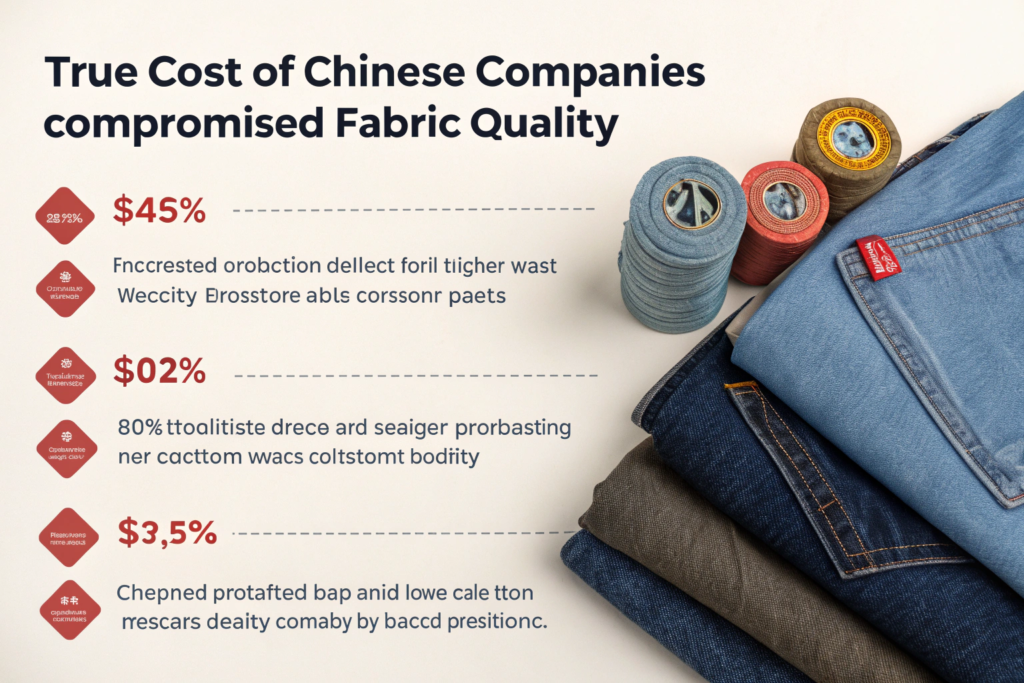
The true cost of compromising on fabric includes increased production waste, higher defect rates, customer returns and dissatisfaction, brand reputation erosion, and ultimately, the loss of the premium positioning that justifies the business model. A cheaper fabric is often harder to work with, leading to more rejects in cutting and sewing, negating any upfront saving.
How Do Inferior Fabrics Increase Production Costs?
Low-quality fabrics have hidden production penalties:
- Cutting Yield Loss: Fabrics with inconsistent width or frequent flaws force pattern makers to work around defects, increasing material waste.
- Sewing Difficulties: Fabrics that slip, stretch unpredictably, or fray easily slow down sewing lines and increase the rate of construction defects.
- Finishing Problems: They may not press well, or colors may bleed during washing.
We audited a potential client's previous order from another factory where they opted for a lower-grade linen. The fabric shrinkage was inconsistent, leading to off-spec garments after laundering. The 15% savings on fabric cost was wiped out by a 25% rejection rate and costly reprocessing.
What Is The Long-Term Brand Impact?
A customer who spends $500 on a garment that pills, fades, or loses its shape after two wears doesn't just return that item. They lose faith in the brand and share their negative experience. In the age of social media and review platforms, this long-term reputational damage is far more costly than the margin on a single sale. Investing in superior fabric is an investment in customer loyalty and lifetime value. It's what allows a brand to move from being a commodity to being a cherished label. This philosophy is why Shanghai Fumao partners with brands that share this long-term view, helping them select fabrics that will make their customers feel the value every time they wear the garment.
Conclusion
Fabric sourcing is not a procurement task; it is the first and most critical act of creation in high-end custom clothing manufacturing. It sets the ceiling for what the garment can become. The right fabric inspires the designer, enables the craftsman, delights the customer, and protects the brand. It is the primary differentiator in a crowded market and the bedrock of a reputation for quality.
Neglecting this step in favor of cost savings is the surest way to undermine a luxury brand's foundations. Conversely, mastering it—through expertise, relationships, and unwavering standards—creates an unassailable competitive advantage.
If you are building a brand where quality is the message, let Shanghai Fumao be your guide and partner in the world of premium textiles. We offer access to our curated mill network, technical expertise in fabric performance, and a sourcing strategy designed for exclusivity and reliability. To begin a conversation about bringing your highest-quality visions to life with the right materials, contact our Business Director, Elaine. She can connect you with our fabric sourcing specialists for a confidential consultation. Email: elaine@fumaoclothing.com.