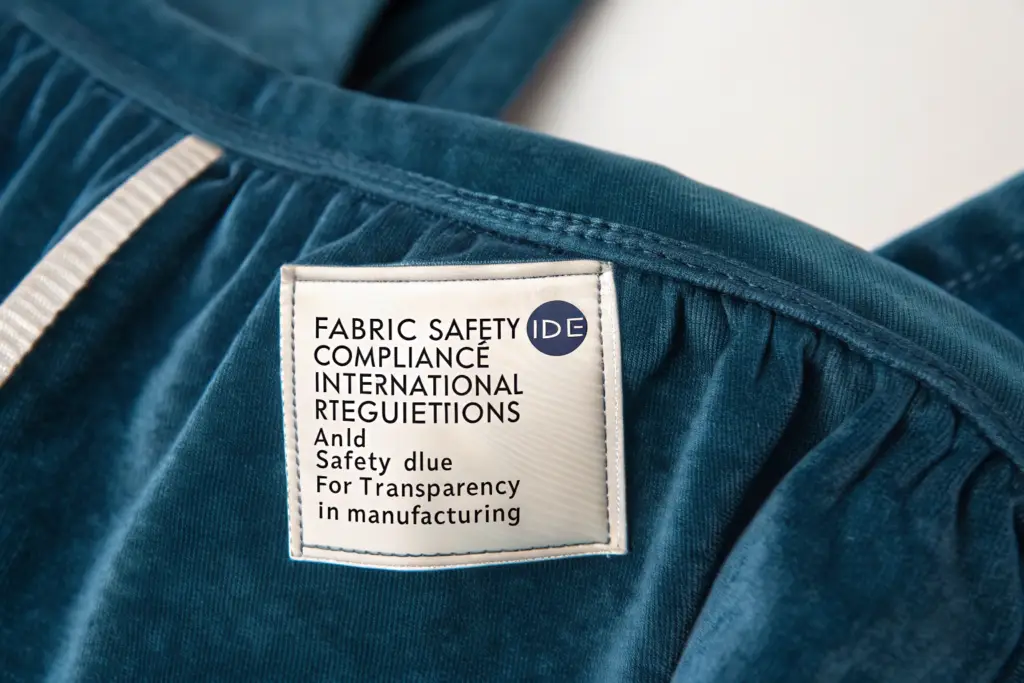
Imagine receiving a shipment of soft, luxurious velour rompers for your boutique’s summer launch, only to face a wave of customer complaints and costly recalls. This scenario is not uncommon when fabric safety is overlooked. For US apparel brand owners sourcing globally, understanding the latest safety standards is not just about compliance; it’s about protecting your brand’s reputation and ensuring consumer trust.
Fabric safety is crucial for velour back tie rompers in 2025 because evolving international regulations, heightened consumer awareness of health risks, and increasing demand for product transparency make it a non-negotiable pillar of responsible apparel manufacturing. The conversation has shifted from simple material sourcing to a comprehensive, science-backed approach that affects everything from certification to logistics.
As a factory owner who has witnessed the impact of these changes firsthand, I want to share the key areas you must scrutinize with your suppliers to mitigate risks and ensure your velour rompers are safe, compliant, and market-ready.
What Are The Latest Safety Standards For Velour In 2025?
The regulatory landscape for textiles is rapidly evolving. For brands sourcing velour rompers, staying ahead of these changes is critical for smooth market entry. The standards now go far beyond basic fabric composition to cover chemical content, physical safety, and sustainable production claims.
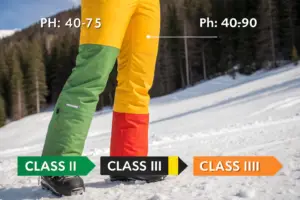
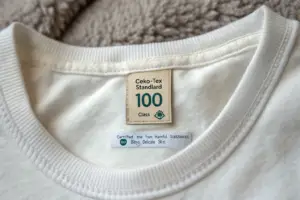
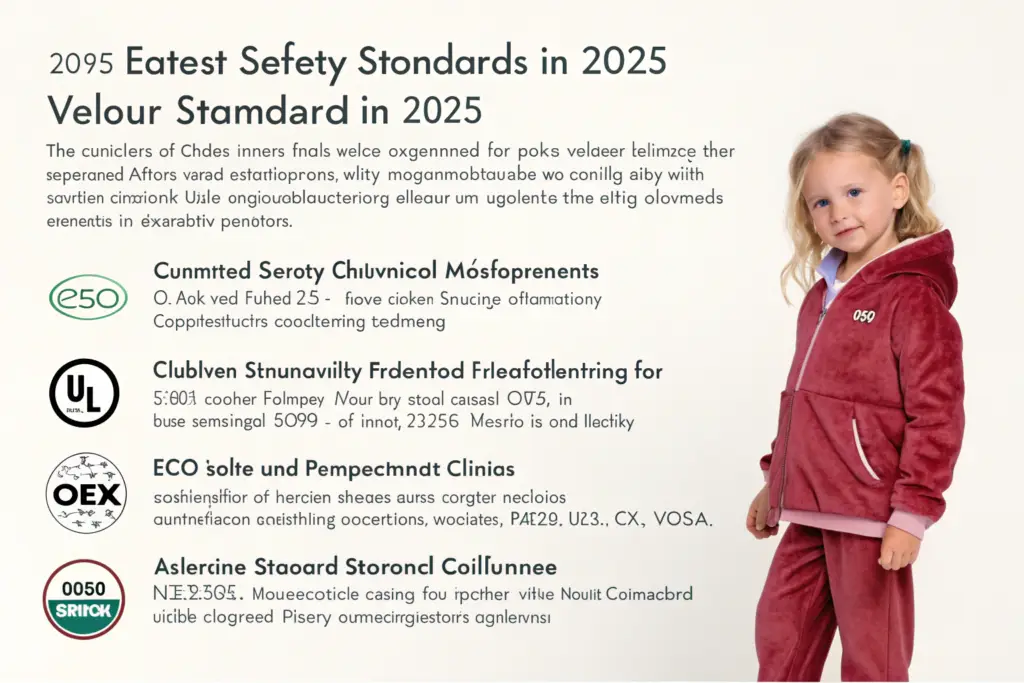
In 2025, the latest safety standards for velour focus on stringent limits for chemical substances, enhanced flammability requirements for children’s sleepwear categories, and mandatory verification of eco-label claims. Key frameworks include updates to the U.S. Consumer Product Safety Commission’s (CPSC) regulations, California Proposition 65, and the growing adoption of the OEKO-TEX® STANDARD 100 by major retailers.
Which Chemical Regulations Directly Impact Velour Romper Manufacturing?
The chemical profile of velour—a plush, knitted fabric—is a primary concern. In 2023, we partnered with a growing children’s wear brand from Texas. Their initial velour sample failed a third-party test for formaldehyde. This delay nearly caused them to miss their crucial back-to-school selling season. We had to quickly switch to a certified low-formaldehyde dyeing auxiliaries supplier. The experience underscored that compliance is a moving target.
Today, the most impactful regulations include Azo Dyes and Allergenic Disperse Dyes, which are banned in many regions. Limits on Heavy Metals like lead are critical for items children may mouth. Also, PFAS (Per- and Polyfluoroalkyl substances) are facing widespread bans. Sourcing velour without PFAS treatments is now essential.
We advise all our partners at Shanghai Fumao to request a Supplier’s Declaration of Conformity (SDoC) and recent test reports from accredited laboratories like Intertek or SGS before production begins.
How Do Flammability Standards Affect Design & Fabric Choices?
Flammability is a non-negotiable safety aspect, particularly for garments like rompers that may be classified as children’s sleepwear. The U.S. Flammable Fabrics Act (FFA) and the specific standard 16 CFR Part 1615/1616 for children’s sleepwear set rigorous testing benchmarks. Velour, due to its pile surface, requires careful selection.
We once developed a line of velour lounge rompers for a California-based brand. To meet sleepwear flammability standards, we had to source a specially engineered, inherently flame-retardant polyester fiber blend. This choice impacted the fabric’s hand feel and cost. The key lesson was that safety must be integrated into the product development phase. Here’s a comparison:
| Velour Type (Blend) | Key Safety Advantage | 2025 Compliance Consideration |
|---|---|---|
| Inherent FR Polyester | Excellent flammability resistance | Easily meets CPSC sleepwear rules |
| Conventional Cotton-Poly | Natural feel, breathable | May require chemical FR treatment |
| Organic Cotton | Low pesticide residues | Must still be tested for flammability |
How Can You Verify Your Supplier’s Safety Certifications?
Trust, but verify. This old adage is the cornerstone of secure sourcing. Relying solely on a supplier’s word regarding certifications is a significant risk, as some may provide outdated or falsified documents—a common pain point for buyers.
You can verify your supplier’s safety certifications by conducting direct audits of their testing reports, cross-checking certificate numbers on official issuer websites, and implementing your own third-party pre-shipment inspections. This multi-layered approach closes the communication gap and provides tangible proof.

What Are The Red Flags In A Fabric Safety Test Report?
Not all test reports are created equal. When reviewing documents, look beyond the “PASS” stamp. First, check the issue and expiry dates. Certificates like OEKO-TEX® are valid for one year. Second, verify the scope of testing. Does the report cover all applicable regulations for your market (e.g., CPSC, CPSIA)?
Third, confirm the accredited laboratory. The report should have the logo of a recognized body such as Eurofins. We encourage clients to provide their required testing standards. Last year, a client discovered their previous supplier’s GOTS certificate was for a different product category. This discovery halted their production for weeks.
Why Is On-Site Or Third-Party Inspection Non-Negotiable?
Digital verification is powerful, but physical inspection is irreplaceable. An on-site visit or a hired third-party inspection firm provides a reality check. They can audit the factory’s raw material warehouse and perform random sample pulls for independent testing.
For instance, during a routine quality control audit for a long-term client in 2024, our team found that a sub-supplier had substituted a certified yarn with a non-certified one mid-production. Because we had a clear protocol, we caught the issue before any finished goods were made. This proactive measure saved the client from a potentially disastrous shipment. Services from firms like Asia Inspection can be a valuable extension of your oversight.
What Are The Hidden Supply Chain Risks For Velour Fabric?
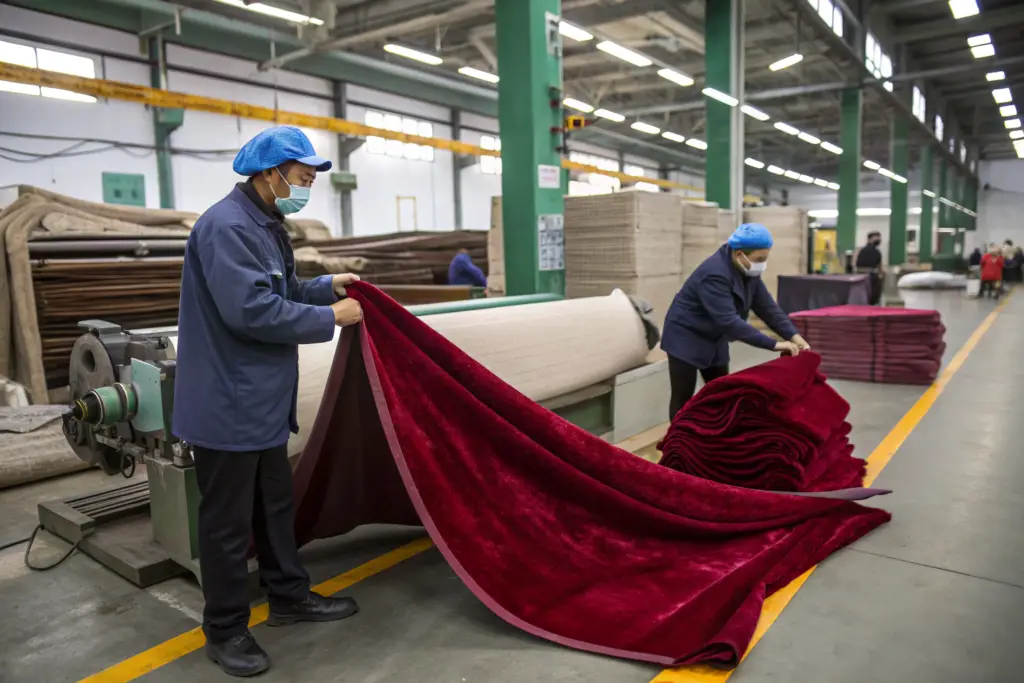
Safety risks often originate deep in the supply chain, far from the final sewing factory. For velour rompers, the journey begins with fiber production, moves to yarn spinning, fabric knitting, dyeing, and finishing. A lapse at any stage can compromise the entire batch.
The hidden supply chain risks for velour fabric include inconsistent raw material sourcing, unregulated subcontracting of dyeing and finishing processes, and a lack of traceability systems. These factors make it difficult to guarantee the chemical safety and consistency of the final product.
How Does Dyeing & Finishing Impact Final Product Safety?
The dyeing and finishing stage is where most chemicals are applied. This stage is often outsourced by garment factories, creating a critical control point. Key questions to ask your supplier: Do they own their dyeing house? If not, who is their partner? Are the AZO-free dyes used consistently?
We learned this lesson early on. About two years ago, a shipment of adult velour tracksuits developed severe color bleeding after the first wash. The issue was traced back to an unapproved fixing agent used by the subcontracted dyeing mill. Since then, Shanghai Fumao has invested in partnerships with fully certified dyeing mills.
Why Is Full Traceability From Fiber To Garment Essential?
Traceability is your safety net. It allows you to pinpoint the origin of a problem. A robust system should track the lot numbers of the yarn, the dye batches, and the finishing chemicals used for each production run of fabric.
Implementing a Digital Product Passport (DPP), as being piloted in the EU, is becoming a best practice. For you, the buyer, it means your factory should provide a transparent chain of custody. When you partner with a manufacturer like us, you gain visibility into the journey of your velour, ready for efficient export & logistics.
How To Build A Safety-First Partnership With Your Manufacturer?
Moving from a transactional buyer-supplier relationship to a true partnership is the most effective long-term strategy for ensuring fabric safety. This alignment turns your manufacturer from a potential risk point into your strongest quality advocate.
You build a safety-first partnership by establishing clear, written safety protocols, engaging in joint product development from the concept stage, and fostering transparent communication that goes beyond the sales rep to include technical and quality teams.

What Should Be Included In A Legally Binding Quality Agreement?
A comprehensive Quality Agreement is your blueprint for safety. It should move beyond vague promises. Key clauses must cover: 1) The exact list of required certifications. 2) The protocol for material substitution. 3) The right to conduct unannounced inspections. 4) Clear liability and remediation processes for failed shipments.
We provide a template agreement to our clients at the outset. It details our internal quality control processes. This document aligns expectations and protects both parties, ensuring that “competitive pricing” does not come at the cost of safety.
How Does Early Collaboration In Design Mitigate Risk?
Involving your manufacturer’s technical team during the design phase is a game-changer. They can advise on fabric selections that are both stylish and compliant. They might suggest a specific velour weight that has a proven track record of passing flammability tests.
A recent success story involved a startup brand specializing in maternity and baby wear. They came to us with a design for a velour romper with intricate trims. Our product development team flagged that the proposed trim might not meet phthalate regulations. We worked together to source a compliant alternative early on. This collaboration secured safety and streamlined the entire full-package manufacturing timeline.
Conclusion
Navigating the fabric safety landscape for velour back tie rompers in 2025 demands a proactive, informed, and partnership-driven approach. The risks—from regulatory penalties to brand-damaging recalls—are too significant. As we’ve explored, the path to security lies in understanding the latest standards, rigorously verifying certifications, mapping the hidden supply chain, and forging a collaborative relationship with your manufacturer.
This journey transforms safety from a compliance hurdle into a competitive advantage. It builds unshakable trust with your customers and creates a resilient, transparent supply chain. The investment in time and diligence at the sourcing stage pays dividends in smooth operations and a sterling brand reputation.
If you are looking for a manufacturing partner who prioritizes fabric safety as much as you do, let’s start a conversation. We at Shanghai Fumao are dedicated to helping ambitious U.S. brands navigate these complexities with confidence. Bring your vision for safe, stylish, and successful velour rompers to market with a partner you can trust. For a detailed discussion on your next project, please reach out to our Business Director Elaine at: elaine@fumaoclothing.com.