You are launching a premium children's wear line for the European market. You have sourced the softest organic cotton and designed charming patterns. But your European distributor asks one pointed question: "Can you provide the full dossier of fabric safety test reports, specifically aligned with REACH and OEKO-TEX Class I?" Suddenly, you realize that in Europe, fabric safety isn't just a feature—it's the foundation of the entire high-end children's wear sector. Why does this market place such paramount importance on what seems like an invisible attribute?
Fabric safety is the non-negotiable cornerstone of high-end children's wear in Europe due to a powerful convergence of strict regulations, sophisticated consumer awareness, and a cultural paradigm that views child protection as an absolute priority. It transcends being a competitive advantage to become the fundamental license to operate. For brands, demonstrating rigorous fabric safety isn't about marketing; it's about meeting a baseline of legal and ethical responsibility that is deeply embedded in the European retail landscape.
The concern stems from a clear understanding of children's unique vulnerability. Their skin is thinner and more permeable, their metabolic systems are still developing, and they have a higher propensity to put clothing in their mouths. Consequently, the presence of harmful chemicals—from allergenic dyes and formaldehyde to heavy metals and plasticizers—is not just an irritation risk but a potential developmental hazard. The European market, through its laws and consumer behavior, has institutionalized the response to this risk.
The Regulatory Landscape: Laws That Dictate Standards
Europe operates the world's most stringent and comprehensive regulatory framework for chemicals in consumer products, with children's wear under particular scrutiny. This isn't a single law but an interconnected web of regulations that brands must navigate. Ignorance is not an excuse, and non-compliance carries severe penalties, including product recalls, fines, and permanent brand damage.
The cornerstone is REACH (Registration, Evaluation, Authorisation and Restriction of Chemicals). This EU regulation restricts dozens of Substances of Very High Concern (SVHCs) in products, with specific, lower limits for articles intended for children. For example, the allowed migration limits for certain phthalates (plasticizers often found in prints or plastic components) in children's items are far stricter than in general goods. A high-end brand must have full supply chain transparency to prove compliance, as the responsibility lies with the importer (the brand) to ensure safety.
Alongside REACH, the OEKO-TEX STANDARD 100 certification, especially Article Class I (for babies and toddlers up to 3 years), has become the de facto industry benchmark. While not a law, it is a private standard that comprehensively tests for over 100 harmful substance groups, often exceeding legal requirements. For European retailers and consumers, the OEKO-TEX label is a trusted, recognizable symbol of safety. It effectively translates complex chemical regulations into a simple, credible trust mark.
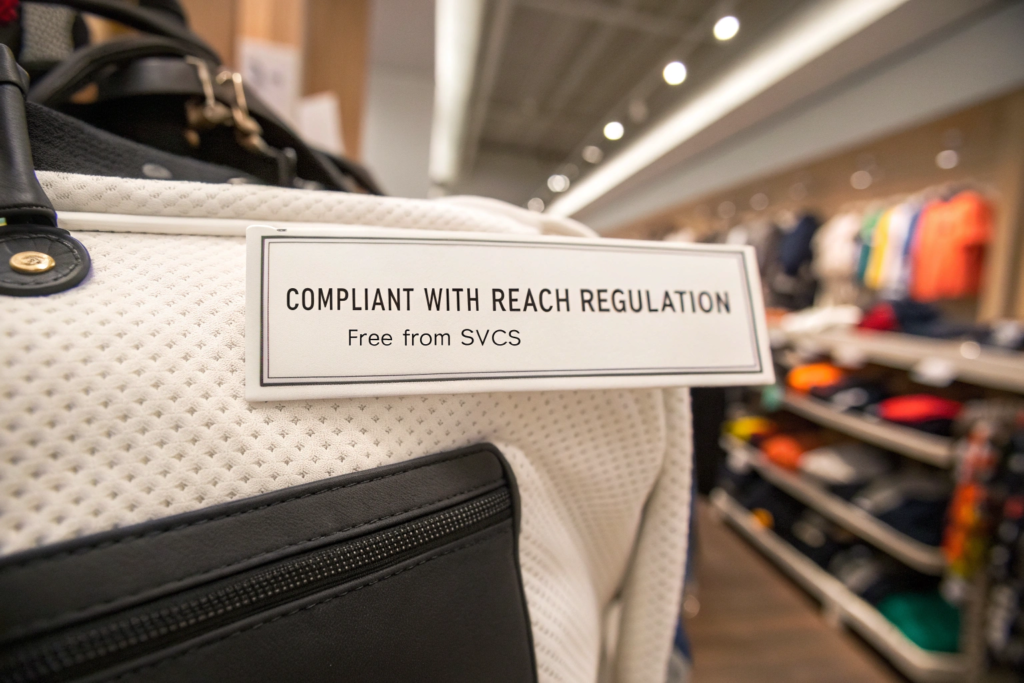
How Do These Regulations Directly Impact Sourcing Decisions?
These laws force a fundamental shift in how brands source. It moves the priority from just cost and aesthetic to compliance-first. A manufacturer cannot be selected solely on sample quality; they must be audited on their chemical management systems. For instance, when Shanghai Fumao produces for European high-end children's brands, our process includes:
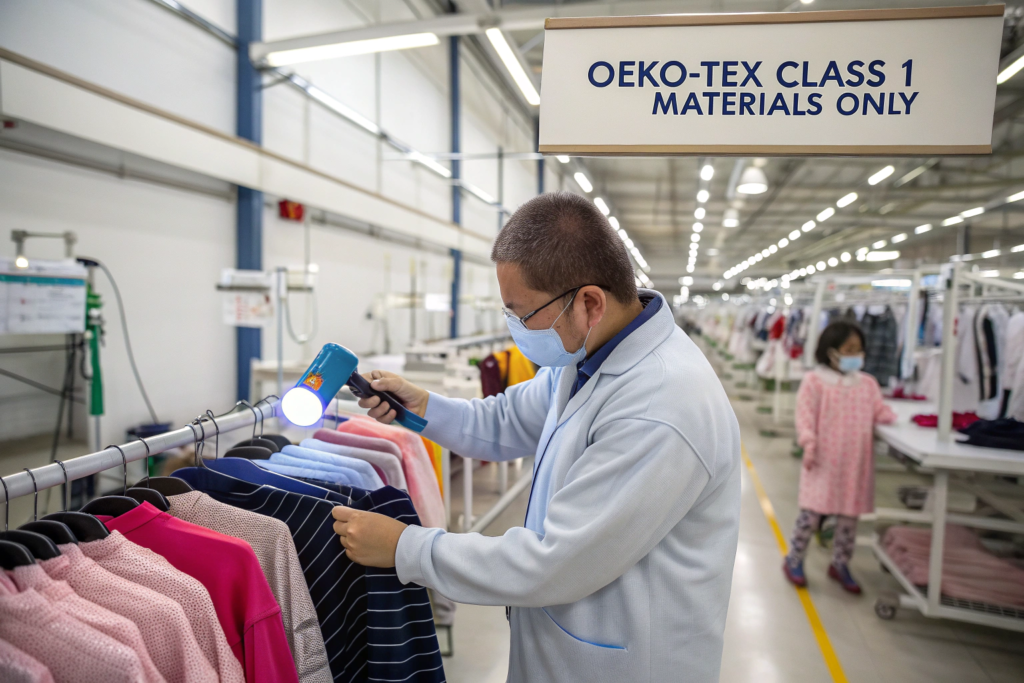
- Mandatory Pre-Qualification: All fabric and trim suppliers must provide valid, batch-specific OEKO-TEX Class I or REACH-compliant test reports.
- In-House Testing: We conduct random spot checks using basic screening kits for parameters like formaldehyde and pH levels, as a first line of defense before sending samples to accredited labs.
- Documentation Trail: We maintain a digital dossier for every order, linking final garments back to the mill's test reports, our own audit reports, and the final certification.
This system was born from necessity. Two years ago, a potential client, a German brand, rejected three other factories before choosing us because we could instantly present this documented workflow for a previous knitwear order, significantly shortening their due diligence process.
What Are the Consequences of Non-Compliance?
The consequences are severe and multi-layered:
- Market Access Denial: Products can be blocked at customs or rejected by retailers before they even hit the shelf.
- Enforced Recalls: National surveillance authorities regularly test products. A failed test leads to a RAPEX (Rapid Alert System) notification, publicly naming the brand and product, and mandating a recall across the EU.
- Reputational Catastrophe: For a high-end brand, being listed on RAPEX for a children's product is a devastating blow to credibility that can take years to recover from, if ever.
- Legal Liability: Brands face lawsuits and significant fines. The responsibility cannot be outsourced to the factory.
The Consumer Mindset: Educated, Expectant, and Empowered
Beyond the laws, the European consumer, particularly in the premium segment, is exceptionally informed and demanding. The concept of "chemical safety" is mainstream knowledge. Parents research, read labels, and understand terms like "OEKO-TEX" and "free from harmful substances." For them, safety is not an optional extra; it is an intrinsic part of the definition of quality.
This mindset transforms fabric safety from a back-end compliance issue into a front-end marketing imperative. High-end brands communicate their safety credentials transparently. It's common to see detailed "Our Standards" pages on brand websites, explaining their testing protocols and certifications. This transparency builds trust and justifies the premium price point. The narrative shifts from "our clothes are beautiful" to "our clothes are beautifully safe."
Furthermore, there is a strong cultural association between natural materials, well-being, and safety. However, savvy consumers know that "organic cotton" only addresses the growing stage. They are equally concerned about the chemicals used in dyeing, printing, and finishing. Therefore, a high-end brand might market a product as "GOTS-certified organic cotton, dyed with OEKO-TEX certified colors." This dual certification addresses both environmental and human-ecological concerns, perfectly aligning with the consumer's holistic values.
How Does This Influence Brand Storytelling and Retail Relationships?
Brand storytelling must integrate safety authentically. It becomes part of the brand's "why." For example, a brand might share the story of selecting a specific mill in Europe known for its closed-loop water system and GOTS/OEKO-TEX dual certification. This story appeals to both the parent's desire for safety and their environmental values.
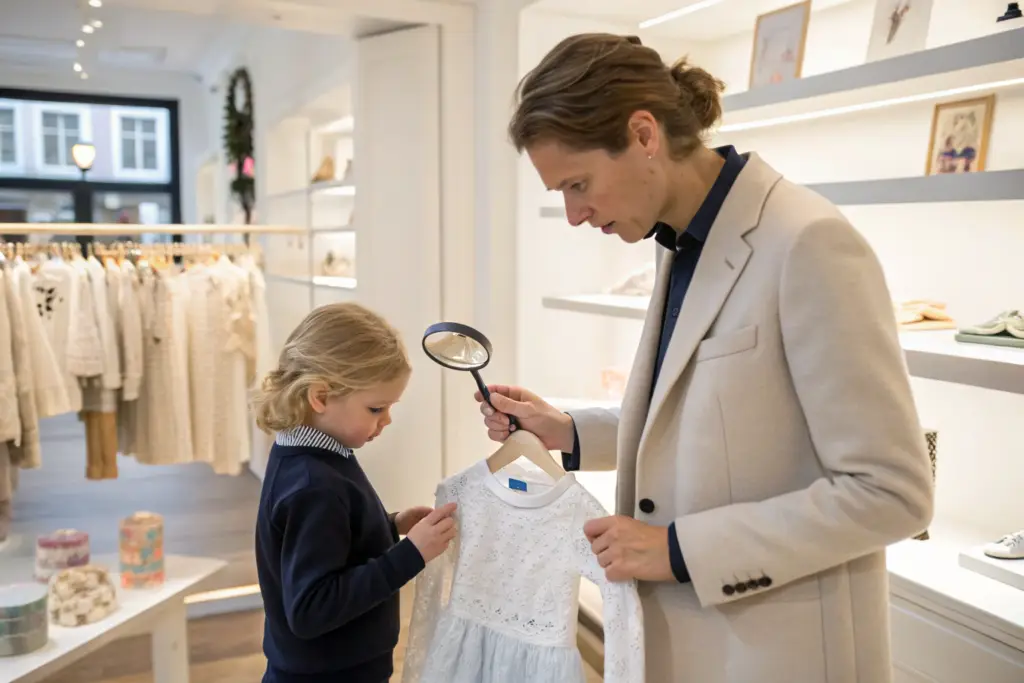
At the retail level, buyers for high-end department stores and boutiques are trained to ask for compliance documentation. Their own reputations are on the line. They act as gatekeepers, only selecting brands that can provide a complete and verifiable safety dossier. Presenting a well-organized folder of test certificates during a buyer meeting is as important as presenting the lookbook. We prepare these dossiers for our clients, ensuring they walk into meetings with confidence.
What is the "Halo Effect" of Safety on Other Quality Perceptions?
Investing in verifiable fabric safety creates a powerful "halo effect." Consumers subconsciously reason that if a brand is so meticulous about invisible chemical safety, they must be equally meticulous about visible quality—stitching, seams, fit, and design. This perception elevates the entire brand. It turns a safety standard into a overarching brand promise of care, diligence, and excellence. A client of ours from Sweden found that after they prominently featured their OEKO-TEX Class I certification, customer reviews increasingly mentioned "exceptional quality" and "trustworthy brand," even though the physical product had not changed.
The Manufacturing Imperative: From Compliance to Culture
Meeting the European standard requires more than just ordering certified fabric. It demands a manufacturing culture where safety is procedural, not provisional. For a factory, this means systemic changes that impact sourcing, production, and quality control.
The first step is supply chain consolidation and elevation. A factory serving the European high-end market must work with a vetted network of mills and trim suppliers who consistently deliver compliant materials. This often means moving away from the cheapest suppliers to more specialized, often more expensive, partners who understand the compliance paperwork and batch-tracking requirements. At Shanghai Fumao, we have cultivated a shortlist of trusted knitters and weavers whose facilities we have audited specifically for their chemical management processes relevant to children's wear.
Internally, production must be organized to prevent cross-contamination. This means:
- Segregated Storage: OEKO-TEX Class I fabrics and components must be stored separately from general inventory.
- Dedicated Production Lines or Runs: Ideally, certified children's wear is produced in dedicated time blocks on cleaned machines to avoid residue from non-compliant fabrics (e.g., a fabric with fluorinated water repellents used in outerwear).
- Staff Training: Workers must understand the importance of handling these materials separately and the role of correct labeling.

What Specific Manufacturing Challenges Arise with Children's Wear?
Children's wear presents unique challenges that amplify safety concerns:
- Small Parts and Trims: Items like buttons, snaps, and drawcords are not only choking hazards but can also contain nickel or lead. Each must be individually certified.
- Prints and Embellishments: The inks and adhesives used in prints, appliqués, and transfers are high-risk for containing phthalates and heavy metals. These require specific testing beyond the base fabric.
- Color Fastness: Beyond toxicity, safety includes durability. Colors must not bleed onto a child's skin or other garments during saliva or sweat exposure (tests like saliva and perspiration fastness are part of OEKO-TEX).
We encountered this with a line of printed toddler pajamas. The initial print paste, while vibrant, failed the phthalate test. We worked with the printer to reformulate using certified pigments and binders, which added a week to the timeline but was non-negotiable for the UK-based brand.
How Does a Factory Demonstrate Its Capability to Brands?
Factories must move from passive to active demonstration. This includes:
- Maintaining a Certification Portfolio: Having valid OEKO-TEX STeP (for sustainable production) or a manufacturing license adds credibility.
- Providing Sample Dossiers: Offering prospective clients a redacted sample of the documentation package they would receive for an order.
- Hosting Virtual Audits: Using video to show segregated storage areas, lab testing facilities (even if simple), and organized chemical inventory records.
This proactive transparency is what distinguishes a true partner from a mere supplier in the eyes of a European brand.
The Competitive Advantage: Turning Safety into Value
In the crowded high-end market, fabric safety, when executed and communicated authentically, becomes a powerful competitive moat. It is a tangible differentiator that is difficult and expensive for competitors to replicate quickly, as it requires rebuilding supply chains and manufacturing cultures.
Brands can leverage this in several ways:
- Price Integrity: The investment in safety testing, certified materials, and compliant manufacturing provides a solid foundation to justify premium pricing. Customers understand that safety has a cost.
- Retailer Preference: Retailers struggling with their own due diligence will prefer and promote brands that make compliance effortless and verifiable.
- Brand Loyalty: When parents find a brand they trust for safety, they become deeply loyal, often purchasing across multiple categories and age groups.
The key is to integrate safety into the core brand identity, not as a tagline. For instance, a brand might name its foundational line "The Pure Collection" and dedicate a section of its website to explaining the science and sourcing behind its safety standards. This builds an educational and trust-based relationship with the consumer.
What is the Role of Emerging Technologies and Trends?
Looking ahead, technologies like blockchain for supply chain transparency are gaining traction. Some high-end brands are beginning to offer digital product passports where consumers can scan a QR code to see the garment's journey and its safety test results. This represents the ultimate evolution of fabric safety concern—moving from a label to a live, accessible data trail.
Furthermore, the trend towards "slow fashion" and durability aligns perfectly with safety. A safe, high-quality garment is designed to last, be passed down, and withstand numerous washes without degrading chemically or physically. This holistic view of longevity is the final piece of the puzzle for the European high-end consumer.
Conclusion
Fabric safety is the top concern for high-end children's wear in Europe because it sits at the intersection of unwavering regulation, profound cultural values, and sophisticated consumer demand. It is a comprehensive ecosystem where legal mandates, manufacturing rigor, and brand storytelling converge to create a market where only the most diligent thrive. For brands, it is not a barrier but the very architecture upon which trust, value, and longevity are built.
Navigating this landscape requires a partner who views safety as a culture, not a certificate. It demands a supply chain built on transparency and a commitment to exceeding standards at every step.
Is your brand ready to meet the exacting fabric safety standards of the European high-end children's wear market? Partner with Shanghai Fumao, where our manufacturing processes are built around the principles of compliance, documentation, and proactive risk management. Contact our Business Director, Elaine, at elaine@fumaoclothing.com to develop a collection that embodies safety, quality, and style. Visit Shanghai Fumao to learn how we help brands build trust that transcends borders.