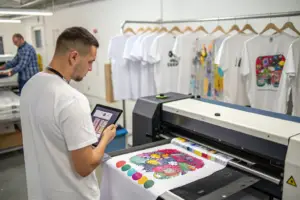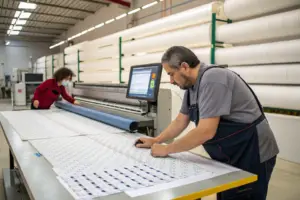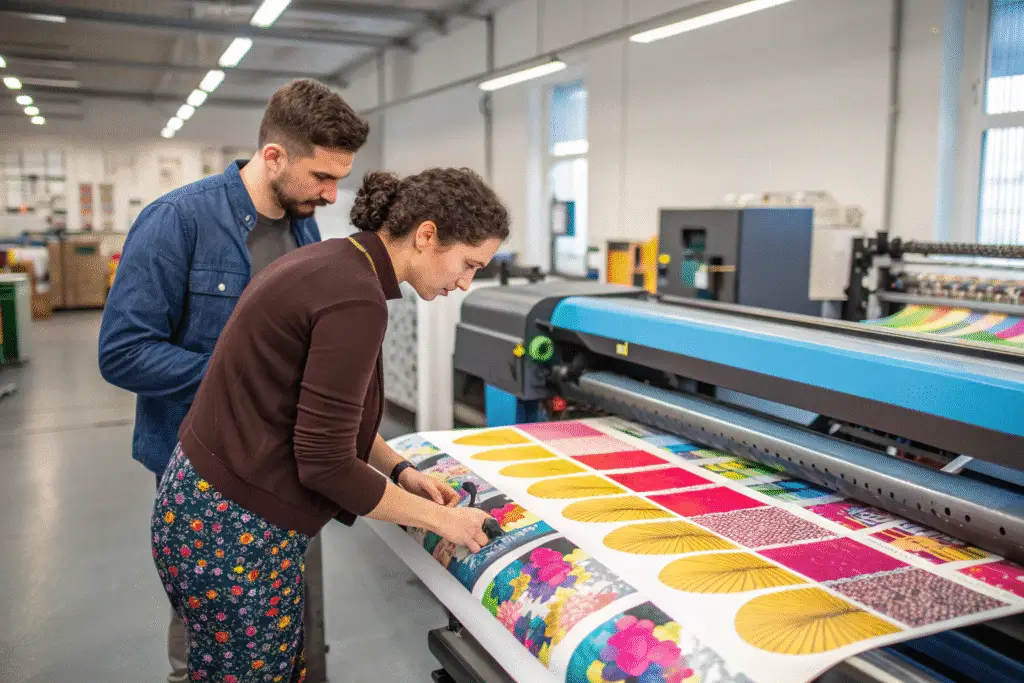
In the fast-paced fashion industry, speed, flexibility, and customization are becoming as important as quality. Traditional fabric printing methods like screen printing have long dominated, but in recent years, digital textile printing has emerged as a powerful alternative. From small-batch fashion brands to large-scale apparel manufacturers, more players are making the switch.
Digital textile printing is gaining popularity because it offers unmatched design flexibility, faster turnaround times, and reduced environmental impact—while still maintaining excellent print quality. In a market driven by fast fashion trends and personalized products, this technology is reshaping how fabrics are designed and produced.
Let’s explore the main reasons behind this rapid growth.
Unlimited Design Flexibility
Digital printing allows for complex, vibrant designs that traditional methods struggle to achieve.
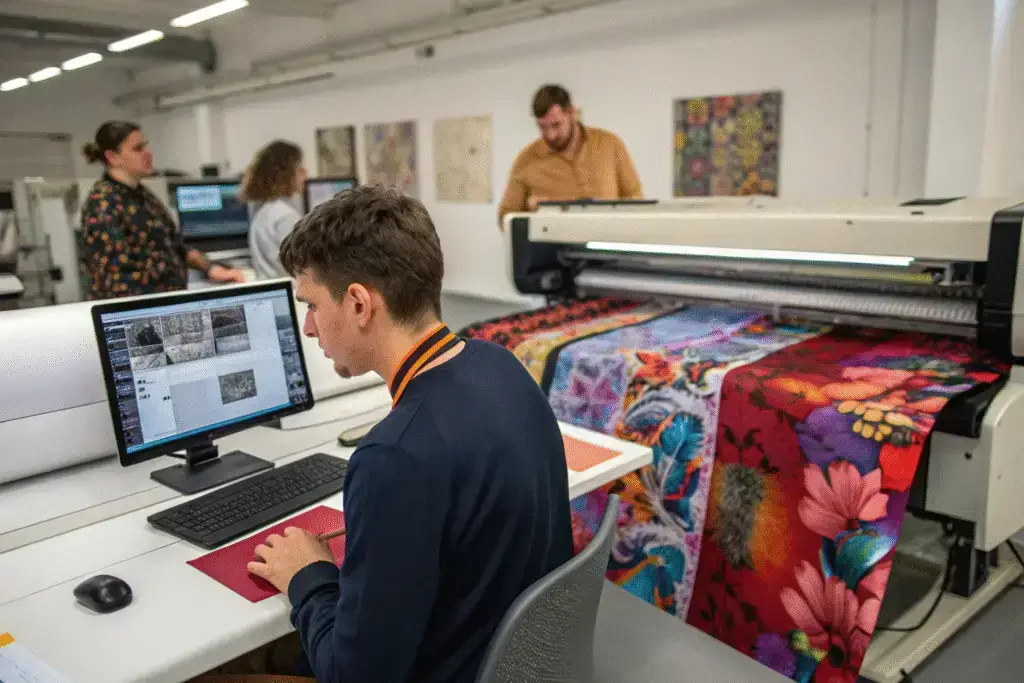
How does it expand creative possibilities?
Unlike screen printing, which requires separate screens for each color, digital printing can reproduce millions of colors and intricate details in a single pass. Designers can easily test and tweak patterns before production, enabling rapid prototyping.
Why is this important for fashion brands?
It allows brands to respond to micro-trends quickly, creating fresh designs without the long setup times of conventional printing.
Faster Turnaround And On-Demand Production
With digital printing, production can start almost immediately after a design is finalized.
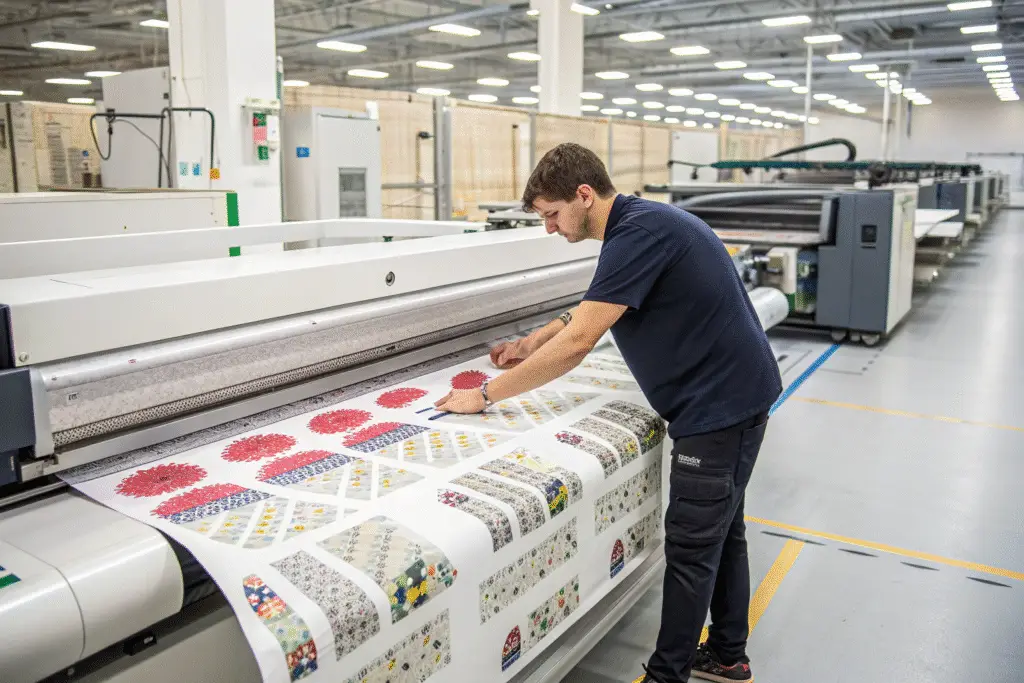
How does it speed up the process?
No lengthy plate-making or setup is required. Once the design file is ready, printing can begin, making it ideal for on-demand manufacturing.
What does this mean for inventory management?
Brands can produce smaller quantities as needed, reducing overproduction and the costs associated with storing unsold stock.
Lower Environmental Impact
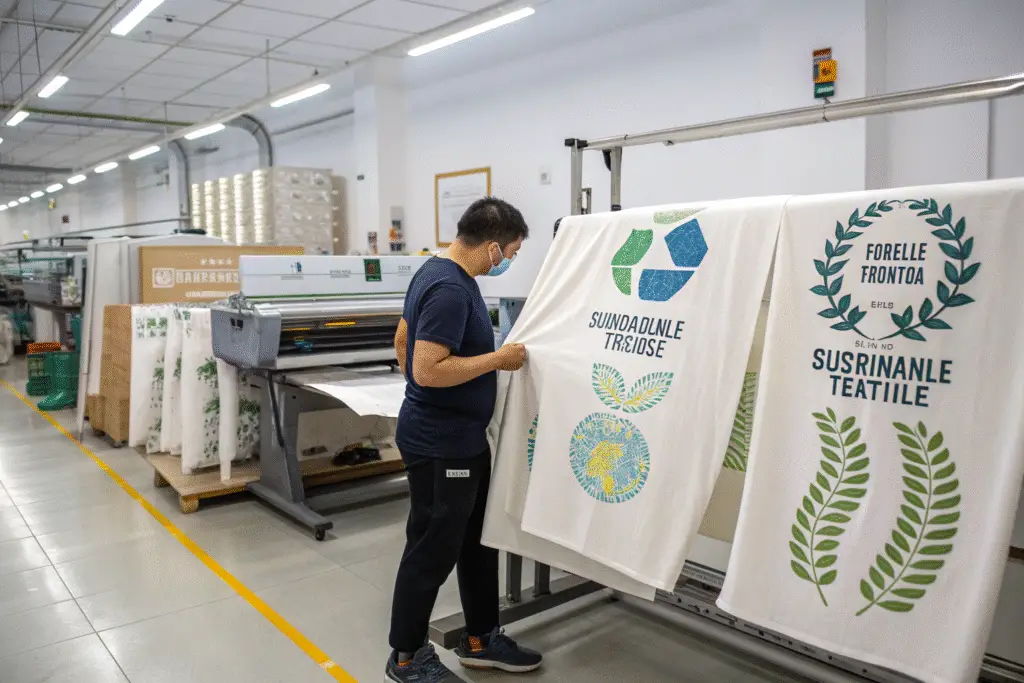
Sustainability is a driving force in the fashion industry, and digital printing aligns with these goals.
Why is it greener than traditional methods?
Digital printing uses less water, fewer chemicals, and generates less waste compared to screen printing. Many systems are compatible with eco-friendly inks, further reducing environmental impact.
How do brands benefit?
Eco-conscious consumers increasingly prefer brands with sustainable production methods, making this a competitive advantage.
Cost Efficiency For Small And Large Orders
Digital printing is cost-effective for both small custom runs and larger orders.

How does it reduce costs?
There are no setup fees for screens or plates, and shorter production runs don’t result in significantly higher per-unit costs. This makes it viable for personalized orders and niche collections.
Can it compete with bulk traditional printing?
For extremely large runs, screen printing may still be cheaper per unit. However, the flexibility and reduced risk of overproduction often outweigh minor cost differences.
Conclusion
Digital textile printing is rising in popularity because it combines creativity, speed, sustainability, and cost efficiency. As consumer demand shifts toward customization and eco-friendly fashion, this technology will continue to replace traditional methods in many applications.
At Shanghai Fumao, we integrate digital printing into our manufacturing to deliver vibrant, high-quality fabrics that meet modern market demands. To discuss how we can help you create your next collection with cutting-edge printing, contact our Business Director Elaine at elaine@fumaoclothing.com.