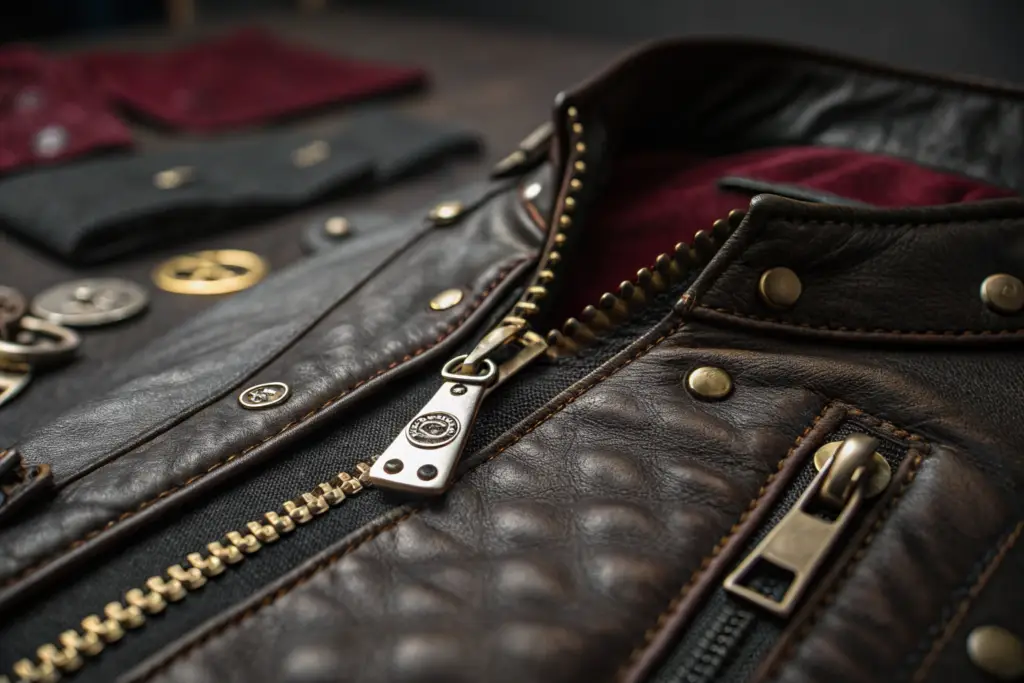
You have a jacket. It is made from beautiful Italian leather. The stitching is perfect. The fit is impeccable. You put it next to a competitor's jacket. They look similar. The quality feels similar. But their jacket sells for $200 more. You wonder why. You look closer. You see their zipper pull has a small, elegant logo. Their buttons are not standard. They have a unique shape. The rivets have a special finish. These are small details. But they change everything. They signal that this is not just a jacket. This is a brand.
Custom hardware is a game changer for high-end apparel brands because it transforms a garment from a commodity into a branded statement. Standard hardware tells the customer you bought components off a shelf. Custom hardware tells the customer you designed every detail. It creates visual distinction at the point of sale. It reinforces brand identity every time the garment is worn. It justifies a premium price. And it makes counterfeiting significantly harder. For luxury and high-end brands, custom hardware is not an expense. It is an investment in brand equity.
I have run a clothing factory for over a decade. I have worked with brands at every level. The brands that command premium prices almost always use custom hardware. The brands that compete on price alone almost never do. I have seen the same garment with standard hardware sell for $80 and with custom hardware sell for $180. The difference in production cost is a few dollars. The difference in perceived value is enormous. Custom hardware pays for itself many times over.
How Does Custom Hardware Elevate Brand Perception and Value?
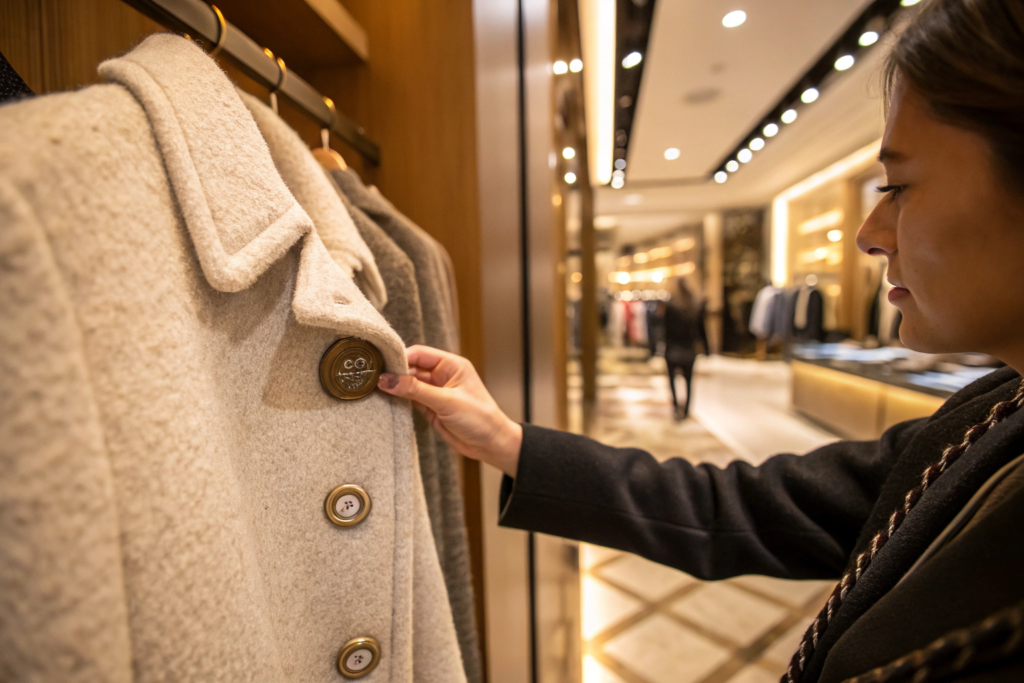
Brand perception is built on details. A customer may not be able to articulate why one brand feels more premium than another. But they feel it. Custom hardware creates that feeling. It signals that the brand cares about every element. It shows that the garment was designed, not just assembled.
Why do customers associate custom hardware with higher quality?
Customers are sophisticated. They have seen thousands of garments. They know what standard components look like. They have seen the same zipper on five different brands. When they see a custom zipper, they notice. They may not know why it looks different. But they know it is different. They assume that if the brand invested in custom hardware, they invested in everything else.
This is called the "halo effect." A positive impression in one area influences the perception of the whole. A beautiful custom button makes the customer assume the fabric is better. It makes them assume the construction is better. It makes them assume the fit is better. They are willing to pay more for that assumption.
I worked with a client in San Francisco who was launching a premium denim line. They were using standard metal buttons and rivets. The jeans were excellent quality. But they were struggling to sell at their target price of $180. We suggested custom hardware. They designed a button with their logo and a unique wash. They designed rivets with a special shape. The cost increase was $1.50 per pair. They raised their price to $220. They sold out. Customers commented on the hardware in reviews. They said it felt "special." The $1.50 investment returned $40 in additional revenue per unit.
Custom hardware also creates a sensory experience. The weight of a custom zipper pull. The coolness of a metal button. The sound of a custom snap closing. These tactile elements create an emotional connection. They make the garment feel substantial. They make it feel worth the price. Standard hardware cannot create that same feeling.
How does custom hardware support brand storytelling?
Every high-end brand has a story. The story is what separates them from competitors. Custom hardware becomes a vehicle for that story. It can reflect the brand's heritage. It can reflect the brand's values. It can reflect the brand's aesthetic.
A heritage brand might use a vintage-style button with an antique finish. The button tells a story of tradition and craftsmanship. A modern minimalist brand might use a seamless magnetic snap with no visible branding. The hardware tells a story of clean design and innovation. A sustainable brand might use hardware made from recycled metals. The hardware tells a story of environmental responsibility.
I remember working with a brand from Portland that made outdoor apparel. Their story was about connection to nature. They designed custom zipper pulls shaped like mountain peaks. They used a muted bronze finish that looked like rock. Every time a customer zipped their jacket, they touched that mountain. It reinforced the brand story. It created an emotional connection. Standard zipper pulls could not do that.
The hardware also appears in your marketing. Close-up photos of custom buttons and zippers make great content. They show attention to detail. They show that your product is special. Customers share these photos on social media. They become part of your brand identity. You cannot create that content with standard hardware.
What Are the Functional Benefits of Custom Hardware Beyond Aesthetics?
Custom hardware is not just about looks. It can improve function. It can improve durability. It can solve problems that standard hardware cannot. For high-end brands, function is as important as form. Customers expect premium products to perform better. Custom hardware helps deliver that performance.
How can custom hardware improve garment durability?
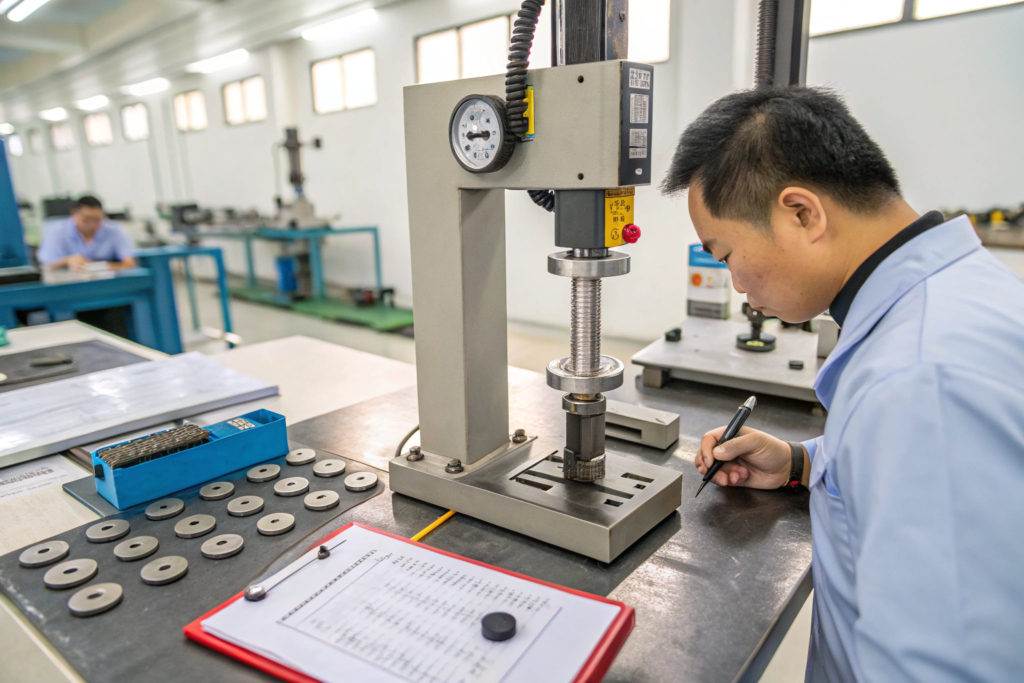
Standard hardware is made to a price point. It is designed to be "good enough" for most applications. Custom hardware can be made to your exact specifications. You can choose stronger materials. You can choose better plating. You can choose reinforced construction. This results in hardware that lasts longer and performs better.
For example, standard zippers use a certain gauge of metal for the teeth. It works for most garments. But if you are making heavy outerwear, you may need a heavier gauge. A custom zipper allows you to specify the exact gauge. You can also specify the type of slider. You can add a locking mechanism that prevents the zipper from slipping. These features improve the user experience. They also reduce returns.
I had a client in Chicago who made workwear for construction workers. Their customers were hard on garments. Standard buttons kept breaking. They came to us for a solution. We developed a custom button made from a stronger alloy. We used a different attachment method that was more secure. The failure rate dropped by 80%. Their customers noticed. They started recommending the brand to other workers. The custom hardware solved a real functional problem.
Custom hardware also allows you to choose better plating. Standard hardware often uses standard plating that can wear off over time. For high-end brands, that is unacceptable. A custom finish can use higher-grade plating that resists scratching and fading. A client in New York wanted gold-toned hardware that would not tarnish. Standard gold plating would wear off within a season. We worked with a hardware supplier to develop a PVD (physical vapor deposition) finish. It was more expensive. But it lasted. Their customers appreciated the quality. The hardware looked new after a year of wear.
How does custom hardware enable unique garment functionality?
Standard hardware limits your design options. You can only use what is available. Custom hardware opens up new possibilities. You can create functionality that does not exist in the market. This can become a signature feature of your brand.
For example, a client in Los Angeles wanted a jacket with a hidden magnetic closure. Standard snaps were not the right look. Standard magnets were not strong enough. We worked with a hardware factory to develop a custom magnetic snap. It was hidden inside the placket. It was strong enough to keep the jacket closed. But it was easy to open. This feature became the signature of their jacket. Customers bought it specifically for that closure. No other brand had it.
Custom hardware can also solve fit problems. A client in Seattle made women's pants. They had a problem with the waistband gaping at the back. Standard button placement did not solve it. We developed a custom side-adjustment buckle. It allowed the wearer to tighten or loosen the waistband. The buckle was branded with their logo. It became a signature detail. It solved a real fit problem. Customers loved it.
Another functional benefit is weight. Standard hardware has standard weight. Custom hardware allows you to choose the weight that matches your garment. A lightweight summer shirt needs lightweight buttons. A heavy winter coat needs substantial hardware that balances the garment. You can specify the exact weight. This improves the drape and feel of the finished garment.
How Does Custom Hardware Protect Your Brand from Counterfeiting?
Counterfeiting is a massive problem for high-end brands. Knockoffs erode your brand value. They steal your sales. They damage your reputation. Custom hardware is one of the most effective defenses against counterfeiting. It makes your products much harder to copy.
Why is custom hardware difficult for counterfeiters to replicate?
Counterfeiters operate on volume. They want to make as many knockoffs as possible as cheaply as possible. They use standard components. They do not invest in custom tooling. Custom hardware requires custom molds. Each mold costs thousands of dollars. Counterfeiters will not pay that for a single style. It is not worth it to them.
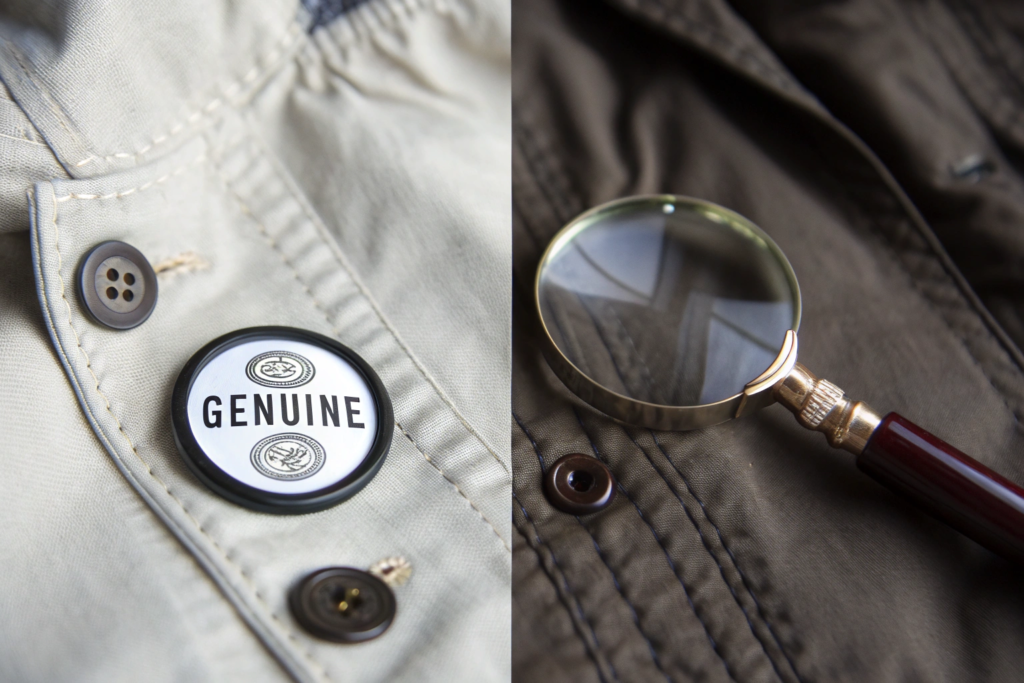
Even if counterfeiters try to copy custom hardware, the quality is usually poor. The logo will be blurry. The finish will be off. The weight will be wrong. The metal will be cheap. Customers who know your brand can spot the difference. They can tell a real product from a fake just by looking at the hardware.
I worked with a luxury handbag brand from New York. They had a serious counterfeiting problem. Knockoffs of their bags were everywhere. We helped them develop a custom zipper pull with a very intricate logo design. The design required a complex mold. It required a special plating process. The counterfeiters tried to copy it. They could not. The fake zipper pulls looked obviously wrong. Customers started using the zipper pull as a quick way to verify authenticity. The counterfeiting problem decreased significantly.
Custom hardware also allows you to add hidden authentication features. You can include micro-engraving. You can include unique serial numbers. You can use materials that are hard to source. These features are invisible to the average customer. But they are valuable for authentication. If there is a dispute, you can verify the hardware.
How does custom hardware support your brand's legal protection?
Trademark protection is stronger when your mark appears on the product. A logo on a zipper pull is evidence of your trademark use. It makes it easier to take legal action against counterfeiters. It shows that you have invested in protecting your brand.
Custom hardware can also be patented. If you develop a truly unique closure mechanism, you can file for a design patent. This gives you legal exclusivity. Competitors cannot copy that feature. This creates a durable competitive advantage.
A client in Boston developed a custom button with a unique locking mechanism. They filed for a patent. No other brand could use that button. It became their signature. Customers knew that button meant the product was genuine. It also meant the product was different from anything else on the market. The patent protected their investment in the custom hardware.
You should work with your hardware supplier to document the tooling. The molds for your custom hardware are valuable assets. You should own them. You should have a written agreement that the molds are your property. This prevents the factory from using your hardware for other customers. It prevents them from selling your hardware to counterfeiters.
How to Successfully Develop and Source Custom Hardware?
Developing custom hardware is a process. It takes time. It takes coordination. But the results are worth it. You need to work with the right partners. You need to plan ahead. You need to be clear about your requirements.
What is the process for designing and sampling custom hardware?
The process starts with your design. You need a clear idea of what you want. You can sketch it. You can provide a reference image. You need to specify the material. Brass, zinc alloy, stainless steel, and aluminum are common. Each has different properties. Brass is heavy and feels premium. Zinc alloy is good for complex shapes. Stainless steel is very durable. Aluminum is lightweight.
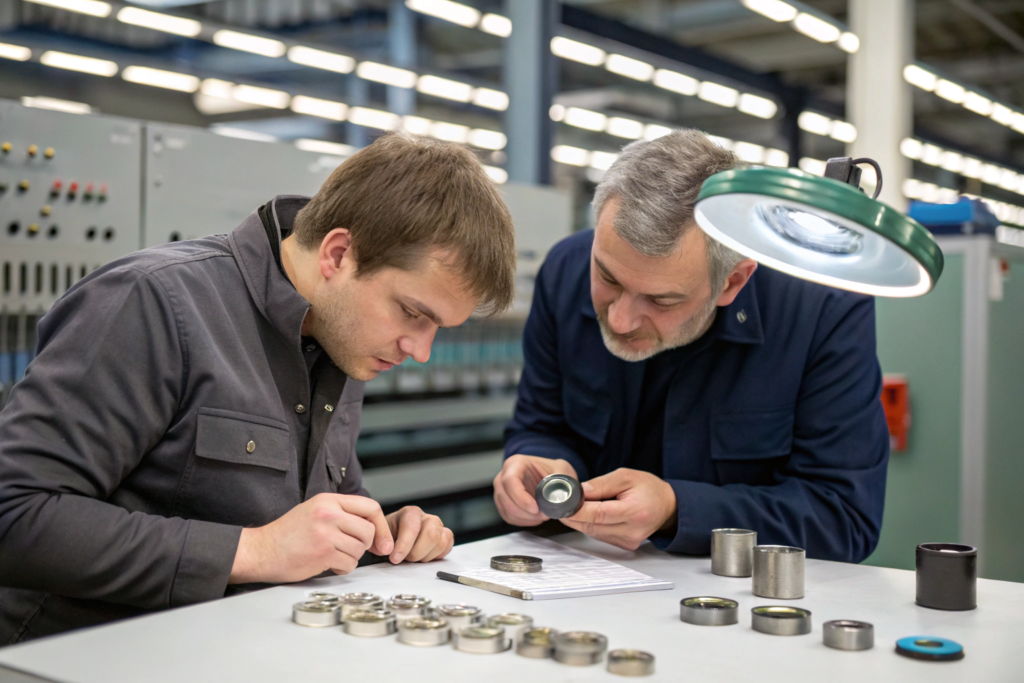
Next, you work with a hardware factory to create a 3D model. They use CAD software to design the mold. You approve the model. Then they make a sample. This is usually a resin or wax sample. It allows you to see the shape and size. You can approve it or request changes.
Once the shape is approved, they make a steel mold. This is the expensive part. A mold can cost $500 to $5000 depending on complexity. The mold is used to cast the metal parts. You will have samples from the mold. You need to approve the finish, the plating, and the function.
The entire process takes 4 to 8 weeks. You need to plan for this in your development timeline. You cannot decide on custom hardware at the last minute. It must be part of your product development schedule.
We helped a client in Miami develop custom zipper pulls for their swimwear line. They wanted a small, wave-shaped pull. We worked with our hardware supplier. We went through three rounds of samples. The first was too small. The second had a rough finish. The third was perfect. The whole process took 6 weeks. They ordered 10,000 pulls. The cost per pull was $0.40. That was higher than standard pulls. But the swimwear sold for $40 more than their previous line. The investment paid off.
What should I consider when selecting a hardware supplier?
Not all hardware suppliers are equal. You need a supplier that specializes in custom work. Many suppliers only do standard hardware. They do not have the capability to make custom molds. You need to ask. You need to see their portfolio.
You should look for suppliers with experience in your category. A zipper specialist is different from a button specialist. A metal casting specialist is different from a metal stamping specialist. Choose the right specialist for your component.
Quality is critical. Poor quality hardware will ruin your garment. Ask about their quality control process. Ask about their plating process. Plating that wears off after one wash is unacceptable. Ask about their lead times. Custom hardware takes longer than standard. You need a supplier who can deliver when you need it.
We work with a network of hardware suppliers in China. We have relationships with them. We know their capabilities. We know their quality. When a client wants custom hardware, we bring them into the conversation. We manage the process. We ensure the hardware is delivered on time and meets quality standards.
You should also consider minimum order quantities. Custom hardware requires MOQs. The mold cost is fixed. The per-unit cost comes down with volume. For small quantities, the per-unit cost can be high. You need to decide if the investment is worth it for your volume. For many high-end brands, it is. The brand value justifies the cost.
Conclusion
Custom hardware is not a small detail. It is a strategic investment. It elevates your brand perception. It justifies premium pricing. It improves garment functionality. It protects against counterfeiting. It creates a connection with your customers. It gives you something that no other brand has.
The brands that succeed in the high-end market understand this. They do not cut corners on hardware. They see it as an opportunity. They use it to tell their story. They use it to create distinction. They use it to build loyalty. The cost of custom hardware is small compared to the value it creates.
At Shanghai Fumao, we work with brands that want to elevate their products. We help them source custom hardware. We introduce them to reliable suppliers. We manage the development process. We ensure the hardware is integrated correctly into the garment. We do this because we believe that details matter. We believe that the difference between a good garment and a great garment is often in the details.
If you are ready to take your brand to the next level, we can help you explore custom hardware options. Our Business Director, Elaine, can connect you with our hardware partners. She can walk you through the development process and the costs. You can reach her at elaine@fumaoclothing.com. Let us build something that stands out together.