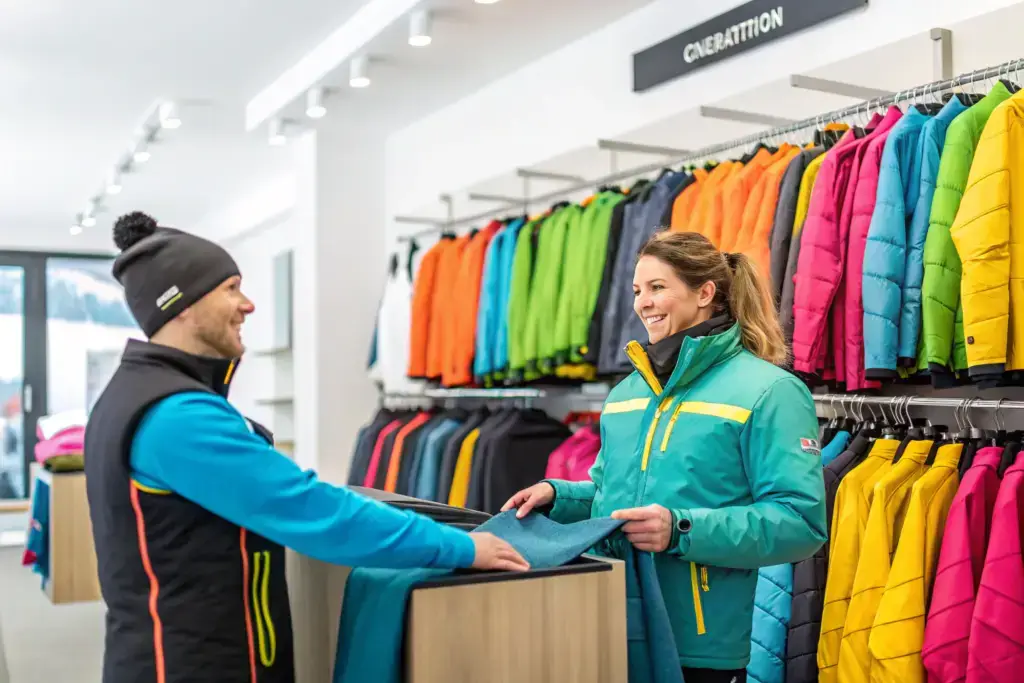
If you're running or sourcing for a ski apparel rental business, your biggest challenges are clear: garments face extreme wear and tear, they need constant cleaning, and you must guarantee safety and satisfaction to a diverse, temporary customer base. In this high-stakes model, a certification like OEKO-TEX isn't just a "nice-to-have" marketing badge; it's a critical operational and financial asset that directly impacts your bottom line. The question isn't why you should consider it, but how you can afford not to.
Certification, particularly OEKO-TEX Standard 100, is a key factor in the ski apparel rental model because it provides a verifiable framework for durability, hygiene, and safety. It directly reduces long-term costs by extending garment lifespan, minimizes liability risks from skin reactions, and builds a powerful trust signal that justifies premium rental rates in a competitive market.
For rental operators, every garment is a revenue-generating asset. Its performance over dozens of rental cycles determines your profitability. From my experience working with rental startups and established outfitters in North America, the difference between certified and non-certified inventory isn't subtle—it's measurable in repair costs, cleaning efficiency, and customer reviews.
How Does OEKO-TEX Certification Extend Garment Lifespan and Reduce Costs?
In rental, a garment's life ends not when it wears out, but when it looks worn out. The two main factors that prematurely "age" rental apparel are color fading (especially from aggressive, frequent washing) and pilling/fabric degradation from abrasion. OEKO-TEX certification mandates rigorous testing for these exact issues.
The standard includes tests for colorfastness to perspiration, saliva, and water, as well as abrasion resistance. Fabrics that pass these tests are engineered to withstand repeated laundering and physical stress far better than non-certified alternatives. This means:
- Colors stay vibrant longer, so your inventory looks newer and more appealing across multiple seasons.
- Fabrics resist pilling and thinning, maintaining a premium hand feel and appearance that customers associate with quality.
- Reduced degradation from sweat and moisture, which are constant in rental gear.
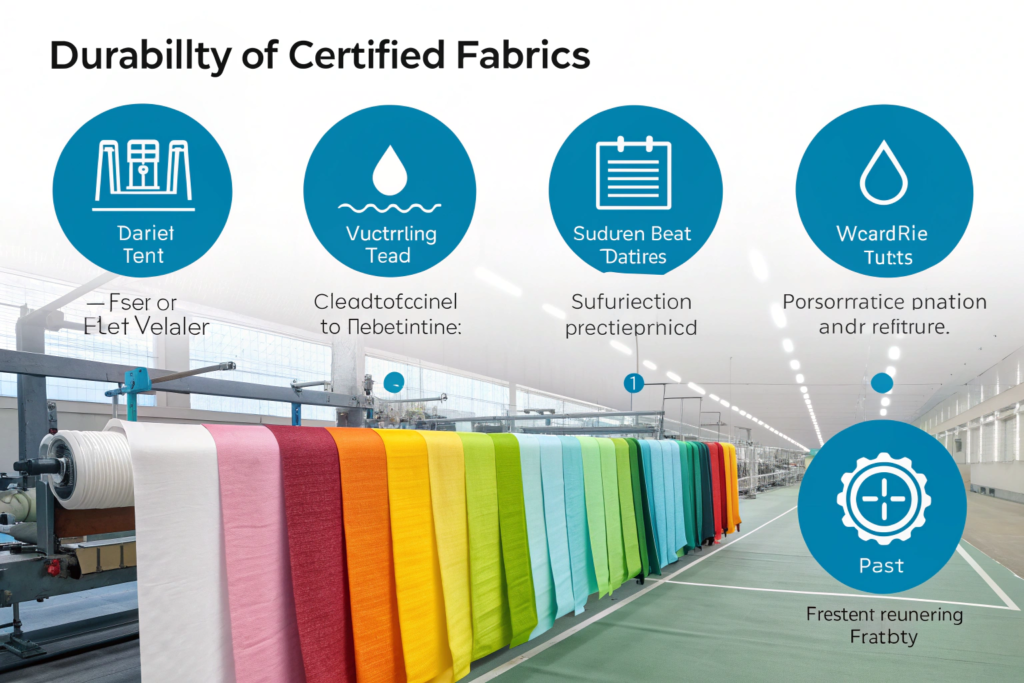
What is the Real Financial Impact on Operational Budgets?
Let's quantify this with a real case. A rental service in Colorado we partnered with switched their mid-tier adult ski jacket inventory to OEKO-TEX certified models. Over two seasons, they tracked key metrics against their old stock:
| Cost Center | Non-Certified Inventory (Old) | OEKO-TEX Certified Inventory (New) | Impact |
|---|---|---|---|
| Average Rental Cycles per Garment | 35-40 cycles | 55-65 cycles | +50%+ lifespan |
| Replacement Rate | 30% per season | 15% per season | 50% reduction in CapEx for replacement |
| Repair & Refurbishment Costs | High (seam tape repairs, frequent de-pilling) | Low (minimal repairs needed) | ~40% savings in maintenance labor |
| Customer Complaints on "Worn Look" | Frequent, leading to discounts | Rare | Higher perceived value, fewer revenue adjustments |
The extended lifespan directly lowers the Cost Per Rental (CPR), which is the fundamental metric for rental profitability. If a jacket costs $100 and lasts 40 rentals, its CPR is $2.50. If a certified jacket costs $110 but lasts 60 rentals, its CPR drops to ~$1.83. That’s a 27% reduction in garment cost per transaction.
How Does This Affect Cleaning and Maintenance Protocols?
Certified fabrics are more robust and colorfast, allowing for more effective and efficient cleaning. You can use commercial-grade laundry processes with greater confidence. There's less worry about colors bleeding or fabrics breaking down. This reliability in the wash cycle is a hidden operational benefit that saves time and reduces uncertainty for your staff.
How Does Certification Mitigate Liability and Hygiene Concerns?
Rental apparel is a shared resource. Customers have legitimate concerns about cleanliness and what might be left on the fabric from previous users—be it microbes, allergens, or chemical residues. OEKO-TEX certification directly addresses these concerns in a way that generic "professionally cleaned" tags cannot.
From a hygiene perspective, the certification’s requirement for pH-balanced fabrics (skin-neutral) and the absence of harmful residues creates a cleaner baseline. While it is not a substitute for washing, it ensures the fabric itself isn't harboring or releasing irritants. This is crucial for items like neck gaiters, balaclavas, and base layers that contact the face and mouth.
From a liability and risk management angle, certification is a form of due diligence. If a customer were to have a severe skin reaction, being able to demonstrate that the garment met an internationally recognized safety standard for human-ecology (OEKO-TEX) is powerful legal and customer service protection. It shifts the narrative from "your cleaning failed" to "we provide independently verified safe products."
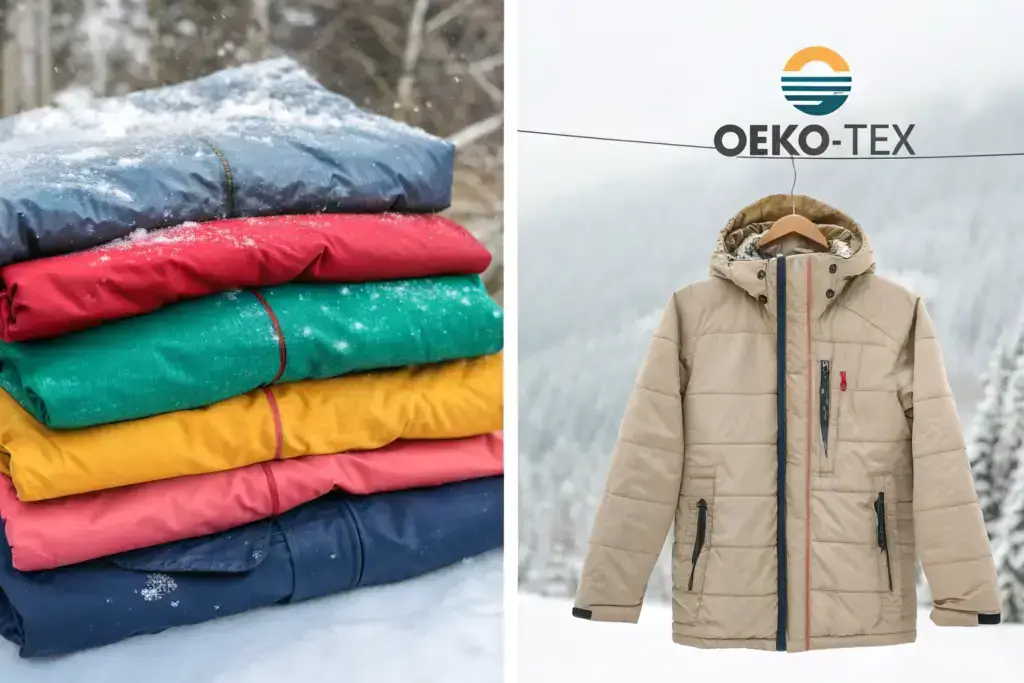
What About Allergies and Sensitive Skin?
This is a major market differentiator. Many families rent gear, and parents are especially cautious about what touches their children's skin. By advertising "OEKO-TEX Certified – Hypoallergenic & Skin-Safe Gear," you tap into a growing demand for trustworthy products. You're not just renting equipment; you're renting peace of mind. One of our clients, a family-focused resort rental shop in Utah, reported that after introducing certified kids' ski suits and prominently marketing this feature, their bookings for children's packages increased by 25%, with parents specifically citing the safety certification as the deciding factor.
How Does This Integrate with Your Cleaning Claims?
Your cleaning process can be marketed as a two-step guarantee: "Professionally Cleaned + Independently Certified Safe." The certification validates the material's inherent safety, while your cleaning process ensures cleanliness for each new user. This dual promise is far stronger than either claim alone and can be a central pillar of your marketing message.
Can Certification Become a Marketing Tool to Justify Premium Pricing?
In a crowded rental market where many shops compete on price, certification offers a clear path to differentiation and value-based pricing. It provides a tangible, explainable reason why your rental rates might be 10-20% higher than the discount shop down the street.
Customers are increasingly making value-based decisions. For a family spending hundreds on a ski trip, an extra $5 per day per person for gear that is guaranteed to be safe, durable, and high-quality is an easy upsell when communicated effectively. You're not selling a commodity; you're selling an experience of confidence and comfort.
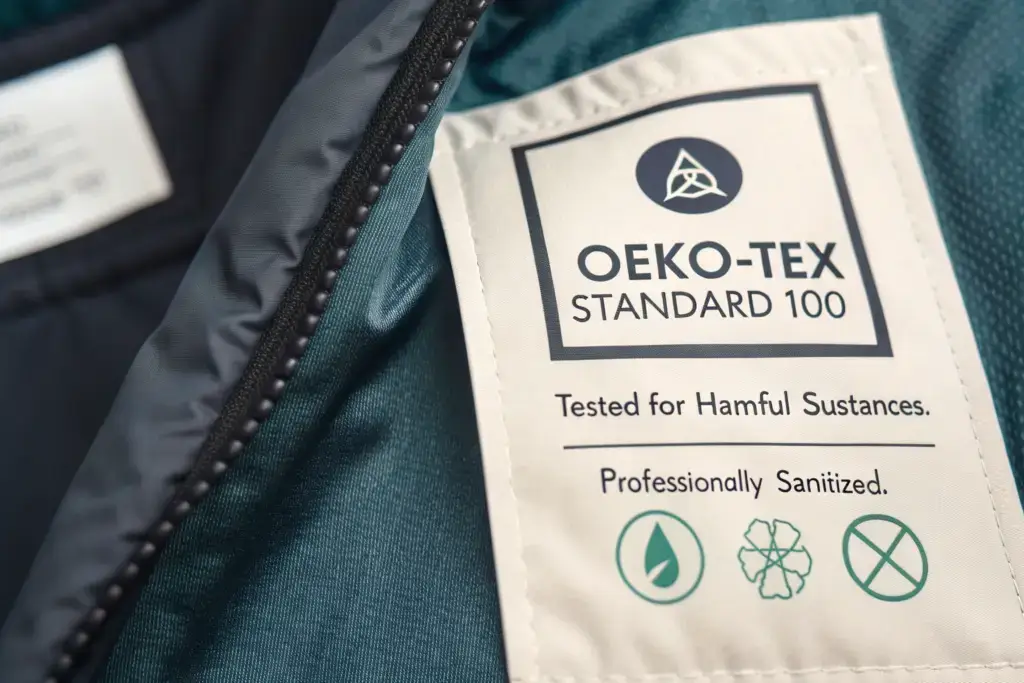
How to Communicate This Value to Customers?
Your messaging must be benefit-driven at every touchpoint:
- Website & Booking Engine: "Rent with Confidence. Our premium fleet features OEKO-TEX certified apparel—independently tested for skin safety and superior durability."
- In-Store Signage: "Why Our Gear Feels Better & Lasts Longer: Ask us about our OEKO-TEX certification."
- Staff Training: Train your front-line staff to mention the certification as a key benefit during the fitting. A simple script: "You'll notice all our jackets and pants are OEKO-TEX certified. That means they're tested to be free from irritants—great for sensitive skin—and they hold up wash after wash, so you're getting gear that looks and feels new."
- Social Proof: Encourage reviews that mention the quality and comfort of the gear. Feature these in your marketing.
What is the Competitive Advantage for B2B Rental Partnerships?
The advantage extends beyond direct-to-consumer rentals. If you supply gear to hotels, resorts, or corporate event planners, certification becomes a major B2B selling point. Resort managers don't want guest complaints about itchy ski suits or gear that falls apart mid-season. Offering them certified inventory reduces their operational headaches and enhances their guest experience. It positions you as a premium, reliable supplier, not just a cost vendor. We've seen rental companies use their certified inventory as a key lever to win exclusive resort contracts.
How to Source and Manage Certified Inventory for Rental?
Implementing a certified rental fleet requires a strategic partnership with your manufacturer. You need garments built not just for retail, but for the rigors of rental—with certification as a core feature.
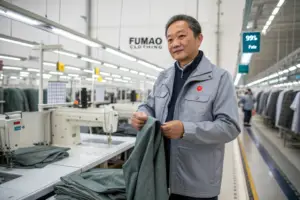
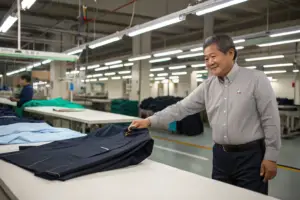
1. Design for Rental Durability: Work with your manufacturer to reinforce high-stress areas (cuffs, seams, zipper garages) on certified fabrics. At Shanghai Fumao, we have developed rental-specific construction techniques, such as using heavier-duty, certified thread and bar-tacking stress points, that complement the inherent durability of OEKO-TEX fabrics.
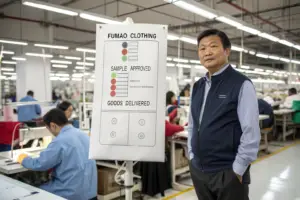
2. Secure Full-Package Documentation: For liability and marketing, you need the certificates. Ensure your manufacturer provides the OEKO-TEX license numbers and test reports for each style. This is your proof. We provide a digital "rental partner pack" with all documents, high-res logos, and even suggested marketing copy.
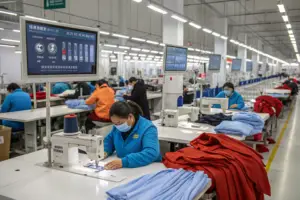
3. Implement Smart Inventory Tracking: Use RFID tags or robust barcode systems to track the lifecycle of each certified garment. Monitor the number of washes and repairs. This data is gold—it will prove the extended lifespan to your own finance team and help you forecast replacement budgets accurately. Our clients who track this data consistently report that certified items achieve 50-70% more rental cycles before retirement.
4. Plan Your Phased Rollout: You don't need to replace everything at once. Start with your highest-turnover or most sensitive items: children's kits and premium adult base layers or jackets. Measure the performance, build your customer feedback, and then expand. This controlled approach de-risks the investment.

What Questions Should You Ask Your Manufacturing Partner?
- "Can you develop rental-specific, OEKO-TEX certified apparel with reinforced construction?"
- "What is the cost premium for certified versus non-certified rental-grade fabric, and what is the expected lifespan difference?"
- "Can you provide full certification documentation and support for our marketing?"
- "Do you have experience serving other rental businesses? Can you share anonymized insights on garment performance?"
A manufacturer experienced in the rental model, like us at Shanghai Fumao Clothing, will already have these answers and can act as a strategic advisor, not just a producer.
Conclusion
For the ski apparel rental business, OEKO-TEX certification is far more than an ethical choice—it's a strategic business decision with a clear ROI. It is a powerful tool that simultaneously extends asset lifespan (reducing costs), mitigates operational and liability risks, and creates a compelling marketing story that drives customer preference and premium pricing.
In an industry where customer trust and asset durability are currency, certification provides the verified backbone for both. It transforms your inventory from a depreciating cost into a resilient, value-driven asset that pays for itself over many more happy customers.
Building this competitive advantage requires a manufacturing partner who understands the unique demands of the rental cycle. If you are looking to build or upgrade your rental fleet with certified, durable, and market-ready apparel, let's discuss how we can engineer success together. At Shanghai Fumao, we specialize in creating high-performance apparel that stands up to real-world use—and rental is the ultimate test. Contact our Business Director Elaine to explore building your certified rental line: elaine@fumaoclothing.com.