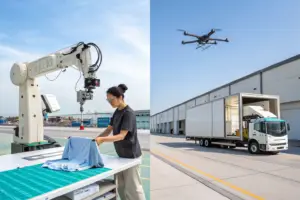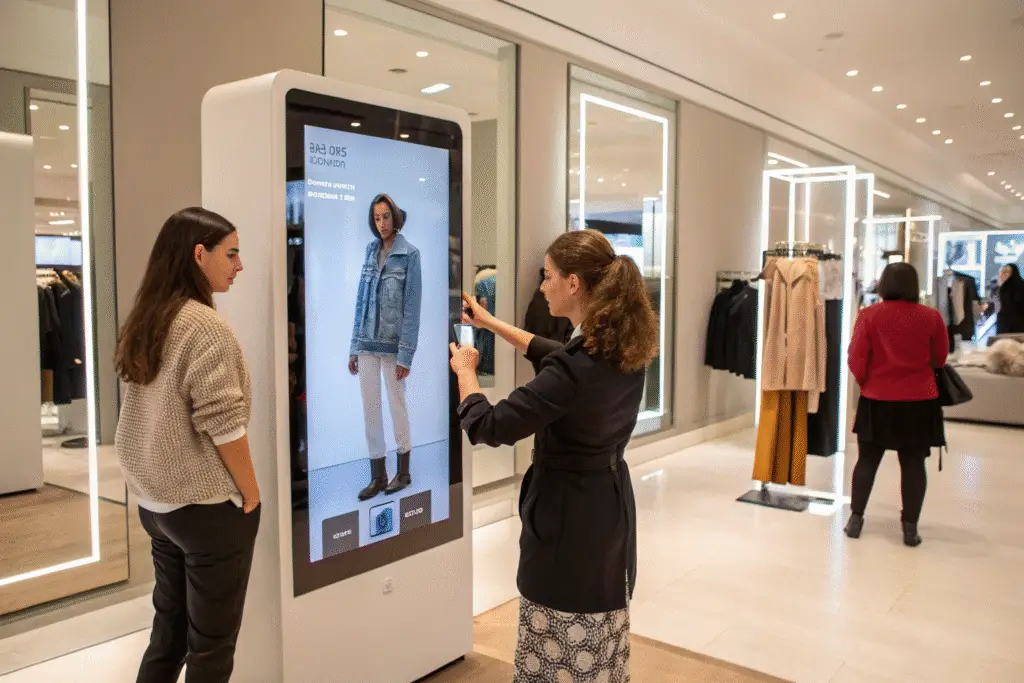
Augmented Reality (AR) fitting rooms are no longer an experimental retail feature; they are becoming a strategic pillar in apparel digitalization and omnichannel retail ecosystems. Traditional fitting rooms generate inefficiencies—limited throughput, hygiene concerns, and reliance on physical samples. In contrast, AR fitting rooms leverage 3D garment simulation, AI-based fit engines, and body-scanning technologies to deliver scalable virtual try-on solutions both in-store and online.
The rapid adoption is driven by consumer demand for frictionless shopping, retailers’ focus on reducing return logistics, and the integration of AR with enterprise systems (ERP, PLM, CRM) that enable data-driven personalization.
How Do AR Fitting Rooms Elevate Consumer Experience?
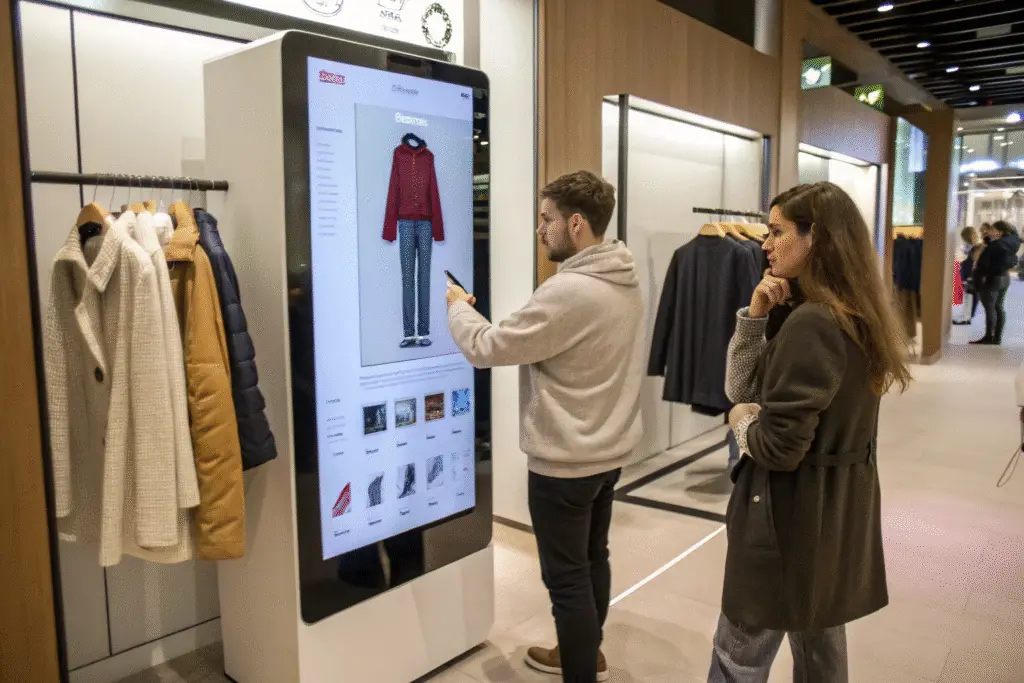
From an experiential standpoint, AR fitting rooms offer personalized garment visualization without physical trial dependency. Customers interact with digital garments in multiple SKUs, colors, and sizes instantly.
This not only enhances product discovery but also increases conversion by building confidence in purchase decisions.
Why Is Engagement Higher with AR?
Business Insider indicates that over 70% of consumers are more inclined to buy from retailers offering AR features. Virtual try-on minimizes decision friction and creates longer dwell time, a critical retail KPI.
How Does It Drive Conversion Metrics?
Statista reports that retailers using AR fitting systems observe measurable uplifts in conversion rates and basket size, as consumers are exposed to cross-selling opportunities during virtual try-on.
How Do AR Systems Mitigate Return Logistics?
Returns—primarily due to size and fit mismatches—remain a structural cost center in apparel retail.
AR fitting rooms integrated with body measurement capture and AI-driven size recommendation engines lower return ratios by aligning consumer expectations with actual product fit.

How Accurate Are Fit Predictions?
Platforms integrating parametric 3D avatars and AI algorithms, such as Perfect Corp, improve predictive accuracy of sizing. This reduces variance in fit-related returns by up to 25%.
What Is the Financial Impact?
Forbes notes that major retailers implementing AR fit technologies save millions annually in reverse logistics, warehouse processing, and unsellable stock disposal.
Why Is AR Adoption Linked to Brand Differentiation?
In saturated retail markets, differentiation is a competitive imperative.
AR fitting rooms enable retailers to integrate digital storytelling into physical retail, creating a brand perception of innovation and customer-centricity.
How Does AR Support Omnichannel Consistency?
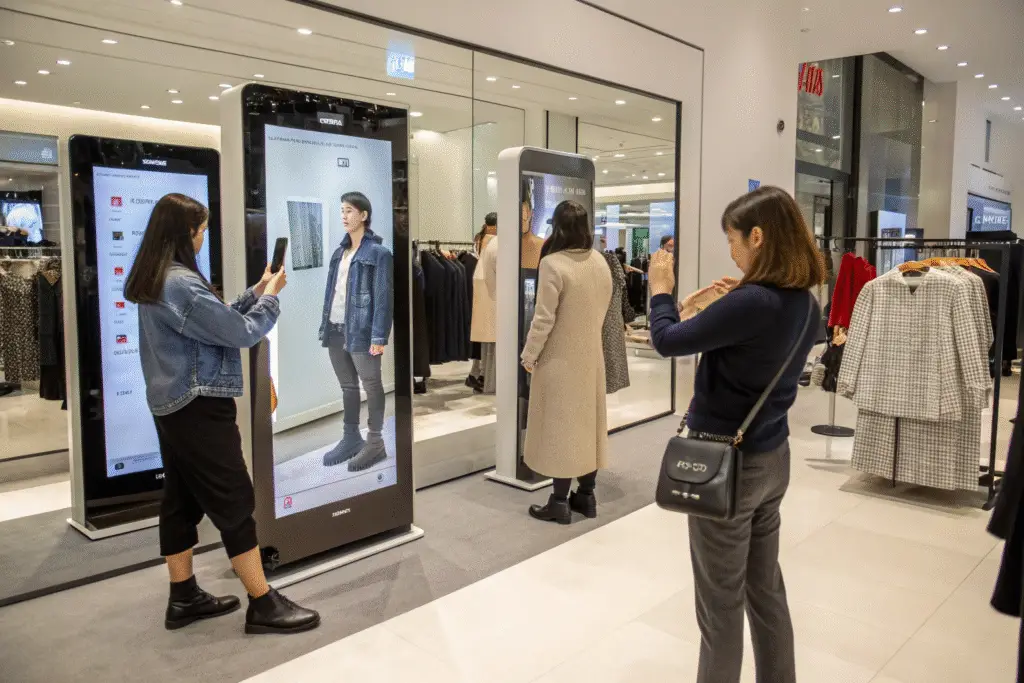
McKinsey emphasizes AR as a key enabler of seamless consumer journeys, linking in-store trials with e-commerce platforms through shared wish lists, digital closets, and data-synced recommendations.
Why Target Younger Demographics?
Accenture highlights that Gen Z and Millennials show the highest adoption intent. For retailers, AR integration is not optional—it is essential to remain relevant in a demographic driving digital-first purchasing.
What Technologies Are Driving Scalability of AR Fitting Rooms?
The scalability of AR fitting rooms relies on high-fidelity 3D garment simulation, real-time rendering engines, and AI-powered analytics platforms.
Enterprise adoption is accelerated by interoperability with PLM (Product Lifecycle Management), ERP, and CRM systems—allowing consistent data flow across sourcing, merchandising, and retail operations.

Which Vendors Are Leading Innovation?
Providers like Zyler, Fits.Me, and FXMirror are scaling AR fitting room deployment with SaaS models. Their platforms integrate personalization algorithms with retail analytics.
How Does Data Integration Add Value?
PwC underscores that AR-generated consumer data—fit preferences, style interactions, and SKU engagement—feeds back into predictive analytics, enhancing both inventory optimization and product development roadmaps.
Conclusion
The accelerated growth of AR fitting rooms stems from their ability to improve consumer experience, cut return logistics, differentiate brand positioning, and integrate with enterprise data systems. For apparel retailers, AR is no longer experimental—it is an operational enabler that aligns with both revenue and ESG objectives.
At Shanghai Fumao Clothing, we monitor AR adoption trends to align our manufacturing services with retailers investing in digital-first strategies. For buyers seeking production partners who understand the intersection of apparel manufacturing and retail technology, contact our Business Director, Elaine, at elaine@fumaoclothing.com.