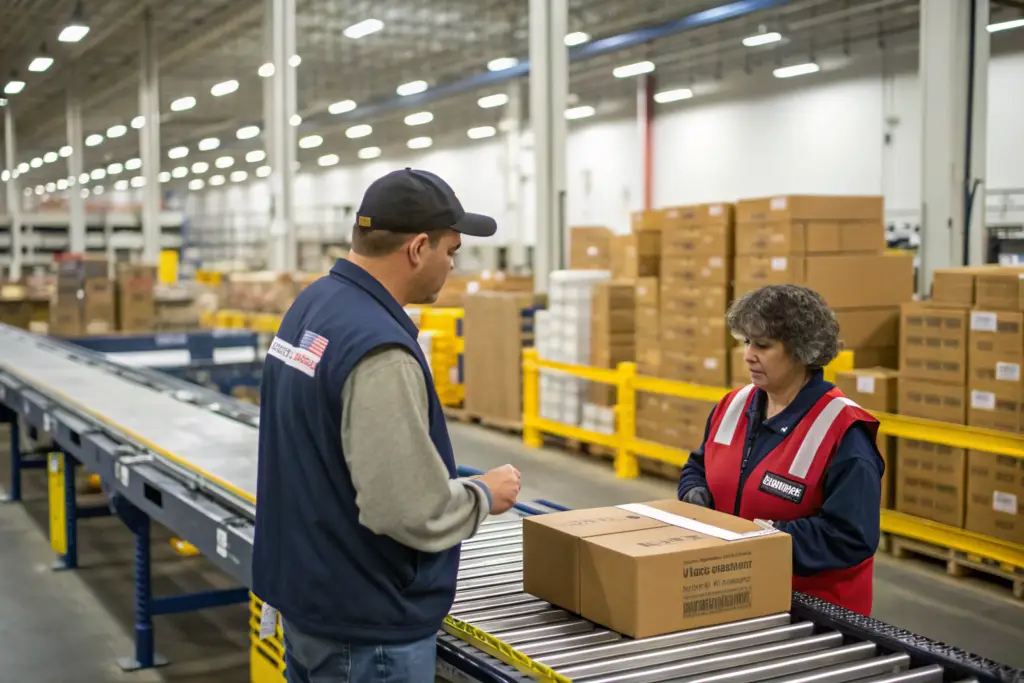
When you’re sourcing apparel, you might think all factories with export licenses are the same. But there’s a critical differentiator: direct experience supplying major, nationwide retailers in the United States. This isn't just about production volume; it's about understanding the unspoken rules, rigorous standards, and complex operational rhythms of the American mass market. So, why should this specific experience matter to your brand, whether you're an established label or an ambitious startup? It matters because that experience de-risks your entire supply chain and elevates your product's market readiness.
A manufacturer's firsthand experience with nationwide US retailers is invaluable because it provides a proven blueprint for meeting extreme demands in quality consistency, compliance, logistical complexity, and ethical production. This experience translates into fewer errors, faster problem-solving, and a product that inherently meets the high bar set by the American consumer.
Choosing a partner without this background is like navigating a new highway without a map. You might get there, but the journey will be slower and riskier. Let's break down exactly how this experience directly benefits your business, beyond just making clothes.
How does this experience guarantee higher and more consistent quality?
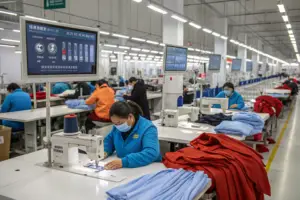
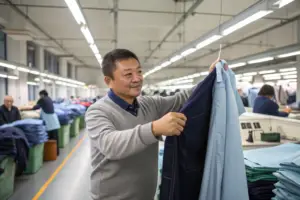
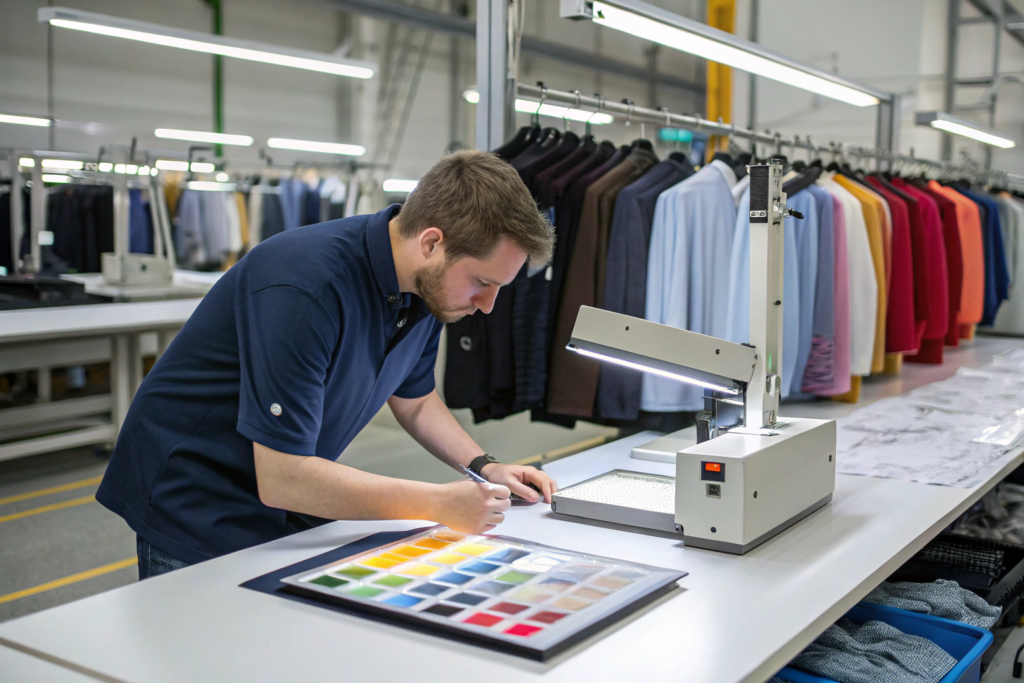
Supplying to a national retailer like Target, Walmart, or a major department store chain is a masterclass in quality at scale. These retailers have some of the most stringent and documented quality control protocols in the world, often exceeding standard industry norms. A factory that consistently passes their audits has systems ingrained at every level. For instance, it's not just about checking a few samples. It's about statistical process control, where every production batch is measured against precise tolerances for stitching, color fastness, seam strength, and fabric weight. There is no room for the "acceptable variance" that smaller buyers might tolerate.
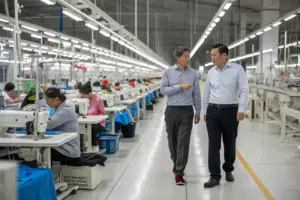
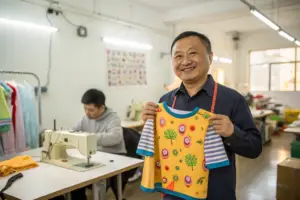
We learned this the hard way early on. Before we landed our first major retail partner, we thought our quality was top-tier. Their initial audit revealed over 50 non-conformities we hadn't even considered—from the exact spacing of care label stitches to the allowable shade deviation under specific lighting. Implementing their standards across our 5 production lines was transformative. Now, when a boutique brand or a startup partners with Shanghai Fumao, they automatically inherit this battle-tested quality infrastructure. Last fall, a mid-sized brand came to us after another supplier delivered a batch of kids' hoodies with inconsistent dye lots. Using the color management system we built for our national retail clients, we ensured their entire 20,000-unit order had perfect color consistency across all sizes, securing their crucial back-to-school launch.
What specific quality systems do these retailers require?
The requirements are systematic and documented. They often mandate:
- AQL (Acceptable Quality Level) Inspection: A rigorous statistical sampling plan, usually at Level II with a critical AQL of 0.0 for major defects. This means zero critical flaws (like broken needles) are tolerated in the sampled batch.
- Standardized Manuals: Factories must follow the retailer’s own proprietary technical manuals for construction, packaging, and labeling.
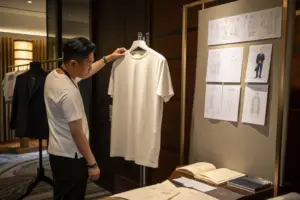
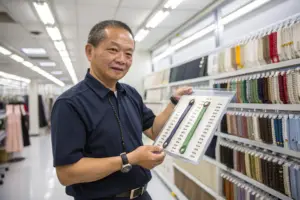
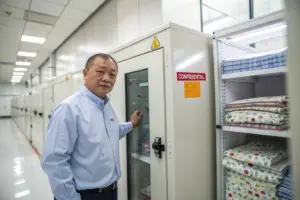
- In-line and Final Inspections: Dedicated QC staff monitor the production line in real-time, not just at the end. A common requirement is for factories to maintain a "Quality Wall" with approved fabric swatches, trims, and sealed samples for every stage.
How does this prevent common production headaches for you?
This systemic approach prevents the most costly issues: inconsistent sizing, color bleeding, and fabric shrinkage. A manufacturer with this experience will proactively conduct pre-production testing—like wash and shrinkage tests on every fabric lot—before cutting begins. They understand that a 3% shrinkage rate might be acceptable for some, but a major retailer requires it to be under 1.5%. By applying these stricter standards to your order, they virtually eliminate post-delivery surprises like customer returns due to poor quality, protecting your brand’s reputation.
Why does it streamline compliance and documentation?
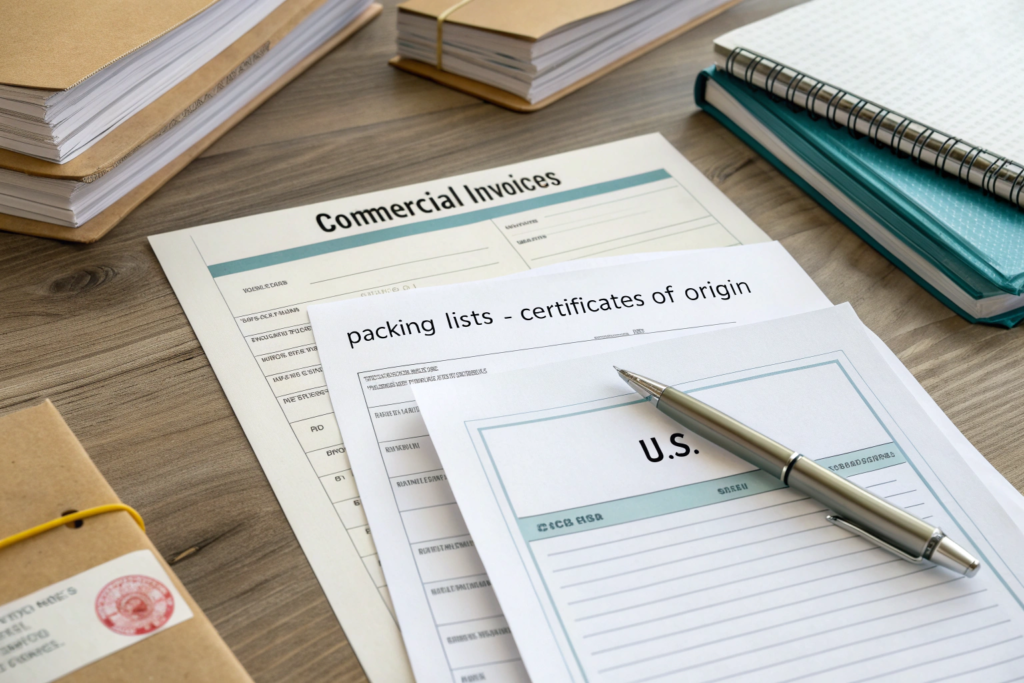
National retailers have a zero-tolerance policy for compliance failures. Their vendor manuals are bibles covering everything from chemical safety (RSL, or Restricted Substances List) to social accountability (like SMETA audits) and country of origin labeling. A factory experienced with them has already navigated the complex process of becoming an approved vendor. This means their documentation systems are airtight. They know exactly how to prepare a certificate of origin, a detailed packing list, and all necessary test reports to breeze through customs and the retailer’s distribution center (DC).
I recall a situation where a new brand client needed to ship to a large US distributor. They provided a basic supplier declaration. Knowing the distributor’s standards mirrored those of larger retailers, our compliance team automatically generated a full documentation package including a California Prop 65 compliance statement, a detailed material breakdown, and a US Customs and Border Protection-compliant commercial invoice. This prevented what would have been a certain hold at the DC, saving weeks of delay. This operational rigor is a direct benefit of our experience serving the toughest clients.
What are the most critical compliance areas they master?
The key areas are:
- Product Safety & Chemical Compliance: Adherence to the retailer’s RSL and international standards like OEKO-TEX® STeP. They know which labs are approved for testing.
- Social & Ethical Compliance: Passing audits that verify fair labor practices, working hours, and safe factory conditions. This is non-negotiable for major retailers.
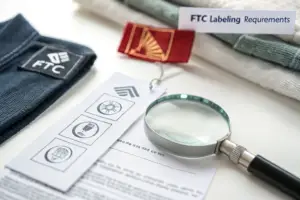
- Labeling & Packaging Compliance: Every hangtag, care label, and polybag must follow exact specifications regarding content, placement, and even sustainability markings (like recycled content).
How does this expertise protect your brand from risk?
In today’s market, compliance is a brand liability issue. A shipment rejected for excessive chemical content or held for incorrect fiber labeling can be a financial and PR disaster. A manufacturer seasoned in this arena acts as your first line of defense. They have the institutional knowledge to anticipate these requirements, often going beyond the basic legal mandates to meet the higher voluntary standards expected by conscious consumers. This deeply integrated quality assurance mindset protects you from costly recalls and reputational damage.
How does it translate to superior logistics and supply chain management?
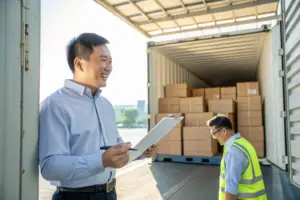
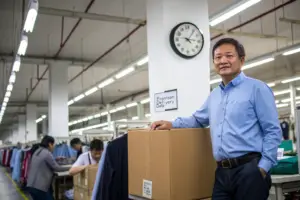
The logistics for a nationwide retailer are a complex ballet. It involves delivering to massive, automated distribution centers that operate on strict Appointment Windows (often with 15-minute precision), complex ASN (Advanced Shipping Notice) requirements, and specific palletization standards. Missing a window can incur massive fines and delay the product’s journey to thousands of stores. A factory that has danced this ballet before brings that logistical precision to your order, whether you’re shipping one pallet or a full container.
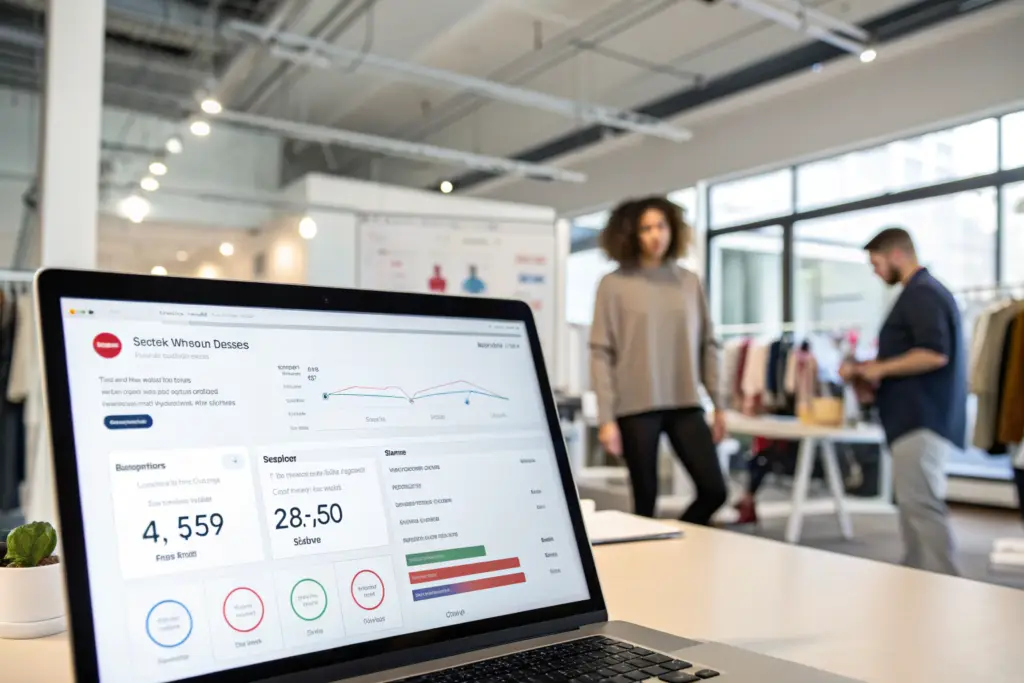
Our partnership with a major US retailer taught us the critical importance of supply chain visibility. We had to integrate our system with their Vendor Portal for real-time PO and shipment updates. We apply this same principle for all our clients. For example, for a growing activewear brand, we provided a shared online dashboard where they could see their order status—from fabric sourcing to cutting, sewing, and final inspection—in real time. This transparency, born from serving large retailers, eliminated the all-too-common pain point of "Where is my order?" and built immense trust.
What logistical nuances do they understand?
| Nuance | Impact on Your Order |
|---|---|
| DC-Specific Requirements | Knowing that a retailer’s East Coast DC requires different label placement than its West Coast DC. |
| Carton & Pallet Specs | Building cartons to exact dimensions and weight limits, and palletizing to prevent toppling during cross-ocean travel. |
| Lead Time Realism | They provide buffer-inclusive, realistic timelines because they know the real transit times and port congestion patterns. |
Why does this ensure more reliable delivery for you?
Reliable delivery is not an accident; it’s a system. Experienced manufacturers have stronger, priority relationships with freight forwarders and shipping lines because they are high-volume, reliable shippers. They understand how to navigate peak season congestion and can often secure space when others cannot. This means your on-time delivery probability increases dramatically. They plan the entire export & logistics chain with the discipline of a military operation, ensuring your products hit the market precisely when you need them to, never missing a selling season.
Conclusion
A manufacturer’s experience with nationwide US retailers is not just a line on a company profile; it’s a comprehensive transfer of elite operational knowledge. It provides you with a partner who has already been stress-tested at the highest level. This translates to tangible benefits for your brand: superior product quality that reduces returns, ironclad compliance that mitigates risk, and logistics precision that guarantees on-time delivery.
In essence, you are leveraging a system built for giants, optimized for your success. You gain the sophistication of a top-tier supply chain without having to build it yourself.
If you are looking to elevate your brand’s quality, streamline your operations, and partner with a factory that speaks the language of the US market fluently, look for proven experience. Shanghai Fumao brings this exact value to the table. Our years of successful partnership with major US retailers have honed our processes to deliver exceptional value for brands of all sizes. Let us be the reliable, high-value extension of your team. To discuss how we can apply this expertise to your next apparel line, contact our Business Director, Elaine, at elaine@fumaoclothing.com for a consultation.