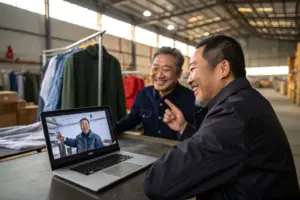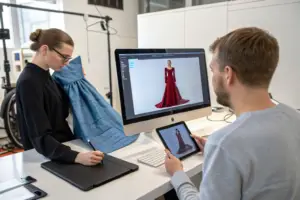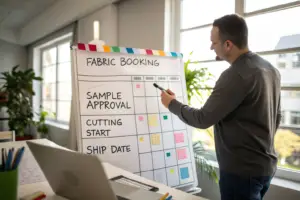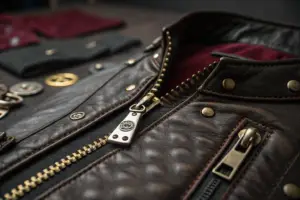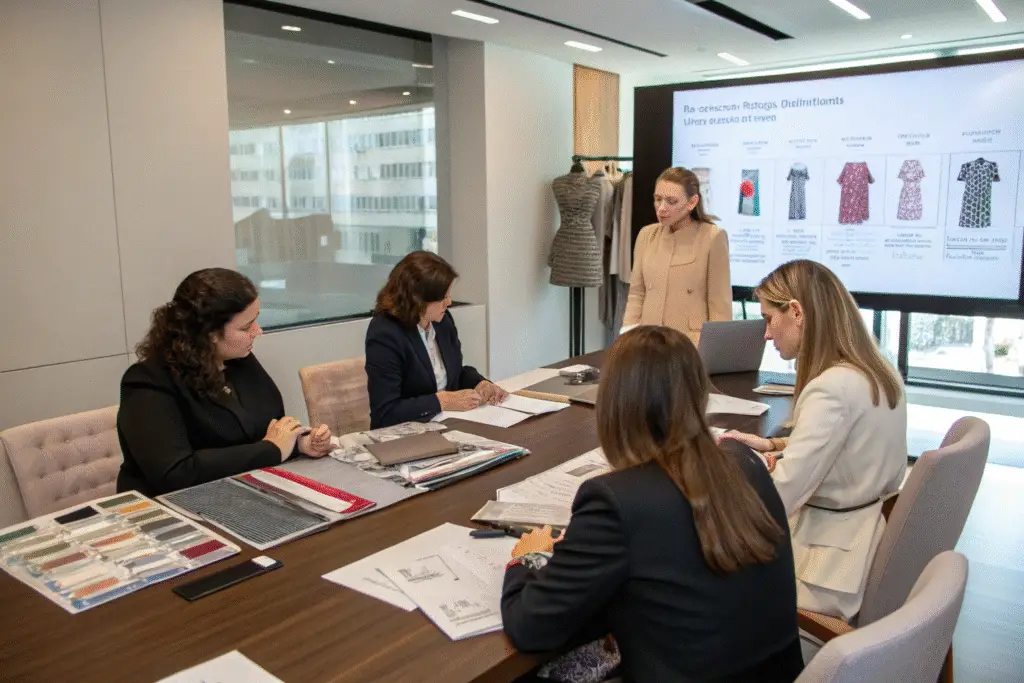
A smooth production start is crucial for any apparel line, but women's wear projects often encounter unique challenges that other categories don't. These difficulties typically stem from the very first step: the kick-off meeting. For women's wear, this initial meeting serves as more than just a formality—it establishes the foundation for an entire season's success. Consequently, it sets the tone for all subsequent phases, from design execution to timely delivery.
A women's wear production kick-off meeting differs fundamentally due to the category's intense focus on complex fit specifications, diverse fabric requirements, and rapidly evolving fashion trends. Therefore, it demands deeper technical collaboration, strategic fabric planning, and aligned expectations on intricate details to prevent costly delays while ensuring market relevance.
Understanding these specialized requirements can determine whether your collection becomes a market success or faces logistical failures. Let's examine the critical areas that require detailed attention from your initial manufacturing discussions.
What Are The Key Fit & Sizing Discussions For Women's Wear?
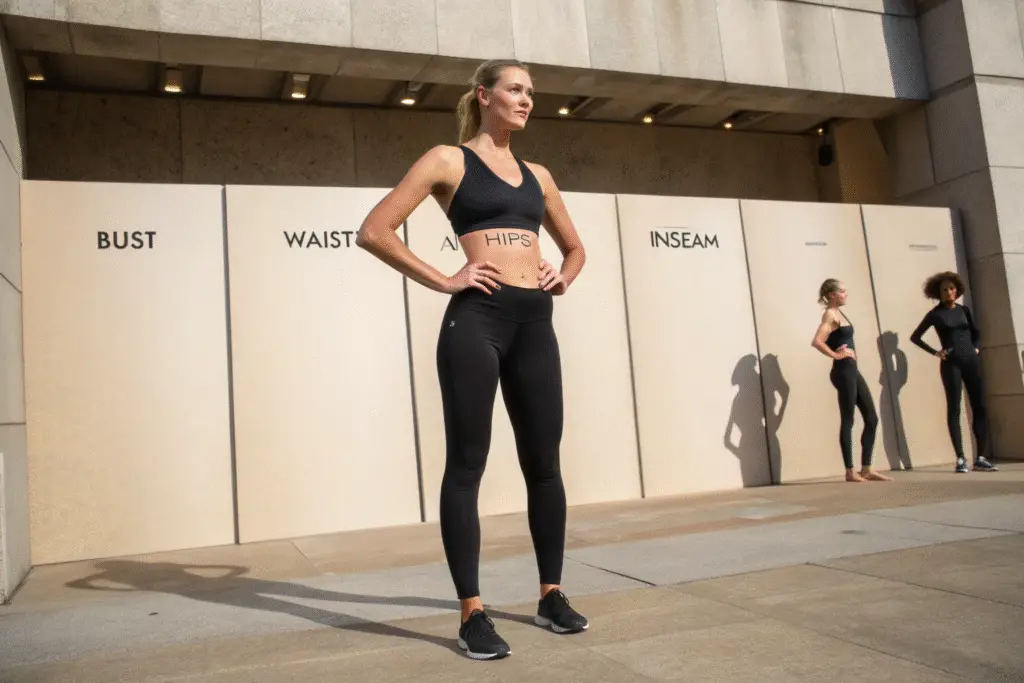
Achieving perfect fit represents the most critical objective in women's wear production. Since improper fit leads directly to high return rates and brand reputation damage, the kick-off meeting becomes essential for aligning precise fit standards with your target market. This process extends far beyond basic size chart agreements.
First, we must establish the exact body form or fit model that will serve as the production benchmark. Will you utilize dedicated fit models for each size category? Providing your manufacturer with detailed model measurements becomes non-negotiable at this stage. Additionally, we need to define grade rules—the mathematical progression that determines how dimensions change between sizes. Without proper grading, certain sizes may become commercially unviable.
How Do You Establish A Reliable Fit Protocol?
Implementing a clear fit protocol prevents confusion while ensuring consistency across production. We recommend establishing a multi-step approval process that begins with preliminary fit sessions on designated models. Following this, we create first samples for internal evaluation. The subsequent "golden sample" phase requires your formal approval, establishing the definitive quality standard for bulk production. Consequently, any deviations from this benchmark must be formally documented and mutually approved during kick-off discussions, protecting both parties while guaranteeing vision alignment.
Why Is Fabric Choice Critical For Women's Wear Fit?
Fabric selection influences not only aesthetics but fundamentally determines fit and comfort characteristics. Since woven blouses and knit dresses demand completely different fit tolerances, kick-off meetings must explore fabric properties including stretch capacity, recovery rate, weight distribution, and drape quality. For instance, heavy knits typically require less ease than lightweight wovens to achieve identical silhouettes. By analyzing fabric composition and its garment impact during initial discussions, our technical designers can preemptively adjust patterns, thereby avoiding surprises during mass production phases.
How Does Fabric & Trend Analysis Impact Timelines?
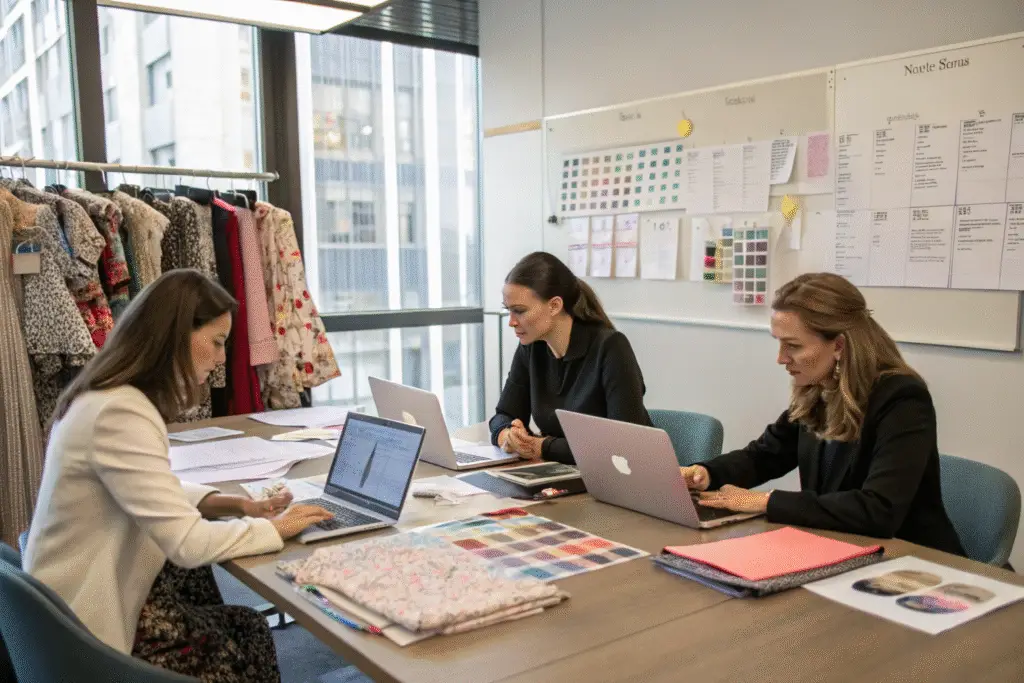
The women's fashion industry operates at an accelerated pace where trends emerge and disappear rapidly. Therefore, your kick-off meeting must incorporate realistic, detailed timelines that accommodate material sourcing complexities. Even the most beautiful, trend-appropriate fabric becomes worthless if it misses production windows.
We initiate this process by finalizing fabric and trim sourcing arrangements. This crucial step involves confirming lead times from our mill partners for selected materials. Notably, unique or custom-developed fabrics may require 8-12 weeks for procurement alone. Subsequently, we allocate time for laboratory testing—verifying colorfastness, shrinkage rates, and pilling resistance. Bypassing these quality checks to accelerate timelines introduces significant risks. Furthermore, we incorporate buffers for potential shipping disruptions, applying lessons from recent global supply chain challenges.
What Are The Risks Of Not Finalizing Fabrics Early?
Delaying fabric decisions represents one of the primary causes for missed delivery deadlines. When fabric changes occur after pattern completion, they typically invalidate previous work since different materials behave differently. For example, patterns perfected for stiff cotton will fail with fluid silk, necessitating new samples, additional testing, and ultimately causing production delays that make you miss crucial selling seasons. Thus, the kick-off meeting establishes the final decision point for these vital material selections.
How Do You Manage Trend-Driven Fabric Shortages?
Popular trend fabrics frequently experience high demand against limited supply. During our kick-off analysis, we assess market availability for your chosen materials. When fabrics present high-risk scenarios, we discuss pre-booking mill capacity or identifying suitable alternatives with comparable qualities. This proactive methodology, integral to robust supply chain management, ensures production continuity even if primary materials become unavailable, allowing you to balance trend responsiveness with practical manufacturing realities.
Why Are Design Details More Complex in Women's Wear?
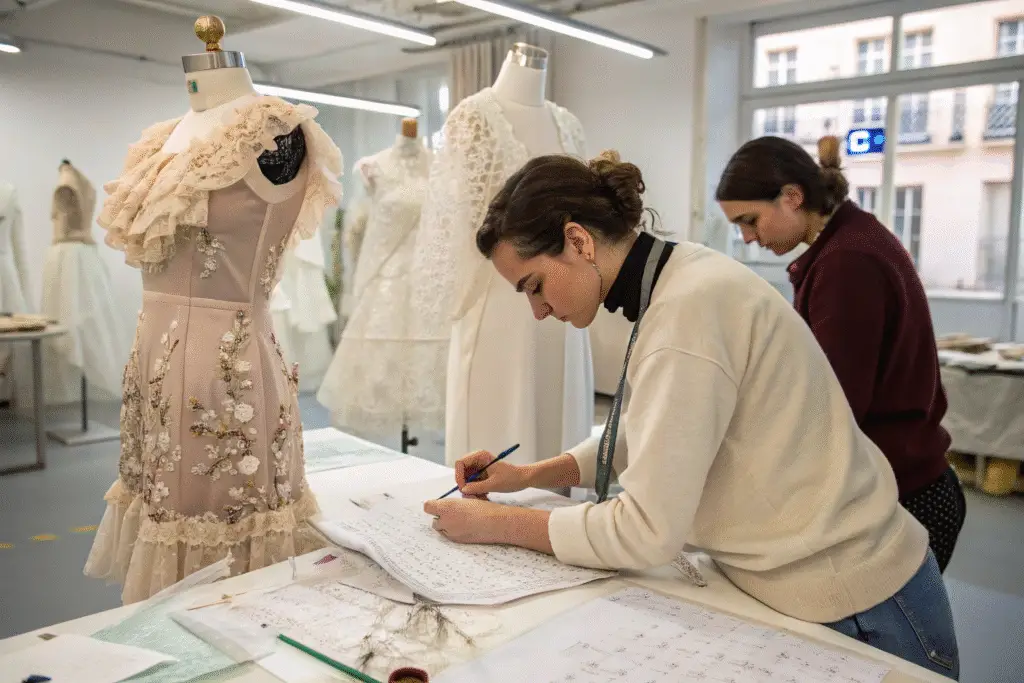
Women's wear frequently incorporates intricate detailing uncommon in other apparel categories. Simple designs often transform through elaborate embellishments, specialized stitching, or complex construction techniques. Accordingly, the kick-off meeting provides the platform to deconstruct each design element for feasibility, cost-effectiveness, and reproducible quality at scale.
We must address practical execution questions: How will delicate embroidery be applied? How will complex sleeve flounces be cut and assembled? These details directly influence manufacturing costs and necessary production skill levels. We consequently provide detailed cost breakdowns for each special operation during kick-off discussions, eliminating hidden expenses later. Simultaneously, we establish quality benchmarks for these details, such as minimum stitch density requirements for embroidery work.
How Do You Specify Embellishments and Trims?
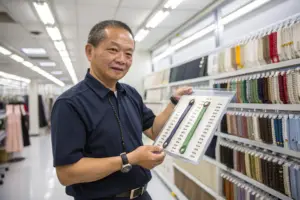
Vague descriptions undermine quality consistency. Instead of requesting "nice buttons," we require specific supplier product codes. Rather than "light embroidery," we need exact thread counts and digital design files. Our kick-off discussions cover comprehensive trim sourcing strategies for zippers, ribbons, and appliqués. Providing physical trim samples or approved strike-offs during this phase ensures that approved samples perfectly match the thousands of units delivered to your warehouse.
What Are The Challenges of Complex Construction?
Designs featuring multiple panels, asymmetric cuts, or layered elements demand increased production time and advanced manufacturing skills. During kick-off analysis, our technical team examines your tech packs to identify potential construction challenges. We might consequently recommend subtle modifications that preserve design integrity while enhancing production efficiency and product durability. For example, certain seam finishes provide superior strength and cleaner appearance than alternatives. This collaborative problem-solving during initial stages delivers significant time and cost savings throughout mass production.
How to Ensure Clear Communication with Your Manufacturer?
Successful manufacturing partnerships rely on clear, consistent communication systems. For women's wear, where subjective elements like "drape" and "hand-feel" carry importance, establishing robust communication protocols during kick-off meetings becomes particularly vital. These measures prevent the common industry problems of delays and misunderstandings.
We implement a single-point-of-contact system where you receive a dedicated Project Manager who serves as your primary liaison throughout the production journey. This professional understands your brand's specific needs and aesthetic preferences. Additionally, we employ a Product Lifecycle Management (PLM) system that centralizes all communications, tech packs, comments, and approvals into a single accessible platform available 24/7 to both teams.

What Should Be Included in Your Communication Plan?
The communication plan, established during kick-off, defines response time expectations (typically 24 hours for urgent matters), regular update schedules (such as weekly production status reports), and preferred channels for different communication types (email for formal approvals versus messaging apps for quick queries). We also schedule mandatory milestone meetings for fit reviews and pre-production check-ins. This structured approach, fundamental to effective project management, prevents oversight while keeping you continuously informed about your order's progression.
How Can Technology Prevent Delays and Errors?
Digital platform integration revolutionizes traditional communication methods. Instead of tracking lengthy email chains where files and comments get lost, all feedback attaches directly to relevant garment images or documents. Version control occurs automatically, while approvals receive digital timestamps, eliminating "I never received that email" disputes. This streamlined workflow dramatically reduces the back-and-forth that typically causes delays, especially valuable when managing multiple sample stages inherent to women's wear production.
Conclusion
A women's wear production kick-off meeting transcends routine administrative check-ins. It functions as a strategic, in-depth session that establishes the groundwork for successful partnerships and flawless collections. By dedicating focused attention to fit specifications, fabric planning, design complexities, and communication protocols, you transform this initial meeting from a formality into your most powerful risk-management tool. This proactive methodology ensures quality consistency, protects timeline integrity, and ultimately safeguards your brand's market reputation.
Ready to experience a kick-off meeting that positions your next women's wear line for remarkable success? Let's collaborate to bring your apparel visions to market with precision and reliability. Contact our Business Director, Elaine, today at elaine@fumaoclothing.com to discuss your manufacturing requirements.