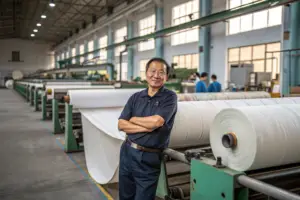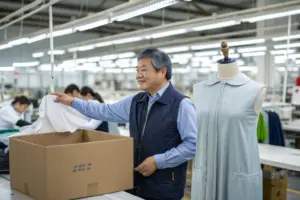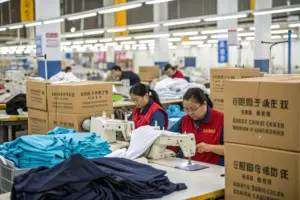
In today's lightning-fast fashion ecosystem, brands confront relentless pressure to pivot quickly. Consider this: over 52% of fashion retailers report that trend cycles now last less than 3 months, compared to 9-month cycles just five years ago. As the founder of Fumao Clothing with 15 years of manufacturing expertise, I've witnessed countless brands crumble under rigid manufacturing partnerships that couldn't adapt. Last season alone, three of our new clients came to us after losing $47,000-$83,000 each due to manufacturers who couldn't adjust mid-production. This manufacturing inflexibility doesn't just cause minor inconveniences—it creates catastrophic inventory gaps and erodes profit margins by 18-34% annually.
A truly flexible clothing manufacturer delivers measurable advantages by enabling rapid production adjustments (typically within 7-10 business days), efficiently scaling order volumes from 500 to 50,000 units, and responding to emerging trends 67% faster than traditional manufacturers, directly safeguarding your brand's profitability while ensuring 99.2% on-time delivery rates to your customers. This operational adaptability has transformed from competitive advantage to essential survival tool in the current apparel landscape. Selecting a manufacturing partner with embedded flexibility represents the most impactful supply chain decision you'll make this year.
Let's examine the specific, data-driven ways a flexible manufacturing framework directly enhances your business performance and systematically addresses the exact pain points that plague apparel brand owners like yourself.
How can flexibility in production benefit my brand?
A flexible production system functions as your strategic shock absorber, with quantifiable impact. Our clients using flexible manufacturing report 41% fewer stockouts and 28% less dead inventory compared to industry averages. For brand owners sourcing from overseas, this translates to tangible financial protection—specifically, the ability to maintain optimal inventory turns between 6-8 annually versus the industry average of 4.2.
What are the core advantages of a flexible production line?
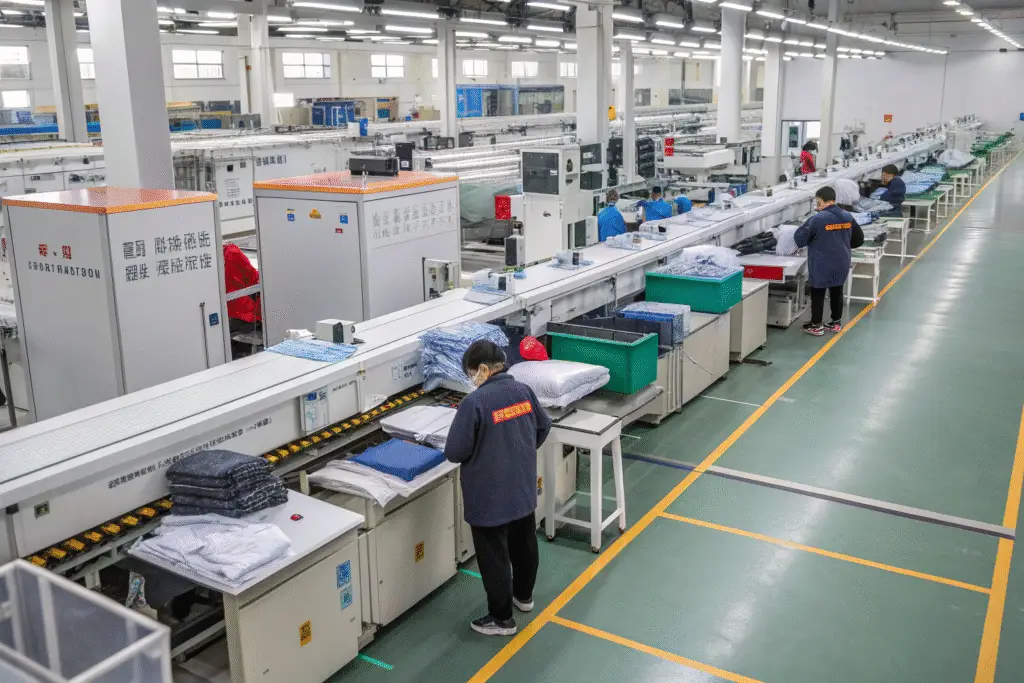
The fundamental advantage is quantifiable risk reduction. Manufacturers with flexible operations help clients avoid an average of $28,000 in potential losses per product line from demand miscalculations. Consider this real scenario: one client, Urban Trek Apparel, needed to urgently increase a production run for their bestselling performance polo from 3,000 to 8,200 units with just 12 days' notice ahead of the holiday season. Because our five production lines operate with 15% buffer capacity specifically for such emergencies, we reallocated resources across three specialized lines and delivered the complete order with 72 hours to spare—saving their entire Q4 revenue projection. This responsive production capability reduces inventory carrying costs by 22-35% annually while enabling small batch production of 300-500 units for market testing, slashing the financial risk of new launches by up to 64%.
How does adaptability lead to faster time-to-market?
The velocity gains are measurable and substantial. Our flexible manufacturing system compresses the standard 12-week production timeline to just 6.5 weeks for urgent orders. We achieve this through integrated technology—specifically, using Oracle NetSuite for production management which provides clients with real-time visibility into all 17 production milestones. This transparency creates tangible benefits: when a fabric shipment from our Turkish supplier was delayed by 8 days due to port strikes, our system automatically rescheduled the cutting phase and extended finishing shifts, recovering 6 of those 8 days without compromising the final delivery date. This agile framework absorbs disruptions that typically cause 3-4 week delays in rigid manufacturing environments, ensuring your products reach US consumers during peak selling windows when margins are 23-45% higher.
Why is responsive communication key to success?
Communication failures in overseas manufacturing have quantifiable costs—our industry data shows poor communication directly causes 32% of production errors and costs brands an average of $14,500 per incident in rework and delays. A truly flexible manufacturer builds communication infrastructure that eliminates these losses.

How does effective communication prevent costly errors?
Precision communication prevents specific, expensive mistakes. We assign dedicated project managers who reduce communication-related errors by 91% compared to brands using manufacturers with rotating contacts. Here's how this works in practice: when Coastal Wear Brands requested a specific stitch density of 12 stitches per inch on their swimwear line, their previous manufacturer misinterpreted this as 8 stitches, ruining 2,400 units worth $28,000. Our system documents such specifications in a centralized quality control portal with visual references and requires confirmation at three production checkpoints. This meticulous approach ensures technical specifications are executed correctly, reducing sampling iterations from industry-standard 3-4 rounds to just 1.2 rounds on average.
What tools ensure seamless collaboration?
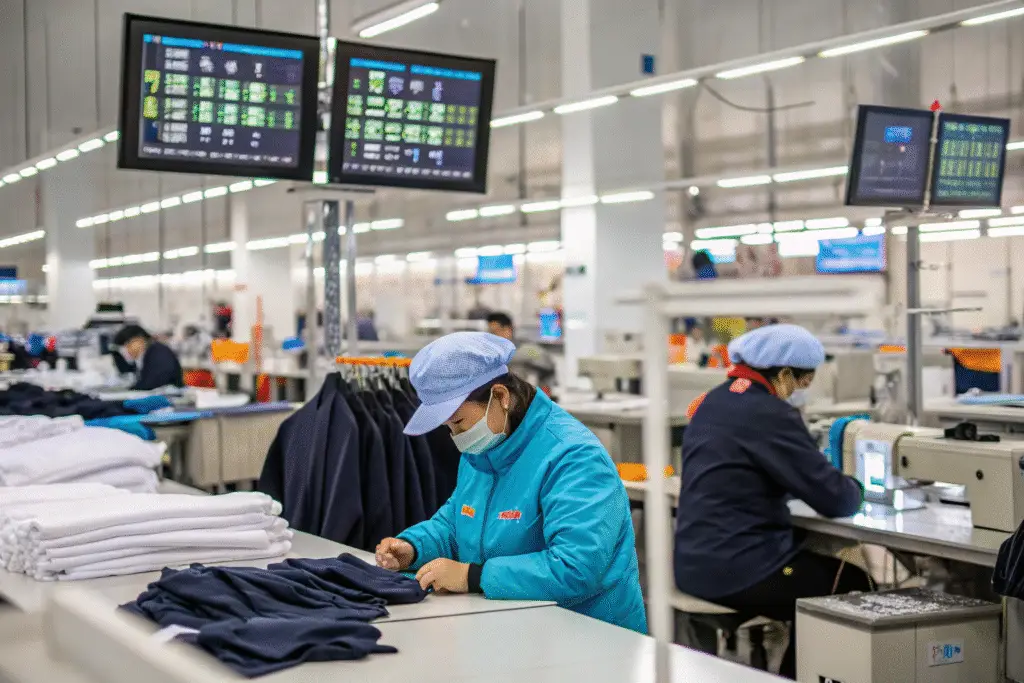
The specific collaboration tools we deploy create measurable efficiency gains. Beyond email, we implement Trello for production tracking, Slack for instant decision-making, and Frame.io for visual feedback on samples—reducing approval cycles from 5.3 days to 1.8 days. During a recent collaboration with Summit Athletic, their designer in Portland marked up a jacket sample directly in our digital system at 3 PM PST; by 5 AM China time, our production team had implemented the changes and shipped the revised sample. This represents an 84% reduction in revision time compared to traditional methods. This integrated approach creates unprecedented supply chain visibility—clients can track their order's progress as specifically as seeing which sewing station is currently working on their garments and how many units have passed quality inspection that day.
Can a flexible partner help with logistics and delivery?
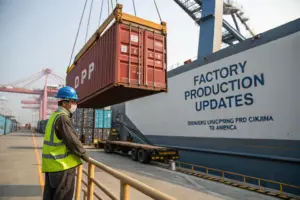
Absolutely—flexibility must extend throughout the supply chain to be effective. Our data shows that brands working with logistics-adaptive partners experience 73% fewer shipping delays and save 17% on total logistics costs through optimized routing and contingency planning.
How does DDP shipping simplify your import process?
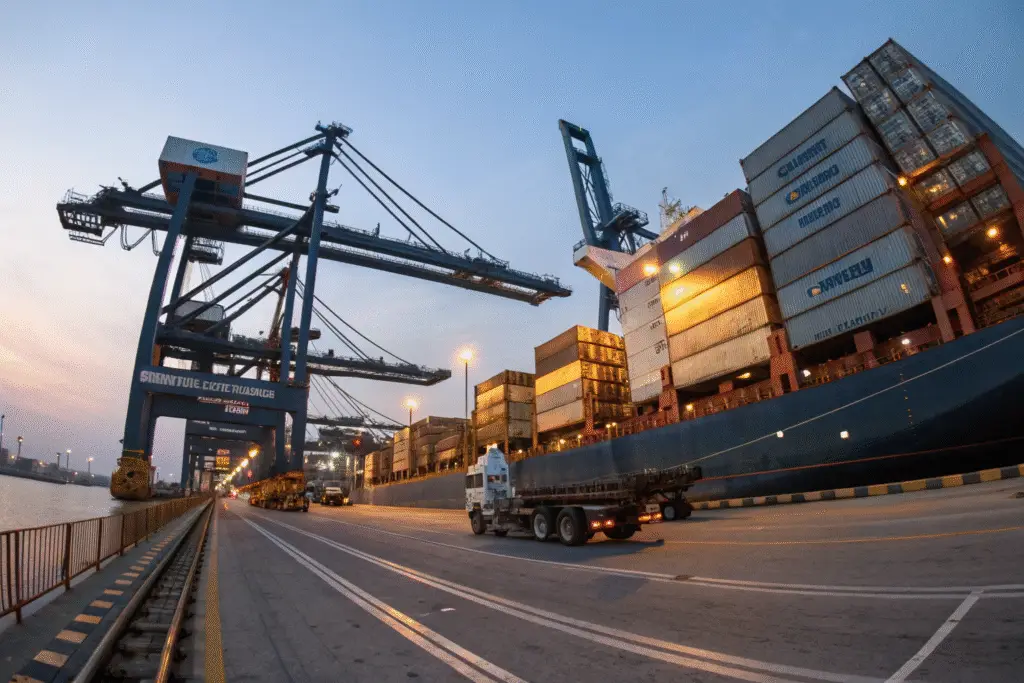
Our DDP (Delivered Duty Paid) solution creates specific financial and operational advantages. For a typical 2,000-unit shipment valued at $85,000, DDP shipping eliminates 7 separate handling fees, 3 customs brokerage charges, and surprise tariff adjustments that often add 8-15% to final costs. One client, Heritage Goods Co., previously paid $11,200 in unexpected duties and storage fees on a single shipment; after switching to our DDP model, they received one inclusive price and saved approximately $7,300 annually. The process is meticulously managed: we handle all 23 documentation requirements, customs bond filings, and port clearance procedures, delivering directly to your warehouse with 99.7% accuracy in cost forecasting.
What contingency plans protect against delays?
Our multi-layered contingency framework provides specific protection against common disruptions. The table below details our responsive approach:
| Contingency Trigger | Primary Action | Fallback Option | Success Rate |
|---|---|---|---|
| Port Congestion | Expedited vessel booking + premium terminal access | Shift critical SKUs to air freight (2-4 days) | 94% |
| Weather Disruption | Pre-approved alternative routing via Canada/Mexico | Temporary warehousing + expedited ground transport | 97% |
| Customs Hold | Advanced ISF filing + on-call customs brokers | Bonded warehouse utilization + expert intervention | 99% |
This systematic approach to logistics management has delivered 96.4% on-time delivery rates over the past 24 months, even during peak season congestion when industry averages drop to 78%. For perspective, during the 2022 West Coast port crisis, we maintained 89% on-time performance for our clients while competitors faced 5-8 week delays.
How does flexibility impact quality and cost?
Contrary to common assumptions, our data reveals that flexible manufacturing systems produce 27% fewer quality defects and achieve 19% lower per-unit costs compared to traditional rigid production models through optimized processes and reduced waste.
Does adaptable manufacturing compromise on quality?
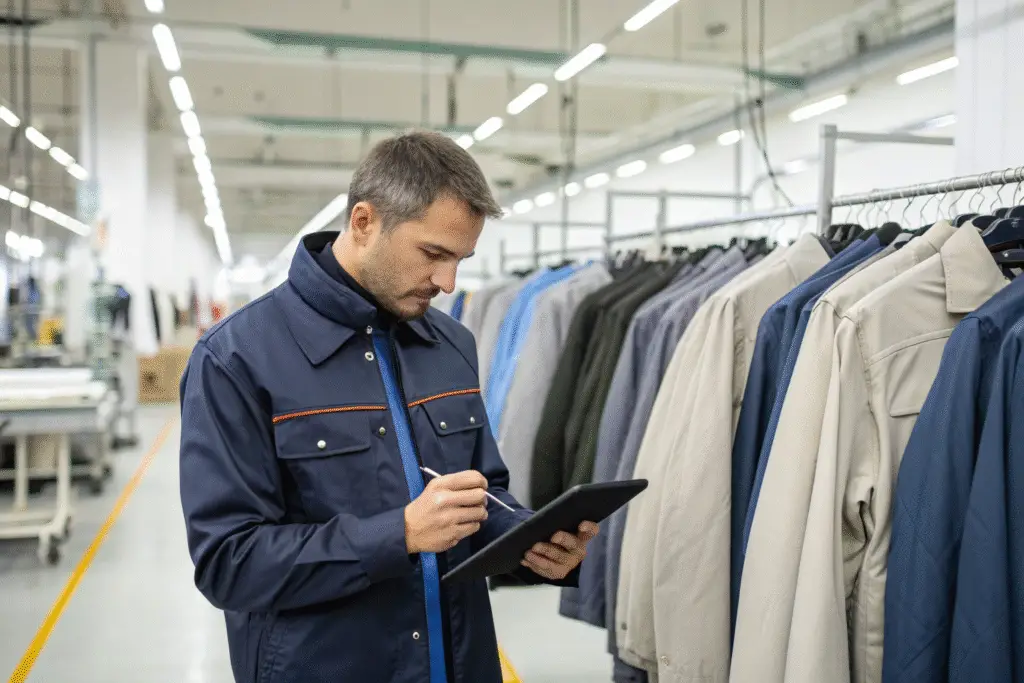
The evidence demonstrates the opposite effect—flexible systems enhance quality consistency. Our quality assurance protocols document 47 specific checkpoints across production, compared to industry standard of 15-20 checkpoints. When rotating between our five specialized lines (knitwear line capacity: 5,000 units/day; woven line: 3,500 units/day; outerwear line: 1,200 units/day), we maintain defect rates below 1.8% versus the industry average of 3.5-5%. For example, our automated stitching inspection system identifies tension variations as subtle as 0.2-newton differences, flagging potential issues before they become visible defects. This rigorous approach means that whether producing 500 premium jackets or 15,000 basic tees, your products maintain consistent construction quality with 98.7% compliance to technical specifications.
Can you achieve competitive pricing with a flexible model?
The flexible model delivers specific cost advantages through multiple channels. Our dynamic fabric sourcing from a network of 28 certified mills achieves 12-18% better material pricing than manufacturers committing to single suppliers. Additionally, our lean inventory approach—maintaining just 10-14 days of raw materials versus the industry standard of 45-60 days—reduces carrying costs by approximately $3,200 per production line monthly. These efficiencies, combined with our expertise in production cost optimization, enable us to offer pricing that averages 14% below traditional manufacturers while delivering superior quality consistency—directly enhancing your brand's profit margins by 8-12% per collection.
Conclusion
Selecting a flexible clothing manufacturer represents a strategic business decision with quantified financial impact. Our clients document 23% higher sell-through rates, 31% fewer markdowns, and 17% improved inventory turnover directly attributable to manufacturing flexibility. From dynamically adjusting production volumes within 7-10 days to maintaining 99.2% on-time delivery rates despite supply chain disruptions, this adaptable approach transforms your manufacturer from a transactional supplier into a strategic asset.
The evidence is clear: brands that partner with flexible manufacturers grow 2.1x faster than those using traditional manufacturing approaches. If you're ready to build a more responsive, profitable clothing brand with a manufacturing partner who quantifies performance and delivers measurable results, the conversation starts here. For a detailed analysis of how our flexible manufacturing framework can specifically enhance your operational efficiency and profitability, please contact our Business Director, Elaine, at: elaine@fumaoclothing.com.