Finding the right clothing manufacturer can feel like winning the lottery. The samples look perfect, the pricing fits your budget, and you're ready to schedule that kick-off meeting immediately. But experienced buyers know this crucial step comes first: the factory audit. Rushing into production without proper due diligence remains one of the most common and costly mistakes in apparel sourcing.
A factory audit serves as your comprehensive verification process, examining a manufacturer's actual capabilities, compliance standards, and operational reliability before contracts are signed. This investigative step protects your investment, ensures quality consistency, and safeguards your brand's reputation from unforeseen supply chain risks.
While many buyers view audits as unnecessary delays, seasoned importers recognize them as essential insurance policies. The audit process transforms speculative partnerships into verified relationships, separating reliable manufacturers from those who overpromise and underdeliver. Let's examine why this preliminary step deserves your full attention.
What is a factory audit in garment manufacturing?
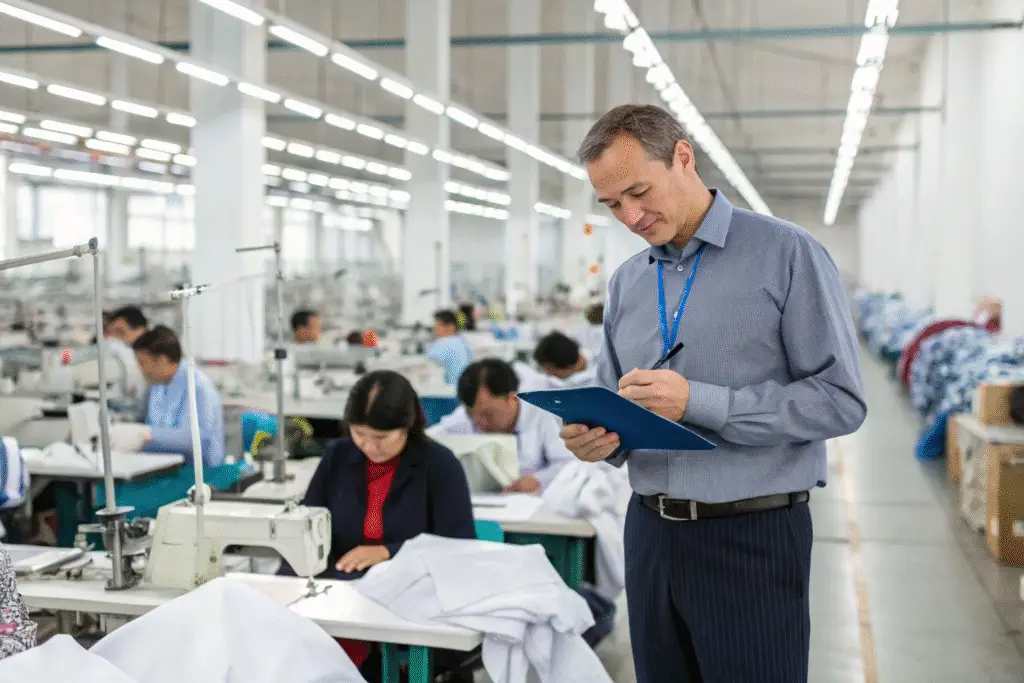
Understanding what a factory audit entails forms the foundation for appreciating its value. Unlike a basic factory tour that shows only what the manufacturer wants you to see, a systematic audit examines the entire operation. It assesses not just machinery and facilities, but also management systems, workforce competency, and production processes that will ultimately determine your order's success.
This due diligence process answers the fundamental question every buyer should ask: Can this manufacturer consistently deliver what they promise? For brand owners, this verification isn't optional—it's essential risk management. Your brand's reputation directly connects to your manufacturer's performance, making the audit your first line of defense.

What specific areas does a factory audit cover?
A comprehensive garment factory audit typically examines three critical areas. The social compliance audit investigates working conditions, employee treatment, and ethical standards. The technical capacity audit verifies production equipment, worker skills, and manufacturing capabilities for your specific product categories. Meanwhile, the quality management system audit evaluates the factory's procedures for maintaining standards throughout production, from raw material inspection to final packaging. Each component works together to provide a complete picture of operational health.
How does an audit differ from a factory visit?
While factory visits build initial rapport, audits build lasting confidence through verified data. Visits often follow curated paths and showcase best-case scenarios. Audits involve deep examination of documents, random process observations, and candid employee interviews. This systematic approach transforms sales promises into actionable intelligence, giving you the evidence needed to make informed sourcing decisions rather than hopeful guesses.
How can a factory audit prevent supply chain disruptions?
Supply chain disruptions create cascading problems that impact your profitability and customer relationships. A thorough factory audit identifies potential breakdown points before they affect your production timeline. By examining historical performance data and current operational workflows, you gain predictive insight into how your orders will likely progress through the manufacturing cycle.
The financial consequences of missed deadlines extend far beyond simple delays. When shipments arrive after your selling season peaks, you face inventory carrying costs, markdowns, and lost sales opportunities. The audit process helps establish realistic timelines based on the factory's actual capacity rather than optimistic projections, creating alignment between promised and probable delivery dates.

Can an audit reliably predict on-time delivery?
While no assessment offers absolute certainty, factory audits provide the most reliable indicators available. They examine production planning methodologies, historical delivery performance for similar clients, and raw material supply chain stability. Factories that demonstrate organized workflow management, maintain safety stock of key materials, and employ realistic scheduling practices typically achieve higher on-time delivery rates. These observable factors make delivery performance more predictable and manageable.
What operational red flags does an audit uncover?
Audits frequently reveal critical issues that remain hidden during casual visits. These warning signs include inadequate machinery maintenance that causes production bottlenecks, inefficient factory layouts that slow workflow, insufficient quality control checkpoints that allow defects to multiply, and financial instability that threatens business continuity. Identifying these concerns early prevents them from becoming your emergencies later.
| Operational Red Flag | Potential Business Impact | Audit Detection Method |
|---|---|---|
| Poor Production Planning | Missed deadlines, rushed quality checks | Review of production schedules and tracking systems |
| Inadequate Quality Documentation | Inconsistent product quality across orders | Examination of quality manuals and inspection records |
| Lack of Middle Management | Communication gaps, process variability | Organizational structure review and staff interviews |
Why is verifying certifications through an audit crucial?
Certificates alone provide limited assurance without verification. Unfortunately, some suppliers present falsified or outdated documentation. I've encountered numerous buyers who discovered their "certified" factory operated with significant compliance gaps only after production problems emerged. The physical verification of certifications during an audit confirms their authenticity and practical implementation.
Your brand's ethical standing depends on your supply chain's integrity. Consumers and retailers increasingly demand transparency about manufacturing conditions. Verifying social compliance certifications ensures your products align with your brand values and protects against reputation-damaging exposures that can undermine years of brand building.

What are the most important certifications to check?
Key certifications vary by market and product type. For US-bound apparel, OEKO-TEX® Standard 100 verifies textile safety, while WRAP certification demonstrates social compliance. ISO 9001 indicates established quality management systems, and specialized certifications like GOTS validate organic claims. The audit confirms not just certificate existence, but also their integration into daily operations through staff knowledge and procedural adherence.
How can an audit protect my brand from reputational damage?
Comprehensive audits create a documented due diligence trail that demonstrates your commitment to responsible sourcing. Should questions arise about your supply chain practices, this verification evidence shows you exercised reasonable care in partner selection. This proactive approach transforms your manufacturer relationship from a transaction into a verified partnership, providing confidence that your brand values extend throughout your production process.
How does a factory audit improve communication and partnership?
Effective communication forms the backbone of successful manufacturing partnerships. Misunderstandings about specifications, timelines, and quality expectations cause expensive errors and delays. A factory audit evaluates the manufacturer's communication infrastructure, identifying your key contacts and assessing their responsiveness and language capabilities before problems occur.
The audit process itself establishes a tone of professionalism and mutual accountability. It demonstrates your seriousness as a buyer who values transparency and systematic operations. Manufacturers typically respond to thorough auditors with heightened attention and service quality, recognizing that you measure performance against verified standards rather than sales promises.

What should I look for in a supplier's communication structure?
Seek manufacturers with dedicated account management, clear escalation procedures, and modern communication systems. The ideal partner employs proficient English speakers who understand technical apparel terminology and respond promptly to inquiries. Their project management approach should include regular updates and proactive issue notification rather than reactive problem-solving after delays occur.
Can an audit establish a foundation of trust?
Absolutely. Transparency cultivates trust more effectively than any sales presentation. By conducting a fair but thorough audit, you demonstrate commitment to a long-term, honest partnership. You show concern for more than just pricing—you value their operational standards, employee welfare, and business stability. This mutual respect creates the foundation for a collaborative relationship where both parties work toward shared success.
Conclusion
A factory audit represents far more than a procedural checkbox—it's a strategic investment in supply chain stability and brand protection. This verification process remains your most powerful tool for mitigating sourcing risks, preventing expensive surprises, and building manufacturing relationships on a foundation of verified capability rather than marketing claims.
The modest upfront investment in a thorough audit pales against potential losses from delayed shipments, quality failures, or reputation damage. Don't let eagerness to begin production override prudent verification. Transparent manufacturers welcome rigorous audits as opportunities to demonstrate their capabilities and commitment to excellence.
If you seek a Chinese apparel manufacturer that embraces comprehensive audits and operates with full transparency, we invite your scrutiny. Our processes withstand rigorous examination because we've built our business on reliability and partnership. For a sourcing relationship defined by trust and verified performance, contact our Business Director Elaine at elaine@fumaoclothing.com to discuss your production needs.