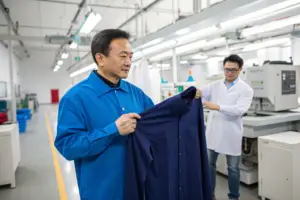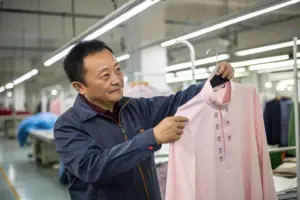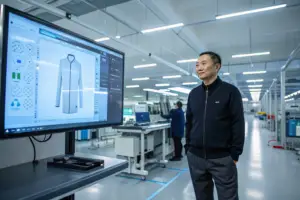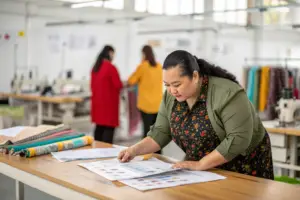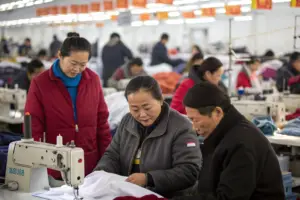
I'll never forget the project that changed our perspective on kick-off meetings. A promising startup from Austin sent us beautifully detailed tech packs for their first collection, but we didn't have our formal kick-off meeting until after sampling had begun. By then, we discovered their "luxury stretch denim" was intended for yoga-like mobility—something physically impossible with their chosen fabric. The resulting three extra sampling rounds cost them $14,000 and delayed their launch by six weeks. We now insist on kick-off meetings before cutting the first sample.
A development kick-off meeting is crucial because it aligns all stakeholders on vision, specifications, and expectations before significant resources are invested. This 60-90 minute conversation typically saves 2-4 weeks in the development timeline and prevents costly misunderstandings that become exponentially more expensive to fix later in the process. It's the single most effective investment you can make to ensure your vision translates accurately into production.
The kick-off meeting transforms your manufacturing relationship from transactional to collaborative. When done correctly, it establishes shared understanding that pays dividends throughout the entire development and production journey.
What key objectives should a kick-off meeting achieve?
A strategic kick-off meeting serves multiple critical functions that extend far beyond simple introductions. Each objective addresses potential failure points in the development process.
The primary objectives include aligning on design intent and technical feasibility, establishing clear communication protocols, defining success metrics, and identifying potential challenges early. At Shanghai Fumao, we structure our kick-off meetings around a standardized checklist that ensures we cover 32 critical alignment points. This systematic approach recently helped a Swedish minimalist brand avoid a fabric incompatibility issue that wouldn't have been discovered until the second sampling round—saving them an estimated $8,200 in additional sampling costs and 18 days in their timeline.
How does the meeting prevent costly assumptions?
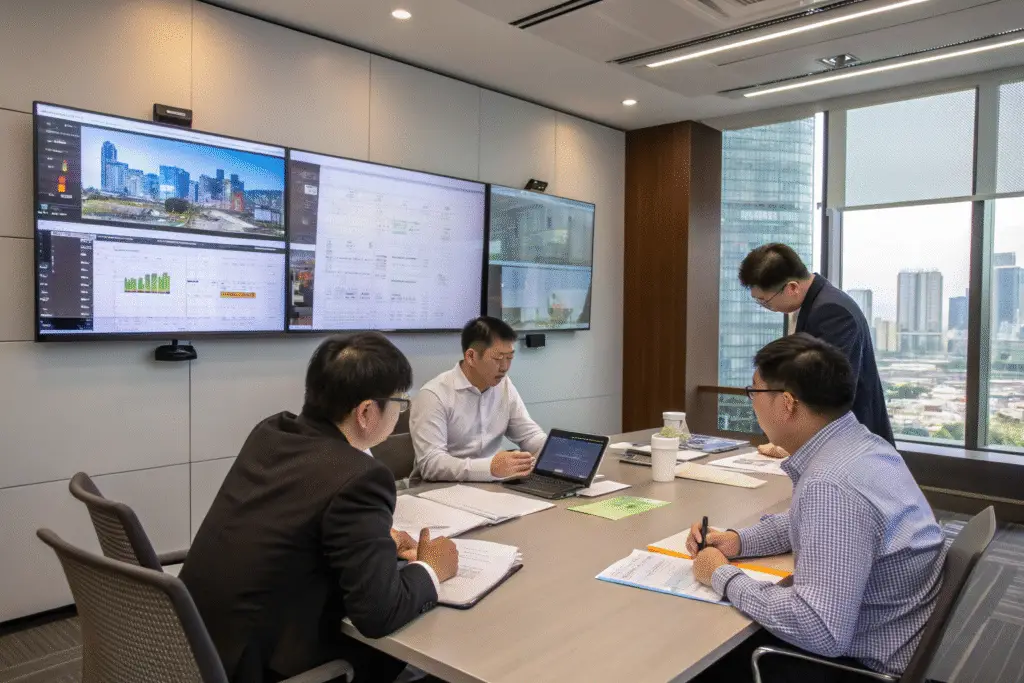
The kick-off meeting surfaces and resolves assumptions before they become expensive problems. Designers, product developers, and factory technicians often interpret the same specifications differently. We once worked with a brand that specified "heavyweight terry cloth" without specific GSM requirements—their idea of heavyweight (650 GSM) was dramatically different from our standard offering (380 GSM). The kick-off discussion revealed this discrepancy before we'd sourced fabric, preventing what would have been a $12,000 material mistake. The table below shows common assumptions that kick-off meetings typically uncover:
| Area | Common Assumption | Reality Check |
|---|---|---|
| Fabric Weight | "Medium weight" | Specific GSM range required |
| Color Matching | "Match the Pantone" | Agree on delta E tolerance |
| Fit | "Regular fit" | Define ease specifications |
| Quality Standards | "High quality" | Define acceptable defect rates |
| Timeline | "As soon as possible" | Specific milestone dates |
What critical information is often missing from tech packs?
Even comprehensive tech packs frequently omit crucial details that manufacturers need to accurately execute designs. Kick-off meetings help fill these gaps through targeted questioning. Common omissions include intended stretch requirements for woven garments, specific wash effects beyond general descriptions, hardware functionality expectations, and packaging requirements beyond basic poly bags. We helped a London-based brand clarify that their "distressed wash" needed to achieve a specific vintage look rather than general abrasion—information that wasn't in their tech pack but dramatically affected our wash recipe development.
How does a kick-off meeting impact your timeline?
The time invested in a thorough kick-off meeting accelerates subsequent development phases by preventing misdirection, rework, and clarification delays throughout the process.
A well-executed kick-off meeting typically shortens the overall development timeline by 15-25% by reducing sampling iterations, accelerating decision-making, and preventing mid-stream specification changes. We analyzed 47 projects at Shanghai Fumao and found that those with comprehensive kick-off meetings required an average of 1.8 sampling rounds compared to 3.1 rounds for projects without proper kick-offs. For a typical development cycle, this represents a time savings of 2-3 weeks and cost reduction of 30-40% in sampling expenses alone.
What timeline bottlenecks does the meeting prevent?
Kick-off meetings identify and address potential timeline constraints before they cause delays. Common bottlenecks include fabric lead times that don't align with development schedules, decoration processes that require additional steps, and compliance testing requirements that need early planning. Recently, a kick-off meeting with a German performance brand revealed they needed specific chemical compliance certifications for the European market that would take 21 days to process. By identifying this requirement early, we scheduled testing parallel to development rather than sequentially, saving them 18 days in their overall timeline.
How does early alignment accelerate decision-making?
When all decision-makers share the same understanding from the beginning, approvals happen faster because there are fewer surprises. The kick-off meeting establishes clear decision hierarchies, approval workflows, and response time expectations. A San Francisco-based DTC brand implemented our recommended decision-making framework after their kick-off meeting and reduced their average feedback time from 7 days to 2 days throughout the development process. This acceleration came from clearly identifying who needed to approve each element and establishing that their feedback would be assumed approved if not provided within agreed timeframes.
What specific topics should be covered?
A strategic kick-off agenda balances creative vision with practical execution details, ensuring nothing falls through the cracks between design intent and manufacturing reality.
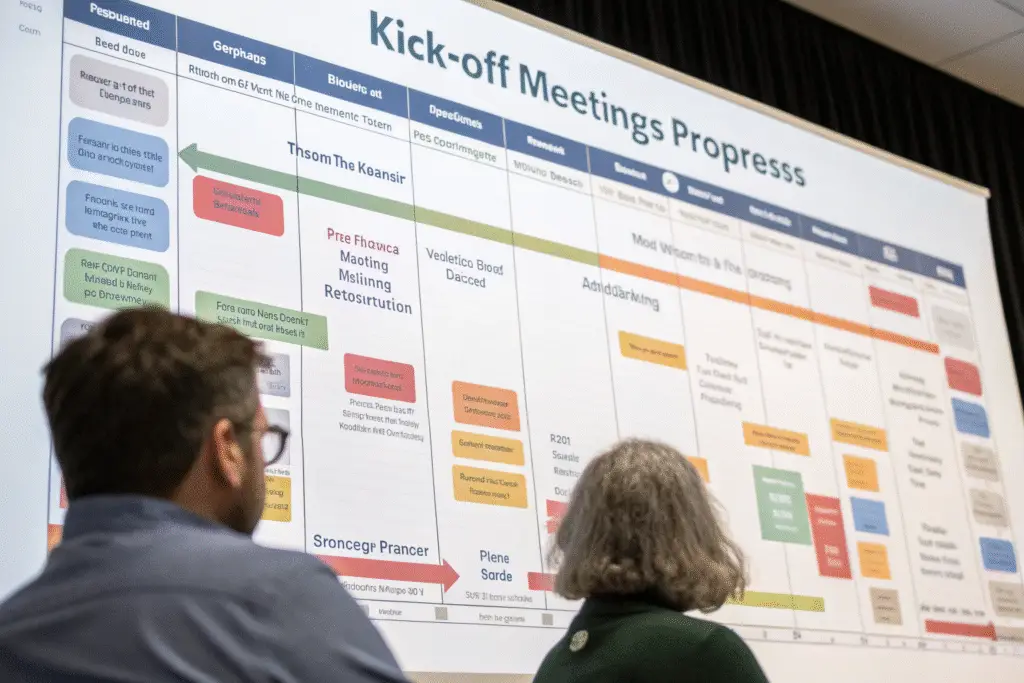
Essential topics include design aesthetic and brand DNA, technical specifications and tolerances, quality standards and inspection protocols, timeline expectations and critical milestones, and communication procedures. Our standard kick-off agenda at Shanghai Fumao includes 18 specific discussion points across these categories. This comprehensive approach recently helped a New York contemporary brand articulate that their "lived-in feel" required specific fabric brushing techniques and stitch tensions that weren't documented in their tech pack—crucial information that ensured their first samples matched their vision.
How should quality expectations be defined?
Quality standards must be translated from subjective descriptions to measurable criteria during the kick-off meeting. Rather than accepting "excellent quality" as a guideline, we push for specific defect acceptance levels, performance standards, and inspection methodologies. We introduce clients to the AQL (Acceptable Quality Level) sampling system and agree on appropriate levels for their product category and price point. This precise understanding prevented a potential conflict for a Canadian outerwear brand when we agreed during kick-off that their premium price point justified AQL 1.0 rather than the standard AQL 2.5, ensuring alignment on quality investment from day one.
What communication protocols need establishment?
Clear communication protocols prevent the inefficiencies of unstructured follow-ups and unclear responsibilities. The kick-off should establish primary contacts for different inquiry types, expected response times, meeting schedules, and escalation paths for urgent issues. We create a communication charter during our kick-off meetings that documents these agreements. A Japanese uniform company found this approach particularly valuable, as it clarified how to navigate time zone differences and language barriers before they could cause delays.
How to measure the ROI of a kick-off meeting?
The value of a kick-off meeting extends beyond subjective feelings of alignment to measurable business outcomes that justify the time investment.
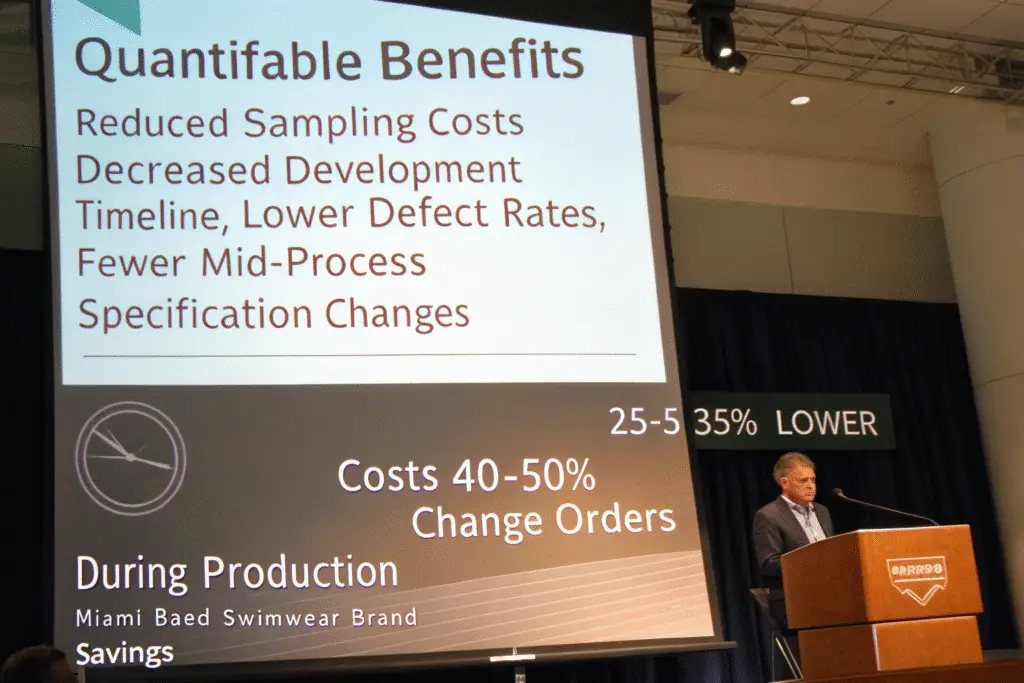
Quantifiable benefits include reduced sampling costs, decreased development timeline, lower defect rates, and fewer mid-process specification changes. We track these metrics across all client projects and consistently find that those with comprehensive kick-off meetings achieve 25-35% lower development costs and 40-50% fewer engineering change orders during production. A Miami-based swimwear brand documented saving $28,000 in their first season with us simply from avoiding the specification clarifications and resampling that had plagued their previous manufacturer relationships.
What metrics indicate a successful kick-off?
Success indicators include first-sample approval rates, reduction in clarification questions, adherence to initial timelines, and quality performance out of production. Since implementing structured kick-off meetings, Shanghai Fumao has seen first-sample approval rates improve from 35% to 68%, with clients reporting 60% fewer emails seeking clarification during development. The most successful kick-offs result in samples that require only minor adjustments rather than fundamental redirection.
How does the meeting affect long-term partnership quality?
The collaborative foundation built during kick-off meetings extends beyond immediate projects to strengthen ongoing partnerships. Clients who experience thorough kick-offs report higher trust, better problem-solving when issues arise, and more efficient repeat orders. A Seattle-based outdoor brand that started with a comprehensive kick-off three years ago now develops new styles 40% faster than their initial projects because the shared understanding and communication patterns established during that first meeting have become the foundation of our ongoing collaboration.
Conclusion
A development kick-off meeting is arguably the highest-return investment in your product creation process. The 60-90 minutes spent aligning with your manufacturing partner before development begins typically saves weeks of timeline, thousands of dollars in avoided rework, and countless frustrations from misaligned expectations. More importantly, it transforms your manufacturer from a passive order-taker to an active partner in bringing your vision to life.
If you're ready to experience the difference a strategic kick-off meeting can make, we'd be honored to show you how our systematic approach sets projects up for success from day one. At Shanghai Fumao, we've refined our kick-off process through hundreds of successful partnerships. Contact our Business Director Elaine at elaine@fumaoclothing.com to schedule your next project kick-off and discover how alignment from the start creates better outcomes at the finish.