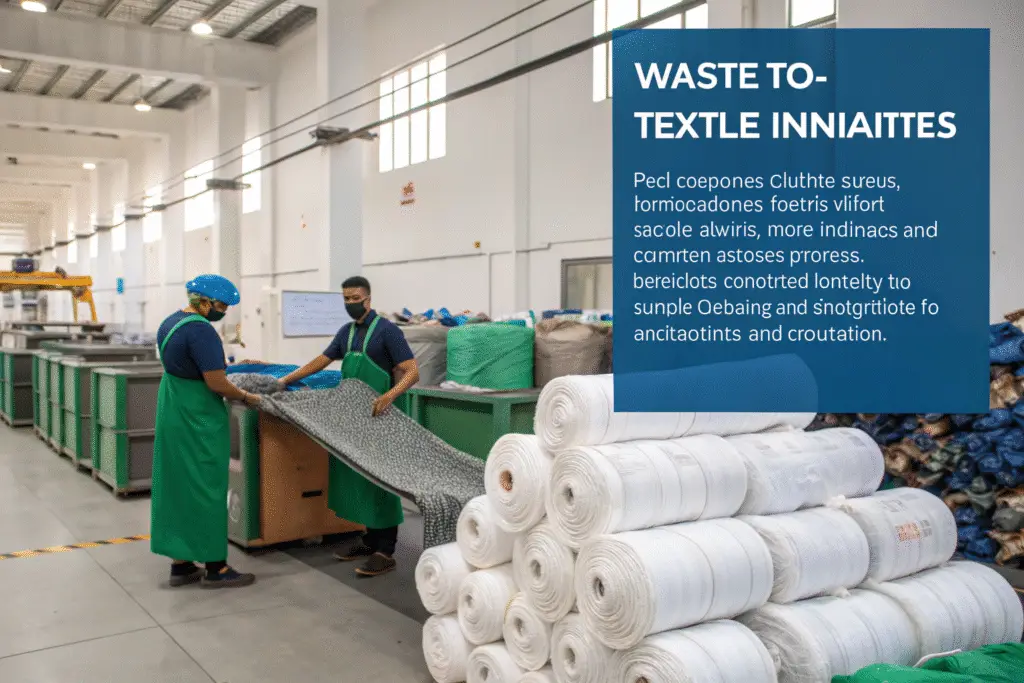
The apparel sector faces mounting environmental and regulatory pressures. Landfills are overflowing with discarded garments, synthetic fibers pollute ecosystems, and demand for fast fashion accelerates waste. For global apparel buyers, distributors, and brand owners, the challenge is clear: integrate sustainability without compromising cost, quality, or delivery timelines. Waste-to-textile initiatives—systems that regenerate post-consumer clothing, pre-consumer scraps, and even industrial byproducts into usable fibers—offer a practical path forward.
Adopting waste-to-textile initiatives reduces environmental impact, supports compliance with emerging regulations, appeals to sustainability-driven consumers, and unlocks new business opportunities. For companies sourcing apparel, these initiatives ensure long-term supply chain resilience and provide measurable ESG outcomes.
Reducing Environmental Impact Through Textile Recycling
Circular textile systems help mitigate the environmental footprint of fashion by diverting waste from landfills and regenerating fibers into new materials.
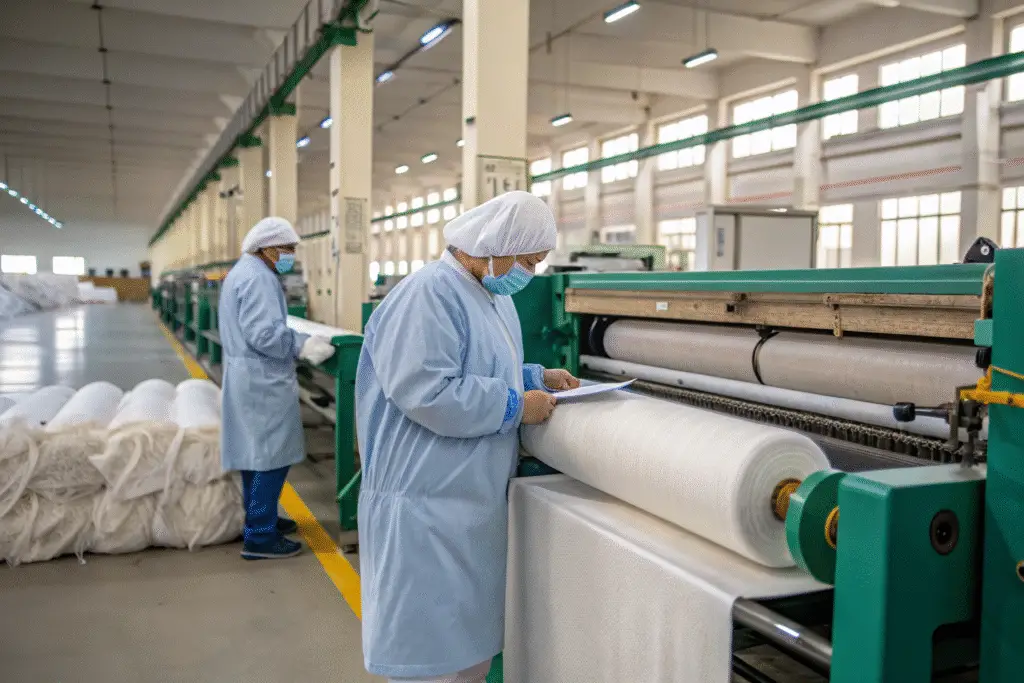
How does waste-to-textile minimize resource use?
By extending fiber life cycles, companies reduce dependence on virgin cotton and polyester. This cuts water-intensive farming and lowers greenhouse gas emissions. The Ellen MacArthur Foundation emphasizes that textile-to-textile recycling can reshape the industry into a restorative system.
Are there scalable solutions for suppliers?
Yes. Global frameworks such as those promoted by Textile Exchange enable suppliers to adopt fiber recycling models. Participation builds credibility with international buyers who require transparent sustainability metrics.
Meeting Global Consumer Demand For Sustainability
Today’s consumers are increasingly selective, especially in U.S. and European markets, where transparency and accountability drive purchasing decisions.

Why do consumers expect waste-to-textile solutions?
Studies by McKinsey & Company show younger consumers, especially Gen Z, prefer brands that integrate circular economy practices. Waste-to-textile innovation signals responsibility and progress.
How does this shape wholesale sourcing?
Distributors and brand buyers increasingly demand evidence of sustainability. Suppliers with waste-to-textile initiatives gain access to premium contracts. The Sustainable Apparel Coalition highlights textile waste reduction as a benchmark for supplier evaluation.
Strengthening Brand Image And Regulatory Compliance
Sustainability is no longer limited to marketing—regulatory frameworks demand action. The European Union and the U.S. are implementing Extended Producer Responsibility (EPR) laws that require brands to manage textile waste.

How does circularity enhance brand reputation?
Adopting waste-to-textile positions companies as industry leaders. For instance, H&M’s recycling program boosted the brand’s global recognition and improved consumer trust.
What about regulatory compliance?
The European Commission textile strategy outlines strict requirements for waste reduction and recycling. Implementing textile-to-textile systems now ensures compliance and mitigates future legal risks.
Creating New Business Opportunities From Waste
Circular fashion is not only sustainable but profitable. Waste-derived fibers create new markets, attract investors, and support cost savings over time.

What opportunities exist for suppliers?
Regenerated textiles can be positioned as premium sustainable products. They appeal to eco-fashion and performance markets. Companies like Renewcell are proving the commercial viability of large-scale waste-to-textile solutions.
Can circularity reduce costs?
Yes. Reducing reliance on virgin raw materials can lower costs and stabilize supply chains. Reports by Global Fashion Agenda show that circular models improve long-term profitability and attract sustainability-driven investment.
Conclusion
Waste-to-textile initiatives represent a strategic transformation for the apparel industry. They reduce ecological impact, meet rising consumer expectations, ensure compliance with regulatory frameworks, and open doors to profitable business models.
For brand owners, distributors, and apparel buyers, sourcing from suppliers with established waste-to-textile practices provides assurance of reliability, market differentiation, and measurable sustainability performance. At Shanghai Fumao Clothing, we are committed to integrating waste-to-textile innovation into our production processes. To explore eco-friendly apparel solutions tailored for your business, contact our Business Director Elaine at elaine@fumaoclothing.com.