I’ve lost count of how many times buyers in the outdoor market told me the same story: “The zipper broke, and the trip was ruined.” Honestly, it’s almost funny—such a tiny part, but it can turn a $400 tent into dead weight. Well, that’s exactly why self-healing zippers are starting to attract more attention.
The concept sounds simple: a zipper that realigns when teeth separate. No fiddling with repair kits, no panic on the trail. And actually, for outdoor gear where reliability is everything, it feels less like a gimmick and more like insurance.
From my observation working with technical garments, zippers are often the first item in the complaint column. A jacket fabric may survive years, but one broken zipper and the whole product is useless. Self-healing versions won’t solve every issue, but they do cut down on failures. Let me walk through why they matter so much.
Reliability in Harsh Outdoor Conditions
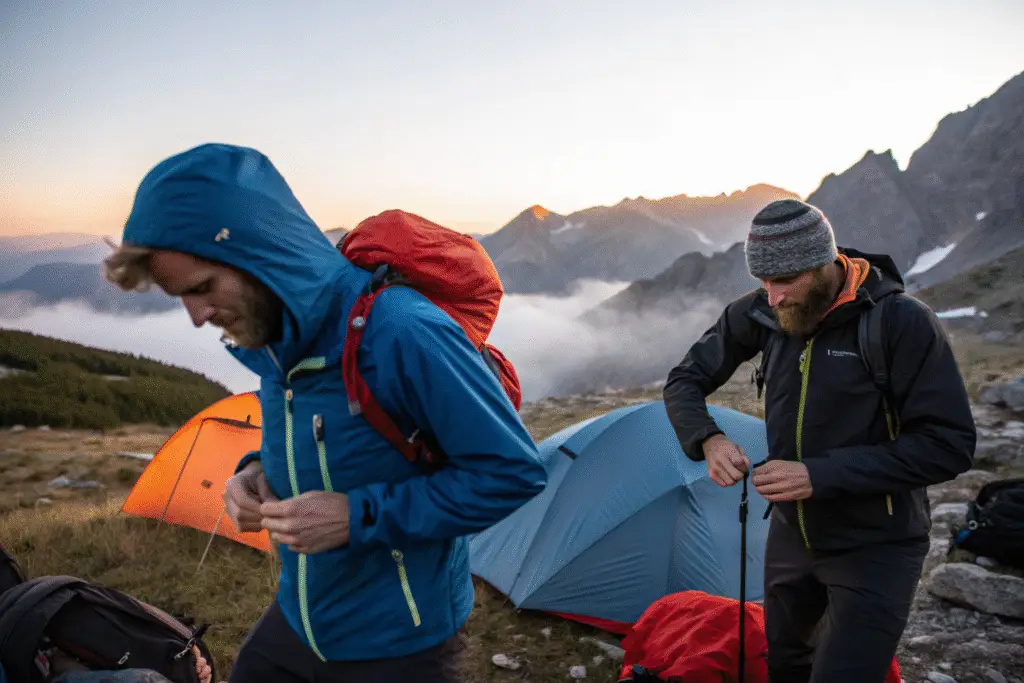
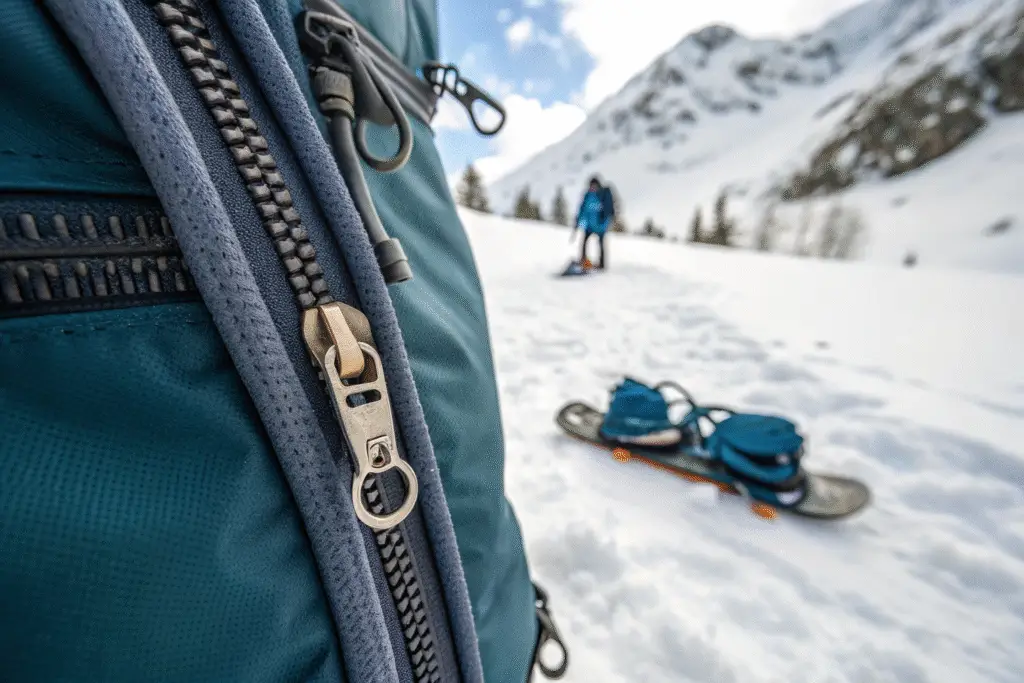
Anyone who’s camped in cold weather knows the truth: small failures quickly become big problems. A zipper that splits in freezing rain is not just inconvenient—it can be dangerous.
That’s where self-healing zippers shine.
Why does reliability matter so much?
Well, picture a hiker 20 miles from base camp. Their jacket zipper pops open in high wind. It sounds minor, but that exposure can escalate to a safety issue. Brands like Patagonia and The North Face have built reputations around durability. And yet, zippers are still the weak link.
How do self-healing zippers improve durability?
They allow users to drag the slider back over misaligned teeth and “heal” the gap. In my experience, this single feature prevents a lot of unnecessary warranty claims. Major suppliers such as YKK have engineered self-repairing versions for years. Outdoor gear makers who use them reduce failures without redesigning the entire product.
Enhanced User Experience for Consumers
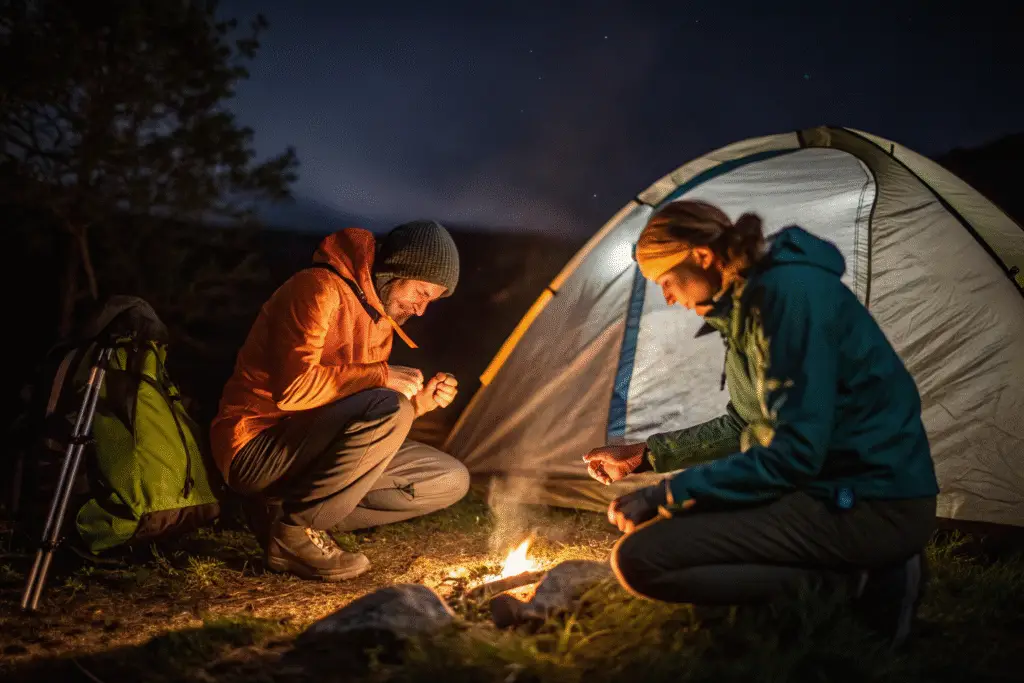
If you ask consumers what they remember most about a bad trip, surprisingly often they’ll say: “The zipper stuck, and I couldn’t close the tent.” That frustration sticks with them longer than the actual rainstorm.
Self-healing zippers flip that story.
Why do consumers appreciate this feature?
Because it gives them confidence. Most people don’t carry tools or spare sliders. In my experience, they just yank the zipper harder until it breaks completely. A self-healing version keeps them moving, no extra stress. Outdoor retailers like REI emphasize reliability features because they know customers want peace of mind.
Does it really impact brand reputation?
Yes. I’ve seen reviews where buyers rave that “the zipper fixed itself.” It sounds small, but those positive stories spread quickly. And frustratingly, the opposite is also true—a single failed zipper can overshadow every other good feature. In today’s review-driven market, that’s too risky to ignore.
Cost Savings and Reduced Returns
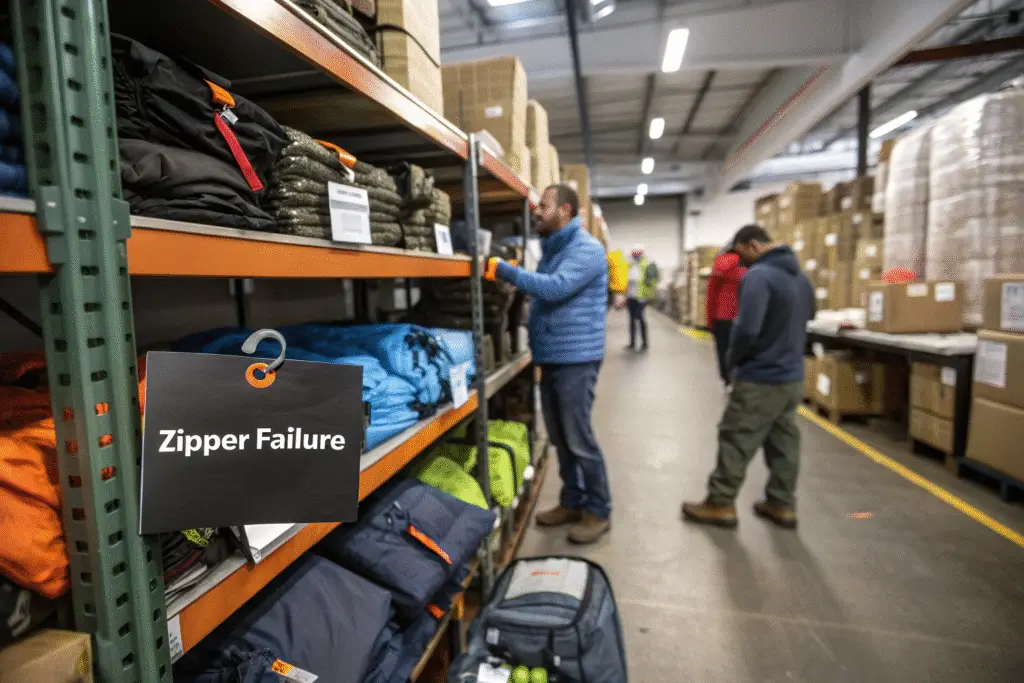
From the factory side, returns are expensive headaches. Shipping, inspection, replacement—it all eats into margins. And more often than not, zipper failures are the culprit.
Self-healing technology reduces these pain points.
How does this save money?
Every product that comes back costs more than the unit itself. There’s logistics, customer service, and reputational damage. Companies like Gear Aid even built entire businesses around selling repair kits, which shows how common the issue is. Imagine not needing those kits in the first place.
Is the investment worth it?
I think so. Yes, self-healing zippers cost a little more upfront, but they extend lifespan and reduce warranty claims. For outdoor gear, especially in North America and Europe, customers pay extra for reliability. In my experience, that tradeoff almost always pays for itself in fewer returns.
Competitive Differentiation in a Crowded Market
The outdoor market is saturated. Every brand claims durability, weather resistance, or sustainability. But not every brand can say: “Our zippers fix themselves.”
That detail becomes a differentiator.
How does this feature differentiate brands?
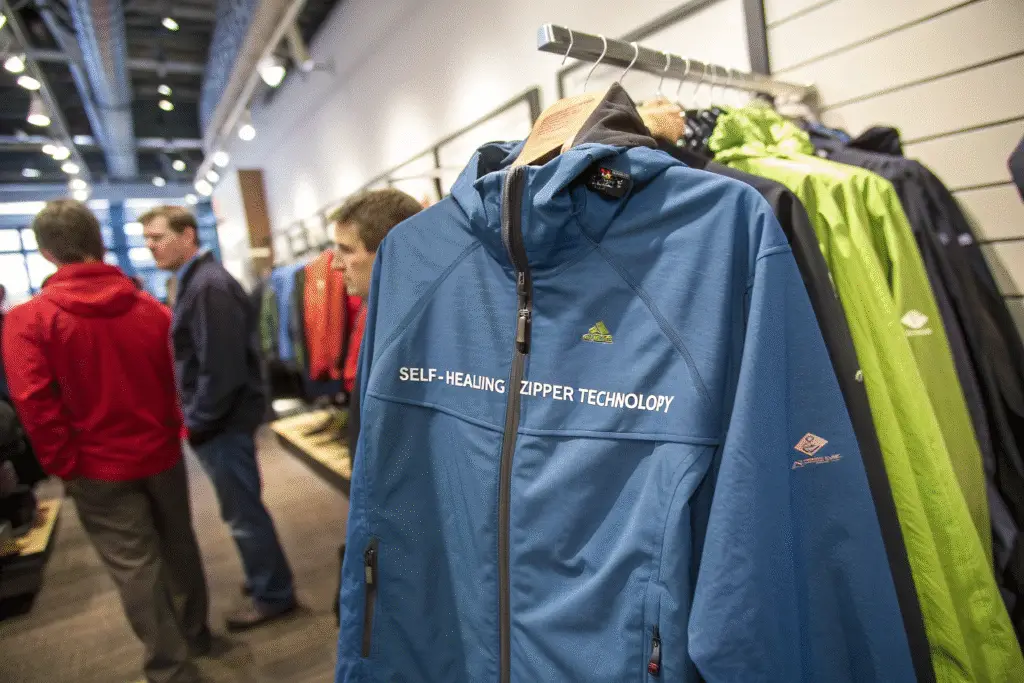
In my observation, when two jackets look similar—same waterproof rating, same insulation—the zipper story wins attention. Shoppers see it as innovative and premium. Highlighting this in product tags or ads makes a product stand out on crowded shelves.
Who is already adopting this technology?
Big zipper makers like YKK have marketed self-healing zippers for years. Some outdoor brands use them quietly, but surprisingly, not many highlight it loudly. That means early adopters still have a chance to own the narrative.
Conclusion
Self-healing zippers may seem like a tiny detail, but for outdoor gear, they solve one of the biggest pain points. They bring reliability in harsh conditions, improve user satisfaction, cut warranty costs, and create a clear market differentiator.
As someone who’s worked in apparel production, I’ve seen how often zippers ruin otherwise great products. Honestly, it’s frustrating to watch good jackets fail because of a $2 component. That’s why I believe implementing self-healing zippers is more than just a feature—it’s a necessity. If you want to explore adding them to your gear, contact our Business Director Elaine at elaine@fumaoclothing.com. At Shanghai Fumao, we can help bring these innovations into your production so your products earn trust where it matters most—out in the wild.