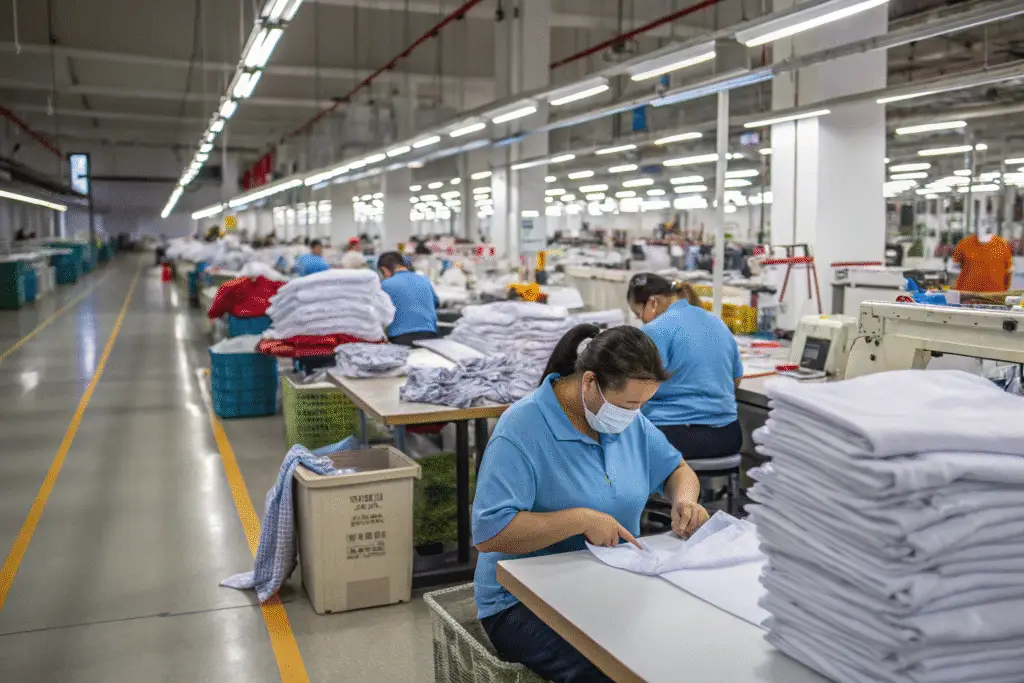
In today’s competitive apparel market, delays, miscommunication, and quality issues can cost brands their reputation and profit margins. Without a clear, instant view of what is happening on the production floor, decision-making is slow, problems escalate, and shipment deadlines get missed.
Real-time production tracking systems provide live visibility into every stage of manufacturing. By capturing, analyzing, and displaying data instantly, they allow apparel manufacturers to react quickly, maintain quality, and ensure on-time delivery.
For our U.S. brand partners, where selling seasons are short and competition is fierce, implementing real-time tracking is no longer optional—it’s a competitive advantage that drives efficiency, trust, and growth.
Improve Production Efficiency and Reduce Delays
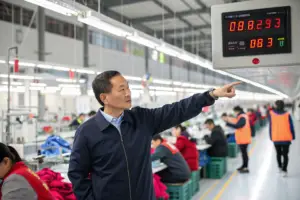
Delays in garment production often occur due to miscommunication, manual reporting, and reactive problem-solving. When each production line is monitored in real time, managers can identify bottlenecks immediately and take corrective action before delays snowball.
With a real-time tracking system, each workstation’s output is visible instantly. This allows supervisors to balance workloads, reassign tasks, and prevent idle time. The result is a smoother, faster, and more predictable production flow.
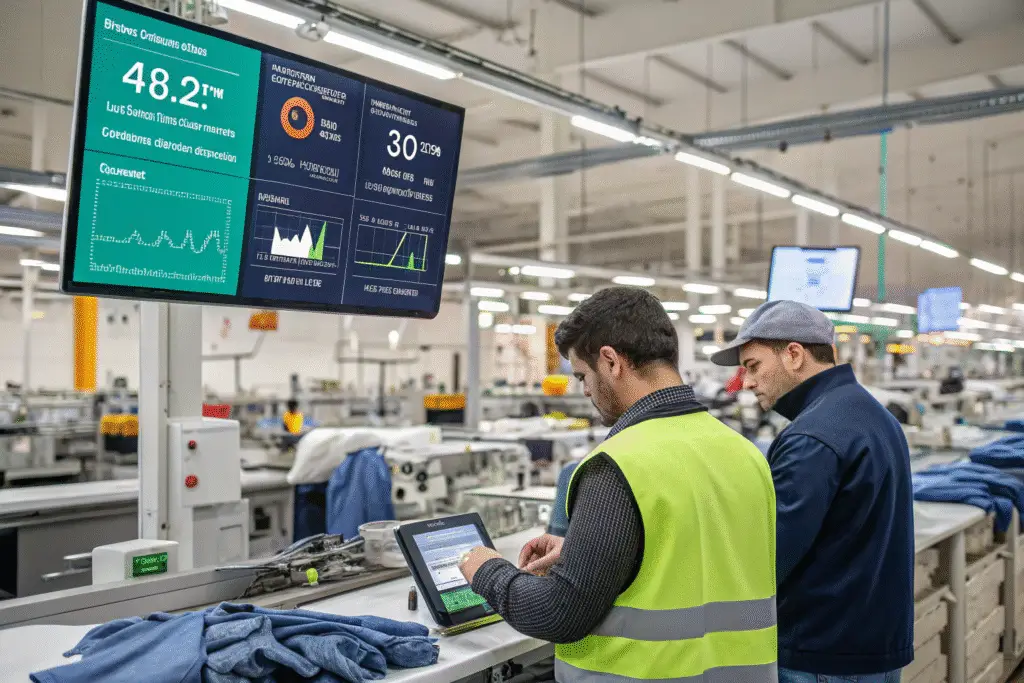
How Can Real-Time Tracking Reduce Downtime?
When downtime happens—whether due to machine failure or fabric shortages—every minute counts. A tracking system alerts supervisors instantly, enabling them to deploy technicians, switch production lines, or adjust schedules on the spot. According to McKinsey’s operations research, companies using such systems have cut downtime by up to 30%. Additionally, Garment Technology Expo showcases innovations that integrate predictive maintenance to prevent failures before they happen.
What Role Does Workforce Allocation Play in Speed?
Real-time data helps managers shift team members where they’re most needed. For example, if a jacket sewing line is ahead of schedule but the trouser line is behind, supervisors can temporarily move skilled operators to balance progress. Platforms like FastReactPlan allow drag-and-drop workforce planning, ensuring production remains on track while avoiding overtime costs.
Enhance Quality Control from Start to Finish
In the apparel industry, a single unnoticed defect can lead to costly returns, brand damage, and customer dissatisfaction. Real-time tracking integrates with quality control checkpoints, ensuring that every piece is inspected before moving forward.
When quality data is updated instantly, defects are traced back to the exact machine, operator, or batch. This allows for targeted retraining, machine calibration, or process adjustment—before a quality issue affects an entire shipment.
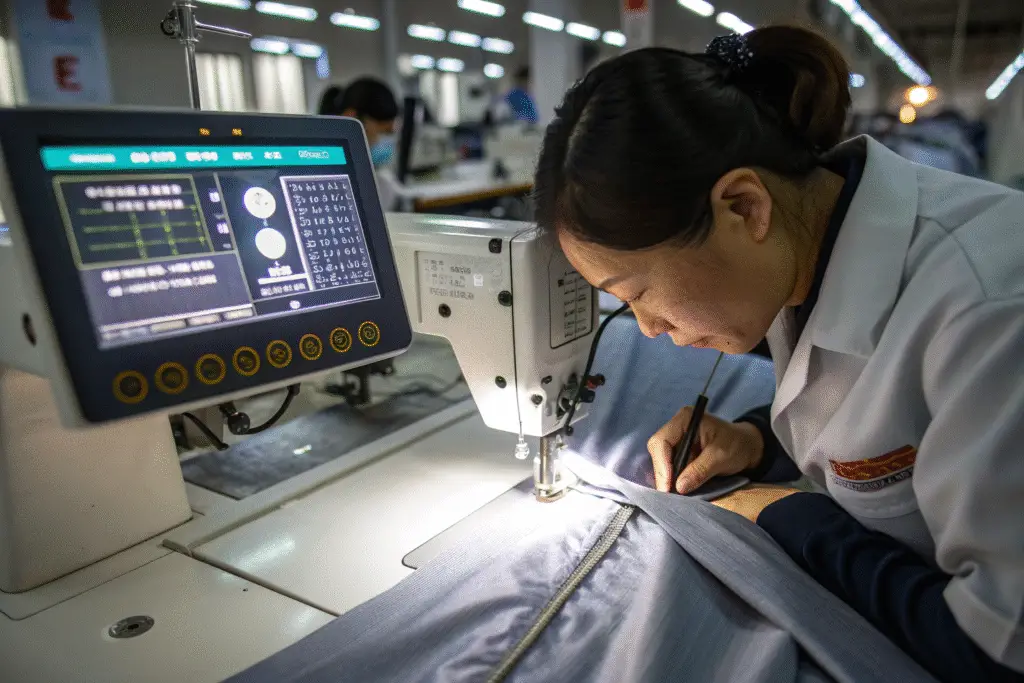
How Does Real-Time QC Prevent Large-Scale Defects?
By monitoring defect rates in real time, QC managers can stop production when a pattern of flaws emerges. For example, if a batch of shirts shows uneven stitching, the tracking system pinpoints the operator and sewing machine involved. Resources like American Apparel and Footwear Association recommend integrating QC analytics into every stage for maximum effectiveness.
Can Digital QC Data Improve Supplier Transparency?
Yes. Real-time QC data can be shared directly with brand partners, proving that products meet agreed standards. This builds trust and reduces the need for extensive post-production inspections. Companies like Lectra offer integrated platforms where brands can log in and see live QC reports, ensuring transparency and accountability.
Strengthen Supply Chain Visibility and Collaboration
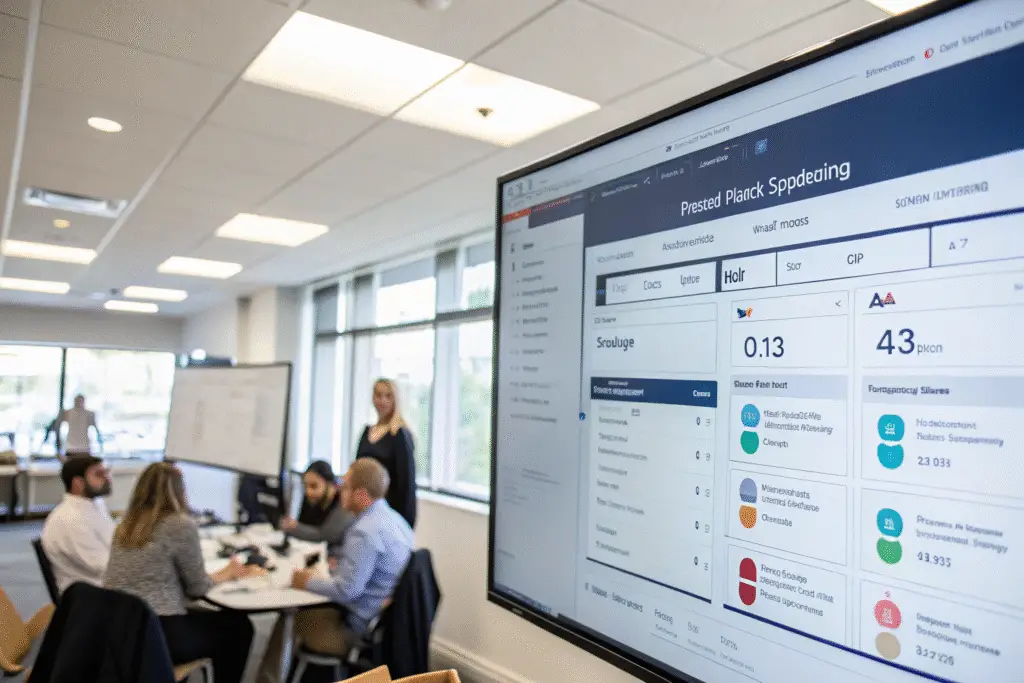
Real-time tracking systems connect not just the factory floor, but also suppliers, logistics providers, and brand clients. By integrating production data with supply chain management software, everyone in the process sees the same live updates.
This shared visibility reduces misunderstandings, ensures timely approvals, and keeps shipments aligned with seasonal demand.
How Does Live Tracking Improve Supplier Coordination?
When fabric shipment delays occur, the system instantly updates the production schedule, allowing teams to adjust cutting and sewing timelines. Platforms like Infor Nexus enable suppliers and factories to communicate and confirm delivery changes in real time, minimizing disruption.
Can Real-Time Systems Reduce Shipping Delays?
Absolutely. When production milestones are tracked live, logistics providers can plan pickups and customs clearances more efficiently. According to Logistics Management, integrating factory tracking with freight forwarding software reduces port dwell time and improves delivery reliability by over 20%.
Gain a Competitive Advantage in a Fast-Moving Market
In fashion, speed and adaptability determine success. Brands that can launch products faster—without sacrificing quality—win more customers and command higher margins.
Real-time production tracking empowers apparel manufacturers to meet market trends quickly, customize orders efficiently, and build a reputation for reliability.

How Does Faster Response Boost Sales?
When trends shift, brands with agile manufacturing can launch matching products in weeks instead of months. A Business of Fashion case study found that brands using real-time tracking shortened lead times by up to 40%, enabling them to capitalize on viral fashion trends.
Can Real-Time Tracking Support Small-Batch Customization?
Yes. With detailed live data, factories can efficiently handle multiple small-batch orders without losing productivity. Solutions like Gerber Technology’s YuniquePLM integrate customization into the main production flow, enabling brands to test new designs in the market without overproducing.
Conclusion
Real-time production tracking systems are not just a technology upgrade—they are a strategic tool for apparel manufacturers and their brand partners. They improve efficiency, maintain consistent quality, strengthen supply chain collaboration, and give brands the speed they need to win in a competitive market.
At Shanghai Fumao, we help our clients integrate these systems into their production processes to achieve predictable delivery times and superior quality. If you want a manufacturing partner who values transparency, speed, and excellence, contact our Business Director Elaine at strong>elaine@fumaoclothing.com and let us produce your next apparel line with precision.