Wholesale apparel—well, it’s a market that never sleeps. Prices shift, demand fluctuates, and competition is fierce. To be honest, sticking to a fixed pricing model feels almost outdated now. Many wholesalers still do it, of course, but the ones who adapt faster… they’re the ones who keep margins healthy and customers satisfied.
Dynamic pricing is simply the practice of adjusting wholesale prices in real time based on demand, supply, competition, and costs. Done right, it doesn’t confuse buyers—it strengthens your market position while protecting profits.
Actually, the old way of pricing ignores crucial signals. Inventory piles up, demand spikes go underutilized, and raw material changes eat into margins. Dynamic pricing, on the other hand, allows you to breathe with the market. Personally I think—it’s no longer just an option; it’s becoming a survival tool.
Better Demand Forecasting and Inventory Control
One of the greatest struggles wholesalers face? Overstock. Slow-moving stock eats up warehouse space and capital.
Dynamic pricing helps balance supply and demand by lowering prices when stock is heavy and raising them when demand is hot.
How Does It Improve Inventory Management?
When items move fast, you increase prices slightly—capturing more value. When shelves are clogged, discounts encourage movement. Rarely do fixed-price systems give you that agility. Tools like Oracle NetSuite integrate pricing with inventory to automate these shifts.
Can It Reduce Overstocking Risks?
Yes—and quite dramatically. Reports from McKinsey & Company highlight that wholesalers applying dynamic pricing see fewer clearance losses. Actually, it’s simple math: adjust early, and stock never becomes “dead.” Leave it too late, and markdowns eat your margin.
Increased Profit Margins
Lower prices when needed, higher when justified. That’s dynamic pricing in action.
By aligning prices with demand curves, wholesalers can increase total revenue while keeping customers happy.

When Does Dynamic Pricing Raise Profits?
During peak periods—back-to-school, holidays—you raise prices a little. Buyers still purchase because demand is strong. Off-peak? Discounts drive movement, ensuring steady cash flow. Giants like Amazon and Walmart have shown this model works.
Isn’t There a Risk of Losing Buyers?
To be honest, that’s a fair concern. But when done with transparency, buyers actually appreciate the fairness. Wholesale buyers already expect tiered discounts, so dynamic adjustments feel natural. Harvard Business Review explains how structured pricing increases both loyalty and perceived value.
Stronger Competitive Position
Wholesale is cutthroat. Buyers compare prices constantly—Alibaba listings, local agents, trade shows.
Dynamic pricing ensures you’re never too high to lose the deal nor too low to lose your margin.
How Does It Help Against Competitors?
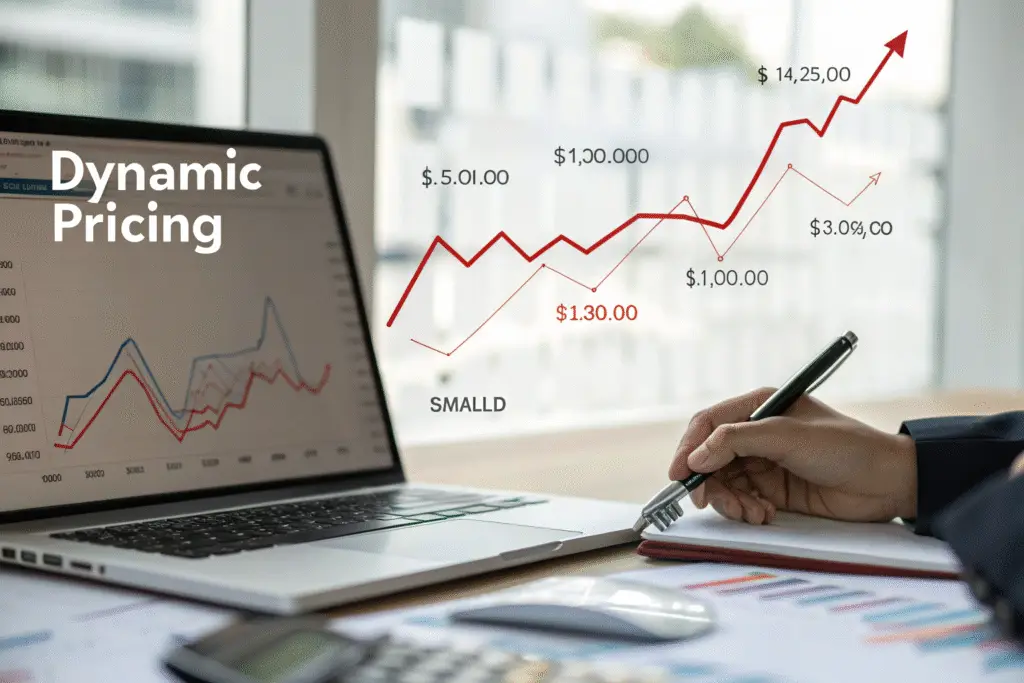
Systems can track competitor pricing in real time, adjusting accordingly. This is common in e-commerce, but now it’s entering wholesale. By monitoring Alibaba, wholesalers can stay competitive without knee-jerk undercutting.
What About Building Brand Value?
Personally I think—pricing is not only about being the cheapest. Sometimes, charging slightly more signals quality. Reports from Deloitte note that value-based adjustments reinforce brand positioning, avoiding destructive price wars.
Adaptability to Market Volatility
Cotton, polyester, logistics, fuel—everything moves. Fixed pricing freezes you in place, even as costs climb.
Dynamic pricing allows wholesalers to react instantly to raw material shifts, safeguarding margins.

How Do Wholesalers Respond to Rising Costs?
With flexible pricing, part of the cost is absorbed, part is passed on. Margins don’t collapse overnight. Supply Chain Dive documents cases where apparel wholesalers protected earnings this way.
Can It Improve Buyer Trust?
Yes, and surprisingly so. Buyers often distrust static pricing when markets are volatile. A rational, data-backed adjustment builds confidence. Plus, locked-in agreements for key partners can coexist with dynamic systems—showing flexibility without chaos.
Conclusion
Dynamic pricing—it’s not just math. It’s survival. By responding to demand, controlling inventory, boosting margins, staying competitive, and handling volatility, wholesalers gain the edge. To be honest, those who ignore it may soon find themselves outdated, stuck with stock and shrinking profits.
At Shanghai Fumao Clothing, we already understand this shift. We combine competitive apparel manufacturing with pricing strategies that adapt to global markets. If your business is ready for a partner who values both product and smart pricing, reach out to our Business Director Elaine at elaine@fumaoclothing.com.