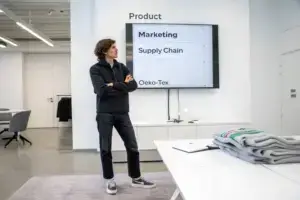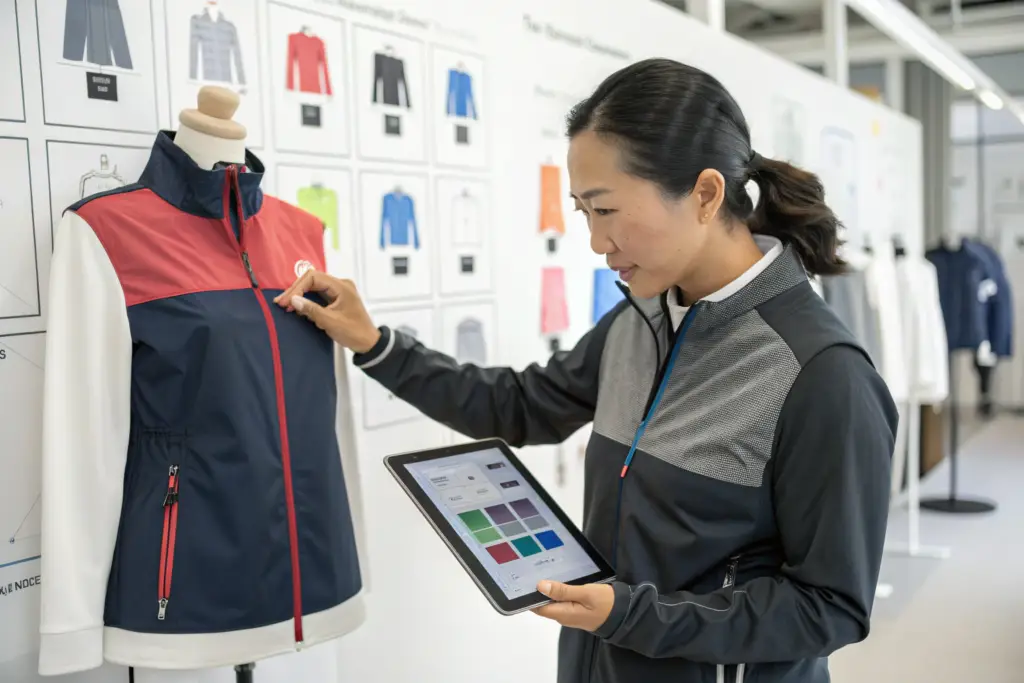
Every serious golfer knows that performance depends on layers. You have your base layer for moisture, your mid-layer for warmth, and your outer shell for protection. But have you ever considered the hidden layers of chemicals that might be in those garments? If you are sourcing golf apparel for your brand, overlooking the textile certification of each individual component is a risk you cannot afford. It can affect your customers' skin, your brand's reputation, and your bottom line.
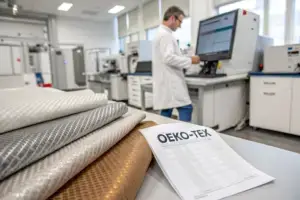
Golf apparel is technical wear that sits close to the skin for hours during active play. Independent OEKO-TEX STANDARD 100 certification for every single layer—from the inner lining to the outer fabric—guarantees that each material is free from harmful levels of over 100 regulated substances, ensuring safety and comfort for the end-wearer. As a manufacturer, we see this not as a cost, but as a fundamental quality standard for any performance-oriented clothing line targeting the discerning American market.
The conversation around safety in sportswear often stops at the final garment. However, true safety and quality assurance begin much earlier in the supply chain. Let's break down why a holistic, layer-by-layer approach to textile testing is the only reliable path for brands that value their customers.
What Harmful Substances Could Be in Untested Golf Apparel Layers?
You trust your supplier when they say the fabric is "safe." But without independent verification for each component, you are taking their word for it. The reality is that various chemical residues can remain from the complex textile manufacturing process.
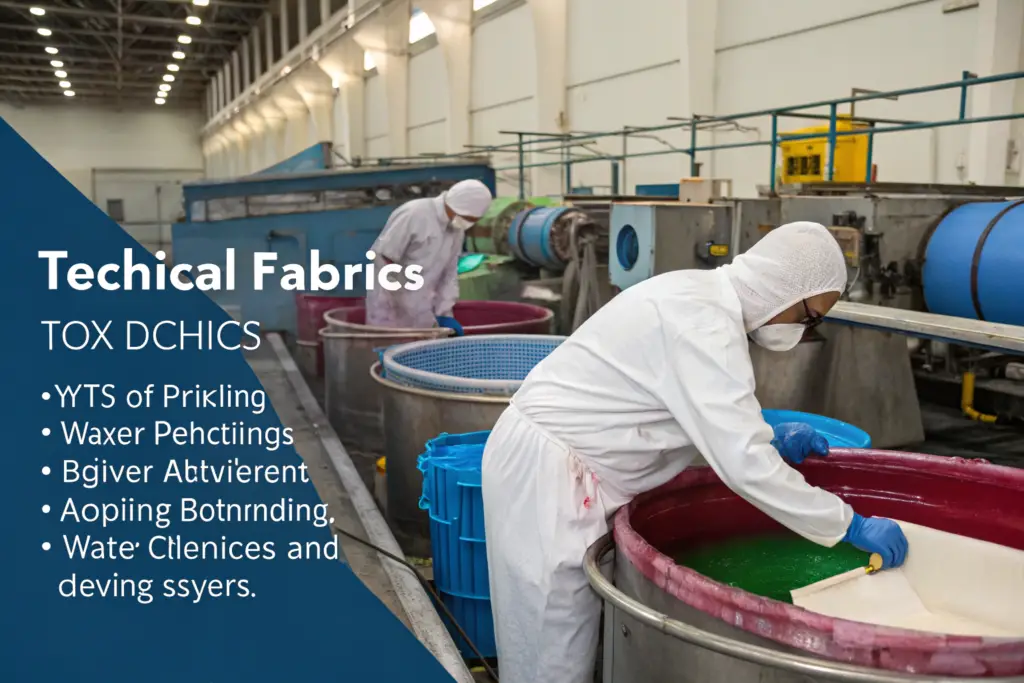
Chemicals are used at nearly every stage of creating technical fabrics. Dyes, prints, water repellents, and bonding adhesives all introduce potential toxins. A common misconception is that if the outer shell fabric passes a test, the entire garment is safe. This is false. For instance, in 2023, we conducted an internal audit on a batch of golf pants from a new fabric mill. The main woven fabric was fine, but the sublimation printing on the inner waistband and the adhesive used for the label failed screening for specific amines. Had we not tested each component separately, these pants would have reached the customer.
The risks are not just theoretical. They connect directly to wearer health and brand liability.
Why Should You Worry About Skin Contact with Chemicals During a Round?
A typical 18-hole round means your apparel is in intimate contact with skin for 4-5 hours. Body heat and sweat can accelerate the release of any residual chemicals from the textile. This isn't just about allergies; it's about prolonged low-grade exposure. Substances like phthalates (sometimes used in prints or softeners) or heavy metals from certain dyes can be absorbed through the skin. For a brand, a single complaint about skin irritation can spiral into a larger product safety review, especially in markets with strict consumer protection laws like the United States. We build trust by proving safety proactively, not reactively.
How Can Adhesives and Trims Become Hidden Hazard Sources?
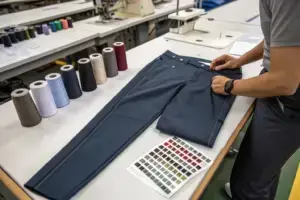
The main fabric is often just 70% of the garment's material composition. The remaining 30%—interlinings, bonding glues, sewing threads, zippers, and even decorative trims—are frequently overlooked. These items often come from specialized sub-suppliers. At Shanghai Fumao, we mandate that every trim supplier provides a valid OEKO-TEX certificate for their specific component. We learned this the hard way years ago when a shipment of otherwise perfect golf jackets was held at customs because the plastic stabilizers in the zipper pullers exceeded local regulatory limits. Since implementing layer-by-layer certification, our shipment rejections have dropped to zero.
How Does Layer-Specific Testing Prevent Supply Chain Deception?
The global apparel supply chain is complex and opaque. A fabric mill might provide a certificate for a "representative" material, but the actual shipment could be from a different, cheaper batch. This is a critical pain point for buyers like you who cannot be on the factory floor every day.
Independent, component-specific testing acts as an unbiased checkpoint. It verifies that the exact material you paid for is the one that gets used. It removes the ambiguity and holds every link in the supply chain accountable. We treat our clients' brands as our own, which is why our quality control process includes random batch testing against the certified component specifications. This dual-check system has saved our clients from several potential disasters.
Let's examine two areas where deception can easily occur without rigorous checks.
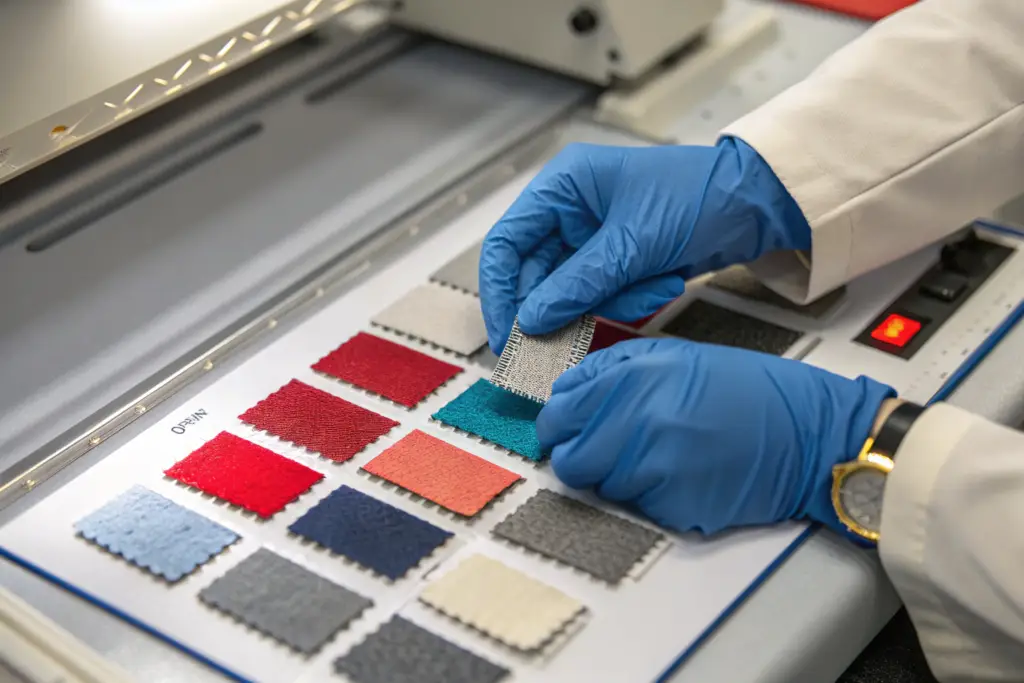
Can a Fabric Mill’s General Certificate Guarantee Your Specific Batch?
Often, a mill obtains a broad certificate covering a general fabric type. However, chemical formulations, dye lots, and finishing processes can change monthly based on cost and availability of raw chemicals. A general certificate is not a guarantee for your specific purchase order. True security comes from a test report that links directly to the batch number of the fabric roll used in your production. We insist on this for all our orders at Shanghai Fumao. For a recent client's golf polo order, the mill's general certificate was valid, but our batch-specific test revealed a higher-than-acceptable level of formaldehyde in the finishing agent. We rejected the fabric, sourced a compliant alternative, and avoided a delayed shipment.
What If Your Sewing Factory Substitutes a Cheaper Lining?
Outsourcing production adds another layer of risk. Even if you provide certified fabrics, a factory under cost pressure might substitute an uncertified, cheaper lining or interlining, assuming no one will notice. Without testing the final garment's individual layers, you would never know. The table below outlines common substitution risks and how layer-specific testing catches them:
| Component Specified | Common Substitution Risk | How Layer Testing Catches It |
|---|---|---|
| OEKO-TEX Certified Mesh Lining | Non-certified mesh from local market | The lining material will fail independent chemical analysis. |
| Specific Brand of Waterproof Membrane | Generic, less durable membrane | Performance tests (not just chemical) will show different results. |
| Approved Sewing Thread | Lower-quality thread with different dye | Thread combustion residue analysis reveals chemical differences. |
What Are the Tangible Business Benefits for Your Brand?
Investing in comprehensive, layer-by-layer testing is not just an expense; it's a strategic business decision with clear returns. It directly addresses the core concerns of modern consumers and retail partners who are increasingly informed and demanding transparency.
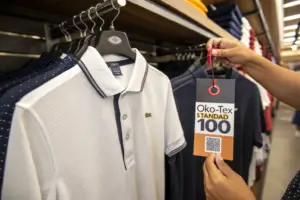
Firstly, it becomes a powerful marketing tool. You can confidently use the OEKO-TEX label on your hangtags, knowing it is backed by rigorous science. This enhances brand reputation and justifies a premium price point. Secondly, it dramatically reduces business risk. By ensuring compliance from the start, you avoid costly recalls, customs seizures, and legal liabilities. The cost of testing is minimal compared to the cost of a single failed shipment.
The benefits manifest in two key areas: market trust and operational smoothness.
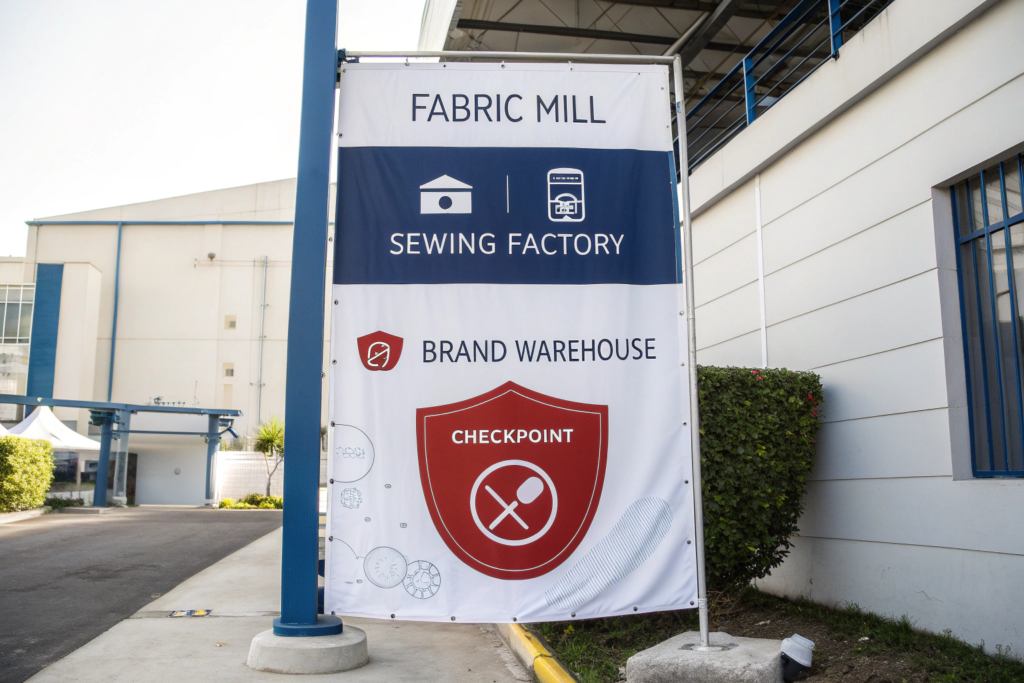
How Does This Testing Build Stronger Retailer Relationships?
Major retailers and distributors in North America and Europe are tightening their Responsible Sourcing requirements. They require documented proof of product safety. Providing them with a comprehensive dossier of independent certifications for each garment component streamlines the onboarding process. It demonstrates that you are a professional, low-risk partner. Last year, a client of ours used our full-package certification documentation to successfully secure shelf space in a major sporting goods chain, beating two competitors who only had final garment test reports.
Can It Actually Improve Your Production Timeline Reliability?
Paradoxically, adding a testing step can make your supply chain more reliable. By catching non-compliant materials early—at the component stage—you prevent production lines from being halted halfway. You avoid the nightmare scenario of having 10,000 nearly-finished garments that cannot be shipped because a failed final test. Our system at Shanghai Fumao tests components as they arrive. This "quality gate" approach ensures that only approved materials enter production, leading to predictable and on-time shipments. It directly solves the pain point of delayed shipments causing missed selling seasons.
How to Implement a Foolproof Layer-Verification System with Your Supplier?
Knowing you need layer-specific testing is one thing; implementing it effectively with an overseas supplier is another. The key is to make it a non-negotiable part of your technical pack and order contract, and to work with a manufacturer who understands and champions this process.
Start by specifying clearly: "Every discrete material component (fabric, lining, interlining, thread, trim, zipper, button, adhesive) must have a current, independent OEKO-TEX STANDARD 100 certificate, and final shipment is contingent upon passing a composite audit." Then, partner with a factory like ours that has an integrated system to manage this. We act as your extension, managing the certification logistics across our vetted network of trim and fabric suppliers.
Here is a practical two-step framework to ensure compliance.

What Key Questions Must You Ask a Potential Manufacturing Partner?
Do not just ask, "Are your products OEKO-TEX certified?" That is too vague. You must drill down with specific questions:
- "Can you provide the OEKO-TEX certificate for each component for my specific style?"
- "What is your process for verifying certificates from your sub-suppliers?"
- "How do you handle a situation where a material fails a pre-production test?"
- "Can I see an example of the test report dossier you provide for a completed order?"
The answers will separate communicative, transparent partners from those who might cut corners. A reliable partner will have a clear, documented workflow.
What Should a Reliable Certification Management Process Look Like?
A trustworthy factory will have a system similar to this:
- Pre-Production Verification: Before cutting, all incoming material certificates are collected and verified against the order. A master file is created for the style.
- In-Process Batch Testing: Random samples from production rolls are sent for independent lab testing to confirm they match the pre-approved specifications. Organizations like the International Association for Research and Testing in the Field of Textile Ecology provide accredited labs globally.
- Final Audit & Documentation: Before shipment, a selected finished garment may be tested as a final audit. The complete certificate dossier is compiled and delivered to you, the buyer, as part of the shipping documents. This turnkey documentation is a core part of our full-package manufacturing service at Shanghai Fumao, giving our clients unparalleled peace of mind.
Conclusion
The question is no longer if you should test your golf apparel for harmful substances, but how thoroughly. As we've explored, a single certificate for the final garment is a vulnerable compromise. True safety, compliance, and brand protection require a diligent, layer-by-layer verification system. This approach tackles hidden risks in trims and adhesives, prevents supply chain deception, and delivers tangible business benefits by building consumer trust and ensuring operational reliability.
In a market where quality and authenticity are paramount, this level of diligence is what separates leading brands from the rest. It transforms a basic compliance task into a core brand value proposition. Your customers invest in performance and comfort; they deserve the assurance that every layer of their gear supports their well-being.
If you are ready to elevate your brand's standards and ensure every piece of apparel you bring to market is as safe and reliable as it is stylish, you need a manufacturing partner who speaks this language of quality. Let us help you implement a bulletproof, layer-specific testing protocol for your next collection. Contact our Business Director Elaine today to discuss how Shanghai Fumao can become your trusted, transparent manufacturing extension. You can reach her directly at: elaine@fumaoclothing.com. Let's build something exceptional, and safe, together.