Style matters. Fit matters. But in rental fashion, nothing matters more than durability.
Durability ensures garments survive multiple uses, reduce refunds, and stay rentable longer—making it the foundation of a successful rental fashion model.
As a manufacturer working with fast-growing rental brands, we’ve seen the numbers: the longer a garment lasts, the more profitable it becomes. Let’s break down why strength equals sustainability—and how to build it from the start.
How Garment Strength Reduces Rental Replacements?
Rental isn’t a one-time wear. Each garment is expected to deliver value over many lifecycles.
Stronger garments lower replacement rates, protect margins, and reduce customer churn due to damaged or short-lived items.
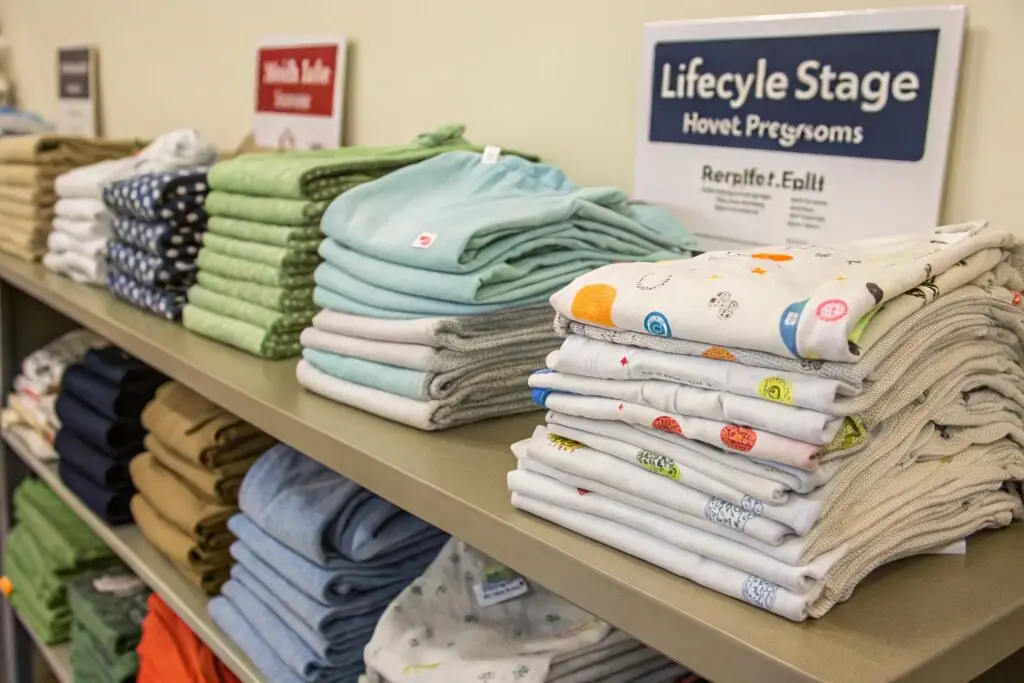
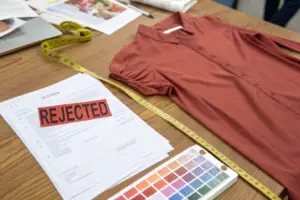
What are the risks of underbuilt garments in rental?
In a rental system, one weak seam or low-quality elastic can trigger:
- Refund requests
- Negative reviews
- Delays in fulfillment
- Higher cost-per-use
For example, we’ve seen:
- A romper with loose snaps fail after 2 wears
- Leggings with poor stretch recovery get retired after 3 uses
With better construction, those pieces lasted 4x longer—cutting replacement orders by over 60%.
| Garment Failure | Root Cause | Cost Impact |
|---|---|---|
| Ripped inseam | Weak thread or stitch | Garment retired early |
| Shrinking after wash | Low-quality fabric | High return/refund rate |
| Torn elastic waistband | Low-stretch durability | Loss of customer confidence |
What strength metrics should rental brands track?
We recommend tracking:
- Garment return rate by failure type
- Usage count per SKU before retirement
- Repair vs. replacement ratio
If one size or fabric fails consistently, it’s time to rebuild—not reorder.
Key Fabric Features That Boost Clothing Lifespan?
Not all fabrics are made to last. And in rental, longevity is everything.
We select fabrics with low shrinkage, high abrasion resistance, and colorfast properties that maintain performance across 15+ washes.
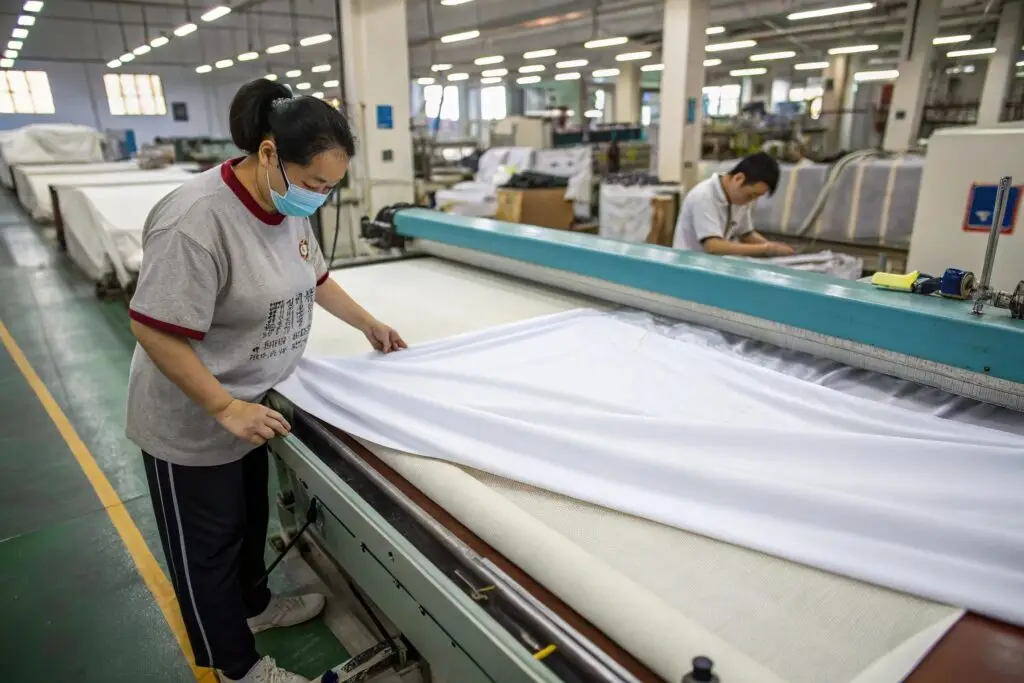
What fabric traits matter most for rental?
Top performing fabrics share these traits:
- Shrink resistance (under 3% after 10–15 washes)
- Colorfastness (no fading or bleeding)
- Abrasion tolerance (tested 10,000–20,000 rubs)
- Anti-pilling surface (smooth, even after stress)
Best-in-class options include:
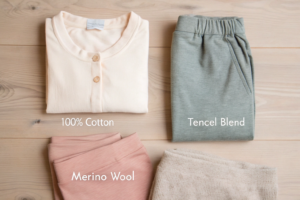
- Cotton-modal blends (for softness + strength)
- Poly-spandex interlock (for elasticity + structure)
- Recycled nylon blends (for activewear or fitted garments)
| Fabric Property | Rental Benefit |
|---|---|
| Low shrink rate | Maintains size consistency |
| High abrasion resistance | Less visible wear |
| Pilling resistance | Longer garment presentability |
| Strong stretch recovery | No bagging or sagging |
How do we test fabric performance?
Each lot goes through:
- ISO 6330 shrink testing
- Martindale abrasion tests
- Tensile strength checks
- Colorfastness under UV + detergent stress
Only fabrics that pass multi-cycle wear simulation are approved for our rental production lines.
Stitching and Construction for Heavy Use Apparel?
Fabric matters—but construction is the anchor.
Rental garments require reinforced stitching, repair-friendly design, and assembly methods that hold up through repeated wash-and-wear cycles.
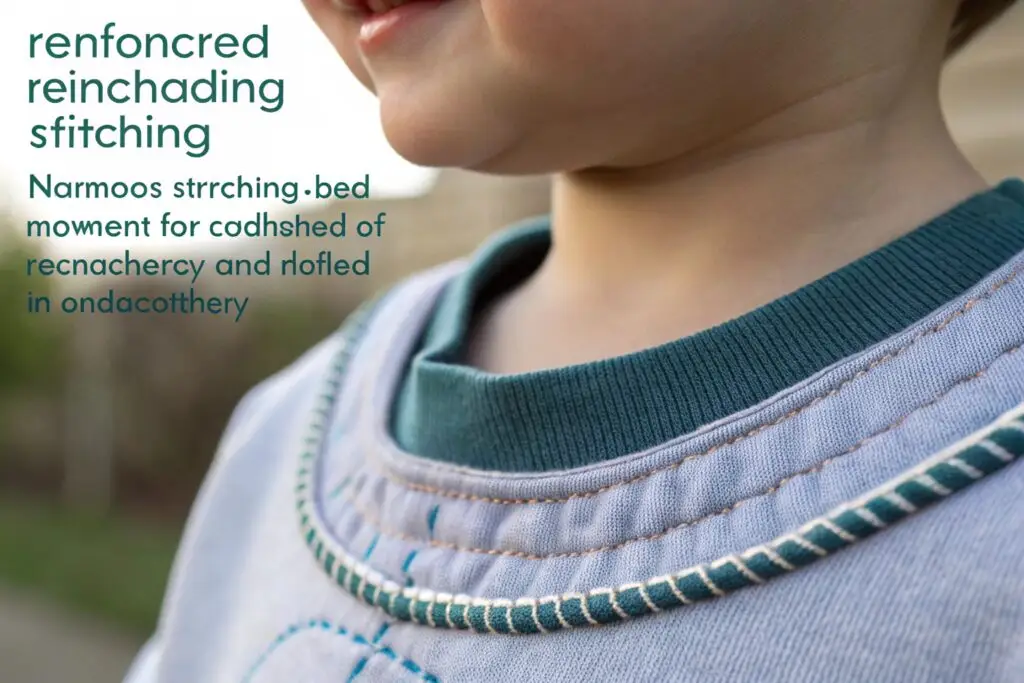
What stitching methods work best for rental fashion?
We use:
- Overlock seams with poly-core thread
- Double-needle hems for secure edges
- Bartack reinforcements at stress points
- Top-stitched plackets and waistbands
These methods reduce:
- Popped seams
- Twisting side seams after washing
- Stress strain at armholes and necklines
| Construction Point | Technique Used | Result |
|---|---|---|
| Side seams | 4-thread overlock | Stretch and strength |
| Shoulder seams | Coverstitched with tape | Maintains alignment post-wash |
| Hems | Twin-needle double fold | No curling or unraveling |
| Elastic insertion | Zig-zag + double topstitch | Retains hold, reduces fraying |
How do we design for easy repairs?
We:
- Use accessible elastic tunnels (easy to replace)
- Avoid rivets or glued elements
- Mark all seams clearly for post-production alterations
For some clients, we also pre-install tag zones for rebranding or return scanning—built right into the lining.
Cost Savings from Durable Kidswear in Rentals?
Durability isn’t just about quality—it’s about profitability.
Longer-lasting garments reduce replacement costs, increase rental cycles per item, and grow margin over time.
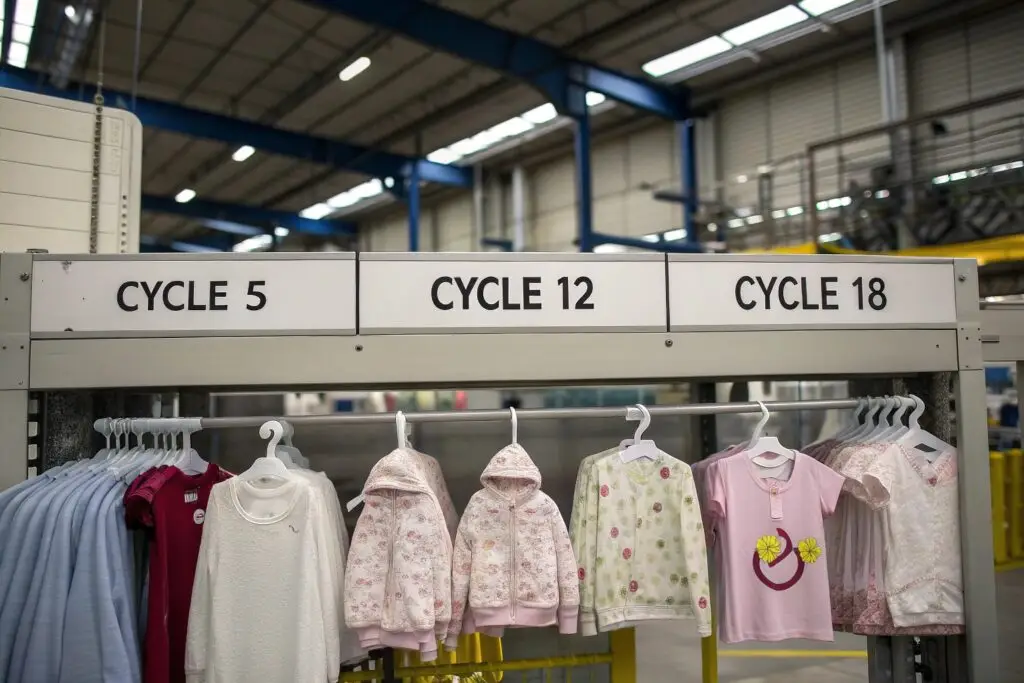
How does durability affect rental ROI?
Let’s break it down.
A $6 garment rented 3 times = $18 revenue
A $6 garment rented 10 times = $60 revenue
A $6 garment retired early = -$6 (loss after return, shipping, inspection)
For one client, increasing average garment lifespan from 5 to 12 cycles saved over $15,000 per 10,000 units.
| Garment Use Cycle | Total Rental Value | Net Profit After Ops |
|---|---|---|
| 3 wears | $18 | $4 |
| 7 wears | $42 | $21 |
| 12 wears | $60 | $36 |
What investment does it take to improve durability?
On average:
- $0.10–$0.25 more per unit in stitching/labor
- +1 day for testing/inspection
- ROI achieved after 3–4 extra rental cycles
In short: small upgrades = big margin growth.
Conclusion
Durability isn’t optional in rental—it’s the business model. Stronger clothes mean fewer returns, lower costs, and happier customers. That’s why we build every seam, stitch, and fabric choice around longevity. Because the most sustainable garment isn’t just made well—it’s made to last.