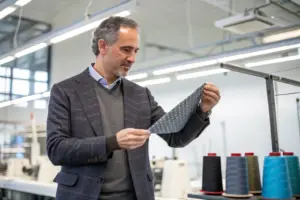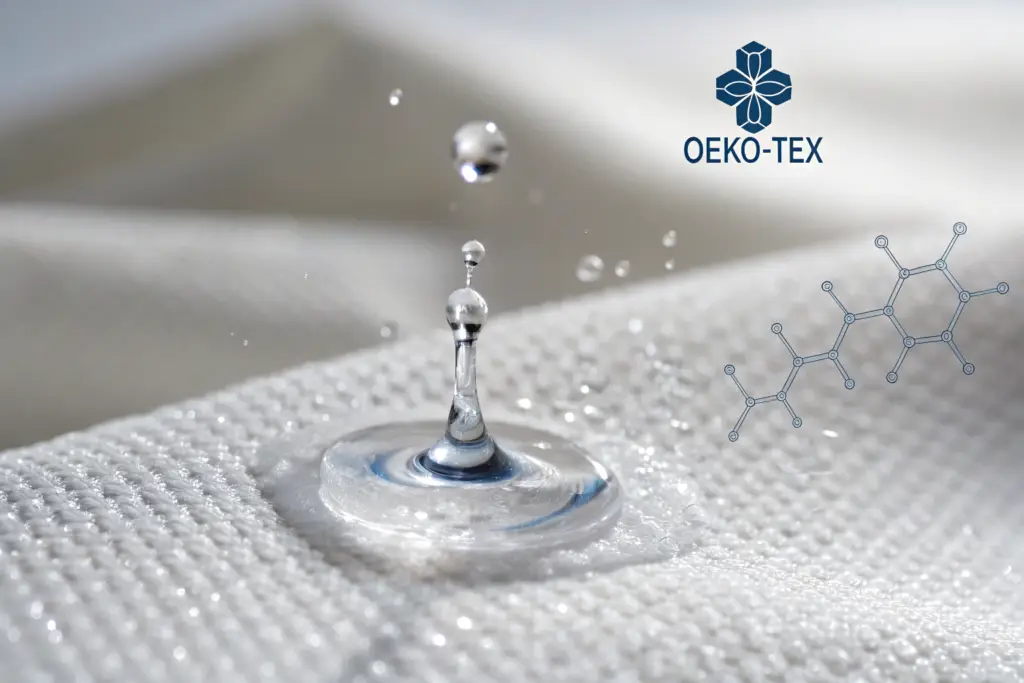
When you picture the value chain for a golf polo, you might think it starts with a design sketch or a fabric roll arriving at the factory. But for a brand competing on performance, safety, and quality, the true starting point is far earlier: it's in the Research and Development (R&D) of the certified fabric itself. The decisions made at the molecular and fiber level—the chemical formulations, dye processes, and functional finishes—dictate 80% of the garment's final performance, safety, and cost. Choosing an already-certified fabric from a mill’s catalog is a tactical move; co-developing or rigorously selecting fabrics within a certified R&D framework is a strategic one that builds unassailable value from the ground up.
The value chain for premium golf apparel starts with certified fabric R&D because this stage determines the core product attributes: safety (via chemical compliance), performance (moisture-wicking, breathability, durability), hand-feel, and colorfastness. Securing certification at the R&D phase de-risks the entire downstream production process, ensures scalability of safe materials, and allows a brand to innovate with confidence. It’s the difference between buying ingredients and designing a recipe.
Let’s trace how this foundational investment ripples through every subsequent link in your chain.
How Does Fabric R&D Lock in Performance and Safety?
A golf shirt’s job is demanding: manage sweat, block UV, allow freedom of movement, resist odor, and feel comfortable against skin for hours. These properties aren't magic; they are engineered at the fabric stage through:
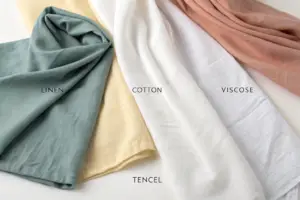
- Fiber Selection and Blends: The choice of polyester for durability and wicking, cotton for softness, or spandex for stretch.
- Yarn Engineering: The construction of the yarn (textured, micro-denier) for breathability and hand-feel.
- Chemical Finishes: The application of durable water repellents (DWR), moisture-wicking treatments, or anti-microbial agents.
The critical junction is that these performance-enhancing chemicals must themselves be OEKO-TEX compliant. A mill’s R&D lab must develop formulations that achieve performance goals without using restricted substances like PFCs, certain phthalates, or heavy metals. If you select a fabric where this R&D work hasn’t been done, you face a brutal choice later: sacrifice performance or fail certification.

What’s the Risk of Using a Non-Certified “Performance” Fabric?
The risk is a dead-end product. Imagine you fall in love with a fabric with an incredible cooling feel and perfect stretch. You make samples, approve them, and then submit for OEKO-TEX testing. The test fails because the cooling finish uses a non-compliant chemical. You now must:
- Ask the mill to reformulate (a lengthy R&D process with no guarantee of success).
- Find a new, compliant fabric (losing your perfect hand-feel and restarting sampling).
- Proceed without certification (betraying your brand promise and introducing risk).
This is why leading brands and manufacturers like Shanghai Fumao insist on starting the conversation with pre-certified performance fabrics from trusted mills. We’ve seen projects delayed by 6 months due to this oversight.
Can You Truly Innovate Within a Certified Framework?
Absolutely. Innovation isn’t stifled by certification; it’s directed towards safer, more sustainable chemistry. Mills are constantly developing new OEKO-TEX compliant finishes—like biobased water repellents or mineral-based UV blockers. By partnering with a manufacturer connected to these advanced mills, you gain access to cutting-edge innovation that is already safety-validated. Your brand’s “breakthrough” can be a novel application of an already-certified technology.
How Does This Upstream Work Simplify Downstream Manufacturing?
Choosing a fabric with certification already secured at the R&D phase is like giving your factory a head start in a relay race. It removes enormous complexity and uncertainty from the production process.
The simplification occurs in three key manufacturing areas:
- Sourcing and Logistics: The factory knows exactly which mill and fabric article to order. There’s no need to vet multiple options for compliance.
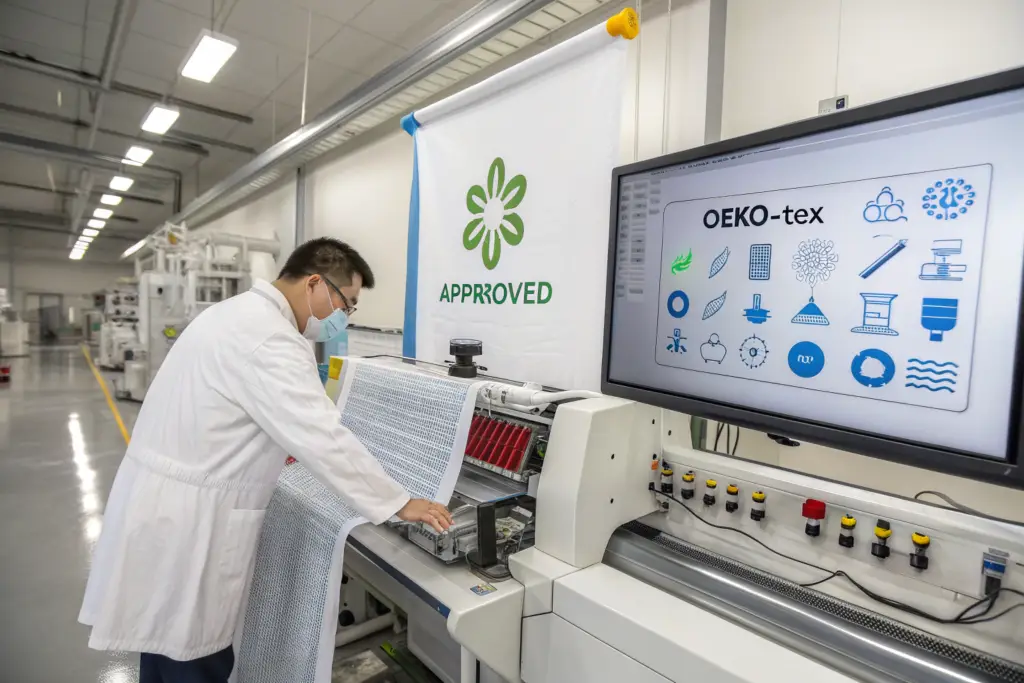
- Quality Control (QC): Incoming fabric inspection is streamlined. The factory’s QC team verifies that the received roll matches the certified article and performs simple spot checks (pH, formaldehyde). The heavy lifting of full chemical analysis was done during the mill’s R&D and certification process.
- Production Planning: With a guaranteed, stable source of compliant material, the factory can accurately plan production timelines. They aren’t waiting for test results or scrambling for replacements.
This creates a predictable, efficient flow. In our factory, using a vetted library of certified fabrics cuts our material sourcing and verification time for a new order by at least two weeks.
What About the Other Components (Trims)?
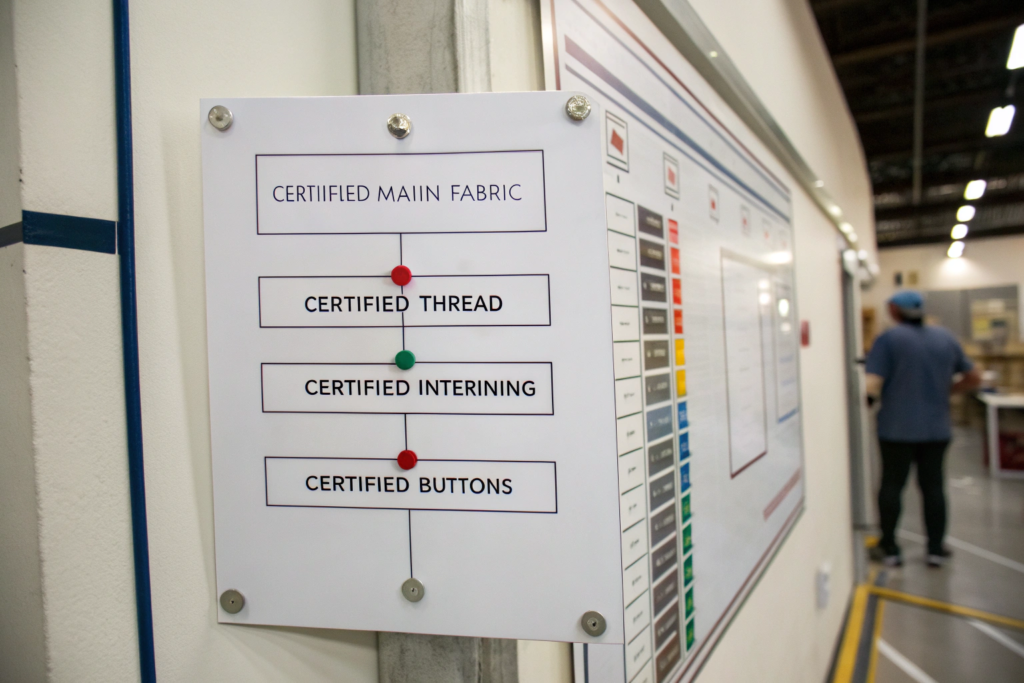
The fabric R&D principle sets a precedent. If the main fabric—the largest and most complex component—is certified from its inception, it establishes a standard that must be met by all other components. It forces a systematic approach: the sewing thread, interlining, buttons, and labels must all be sourced from suppliers who have done the same upstream R&D work to ensure their products are certifiable. This holistic approach is what separates true full-package manufacturing from simple assembly.
How Does This Strategy Impact Brand Value and Market Positioning?
Starting with certified fabric R&D isn’t just an operational decision; it’s a core branding and value-creation strategy. It allows you to tell a deeper, more technically credible story.
You can communicate with authority about:
- Intentional Design: “We started with the molecule to build performance you can trust.”
- Proven Safety: “Our fabrics are born certified, not just tested at the end.”
- Investment in Quality: “We invest at the source, so you receive a superior product.”
This narrative supports a premium price point. Consumers and retailers understand that foundational R&D has value. It positions your brand as an innovator and a leader in responsible performance, not just a marketer of generic sportswear.
Can This Be a Defensible Competitive Moat?
Yes. While a competitor can copy a design, they cannot easily replicate a proprietary fabric development partnership or a deep library of certified, performance-driven materials. If your brand’s identity is tied to a specific, certified fabric with unique properties (e.g., “Our proprietary OceanTech™ fabric made from recycled materials, certified OEKO-TEX Class I”), it creates a tangible, defensible asset. It moves competition away from purely aesthetic copying to a higher plane of material science and safety assurance.
How Does This Align with Retailer and Consumer Trends?
Major retailers are increasingly demanding transparency down to the material source. They want to know how a product is safe and high-performing, not just that it is. By documenting your journey from certified fabric R&D, you provide the robust story that satisfies these buyers. For the end consumer, especially in golf where comfort and trust are paramount, this depth of story builds unwavering loyalty.
What Are the Practical First Steps for a Brand?
You don’t need to own a fabric mill to leverage this strategy. You need the right manufacturing partner who has already done this upstream work.
- Shift Your Mindset: Frame your product development meetings around fabric properties and certification first, not just color and style.
- Audit Your Supplier’s Fabric Library: Ask potential factories: “Show me your range of OEKO-TEX certified performance fabrics. Can you explain the R&D behind their key features?”
- Request Mill Information: A confident partner will share the mill names and fabric article codes. This transparency is a sign of a strong supply chain.
- Start with a “Hero” Fabric: For your launch collection, choose one outstanding certified performance fabric and build multiple styles around it. This simplifies your initial R&D investment and creates a cohesive brand feel.
At Shanghai Fumao, we guide our clients through this exact process. We present them with curated options from our network of advanced mills, where the hard work of compliant R&D is already complete, allowing them to make empowered, strategic choices from day one.
How to Budget for This Approach?
The cost is embedded in the fabric price, which will be higher than an uncertified generic equivalent. However, this cost should be viewed as an investment that:
- Eliminates downstream testing failures and delays.
- Reduces total time-to-market.
- Justifies a higher retail price.
- Builds brand equity.
The alternative—trying to certify a cheap, non-compliant fabric later—always costs more in time, frustration, and compromised vision.
Recraft指令--A simple two-column financial comparison. Column A: "Reactive Path" lists costs: Sample Fabric, Sampling, Failed Test, Re-Sampling, Delay Penalties. The total is high and red. Column B: "Certified R&D First Path" lists: Higher-Cost Certified Fabric, Sampling, Smooth Production. The total is lower and green, with a note: "Value in Speed & Certainty." Style: financial, clear, and persuasive.
Conclusion
The value chain for superior golf apparel unequivocally begins with certified fabric R&D. This is the stage where performance is engineered, safety is encoded, and brand value is fundamentally created. By anchoring your product development in this principle, you de-risk production, empower efficient manufacturing, and build a brand story rooted in substance and science.
Treating fabric as a commodity to be sourced later is the old way—a path fraught with compromise and hidden cost. The modern way is to recognize that the fabric is the product’s genome. Getting that genome right, and certified, from the start is the single most important decision you can make.
If you are ready to build a golf apparel line where every thread carries the assurance of intentional, certified innovation, start the conversation at the true beginning. Contact Shanghai Fumao’s Business Director Elaine today. Let us introduce you to our certified fabric R&D partners and show you how to build unshakeable value from the molecule up. Reach her at elaine@fumaoclothing.com. Let's engineer your success from the very first fiber.