You're developing your new collection and facing a critical decision: where to source your production. The estimates from US manufacturers seem significantly higher than those from Chinese partners, but you're wondering if the lower prices come with hidden costs or quality compromises. Why do so many successful US brands continue to source their clothing production estimates from China despite ongoing discussions about reshoring?
US brands source clothing production estimates from China because Chinese manufacturers offer exceptional value through competitive pricing, comprehensive services, specialized expertise, and scalable production capabilities that are difficult to match domestically. The combination of cost efficiency, manufacturing expertise, and full-package services provides US brands with significant competitive advantages in both pricing and product development. Beyond simple cost savings, Chinese manufacturing offers strategic benefits that help US brands compete effectively in the global marketplace.
Let's examine the specific factors that make Chinese production estimates so compelling for US fashion brands of all sizes.
What Cost Advantages Do Chinese Estimates Typically Offer?
The most immediate advantage US brands notice when reviewing Chinese production estimates is the significant cost difference across virtually all apparel categories.
Chinese manufacturers achieve these cost advantages through several structural factors that translate into better pricing for US brands.
How much cost difference do US brands typically see?
Most US brands see 30-60% lower production costs when comparing Chinese estimates to domestic options, even after accounting for shipping and import duties. For basic apparel like t-shirts and woven shirts, the difference can be 40-70%, while complex technical garments typically show 25-45% savings. A contemporary sportswear brand from California recently shared that their $28 domestic estimate for technical jackets came in at $16 from our Chinese factory - a 43% saving that allowed them to maintain their retail price point while improving margins.
What factors drive these cost differences?
Labor costs, production scale, and vertical integration account for most of the pricing advantage. Chinese apparel workers earn approximately $500-800 monthly compared to $2,500-4,000 for US workers, while larger-scale operations achieve better economies of scale. Our factory's vertical integration allows us to control costs from fabric production through finishing, eliminating multiple markup layers that domestic sourcing typically involves.
What Specialized Expertise Do Chinese Manufacturers Offer?
Beyond cost considerations, Chinese manufacturers bring decades of specialized experience across specific product categories that would be difficult and expensive to develop domestically.
This expertise translates into better product execution, fewer development errors, and more efficient production processes.
How does specialized category expertise benefit US brands?
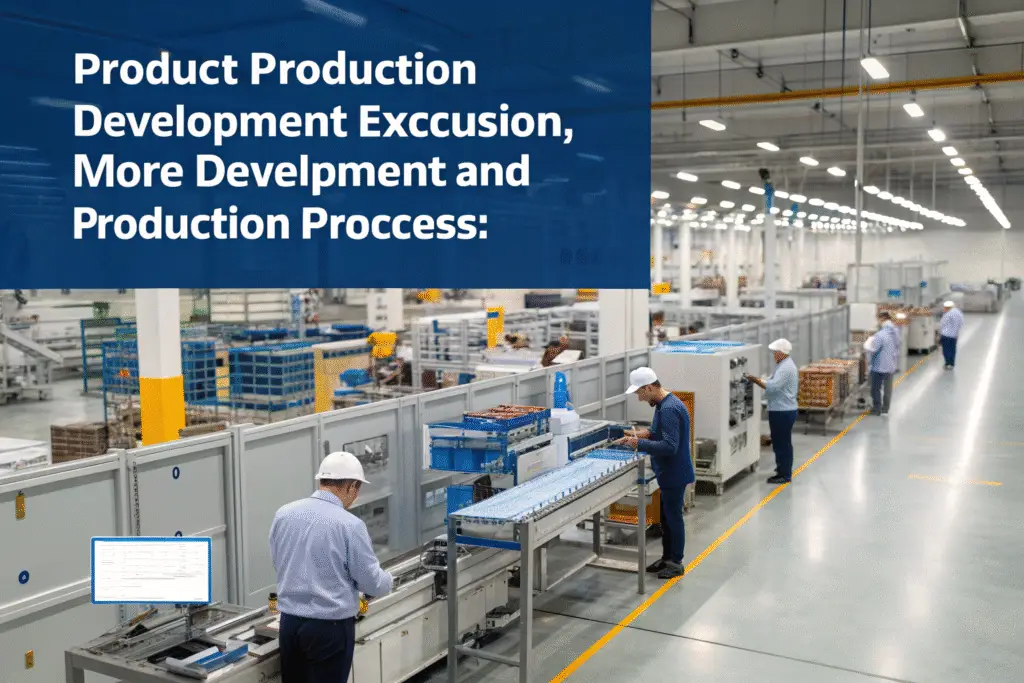
Chinese factories often specialize in specific product categories, developing deep technical knowledge and specialized equipment. Our factory focuses on knitwear and technical sportswear, with specialized machinery for seamless knitting and moisture-wicking fabric construction. An outdoor brand from Colorado leveraged this expertise to develop their hiking apparel line, accessing technical knowledge that would have required expensive consultants domestically.
What production problem-solving capabilities exist?
Experience with similar production challenges enables Chinese manufacturers to anticipate and prevent issues. We maintain a database of production solutions from thousands of previous orders. When a luxury brand encountered fabric shrinkage issues with their linen collection, we drew on previous experience with similar fabrics to adjust our cutting and washing processes, preventing what could have been a costly production error.
How Do Full-Package Services Simplify Production?
Chinese manufacturers typically offer comprehensive full-package services that streamline the entire production process from development through delivery.
This integrated approach reduces the administrative burden on US brands and ensures better coordination across the supply chain.
What services are typically included in Chinese estimates?
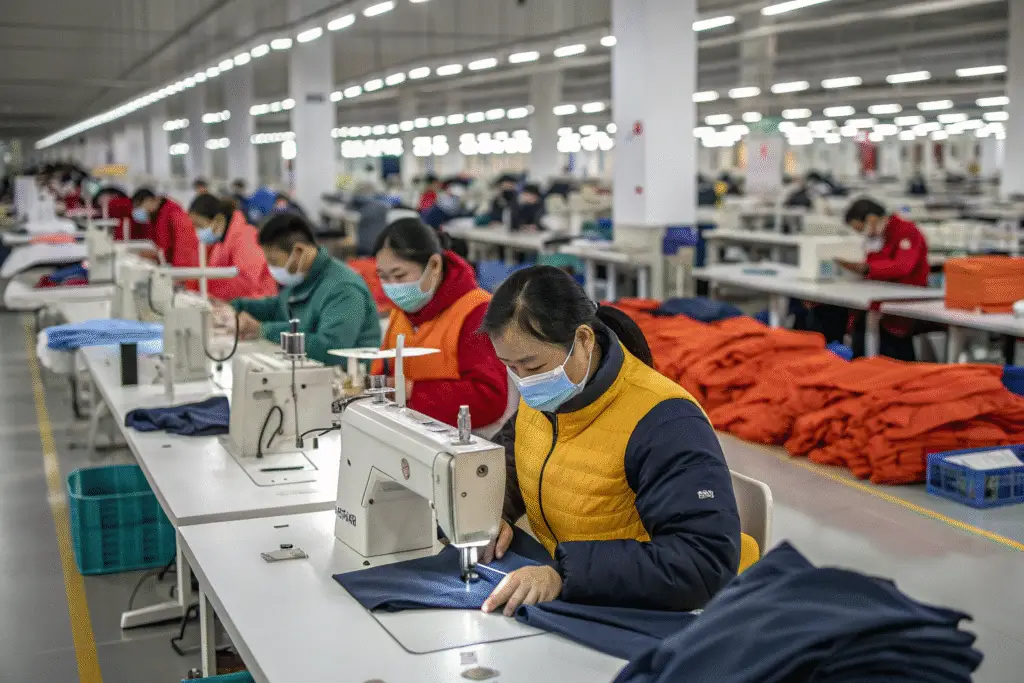
Full-package estimates usually include fabric sourcing, trim procurement, pattern making, sample development, production, quality control, and logistics management. Our DDP service means US brands receive one comprehensive estimate covering everything from raw materials to delivery at their warehouse. A startup from Austin appreciated how this simplified their planning - instead of coordinating with multiple suppliers, they had one point of contact managing their entire production process.
How does vertical integration benefit US brands?
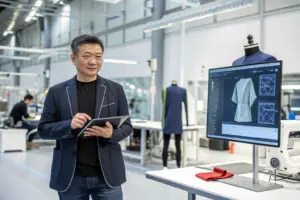
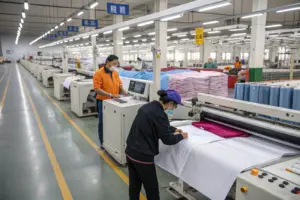
Many Chinese manufacturers control multiple production stages, reducing coordination challenges and improving efficiency. Our vertical integration includes knitting, dyeing, and cutting facilities, allowing better quality control and faster turnaround. A fast-fashion brand from Los Angeles reduced their production timeline from 12 to 8 weeks by leveraging our integrated facilities, helping them respond quicker to trending styles.
What Scalability Advantages Do Chinese Factories Offer?
Chinese manufacturing infrastructure supports production volumes that would be challenging to achieve domestically, offering scalability that grows with US brands' needs.
This scalability ensures brands can increase production without changing suppliers or compromising quality.
How do Chinese MOQs compare to domestic options?
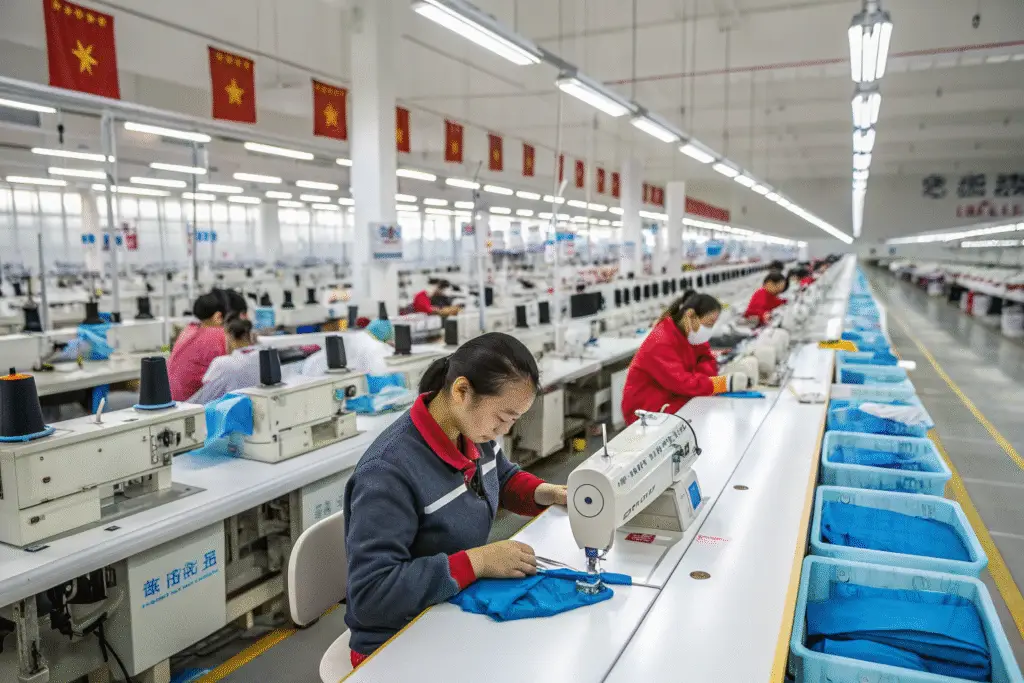
Chinese manufacturers typically offer more flexible minimum order quantities, with many factories accepting orders as small as 300-500 pieces per style compared to 1,000-3,000 pieces domestically. Our tiered MOQ structure starts at 300 pieces for emerging brands, scaling to 10,000+ pieces for established labels. A growing dress brand expanded from 500 to 5,000-piece orders over three seasons without switching factories, maintaining consistent quality throughout their growth.
What production capacity ensures timely delivery?
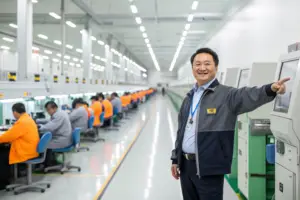
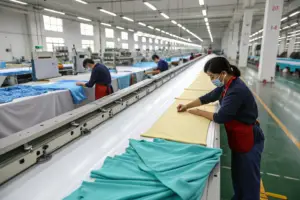
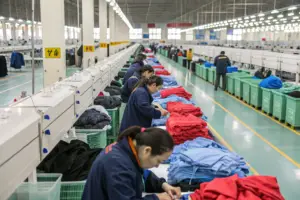
Chinese factories typically maintain larger production capacities with multiple production lines. Our facility operates 5 production lines with capacity for 50,000-80,000 pieces monthly. When a large retailer needed 25,000 units of a trending style within 6 weeks, we allocated two dedicated production lines to meet their timeline - capacity that would be difficult to find domestically on short notice.
How Has Chinese Manufacturing Evolved to Meet US Standards?
Chinese manufacturers have significantly upgraded their quality standards, compliance protocols, and communication practices to meet US brand requirements.
These improvements address common concerns about quality consistency and business practices.
What quality standards do modern Chinese factories maintain?
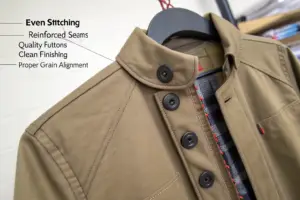
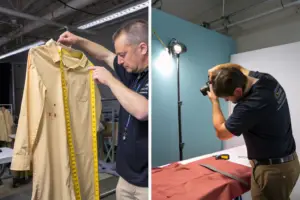
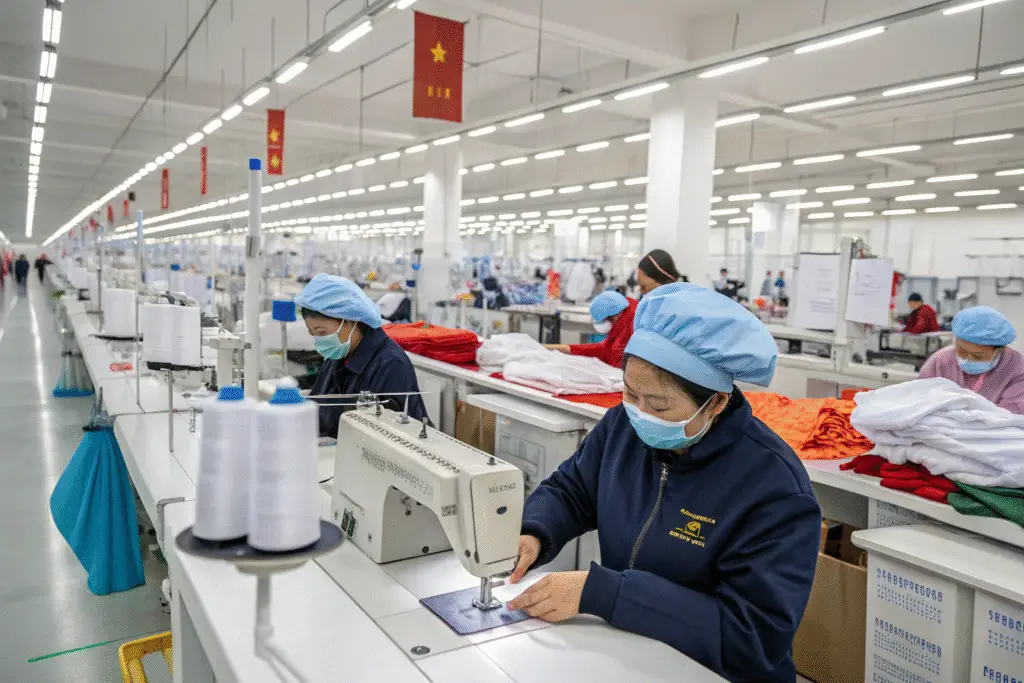
Progressive Chinese manufacturers maintain international quality certifications and implement rigorous inspection protocols. Our factory is ISO 9001 certified and maintains strict AQL inspection standards, with quality control staffing representing 8% of our workforce. A premium denim brand from New York conducted rigorous factory audits before selecting us, confirming our quality systems matched their exacting standards.
How have communication practices improved?
Modern communication tools and English-speaking staff have dramatically improved collaboration. We assign dedicated project managers who provide regular updates via video calls, shared digital quality control reports, and real-time production tracking. A remote brand from Seattle appreciated our weekly video factory walks, which provided transparency they hadn't experienced with previous international suppliers.
What Strategic Advantages Support Long-Term Partnerships?
Beyond immediate cost and capability benefits, Chinese manufacturing offers strategic advantages that support US brands' long-term growth and competitiveness.
These factors explain why many US brands maintain Chinese manufacturing partnerships even as they explore domestic options.
How does Chinese manufacturing support competitive retail pricing?
The cost structure enables US brands to maintain competitive retail pricing while preserving healthy margins. Our analysis shows brands working with Chinese manufacturers typically achieve 15-25% better gross margins than domestically produced equivalents. An accessible luxury brand maintained their $195 retail price for blazers while improving margins by 18% through Chinese production, funding expanded marketing initiatives.
What innovation capabilities do Chinese partners offer?
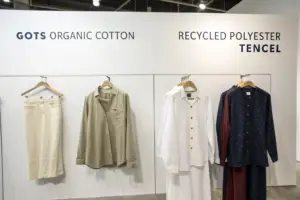
Many Chinese manufacturers invest significantly in R&D and new technologies. We allocate 4% of revenue to production innovation, including sustainable materials and digital prototyping. An eco-conscious brand collaborated with our R&D team to develop a recycled fabric blend that achieved their sustainability goals at a viable price point, creating a unique market position.
Conclusion
US brands source clothing production estimates from China because Chinese manufacturers offer an compelling combination of cost efficiency, specialized expertise, comprehensive services, and scalable production that supports business growth and competitiveness. While domestic manufacturing serves important roles for specific products and market segments, Chinese production provides strategic advantages that help US brands compete effectively in the global marketplace. The evolution of Chinese manufacturing toward higher quality standards, better communication, and more sustainable practices has strengthened these partnerships, making Chinese production estimates an essential component of most US brands' sourcing strategies.
If you're evaluating production options for your US fashion brand, obtaining estimates from qualified Chinese manufacturers provides valuable benchmarking and potentially significant competitive advantages. At Fumao Clothing, we've helped hundreds of US brands develop successful production strategies that leverage Chinese manufacturing strengths while maintaining their quality standards and brand values. Contact our Business Director, Elaine, at elaine@fumaoclothing.com to discuss how Chinese manufacturing might benefit your specific product needs and business objectives.