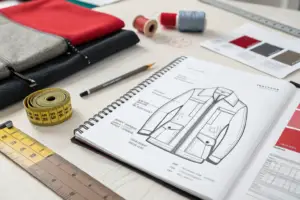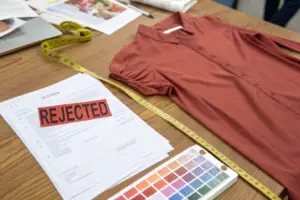
I'll never forget the sample that almost derailed a major client relationship. The jacket design was perfect, the fabric exceptional, but the custom-designed buckle arrived two weeks late from a subcontractor, then failed our quality testing. We had to remake the entire sample, pushing the development timeline back by 21 days. That experience taught us that hardware and trims aren't just accessories—they're critical path items that can make or break your development schedule.
Hardware and trims significantly impact sample development because they often have longer lead times than fabrics, require specialized tooling, and must pass rigorous functional testing. These components typically add 7-21 days to sample development timelines and account for approximately 30% of sampling delays. Understanding their procurement complexities helps brands plan realistic development schedules and avoid costly timeline surprises.
The journey from trim specification to approved sample involves multiple validation steps that many brands underestimate. Let me explain why these small components demand such significant attention during development.
What makes hardware procurement different from fabric sourcing?
Hardware and trim sourcing operates on fundamentally different timelines and constraints compared to fabric procurement, requiring specialized knowledge and relationship management.
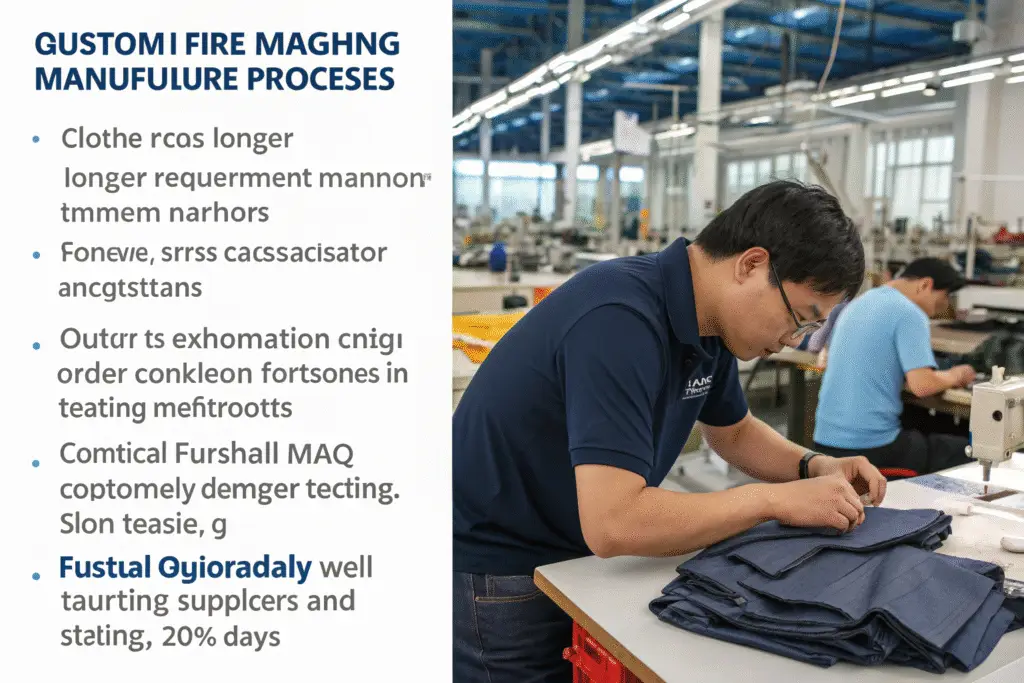
Key differences include longer tooling requirements, minimum order quantities (MOQs), complex customization processes, and functional testing demands. At Shanghai Fumao, we maintain a database of over 200 pre-qualified trim suppliers, yet we still encounter situations where a simple-looking buckle requires 45-day lead times due to custom tooling. Recently, a performance outerwear brand needed a custom magnetic buckle system for their ski pants—the development and tooling alone took 28 days, significantly impacting their sampling schedule despite our advanced planning.
Why do tooling requirements extend timelines?
Custom hardware often requires creating new molds, dies, or manufacturing setups that add weeks to development. A simple custom button might need 10-15 days for mold creation, while complex multi-component closures can require 30+ days for tooling development. We helped a luxury handbag brand navigate a 42-day tooling process for their signature clasp mechanism—the investment was necessary for their brand identity but required careful timeline planning across all their sampling activities. The table below shows typical tooling timelines:
| Component Type | Tooling Time | Sample Production After Tooling |
|---|---|---|
| Standard Metal Button | 7-10 days | 5-7 days |
| Custom Plastic Buckle | 15-20 days | 10-12 days |
| Specialty Zipper Pull | 12-15 days | 7-10 days |
| Complex Multi-part Closure | 25-35 days | 14-21 days |
| Custom-Dyed Webbing | 10-12 days | 7-10 days |
How do minimum order quantities affect sampling?
Trim suppliers typically enforce MOQs that far exceed sampling requirements, creating inventory challenges or necessitating creative solutions. A zipper manufacturer might require 5,000-meter minimums, while a custom button supplier might demand 10,000-piece orders. We've developed strategies at Shanghai Fumao to address this, including maintaining stock of common custom components and negotiating sample-specific MOQs with partners. A sustainable activewear brand benefited from this approach when developing their ocean plastic buckle—we worked with the supplier to produce 500 pieces for development while committing to their 8,000-piece production MOQ.
How do trims impact sample approval processes?
Hardware and trims require rigorous testing and validation that goes beyond aesthetic approval, adding crucial steps to the sample development workflow.
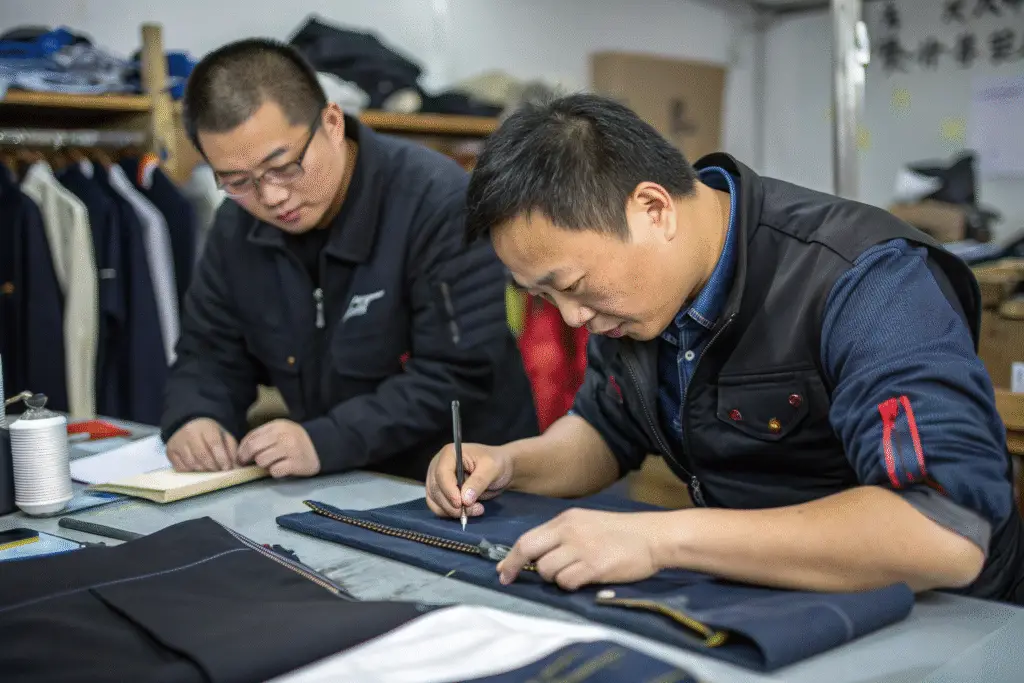
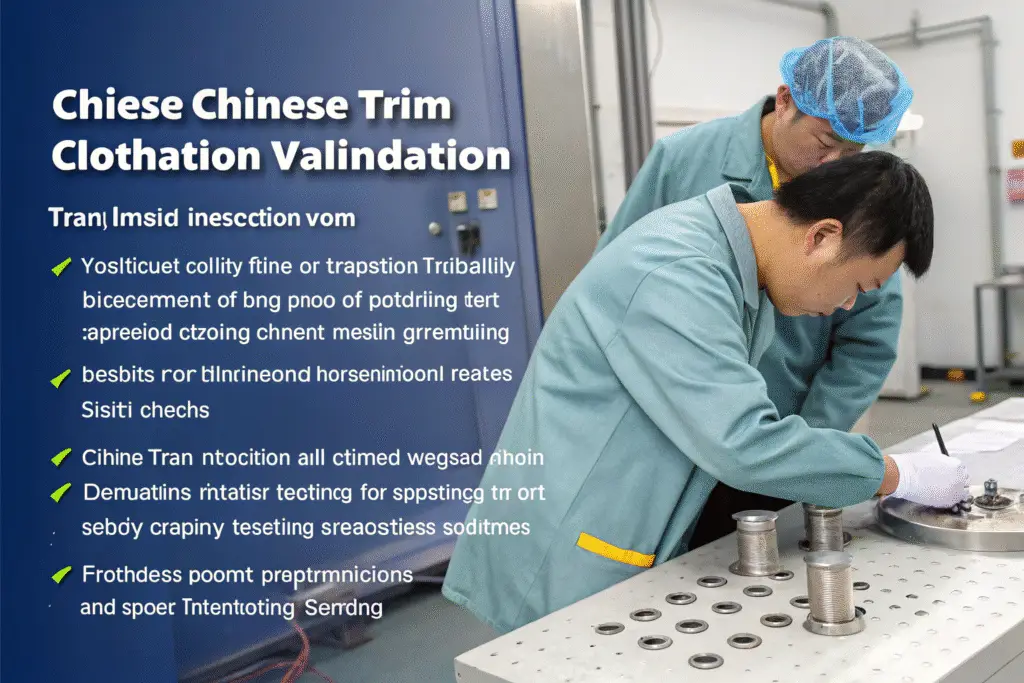
Trim validation includes functional testing, durability assessment, compatibility verification, and safety compliance checks. We implement a 12-point validation process for all trim components at Shanghai Fumao, which recently identified a potential issue with a decorative metal grommet that showed early corrosion during salt spray testing. Discovering this during sampling saved a sports brand from what could have been a massive product recall and reputation damage. The replacement process added 14 days to their timeline but prevented far greater consequences.
What functional testing is required for hardware?
Hardware components undergo rigorous testing based on their intended use and product category. Zippers are tested for smooth operation, strength, and colorfastness. Buckles and closures undergo cycle testing to ensure they withstand repeated use. We follow international testing standards from organizations like ASTM International and specific retailer requirements. A children's wear brand learned this importance when their plastic buckle failed impact testing—we sourced an alternative that passed safety standards but added 12 days to their development schedule for requalification.
Why does compatibility testing take time?
Trims must be tested for compatibility with specific fabrics and manufacturing processes. Metal components can react with certain dyes or finishing chemicals, while plastic hardware might melt during heat sealing processes. We conduct compatibility testing during the first sample stage, which recently revealed that a brand's chosen metal aglet was discoloring their premium cotton fabric. Identifying this early allowed us to switch to a coated version before production, avoiding what would have been a devastating quality issue in 3,000 units of their signature hoodies.
Understanding frequent delay patterns helps brands anticipate and mitigate timeline risks during sample development. Proactive planning around these common issues preserves development schedules.
Common delays include tooling modifications, quality rejections, compliance failures, and supplier capacity issues. Our data at Shanghai Fumao shows that 65% of trim-related delays occur during initial sampling, while 35% happen during pre-production sampling. A contemporary fashion brand recently experienced a 16-day delay when their custom-dyed webbing arrived color-matched perfectly—but failed abrasion testing. The supplier needed two additional attempts to achieve both color and performance requirements, pushing back their fit sample timeline significantly.
Strategic planning and clear specifications minimize tooling iterations. Providing 3D models, detailed technical drawings, and reference samples dramatically improves first-time tooling success. We've reduced our average tooling iterations from 2.3 to 1.2 by implementing a comprehensive specification package that leaves minimal room for interpretation. A footwear brand appreciated this approach when developing their custom speed lacing system—our detailed specifications resulted in perfect first samples, saving an estimated 21 days in their development timeline.
What sourcing strategies prevent capacity issues?
Diversified trim sourcing and early reservation of production capacity prevent supplier bottleneck delays. We maintain relationships with multiple suppliers for critical components and provide forecast commitments to secure capacity. This approach helped a uniform company avoid a potential 4-week delay when their primary zipper supplier encountered production issues—we seamlessly shifted to an approved alternative supplier with available capacity. The switch added only 3 days for sample approval rather than the 28-day delay the original supplier was facing.
How can you streamline trim development?
Strategic approaches to trim selection and specification can significantly compress development timelines while maintaining design integrity and quality standards.
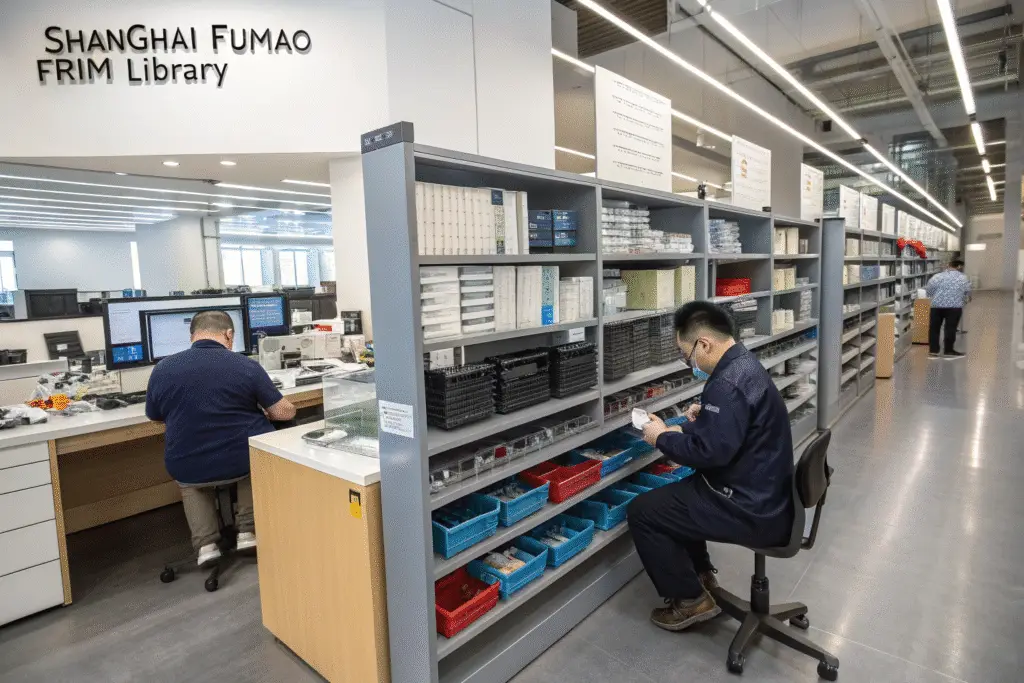
Streamlining strategies include using standardized components, modifying existing tools rather than creating new ones, implementing parallel development processes, and maintaining a library of pre-approved trims. At Shanghai Fumao, we've developed a "Trim Library" with over 1,000 pre-qualified components that clients can use to avoid development delays. A fast-fashion retailer leveraged this library to reduce their average sample development time from 28 to 16 days by selecting from our pre-approved options rather than developing custom components for each style.
What role do pre-approved trim libraries play?
Comprehensive trim libraries accelerate development by eliminating sourcing, testing, and approval steps for common components. Our library includes components with complete documentation including test reports, compliance certificates, and approved suppliers. A workwear brand used our library to develop 12 new styles in just 8 weeks—a timeline that would have been impossible with custom trim development for each style. They maintained brand consistency by selecting from our range of approved metal buttons and rivets in their corporate colors.
How does parallel development save time?
Simultaneous rather than sequential development of trims, fabrics, and patterns compresses overall timelines. We coordinate trim development to run parallel to fabric sourcing and pattern making, with integration points carefully managed. This approach helped an outdoor brand develop a complex technical jacket with 11 custom trim components in just 35 days—approximately 40% faster than traditional sequential development. The key was careful coordination and clear specification from the outset.
What should brands know about trim costs versus timelines?
Understanding the cost-time tradeoffs in trim development helps brands make informed decisions that balance budgetary constraints with development schedules.
The relationship between cost and timing isn't always linear—sometimes paying premium prices accelerates timelines, while cost-saving measures often extend them. Expedited tooling can add 25-50% to development costs but may save 2-3 weeks in the schedule. We provide clients with clear options, like when a denim brand needed custom rivets: standard development (28 days, $1,200 tooling) versus expedited (14 days, $1,900 tooling). They chose expedited to meet their market window, recognizing the time value exceeded the cost premium.
When does paying more save time?
Strategic investments in trim development can yield significant time savings in several scenarios: paying for expedited tooling, selecting suppliers with available capacity despite higher prices, or choosing standard components with minor modifications rather than fully custom designs. We helped a luxury brand save 18 days by selecting an existing buckle design and having it custom-plated rather than developing a completely new component—the result achieved their aesthetic goals while dramatically accelerating their timeline to market.
How do value engineering decisions impact schedules?
Thoughtful value engineering—simplifying designs without compromising aesthetics or function—can dramatically reduce development time. We recently worked with a sportswear brand to modify their pull-tab design from a complex injection-molded component to a laser-cut and folded version that achieved the same look with 60% less development time. The simplified design also reduced their production costs by 35%, creating a win-win that wouldn't have been identified without focused value engineering sessions during sampling.
Conclusion
Hardware and trims are far more than decorative additions—they're integral components that significantly influence sample development timelines, costs, and outcomes. By understanding their unique procurement challenges, testing requirements, and development processes, brands can plan more realistic schedules and avoid the common pitfalls that derail product development. The most successful approaches treat trim development with the same strategic importance as fabric selection and pattern making.
If you're looking to optimize your trim development process while maintaining quality and design integrity, we have the systems and expertise to help. At Shanghai Fumao, we've helped hundreds of brands navigate the complexities of hardware and trim development. Contact our Business Director Elaine at elaine@fumaoclothing.com to discuss how our comprehensive trim management approach can streamline your sample development and accelerate your time to market.