The fashion industry is known for its creativity and trendsetting, but it often lags in technological innovation. Why don’t fashion companies invest in developing new technology?
Fashion companies rarely develop new technology because their focus is on design, branding, and marketing rather than innovation in materials or production. Instead of investing in R&D, they rely on tech firms to introduce digital tools, automation, and AI solutions.
While fashion brands are slow to create technology themselves, they are increasingly adopting digital tools to optimize production and enhance the customer experience.
How Is Technology Affecting the Fashion Industry?
Fashion and technology are becoming more interconnected. But what impact is technology having on the fashion industry?
Technology is transforming fashion by enabling faster production, improving sustainability, and enhancing customer experiences. Innovations such as AI-driven design, 3D printing, and smart fabrics are reshaping how clothing is made and sold.
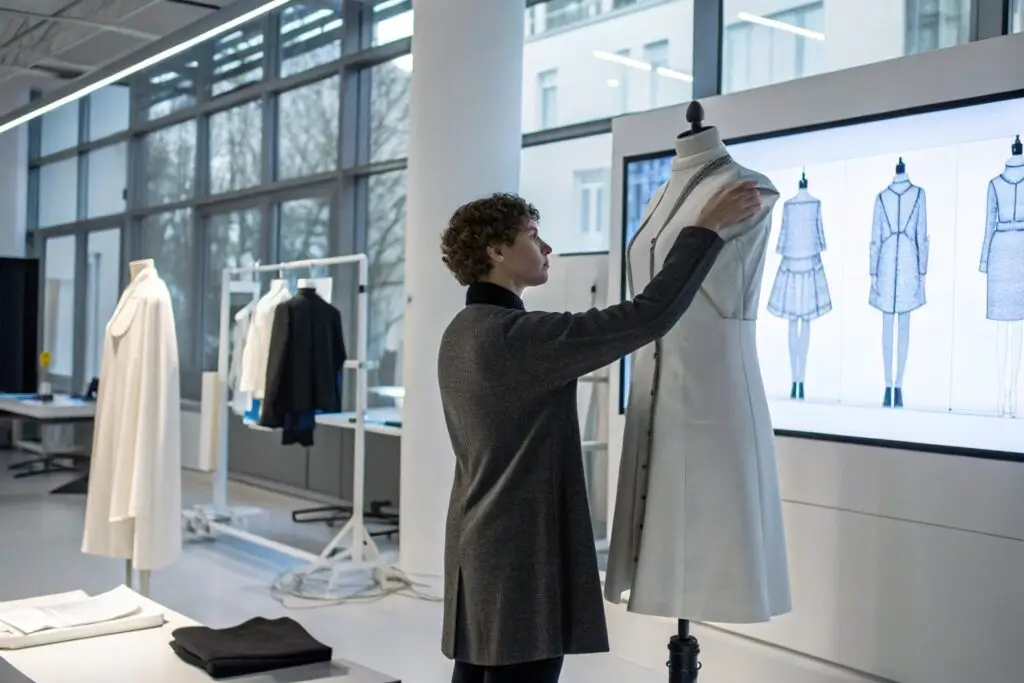
Why are fashion brands integrating technology?
| Benefit | Impact on Fashion |
|---|---|
| Faster Production | Reduces time from design to retail |
| Sustainability | Enables eco-friendly materials and processes |
| Customization | Allows brands to offer personalized clothing |
| AI & Data Analytics | Helps predict trends and optimize inventory |
How is 3D printing changing fashion?
3D printing allows designers to create garments without traditional sewing techniques. This technology reduces waste, speeds up production, and enables highly customized designs.
Why Digital Technologies Are Important for the Fashion Industry?
Fashion brands rely heavily on creativity, but digital transformation is now a necessity. Why is digital technology so crucial for the industry?
Digital technologies help fashion brands streamline operations, reduce costs, and enhance customer engagement. From virtual fitting rooms to AI-powered inventory management, digital tools allow brands to stay competitive in a fast-changing market.
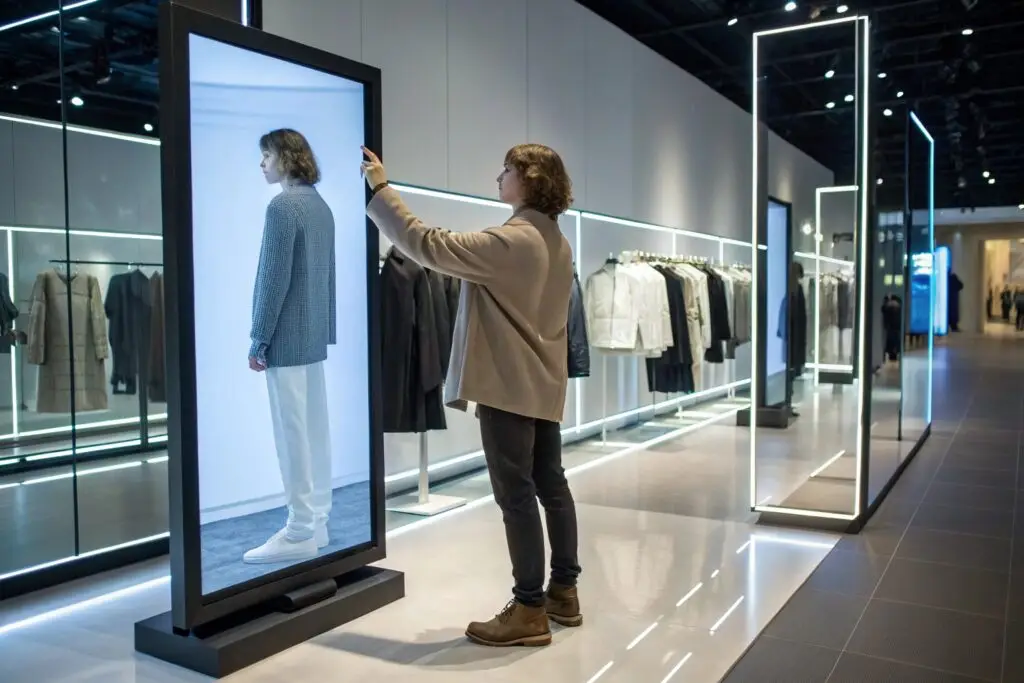
What are the key digital technologies used in fashion?
| Technology | Function |
|---|---|
| AI & Machine Learning | Predicts fashion trends and automates design processes |
| Augmented Reality (AR) | Enables virtual try-ons for online shoppers |
| Blockchain | Enhances transparency in supply chains |
| E-commerce Platforms | Expands brand reach and improves customer experience |
How does AR improve online shopping?
Augmented reality (AR) allows shoppers to virtually try on clothing before purchasing. This reduces return rates and improves customer satisfaction.
How Is AI Affecting the Fashion Industry?
Artificial intelligence is transforming various industries, including fashion. But how is AI impacting fashion companies?
AI is revolutionizing the fashion industry by automating design, improving customer personalization, and optimizing supply chains. AI-powered analytics help brands predict trends, manage inventory, and enhance marketing strategies.
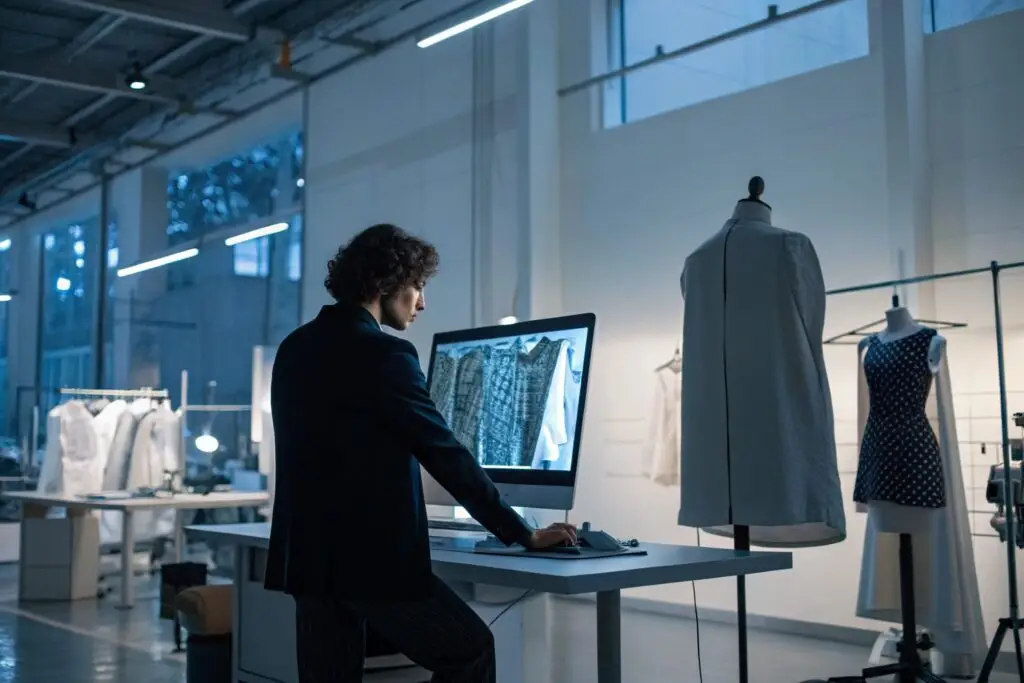
How does AI improve fashion forecasting?
AI analyzes social media trends, search data, and purchase history to predict which styles will be popular. This helps brands make better inventory decisions.
| AI Application | Benefit for Fashion |
|---|---|
| Trend Prediction | Reduces overproduction and stock waste |
| Personalized Shopping | Recommends products based on customer preferences |
| Automated Design | Generates new fashion concepts based on past trends |
Will AI replace fashion designers?
AI can assist designers by generating concepts, but creativity and human expertise remain essential in fashion.
How Technology Has Affected Consumer Behavior?
Consumers today interact with fashion brands differently than they did a decade ago. But how has technology influenced shopping habits?
Technology has changed consumer behavior by shifting shopping online, increasing demand for sustainability, and encouraging personalization. Digital experiences such as virtual fitting rooms and AI recommendations shape how customers engage with brands.

Why do customers expect more personalization?
Shoppers now expect brands to offer tailored recommendations based on their preferences. AI-driven personalization improves customer experience and increases sales.
| Consumer Expectation | How Technology Meets It |
|---|---|
| Instant Access | E-commerce platforms enable 24/7 shopping |
| Sustainability | Digital tracking systems verify eco-friendly production |
| Convenience | AI assistants suggest outfits and sizes |
Social media platforms like Instagram and TikTok influence purchasing decisions. Brands now use influencers and targeted ads to reach specific audiences.
Conclusion
Fashion companies may not develop new technology themselves, but they increasingly adopt digital solutions to improve efficiency and customer engagement. AI, AR, and e-commerce innovations are reshaping the industry, making fashion more sustainable, accessible, and personalized.