When you request to pay a $50,000 production deposit via PayPal, many reputable manufacturers will politely but firmly decline. While PayPal is a convenient and trusted platform for small transactions and consumer purchases, its framework is fundamentally misaligned with the realities and risks of large-scale B2B manufacturing. Understanding these misalignments is crucial for maintaining professional relationships and securing your order through appropriate channels.
Clothing manufacturers avoid PayPal for large orders due to high transaction fees that erode margins, severe buyer-centric dispute policies that expose them to chargeback fraud, and fund holding limits that cripple their cash flow needed to purchase materials and pay workers. The platform is designed for retail, not wholesale procurement.
This article breaks down the specific financial, operational, and risk-related reasons behind this industry-wide stance, explaining why standard banking instruments remain the professional norm.
How Do PayPal's High Fees Impact Manufacturing Margins?
The garment manufacturing industry operates on thin, highly competitive margins, often between 10-20%. PayPal's fee structure, which typically charges 2.9% + a fixed fee per transaction, takes a significant, direct bite out of this already slim profitability, especially on large sums.
PayPal's high fees impact manufacturing margins by making large transactions financially prohibitive. A 3-4% deduction on a five or six-figure payment can erase a substantial portion of the factory's profit or force them to inflate their quoted price to compensate, making them less competitive.
This isn't just a minor cost of doing business; it's a major line-item expense.
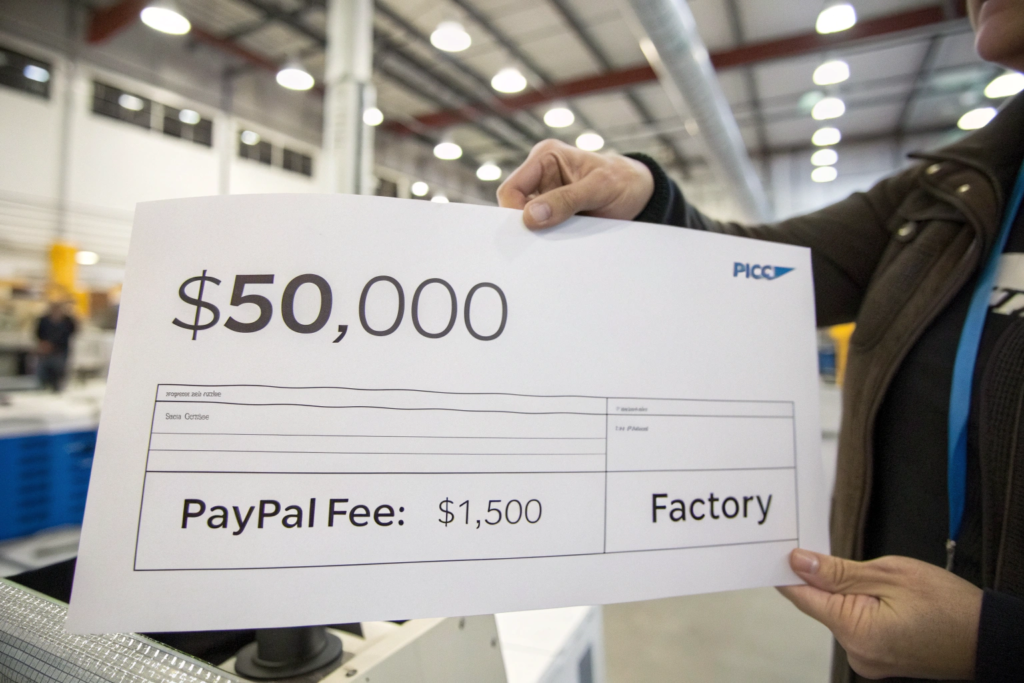
What is the Real Cost of a PayPal Transaction?
For a standard international commercial transaction, PayPal's fee can be 3.5% to 4.5% when including currency conversion. On key payments:
- Deposit of $25,000: Fees could be $875 - $1,125.
- Final Balance of $75,000: Fees could be $2,625 - $3,375.
Total Loss on a $100,000 Order: $3,500 - $4,500. This amount could represent the factory's entire net profit on the order or cover the salary of several workers for a month. In contrast, a Telegraphic Transfer (T/T) typically costs a flat fee of $20-$50, regardless of amount.
Why Can't Factories Just Add the Fee to the Price?
They could, but it creates inefficiency and makes them appear uncompetitive. Transparent factories like Shanghai Fumao quote an FOB price that includes their costs and fair profit. Adding a 3.5% PayPal surcharge makes their headline price higher than a competitor who quotes for bank transfer. It also complicates accounting and contractual pricing. It's cleaner and more professional to use the financially efficient method (bank transfer) from the start.
Why is PayPal's Dispute System a Deal-Breaker for Factories?
PayPal's dispute resolution is famously (and intentionally) buyer-centric, designed to protect consumers in e-commerce. When applied to complex B2B manufacturing orders, this system becomes a massive liability for the seller, exposing them to "friendly fraud" and subjective claims that are impossible to defend under PayPal's limited framework.
PayPal's dispute system is a deal-breaker because it allows buyers to file chargebacks up to 180 days after payment, often with minimal evidence, and PayPal frequently sides with the buyer, freezing and then refunding the supplier's funds even if goods have been shipped or produced.
The lengthy dispute window and burden of proof are mismatched with production cycles.
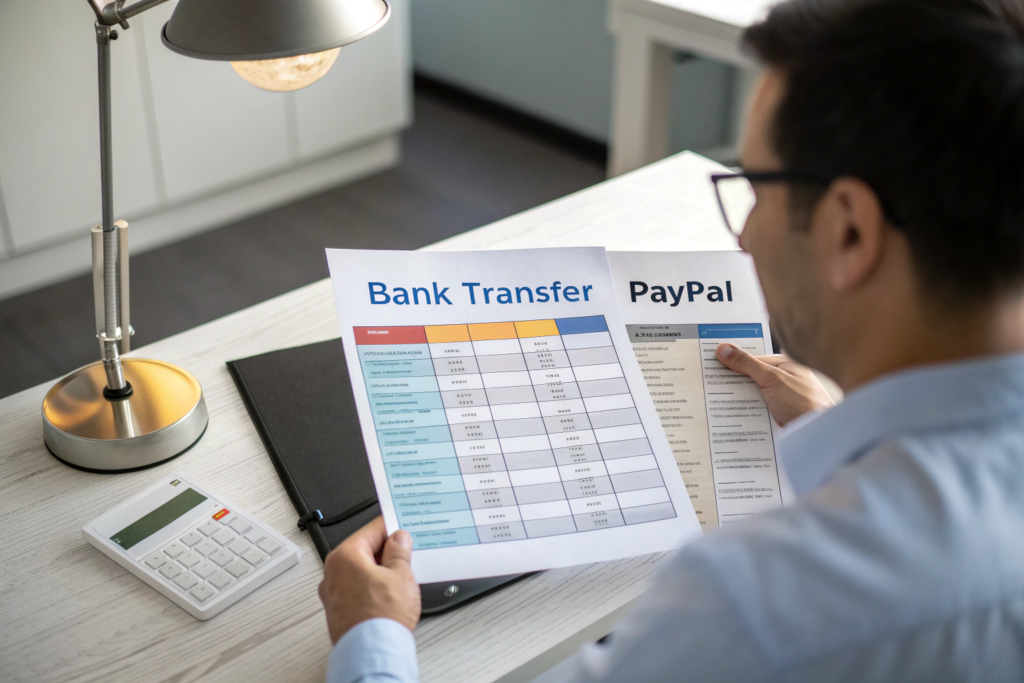
How Can a Buyer Abuse This System?
Scenarios we have witnessed or heard of from industry peers:
- "Item Not Received" Scam: After the goods are shipped via ocean freight (a 30-45 day journey), the buyer files a dispute before the goods arrive. Proving delivery to PayPal is difficult without their approved tracking, and ocean freight documents are often not accepted.
- "Significantly Not as Described" Claim: The buyer receives the goods but claims they are not as expected (e.g., "color is slightly off"). PayPal may force a full refund and rarely has the expertise to adjudicate nuanced quality standards like AQL levels.
- Cash Flow Exploitation: A buyer with cash flow issues might pay via PayPal to secure production, then file a dispute to reverse the charge, effectively getting free production financing at the factory's expense.
For a factory, this risk is catastrophic. A legitimate business cannot operate under the constant threat of having six months of revenue reversed based on a unilateral claim.
What Evidence Does PayPal Require, and Is It Feasible?
PayPal typically requires proof of delivery to the buyer's PayPal confirmed address via a tracked shipping service. For large container shipments:
- The goods are shipped to a port or a freight forwarder's warehouse, not the buyer's personal address.
- The Bill of Lading is a title document, not a door-to-door tracking number PayPal recognizes.
This evidentiary mismatch means the factory is almost automatically at a disadvantage in any dispute.
How Do PayPal's Holding and Withdrawal Policies Disrupt Cash Flow?
Manufacturing is a cash-flow-intensive business. Fabric must be paid for upfront, workers must be paid weekly or monthly, and overhead is constant. PayPal's policies of holding funds for new or large transactions and imposing slow withdrawal times can literally stop production in its tracks.
PayPal's holding and withdrawal policies disrupt cash flow by placing large sums in a holding period (21 days or more), limiting instant withdrawal amounts, and delaying access to crucial capital needed to fulfill the very order the payment is for. This creates a fatal operational bottleneck.
For a factory, timing is everything.
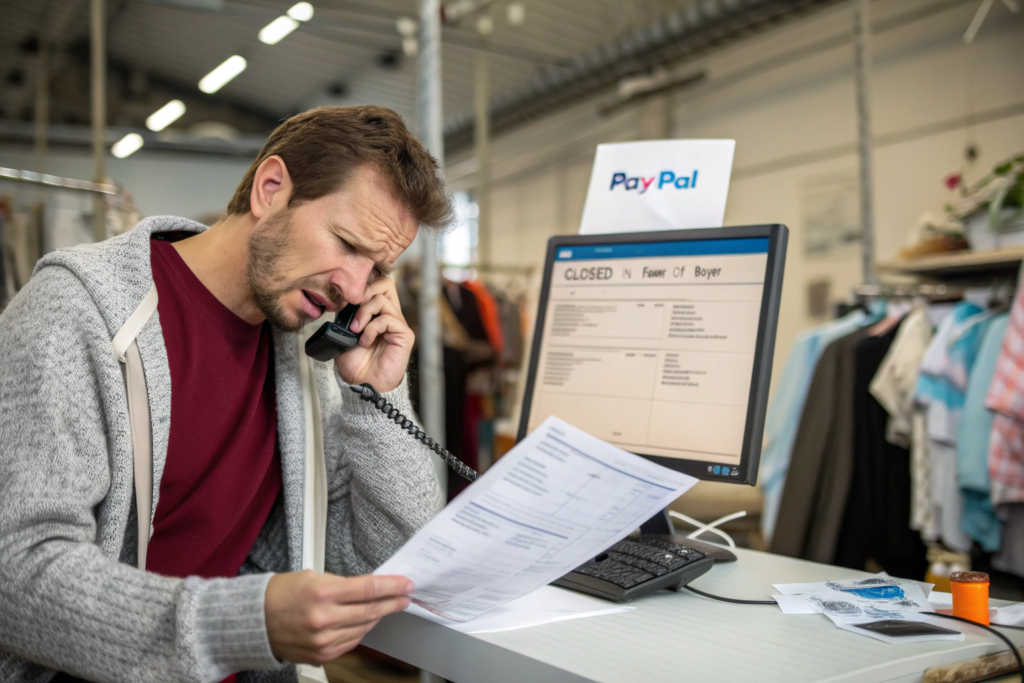
What are Typical PayPal Holds and Limits?
- 21-Day Holding Period: For "high-risk" or new receiver transactions, PayPal can hold funds for 21 days after the estimated delivery date—which in manufacturing could be months after payment.
- Withdrawal Limits: There are limits on how much can be withdrawn instantly to a linked bank account. Transferring the full balance can take 3-5 business days.
- Account Reviews: Large, sudden deposits can trigger account reviews and freezes for "suspicious activity," locking all funds indefinitely.
In contrast, a T/T payment is cleared and fully available in the factory's corporate bank account within 1-3 business days, giving them immediate certainty and liquidity to proceed.
Why is Immediate Cash Flow Non-Negotiable?
When you pay a 30% deposit, that money is immediately allocated to your fabric and trim orders. Mills demand prepayment. If the $15,000 deposit is stuck in a PayPal hold for 21 days, the factory cannot start your order without using its own strained capital to front the cost. This is an unacceptable financial risk and burden. Our policy at Shanghai Fumao is based on this reality: we require payments that give us immediate, clear access to capital to execute your order efficiently.
What Are the Professional and Accounting Complications?
Beyond fees and risk, PayPal introduces administrative complexity that is unnecessary for established B2B relationships. It lacks the formality and audit trail required for corporate accounting, international trade compliance, and transparent partnership.
Professional and accounting complications include difficulty reconciling payments to specific invoices, challenges with issuing formal VAT-compliant invoices for PayPal transactions, and the perception of dealing with a "retail" platform rather than a serious business partner.
For a factory, clean books are not optional.
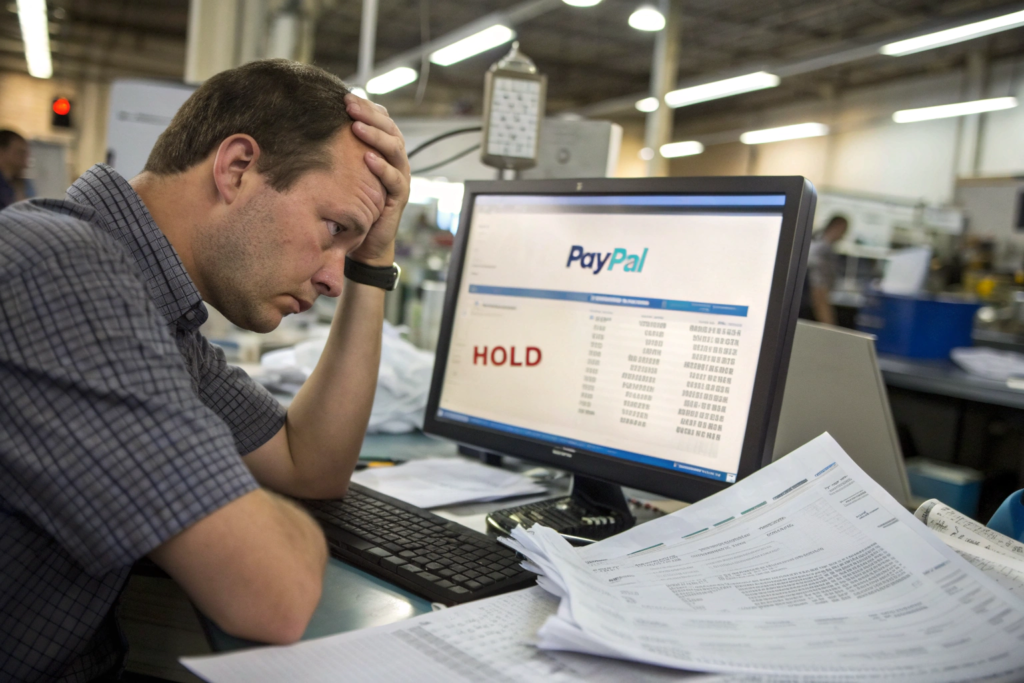
How Does PayPal Complicate Invoicing and Reconciliation?
A factory issues a Proforma Invoice (PI) with their company name, tax ID, and bank details. A PayPal payment comes from an individual's email address, often with no invoice number in the reference. Reconciling hundreds of thousands of dollars across multiple orders from dozens of PayPal emails is an accounting nightmare. Bank transfers, in contrast, show the payer's company name and allow for a precise payment reference (e.g., "PI-2024-101").
Does It Affect Perceptions of Professionalism?
Yes. Insisting on PayPal for a large order can signal to a factory that you may not be a serious B2B player familiar with global trade norms. It can raise questions about your financial stability (e.g., inability to secure a business bank line of credit) or your understanding of the manufacturing process. Starting a partnership on this note can undermine trust. Professional businesses use professional banking tools.
Conclusion
While PayPal serves an invaluable role in micro-transactions, e-commerce, and small deposits, its infrastructure is fundamentally incompatible with the scale, risk profile, and cash flow demands of large apparel manufacturing orders. Factories avoid it to protect their razor-thin margins from excessive fees, shield themselves from one-sided dispute resolution, ensure the immediate liquidity required to execute orders, and maintain professional accounting standards.
Insisting on standard T/T payments or Letters of Credit is not a supplier being difficult; it is a sign of their financial stability and operational professionalism. These methods provide the security, clarity, and efficiency necessary for a successful multi-thousand-dollar partnership. At Shanghai Fumao, we use and expect these standard B2B instruments because they form the reliable foundation upon which we build trust and deliver quality. To proceed with your order on a secure and professional basis, please contact our Business Director, Elaine, at elaine@fumaoclothing.com to discuss bank transfer details.