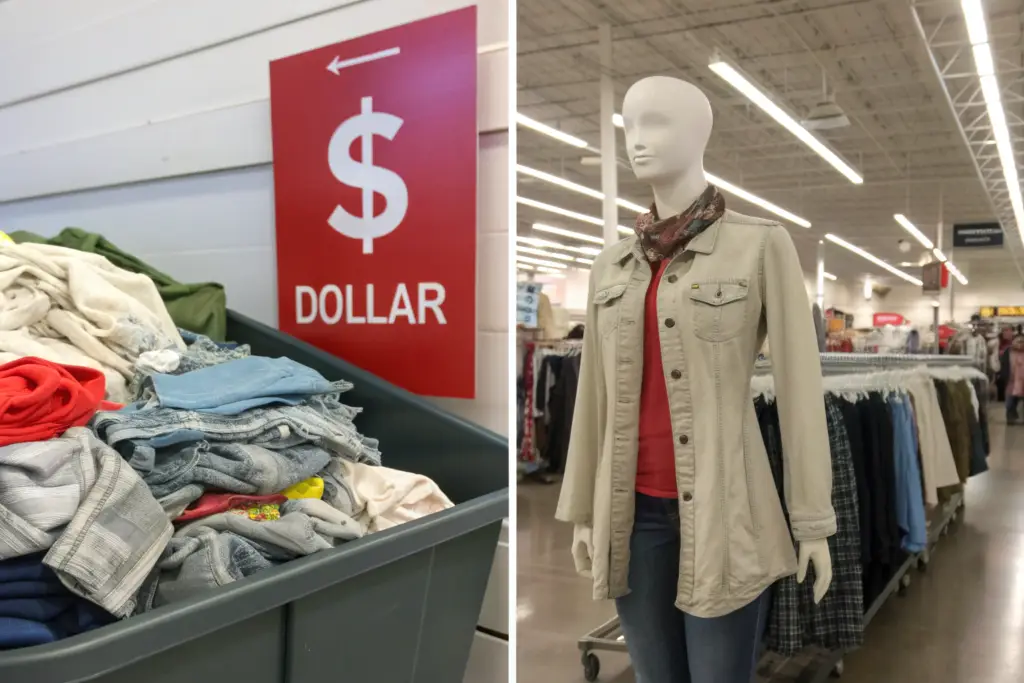
You find a factory. Their prices are low. Much lower than your current supplier. You do the math. You can increase your margin. You can lower your retail price. You can compete on cost. You place the order. The goods arrive. They look acceptable. You sell them. Then the returns start. The reviews come in. "The color faded after two washes." "The seams came apart." "It shrank." Your customers are disappointed. They do not come back. You saved $5 per unit. You lost a customer who would have spent $500 over five years. This is the hidden cost of cheap clothes.
Cheap wholesale clothes often cost more in long-term brand damage because low price almost always comes at the expense of quality, consistency, or ethical production. A single bad experience with a garment erodes customer trust. That trust took years to build. It can be destroyed in one order. The savings on the purchase order are a fraction of the lifetime value of a lost customer. For apparel brands, quality is not a cost. It is an investment in customer retention, word-of-mouth marketing, and brand equity.
I have run a clothing factory for over a decade. I have seen brands come and go. The ones that survive are not the ones with the lowest prices. They are the ones with the most loyal customers. I have watched brands switch to cheaper factories to save money. I have watched them lose their reputation. I have watched them close. I have also watched brands invest in quality. They charge more. Their customers stay. Their business grows. The math is simple. But it is easy to forget when you see a low price.
What Are the Hidden Costs of Cheap Manufacturing?
The price on the invoice is not the total cost. Cheap manufacturing creates hidden costs. These costs do not appear on the factory invoice. They appear in your operations. They appear in your customer relationships. They appear in your brand reputation.

How do returns and chargebacks eat into your margin?
When quality is poor, returns increase. Each return costs you money. You pay for return shipping. You pay for processing. You pay for inspection. You pay for restocking or disposal. You lose the sale. You may also lose the customer.
A return costs far more than the profit on the sale. A $50 garment with a 50% margin has $25 in profit. If it is returned, you lose that $25. You also pay $5 for return shipping. You pay $3 for processing. The total cost of that return is $33. You need to sell two more garments just to cover the loss from one return.
Multiply this across a season. A 10% return rate costs you dearly. A 20% return rate can destroy your margin. Cheap manufacturing often leads to high return rates. The savings on the factory price are quickly eaten by return costs.
A client in Miami switched to a cheaper factory to save $3 per unit. Their return rate went from 3% to 12%. They saved $3,000 on a 1,000-unit order. They spent $5,000 on additional return processing and lost sales. They lost money. They also lost customers. They switched back to us after one season. The "savings" were a loss.
Chargebacks are another hidden cost. If you sell to retailers, they will charge you for poor quality. A retailer may reject an entire shipment. They may demand a discount. They may deduct costs from your payment. These chargebacks can wipe out your margin entirely.
What is the real cost of negative reviews and lost customers?
A negative review is expensive. It costs you the customer who wrote it. It also costs you the customers who read it. One negative review can deter dozens of potential customers. It can take months of positive reviews to overcome.
The math is sobering. A customer who has a bad experience tells an average of 10 people. In the age of social media, they tell hundreds. Each of those people may avoid your brand. The cost of acquiring a new customer is high. Losing them because of poor quality is wasteful.
A client in Austin had a best-selling t-shirt. They switched to a cheaper factory to increase margin. The new t-shirts pilled after three washes. Customers posted photos on social media. The complaints spread. Sales dropped 40% in two months. The client had to issue refunds. They had to apologize publicly. They spent thousands on a new marketing campaign to rebuild trust. The $2 per unit savings cost them tens of thousands.
You cannot put a price on trust. But you can measure its value. Loyal customers buy more. They buy more often. They refer friends. They defend your brand. Cheap manufacturing destroys this loyalty. You save pennies. You lose dollars.
How Does Poor Quality Undermine Your Brand Positioning?
Your brand positioning is a promise. You promise quality. You promise durability. You promise style. When you sell cheap wholesale clothes, you break that promise. The customer feels betrayed. They trusted you. You let them down. This betrayal is hard to overcome.

How does inconsistent quality damage customer loyalty?
Inconsistent quality is worse than consistently poor quality. A customer buys one shirt. It is great. They buy another. It falls apart. They do not know what to expect. They lose confidence. They stop buying.
Cheap manufacturing often produces inconsistent results. One batch may be good. The next may be bad. The factory cuts corners when they are busy. They use different fabric when the good fabric runs out. They change workers without training. You cannot control what you cannot see.
A client in Denver had this experience. They built a loyal following with high-quality hoodies. They switched to a cheaper factory to meet demand. The first 500 hoodies were good. The next 500 had inconsistent sizing. Some were too small. Some were too large. Customers who ordered the same size got different fits. They returned them. They complained. The brand's reputation for reliable fit was destroyed. It took two seasons to recover.
Consistency is a form of quality. Your customers need to know what they are getting. When they buy your brand, they expect the same fit, the same fabric, the same construction every time. Cheap manufacturing cannot deliver this consistency.
What happens when your product fails to meet customer expectations?
Expectations are set by your branding. If you present yourself as a premium brand, customers expect premium quality. When they receive cheap wholesale clothes, the gap between expectation and reality is large. The disappointment is intense.
This disappointment turns into negative word-of-mouth. Customers feel cheated. They paid a premium price for a product that feels cheap. They blame you. They warn their friends. They leave bad reviews. They never come back.
A client in Los Angeles positioned their brand as sustainable and high-quality. They sourced from a cheap factory to save money. The factory used low-grade cotton. The fabric was not durable. The dyes faded quickly. Customers felt deceived. They accused the brand of greenwashing. The brand lost credibility. The founder had to write a public apology. The damage was severe.
Your product is the physical embodiment of your brand. If the product is cheap, the brand feels cheap. You cannot charge premium prices for low-quality goods. Customers will see through it. They will reject you.
How Does Cheap Manufacturing Affect Your Supply Chain Reliability?
Cheap factories are often unreliable. They cut corners on materials. They cut corners on labor. They also cut corners on management. They do not have systems. They do not have buffers. When problems arise, they cannot solve them. Your supply chain becomes unpredictable.

Why do low-cost factories struggle with on-time delivery?
Low-cost factories operate on thin margins. They cannot afford excess capacity. They cannot afford inventory. They run at full capacity all the time. When something goes wrong, there is no buffer. A machine breaks. A worker is sick. A fabric shipment is late. The whole production stops. Your order is delayed.
These factories also prioritize by price. The customer who pays the lowest price gets the lowest priority. When capacity is tight, your order is pushed back. You are at the back of the line. You have no leverage.
A client in Chicago learned this the hard way. They placed a large order with a low-cost factory. The factory was 4 weeks late. They missed their holiday launch. They lost 30% of their projected revenue. The savings on the factory price were a fraction of the lost sales.
Reliability is worth paying for. A factory that delivers on time allows you to plan. You can launch on schedule. You can capture demand. You can avoid markdowns. This reliability has real value.
How does poor factory communication create business risk?
Cheap factories often have poor communication. They have small teams. They are overwhelmed. They do not respond to emails quickly. They do not provide updates. They hide problems until it is too late.
When you cannot communicate with your factory, you lose control. You do not know where your order stands. You do not know if there are problems. You cannot intervene early. You are at their mercy.
A client in New York worked with a cheap factory in Bangladesh. Communication was slow. The factory did not respond to emails for days. When they did respond, the answers were vague. The client did not know if their order was on track. When the shipment arrived, it was two months late. The factory had never told them there was a delay. The client lost their retail accounts. They could not risk another season.
Communication is part of the service. A good factory communicates proactively. They tell you about problems before you ask. They give you updates regularly. You feel in control. This peace of mind has value.
How to Balance Cost and Quality for Long-Term Brand Health?
The answer is not to accept high costs. The answer is to find value. Quality does not have to be the most expensive. But it cannot be the cheapest. You need to find the balance. You need to invest in quality where it matters most.
Where should you invest in quality and where can you save?
Not every part of a garment needs the highest quality. You can save on some elements without damaging your brand. The key is knowing where to invest and where to save.
Invest in:
- Fabric: The fabric is what the customer touches and sees. Cheap fabric feels cheap. It fades. It pills. It shrinks. Invest in good fabric.
- Fit: Poor fit leads to returns. Good fit creates loyalty. Invest in pattern making and fit samples.
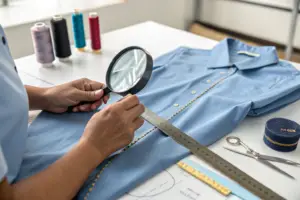
- Seams and construction: Seams that fail are a visible failure. Customers notice. Invest in good sewing and quality control.
- Trims: Cheap zippers and buttons break. They frustrate customers. Invest in reliable trims.
You can save on:
- Packaging: Simple, functional packaging works. You do not need elaborate boxes.
- Labels: Standard labels are fine. Custom labels are nice but not essential for quality perception.
- Internal finishes: Some internal finishes can be simplified without affecting the customer experience.
A client in Portland used this approach. They invested in high-quality fabric and fit. They used standard labels and simple packaging. Their customers loved the feel and fit. They did not care about the packaging. The brand grew because the product was good where it mattered.
How do you evaluate a factory's commitment to quality?
Before you commit to a factory, evaluate their quality systems. Ask questions. Look for evidence. A factory that cares about quality will have systems in place.
Ask about:
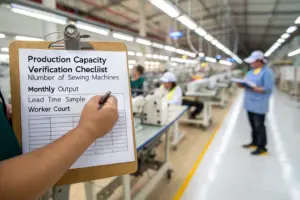
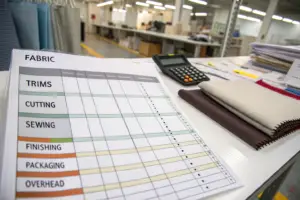
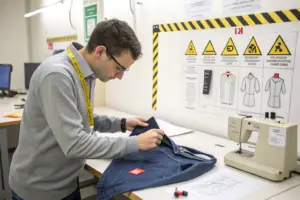
- Quality control process: Do they have in-line inspection? Do they have a QC team? Do they use AQL standards?
- Fabric testing: Do they test fabric for shrinkage, colorfastness, and strength?
- Worker training: How do they train new sewers? How do they maintain skills?
- Problem resolution: How do they handle quality issues? Do they have a corrective action process?
A client in Boston visited several factories before choosing a partner. They asked each factory about their quality systems. One factory had a detailed QC manual. They showed inspection records. They had a training program. The other factories were vague. The client chose the factory with systems. The quality was consistent. The partnership lasted.
You should also ask about certifications. ISO 9001 is a quality management certification. It shows the factory has documented processes. WRAP or BSCI certifications show commitment to ethical production. These certifications are not guarantees. But they are indicators.
Conclusion
Cheap wholesale clothes are a trap. The low price is seductive. It promises higher margins. It promises competitive pricing. But the hidden costs are devastating. Returns eat your margin. Negative reviews destroy your reputation. Inconsistent quality erodes customer loyalty. Unreliable supply chains create business risk.
The real cost is not on the invoice. It is in the customers you lose. It is in the trust you break. It is in the brand equity you destroy. A customer who has a bad experience with your product may never come back. That customer was worth hundreds or thousands of dollars in lifetime value. You traded that for a few dollars of savings.
Successful brands invest in quality. They understand that quality is not a cost. It is a marketing expense. It is a customer retention tool. It is a competitive advantage. A customer who loves your product will tell their friends. They will buy again. They will defend your brand. That is the real value.
At Shanghai Fumao, we do not compete on the lowest price. We compete on quality, consistency, and reliability. Our clients pay a fair price. They get products that perform. They get supply chains they can trust. They build brands that last. They come back season after season because they know the real cost of cheap manufacturing.
If you are looking for a manufacturing partner who values quality as much as you do, we would like to work with you. Our Business Director, Elaine, can discuss your quality requirements and help you find the right balance for your brand. You can reach her at elaine@fumaoclothing.com. Let us build a product that makes your customers loyal for life.