Renters aren’t just borrowing clothes—they’re borrowing confidence. And that means quality can’t be compromised.
Consumers expect higher quality in rented fashion because they associate the experience with premium service, repeat use, and sustainability. Rental garments must look and feel better to justify sharing.
At Fumao, we help fashion rental brands meet this expectation through better materials, elevated construction, and controlled garment lifecycles. Because in rental, quality isn’t a feature—it’s a promise.
Why is clothing rental good?
Rental isn’t just a trend—it’s a smart solution for style, sustainability, and access.
Clothing rental allows consumers to access high-quality fashion without full ownership, supporting sustainability while expanding wardrobe variety and minimizing waste.
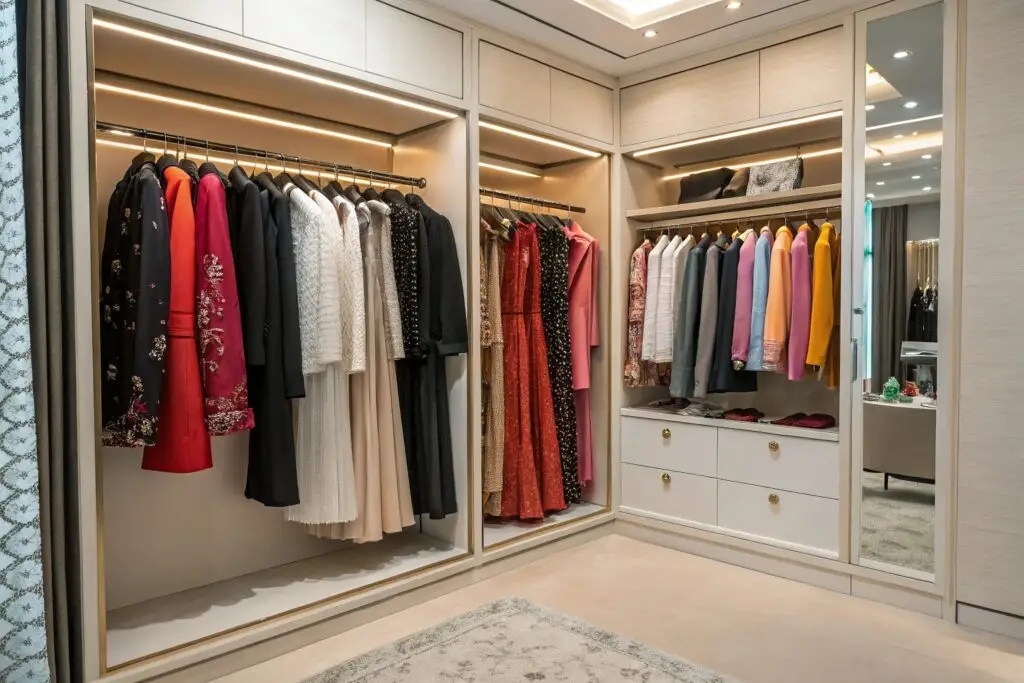
What makes rental appealing to modern consumers?
Rental offers a unique value combination:
- Affordability1: Try premium brands without the retail price
- Variety: Rotate styles often without buying more
- Convenience: No long-term commitment
- Sustainability2: Fewer garments in landfills
We’ve supported rental clients who report that 70% of their users rent for specific events—weddings, conferences, interviews. These renters expect spotless garments, perfect fit, and a premium feel.
Why does quality3 matter more in rental than retail?
Retail buyers might accept minor flaws—they own the item and can fix it later. Rental users don’t have that option.
They expect:
- No visible wear
- Tailored fit
- Reliable zippers, closures, and seams
- Cleanliness equal to brand-new
If a garment looks used, the entire rental experience feels devalued.
Do consumers want more sustainable fashion?
Yes—but they don’t want to sacrifice style or experience to get it.
Today’s consumers increasingly seek sustainable fashion options, with rentals offering a lower-waste, low-ownership model that appeals to eco-conscious and budget-conscious shoppers alike.
What’s driving consumer interest in sustainable fashion4?
- Environmental awareness: Social media has exposed the environmental cost of fast fashion.
- Gen Z and Millennials: These groups lead the demand for conscious consumption.
- Corporate transparency: Brands are now pressured to show traceability and eco-credentials.
A 2024 survey showed that over 60% of fashion renters cite “reducing waste5” as a key reason they rent instead of buy. But here’s the catch—sustainable must still feel luxurious.
At Fumao, we engineer fabrics like recycled polyester and bamboo blends that pass durability tests and maintain a premium feel. Our goal: eco + elegant6.
How does rental help consumers feel more eco-friendly?
Each garment is used by multiple people, reducing the overall production demand. One jacket, instead of ten. That’s carbon and water saved—without consumers needing to compromise on fashion.
We’ve seen our clients use simple garment tags like:
“This shirt has replaced 8 purchases. Thank you for making less mean more.”
That kind of message deepens loyalty.
Why do consumers prefer fast fashion?
Fast fashion isn’t just cheap—it’s fast, trendy, and emotionally rewarding. But it comes at a cost.
Consumers are drawn to fast fashion for its affordability, speed, and ability to mimic trends—yet many still seek better quality and ethics when given access.
What psychological triggers fuel fast fashion appeal?
- Instant gratification7: Buy today, wear tonight.
- Social proof: Influencer culture drives fast trend turnover.
- Perceived savings: Lower prices give a sense of value.
- Emotional styling: Wearing something new boosts mood.
Yet many fast fashion shoppers experience buyer regret8, closet overload, and low satisfaction from poor-quality purchases. That’s where rental steps in.
How can rental brands convert fast fashion buyers?
By combining:
- Trend-forward design
- High-quality materials
- Affordable subscription pricing
- Seamless return experience
Rental gives the same dopamine hit—but with higher garment quality9, better fit, and lower guilt. We help rental clients position themselves as the premium alternative to disposable fashion.
What factors influence consumer behavior in the fast fashion industry?
Understanding these factors helps rental brands position themselves more strategically.
Key factors include price sensitivity, peer influence, convenience, and media exposure—though growing concerns over quality and sustainability are shifting demand toward smarter alternatives.
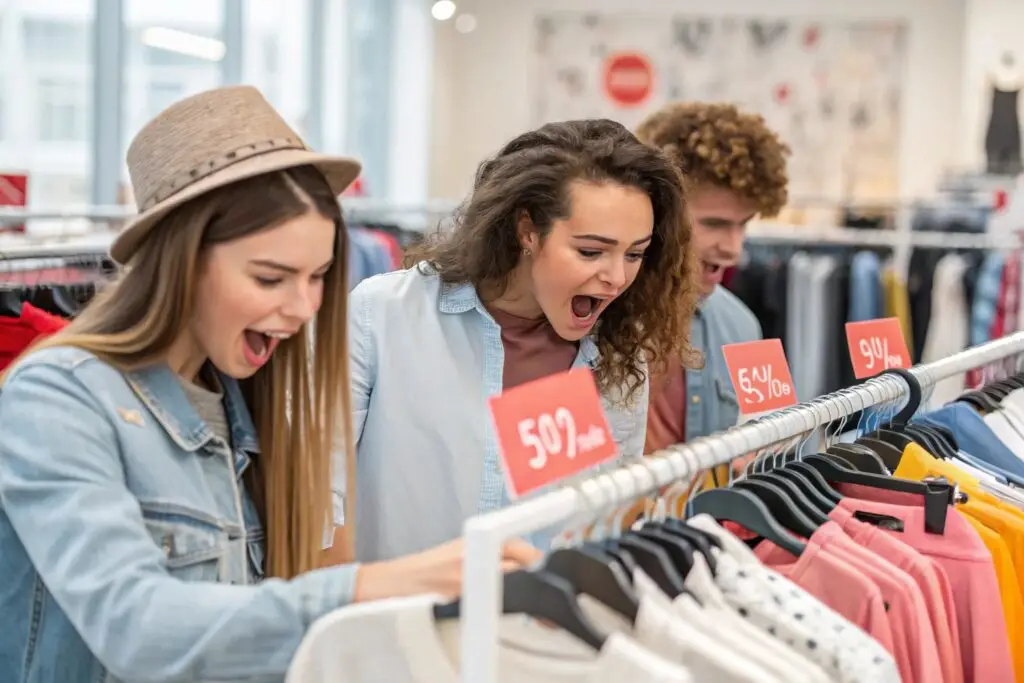
What behavior patterns should rental fashion brands pay attention to?
| Factor | Impact on Behavior | Rental Brand Response |
|---|---|---|
| Price Sensitivity | High turnover at low cost | Offer bundles or flat-rate plans |
| Social Validation | Wear-to-impress mentality | Focus on fashion-forward curation |
| Time Pressure | Need new looks quickly | Build fast shipping workflows |
| Fit Anxiety | Worried garments won’t fit | Offer try-ons or easy exchanges |
| Quality Expectation | Low in fast fashion, higher in rental | Reinforce premium experience |
At Fumao, we work with clients to use predictive sizing tools10, return incentives11, and lifestyle branding12 that directly address these psychological triggers.
How do you position rental as the upgrade, not the compromise?
Focus on messaging like:
- “Wear better, waste less.”
- “High fashion, low footprint.”
- “Tailored for you, again and again.”
Rented fashion must feel exclusive, not secondhand. And with better quality, it can.
Conclusion
Consumers expect more from rental fashion because it’s shared, curated, and premium by nature. At Fumao, we help our partners deliver garments that meet rising expectations—because rented doesn’t mean lower quality. It means smarter fashion.
-
Exploring this link will provide insights into how rental affordability enhances consumer choices and experiences. ↩
-
This resource will help you understand the positive environmental impact of rental fashion and its role in reducing waste. ↩
-
Discover why quality is crucial in rental services and how it affects customer satisfaction and brand loyalty. ↩
-
Explore the latest trends in sustainable fashion to understand how brands are adapting to consumer demands and environmental needs. ↩
-
Learn how reducing waste is transforming the fashion industry and promoting eco-friendly practices among consumers and brands. ↩
-
Discover the concept of eco + elegant in fashion, blending sustainability with luxury for a modern consumer experience. ↩
-
Understanding instant gratification can help you grasp why fast fashion is so appealing and how it affects shopping habits. ↩
-
Exploring buyer regret can provide insights into consumer psychology and the pitfalls of fast fashion shopping. ↩
-
Learning about garment quality can enhance your understanding of sustainable fashion and the benefits of rental services. ↩
-
Explore how predictive sizing tools can enhance customer satisfaction and reduce fit anxiety in rental fashion. ↩
-
Learn about return incentives that can boost customer loyalty and encourage repeat rentals in the fashion industry. ↩
-
Discover the role of lifestyle branding in creating a premium experience for rental fashion customers. ↩