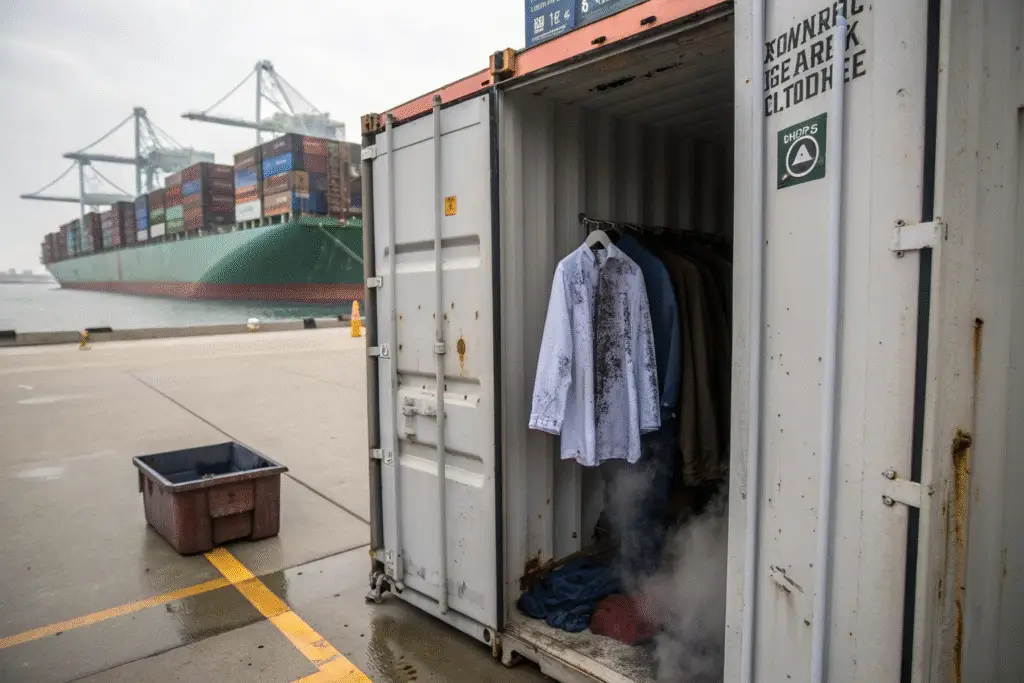
Excess moisture during transportation often turns into a hidden risk for global trade. For exporters in the apparel field, even one container exposed to unstable humidity may cause mildew, odor, and irreversible fabric damage. In severe cases, retailers refuse entire batches, leading to large financial losses and weakened customer trust.
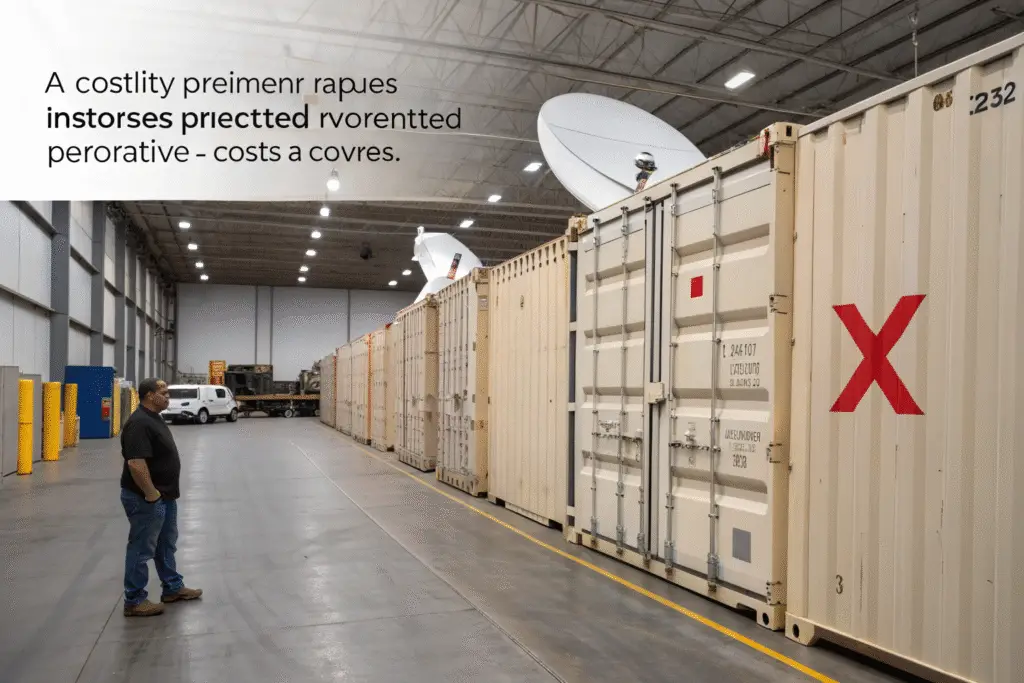
Satellite-based IoT brings a practical solution to this challenge. By installing smart sensors in shipping containers that transmit data through low-orbit satellites, we can receive continuous information about internal humidity levels, even on long routes across the ocean where traditional networks fail. This capability helps avoid unpleasant surprises once goods arrive.
For brand owners and sourcing managers, this means greater dependability. They can receive transparent records proving that garments were stored under safe environmental conditions, while suppliers can reinforce reliability. The following sections explain in detail why this approach is becoming vital in international apparel logistics.
Real-Time Humidity Oversight Benefits
Protecting cargo from moisture is essential when dealing with clothing, textiles, and fashion accessories. Even slight fluctuations may trigger mold growth or material degradation. Unlike devices that rely on land-based signals, satellite IoT ensures uninterrupted data transfer during the entire sea journey.
With a continuous flow of information, logistics teams are able to intervene when needed. If humidity begins to rise, ventilation systems or dehumidifiers can be adjusted. Buyers, at the same time, receive complete digital logs confirming safe handling.

How Can Satellite IoT Help Stop Mold Formation?
These sensors monitor container conditions and send updates without interruption. If humidity moves outside safe limits, alerts arrive instantly, enabling timely action instead of waiting until cargo is unloaded. Technologies like LoRaWAN combined with satellite communication make this feasible.
Why Does It Outperform Conventional Data Loggers?
Old-fashioned data loggers only reveal conditions after transit. With IoT connectivity, managers can act while the vessel is still on the way. This ability to respond mid-route is the major advantage for shipments containing high-value apparel.
Financial Advantages of Preventing Moisture Damage
The cost of ruined shipments is far higher than the price of prevention. For example, a rejected container of fashion goods can easily equal tens of thousands of dollars in loss. Satellite IoT requires initial setup, yet long-term savings are significant.
For apparel distributors in the U.S. market, avoiding product rejection secures steady profit margins. Goods can reach retail shelves on time, preserving brand reputation and seasonal sales opportunities.
Can Insurance Claims Become Easier With IoT Data?
Yes. Insurance providers often demand proof that cargo was transported properly. Satellite-based monitoring delivers verifiable records, which may simplify claims and even reduce premiums. Reports in Marine Insurance News already highlight this emerging practice.
Do Buyers Achieve Cost Stability Through This Method?
They do. Continuous monitoring prevents unexpected disruptions, which reduces emergency replacements and rush production. As DHL Logistics Insights notes, dependable oversight contributes to stable procurement and better supplier relationships.
Strengthening Supplier-Buyer Confidence
Mutual confidence is the foundation of global sourcing. Many buyers hesitate because of prior experiences with delayed shipments or inaccurate certifications. By using satellite IoT, exporters can provide clear evidence of shipping conditions, showing accountability.
This practice builds longer-term partnerships, especially with American apparel brands that often value consistency more than simply the lowest unit cost.

Can Greater Transparency Improve Contract Negotiations?
Indeed. When suppliers provide real-time container data, buyers gain reassurance. Recorded humidity levels act as strong evidence. Studies in Supply Chain Digital demonstrate how transparent data improves supplier negotiations.
How Does It Minimize Communication Problems?
Instead of constant emails or phone calls requesting updates, clients can check a digital platform that shares information automatically. Providers such as Orbcomm already operate systems that give this visibility to logistics partners.
Future Direction of Intelligent Apparel Logistics
Global shipping is undergoing rapid digital transformation. Satellite IoT is one step within this trend, alongside blockchain verification, predictive AI, and smart containers. In the apparel business—where fashion cycles are fast and timing is critical—this technology ensures reliability and punctuality.
Adopting new tools early positions suppliers as more dependable partners to American and European fashion companies that require both speed and consistent quality.

Is Satellite IoT Likely to Become a Common Standard?
Market indicators suggest it will. As costs drop, adoption spreads across industries. Analysts writing in IoT Business News forecast broader use of satellite-enabled monitoring in textile and fashion supply chains in the near future.
How Do Apparel Brands Gain From Being Early Users?
Those that require IoT monitoring from their suppliers can reduce waste, keep delivery schedules, and support sustainability. Insights published by McKinsey on Apparel Logistics confirm that digital monitoring strengthens long-term efficiency.
Conclusion
Using satellite IoT to manage container humidity is more than just a technical improvement. It is a safeguard for global trade in garments, protecting goods against damage, cutting financial risks, and reinforcing trust in business relationships. For Shanghai Fumao, applying such methods allows us to deliver consistently to our partners in the U.S. and Europe.
If you are a sourcing manager, distributor, or brand buyer seeking dependable production and safe delivery, I invite you to connect with us. Our Business Director, Elaine, can provide more details and support your next apparel order. Please reach out via elaine@fumaoclothing.com.