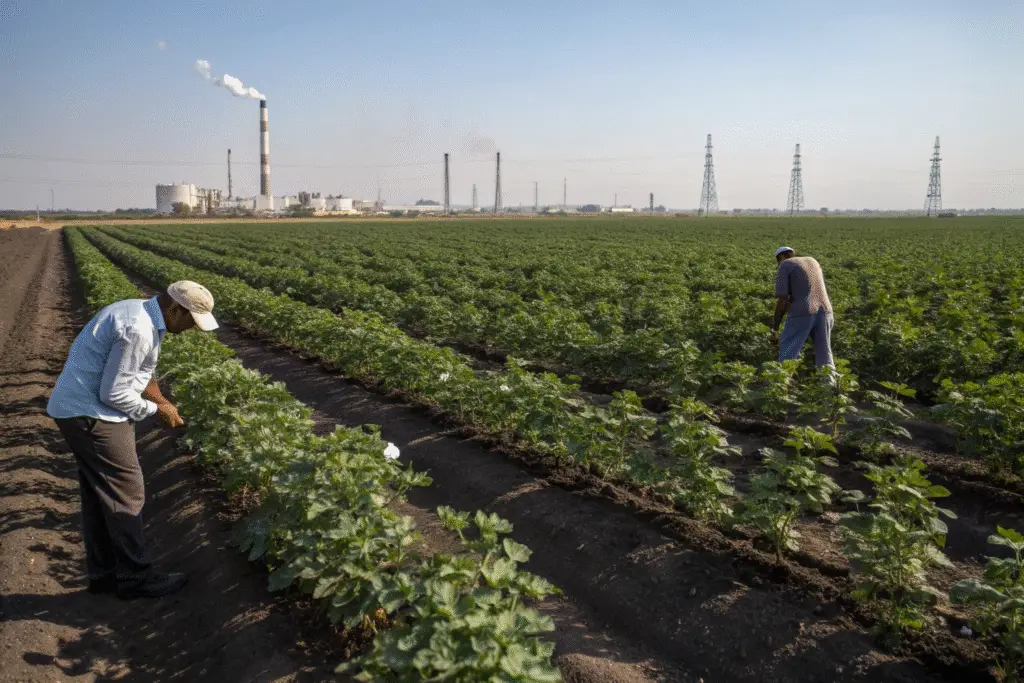
Phytoremediation cotton is emerging as a practical and eco-friendly solution for regions suffering from soil contamination and industrial pollution. Many buyers and brands in the apparel industry are searching for sustainable textiles that not only serve fashion but also help restore environments. The question is, why is phytoremediation cotton an ideal choice, and what makes it relevant for both polluted regions and the global apparel market?
Phytoremediation cotton offers a dual benefit: it helps clean contaminated soils while providing raw material for sustainable textiles. This unique synergy between environmental science and fashion manufacturing makes it an increasingly attractive option for brands aiming to combine ecological responsibility with high-quality products.
At the same time, adopting phytoremediation cotton requires an understanding of its environmental impact, production challenges, and commercial opportunities. In the following sections, I will explore its environmental benefits, economic value, safety considerations, and future role in the apparel industry.
Environmental Benefits of Phytoremediation Cotton
Phytoremediation cotton absorbs heavy metals and pollutants from the soil, reducing long-term ecological risks. For buyers and apparel companies, this means participating in a supply chain that contributes directly to land restoration.
This cotton not only provides fabric but also helps detoxify environments, making it a rare example of a textile crop that offers ecological and economic value at the same time.
By understanding its biological mechanism and its potential for scale, brands can make better decisions about sourcing from farms engaged in this sustainable practice.
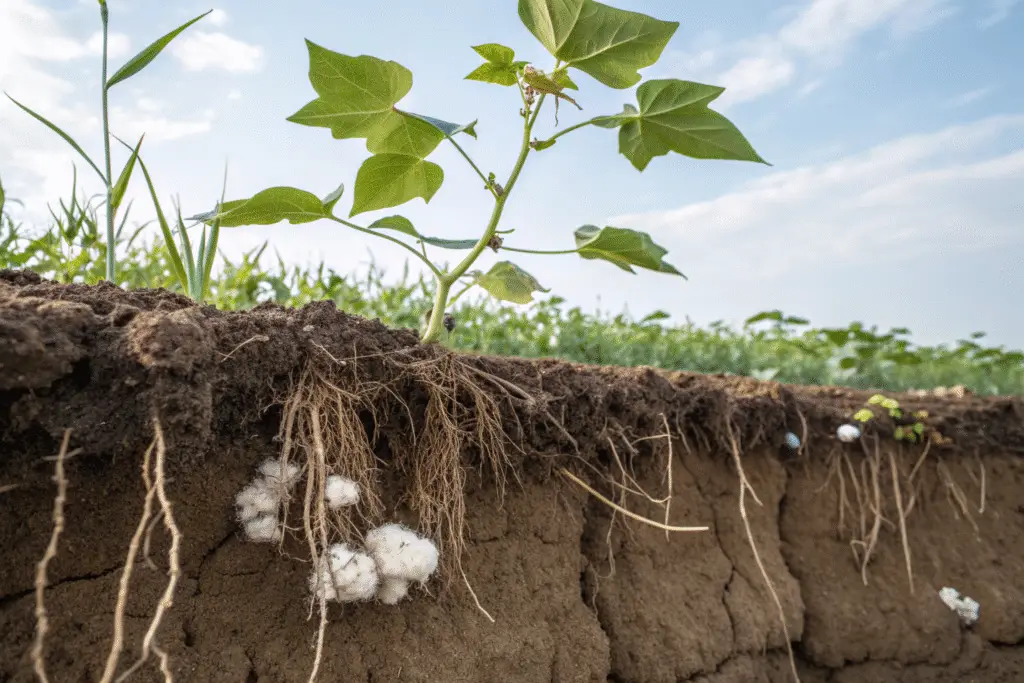
How Does Phytoremediation Cotton Work?
Phytoremediation cotton uses its root system to extract toxins such as cadmium and lead from the soil. Studies from USDA research have shown that cotton plants are efficient in absorbing heavy metals without reducing their fiber output. This makes them an ideal crop for polluted lands that would otherwise remain barren. Additionally, organizations like the EPA highlight phytoremediation as one of the most cost-effective cleanup methods available today.
Can This Cotton Still Be Used For Fabrics?
Yes, because the fibers do not accumulate the same levels of pollutants as the roots or leaves. According to findings from Textile Exchange, the fiber quality remains intact and safe for use in apparel. The non-fiber biomass (stalks, leaves) is usually disposed of or processed safely to prevent secondary contamination. This ensures that apparel made from phytoremediation cotton can be both fashionable and safe.
Economic Value For Farmers and Brands
Phytoremediation cotton creates new income sources for farmers while restoring land that was once unproductive. For brands, it offers a unique story that resonates strongly with eco-conscious buyers.
It turns abandoned, polluted lands into productive farms, giving companies a chance to align sustainability with profitability.
This balance between ecology and economics is driving more international buyers to explore partnerships with suppliers who integrate phytoremediation practices.
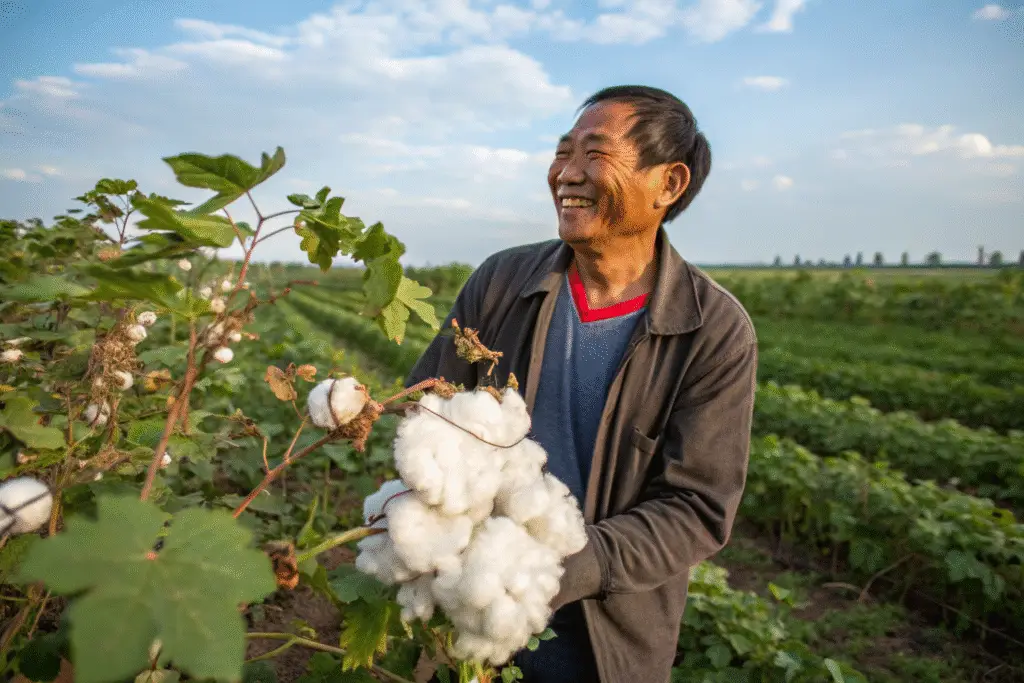
Why Is It Cost-Effective For Farmers?
Farmers in polluted regions often cannot cultivate food crops due to soil safety concerns. By shifting to phytoremediation cotton, they can still generate income. According to FAO reports, cotton is highly adaptable and provides stable yields even in compromised soils. This creates a cycle of economic resilience while simultaneously cleaning the environment.
How Do Brands Benefit From This Approach?
Brands can market products as both sustainable and socially responsible. According to McKinsey’s sustainability report, consumers are increasingly willing to pay more for products with clear ecological value. Partnering with suppliers that produce phytoremediation cotton enables companies to meet ESG targets while differentiating themselves in a competitive marketplace.
Safety and Quality Considerations
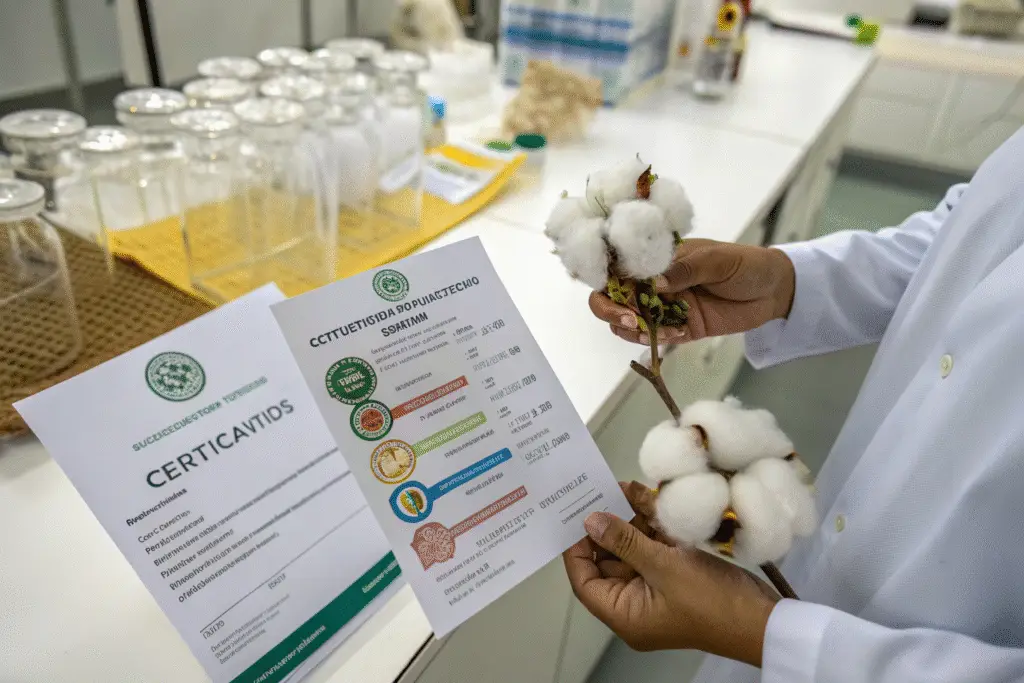
One major question buyers often ask is whether phytoremediation cotton is safe. Scientific testing and certifications ensure the fibers meet international safety standards.
With proper certification and transparent supply chain practices, apparel brands can confidently use phytoremediation cotton for high-quality textiles.
Brands sourcing from trusted suppliers will find that phytoremediation cotton meets the same performance standards as conventional cotton.
What Certifications Are Needed?
Certification bodies like OEKO-TEX and GOTS play a critical role in validating safety. These certifications prove that fibers processed from phytoremediation cotton are free from harmful substances, making them acceptable in U.S. and European markets. Without such certification, international buyers would hesitate to adopt this material.
How Is Fiber Quality Maintained?
Advanced spinning and weaving technologies ensure that fibers remain consistent. According to Cotton Incorporated, cotton grown under phytoremediation does not show measurable differences in strength, softness, or dye absorption compared to regular cotton. This means apparel brands can maintain their design standards while adopting sustainable sourcing.
Future of Phytoremediation Cotton in Apparel
The rise of sustainable fashion is driving the adoption of experimental textiles, and phytoremediation cotton is one of the most promising.
As climate and pollution challenges grow, this cotton provides a way for brands to invest in both profit and planet.
Forward-looking apparel companies are already preparing to add phytoremediation cotton into their sourcing strategies.

Will Consumers Accept Phytoremediation Cotton Products?
Yes, especially in markets like the U.S. and Europe where eco-fashion is growing fast. A Statista report shows that more than 60% of Gen Z consumers prefer to buy from sustainable brands. If marketed correctly, phytoremediation cotton can become a strong selling point.
What Role Will Apparel Suppliers Play?
Suppliers will act as the bridge between farmers and brands, ensuring certification, logistics, and quality control. Companies like Better Cotton Initiative are already showing how coordinated supply chains can scale sustainable cotton globally. Suppliers in China and other production hubs must prepare to integrate phytoremediation cotton into their offerings.
Conclusion
Phytoremediation cotton is more than a sustainable textile. It is a bridge between environmental restoration and fashion manufacturing. It turns polluted land into productive fields, provides safe and high-quality fibers, and helps apparel brands strengthen their sustainability story. For buyers who want to secure long-term partnerships in eco-fashion, this cotton represents a unique opportunity.
If you are considering sourcing sustainable apparel, our company Shanghai Fumao Clothing is ready to help. We combine advanced textile manufacturing with eco-conscious practices, ensuring your brand gets top-quality products that meet international standards. You can contact our Business Director Elaine at elaine@fumaoclothing.com to explore how we can produce your next collection responsibly.