Counterfeiting is not a small problem anymore—it’s global, spreading across fashion, electronics, and even health products. To be honest, I’ve seen buyers lose both revenue and reputation because of fakes. And yes, they often discover it only after damage is done.
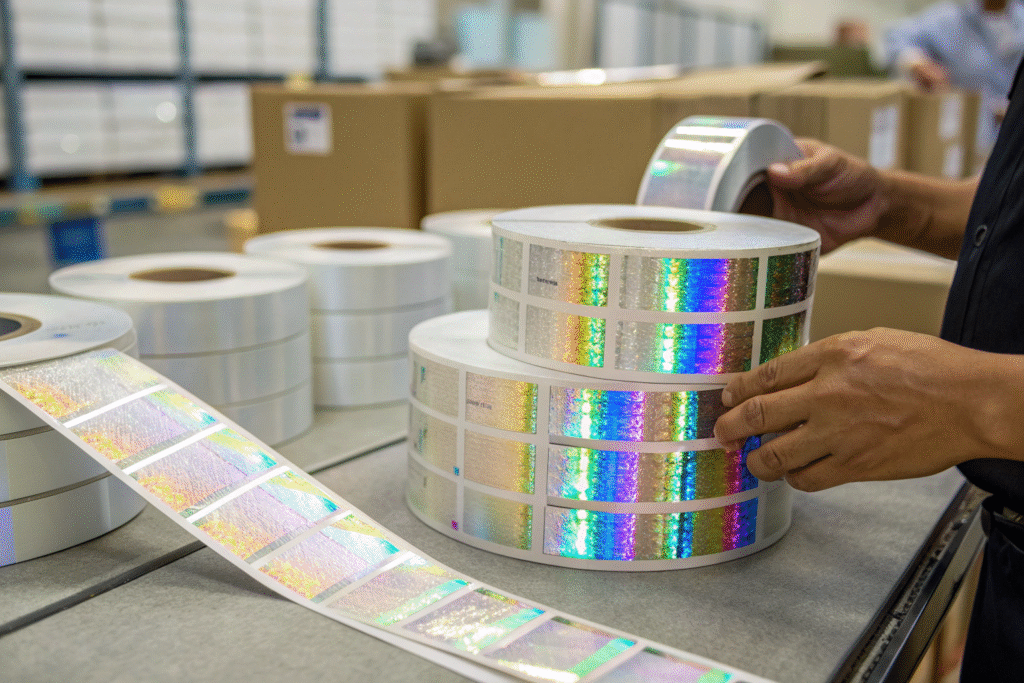
Actually, holographic anti-counterfeit labels offer one of the simplest yet most effective shields. Their complex micro-patterns, rainbow light effects, and optional covert features make duplication nearly impossible. At the same time, consumers can instantly verify authenticity just by tilting the product under light.
So… why are these labels chosen by more and more brands worldwide? Personally I think the answer lies in a mix of security, marketing, and trust—let me explain.
How Do Holographic Labels Prevent Counterfeiting?
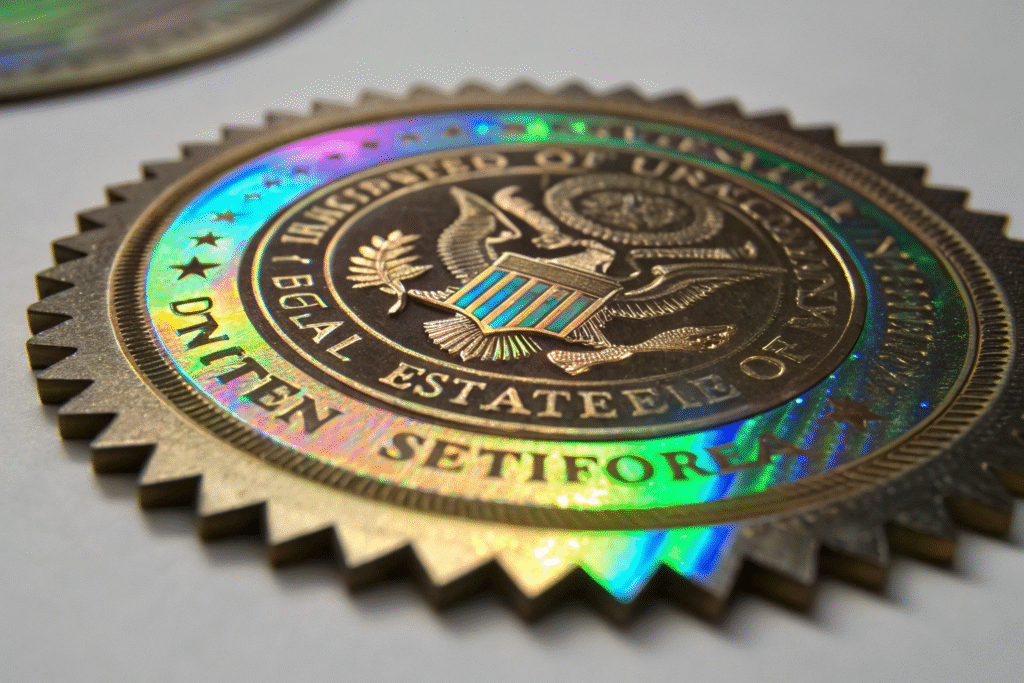
Fake producers can copy logos, barcodes, even QR codes—but rarely do they manage to recreate holography. Holographic labels use diffractive optical structures etched with lasers. The setup alone costs more than a small counterfeiting operation could handle.
The core strength: holographic visuals are obvious to the human eye yet extremely difficult to replicate with cheap equipment. This balance makes them highly cost-effective.
Why are optical effects hard to duplicate?
Light bending is the secret. Standard printers—say an inkjet printer—cannot create true 3D diffractive patterns. For context, SPIE’s optics resources explain the physics. Rarely do counterfeiters invest in such tech, so most simply give up.
What extra security features can be added?
Layers, that’s the trick. Overt shimmer plus covert features like microtext or serialized codes. You can explore security printing basics and even advanced RFID applications. Together, they create a label that works as both shield and ID card.
What Industries Benefit Most from Holographic Labels?
Not only high-end products suffer from fakes—everyday items too. Still, the top industries using holograms are apparel, cosmetics, electronics, and pharmaceuticals.
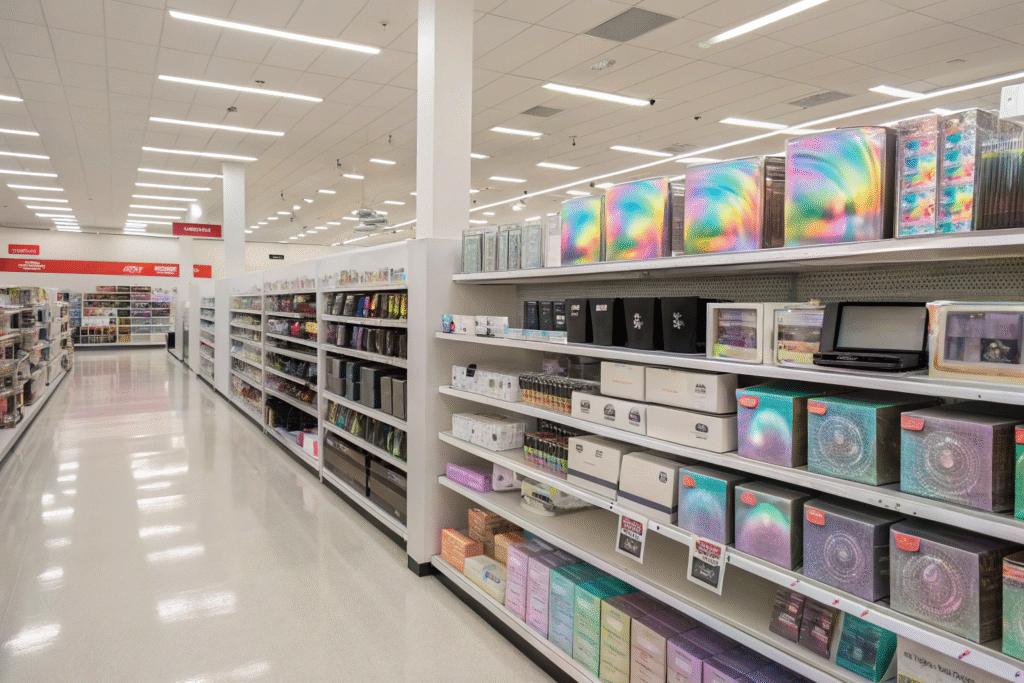
These sectors lose billions annually from counterfeit goods. Holographic labels give visible assurance at retail shelves, strengthening consumer confidence and reducing risks.
Why do apparel brands use holographic seals?
Fashion is hit hard by counterfeits. Labels become instant signals of originality. More insights come from OECD counterfeiting reports and analyses at The Fashion Law. Shoppers trust what they can see—shimmer equals safety.
How do pharmaceutical firms apply holographic tech?
Medicines demand strict safety. Holograms, plus serialization and track-and-trace systems, form multilayered security. WHO provides anti-counterfeit guidelines. Consumers can verify authenticity without tools—just their eyes.
Are Holographic Labels Cost-Effective?
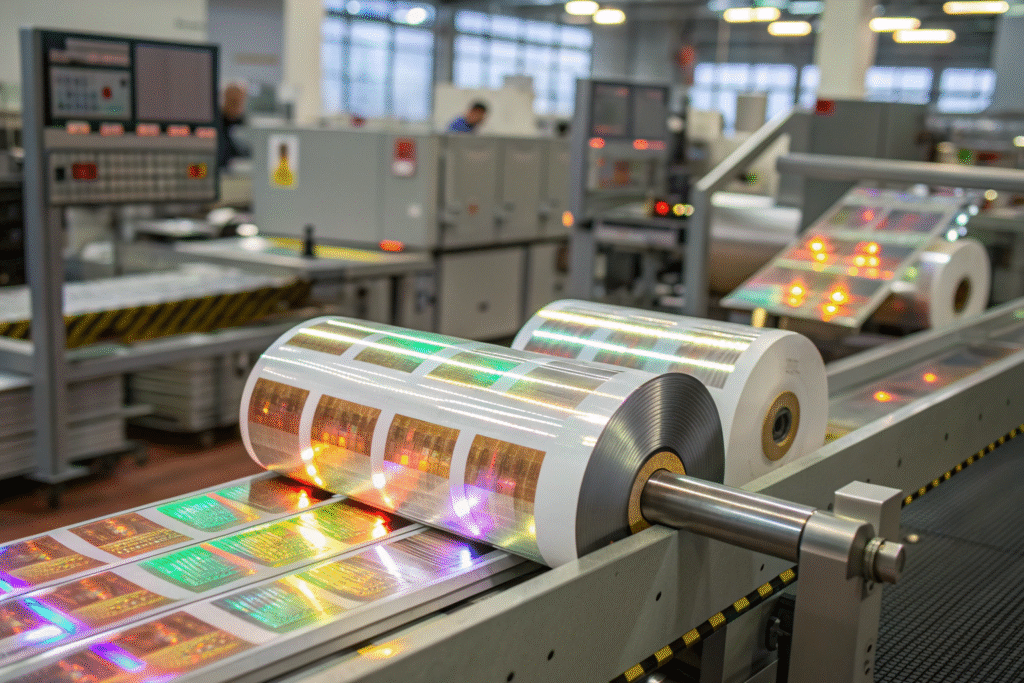
To be honest, some clients think holograms are expensive. Actually… they are not. Prices per unit have fallen sharply thanks to roll-to-roll embossing.
One simple truth: the cost of preventing counterfeits is far less than the loss caused by fake goods. ROI is clear and quick.
How much do labels cost per unit?
Most cost only cents, varying by design. For real-time pricing, see Alibaba holographic labels. Compared with potential brand damage, this cost is tiny.
What’s the added marketing value?
Labels shimmer under store lights—attention guaranteed. Packaging studies such as this one on consumer response confirm visual cues impact purchase decisions. So, holograms double up as silent salespeople.
How Do Holographic Labels Support Brand Trust?
Trust is fragile… once broken, hard to repair. Counterfeits eat at it like rust. That’s why more brands invest in visible, recognizable safeguards.
Holographic labels give customers instant confirmation. They don’t need apps, scanners, or expert knowledge—just a tilt under the light.

Why do consumers respond positively to holograms?
Humans rely on visual markers. As consumer psychology research shows, visible authenticity signals boost confidence. Shimmering holograms remind people of trusted currency features—hard to fake, easy to see.
How do holographic labels fit into omni-channel sales?
In e-commerce, brands display hologram close-ups in product photos. For context, see UNCTAD’s counterfeit e-commerce report. Offline, shoppers check labels directly. Online or offline, trust is built the same way.
Conclusion
Personally I think holographic labels solve three problems at once: protection, branding, and trust. They keep counterfeiters away, they make products more appealing, and they give buyers confidence. Costs are low compared to the risks avoided.
At Shanghai Fumao Clothing, we help apparel brands add this layer of security without complicating supply chains. To be honest, it’s one of the smartest packaging upgrades you can make. For more details—or to start a project—contact our Business Director Elaine at elaine@fumaoclothing.com or visit shanghaigarment.com.