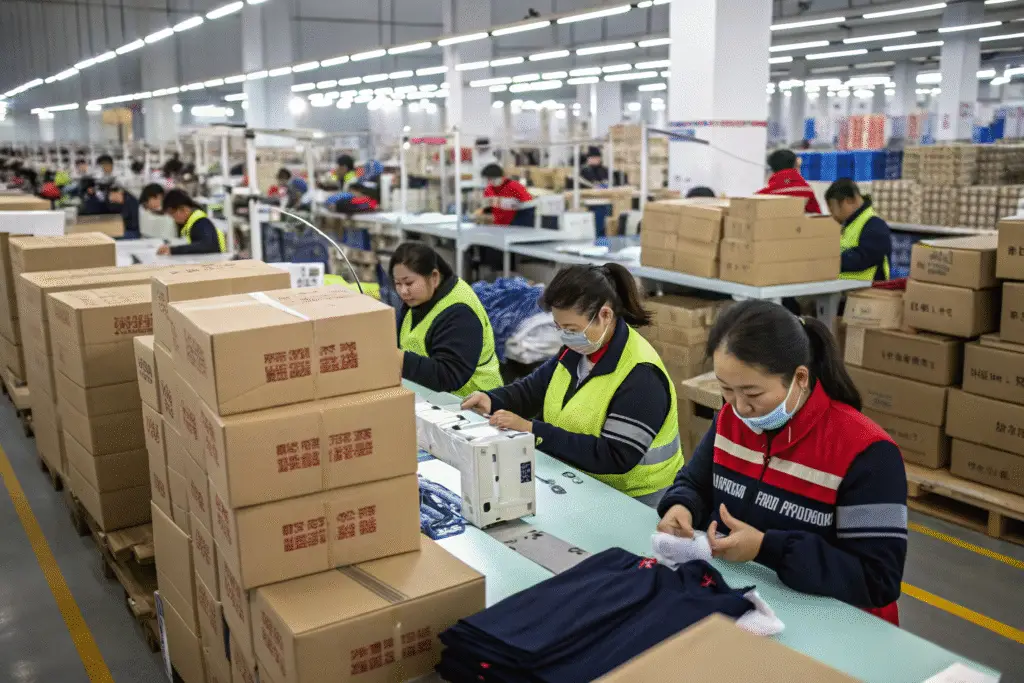
When importing garments from overseas, one of the most crucial decisions you can make is choosing the right shipping method. Many buyers get caught up in negotiating unit prices but forget that logistics can make or break your season. A late delivery could cost you shelf space and customer trust.
DDP (Delivered Duty Paid) shipping offers a stress-free, door-to-door logistics solution that ensures your goods arrive on time, without you lifting a finger for customs or taxes. This shipping method is especially valuable for U.S. apparel importers working with Chinese garment factories like ours.
If you're tired of dealing with customs brokers, surprise duties, or missed clearance documents, you’ll want to understand how DDP simplifies it all. In this article, I’ll walk you through the advantages, key risks DDP helps avoid, how it compares with other Incoterms, and when to use it smartly.
What Is DDP and How Does It Work?
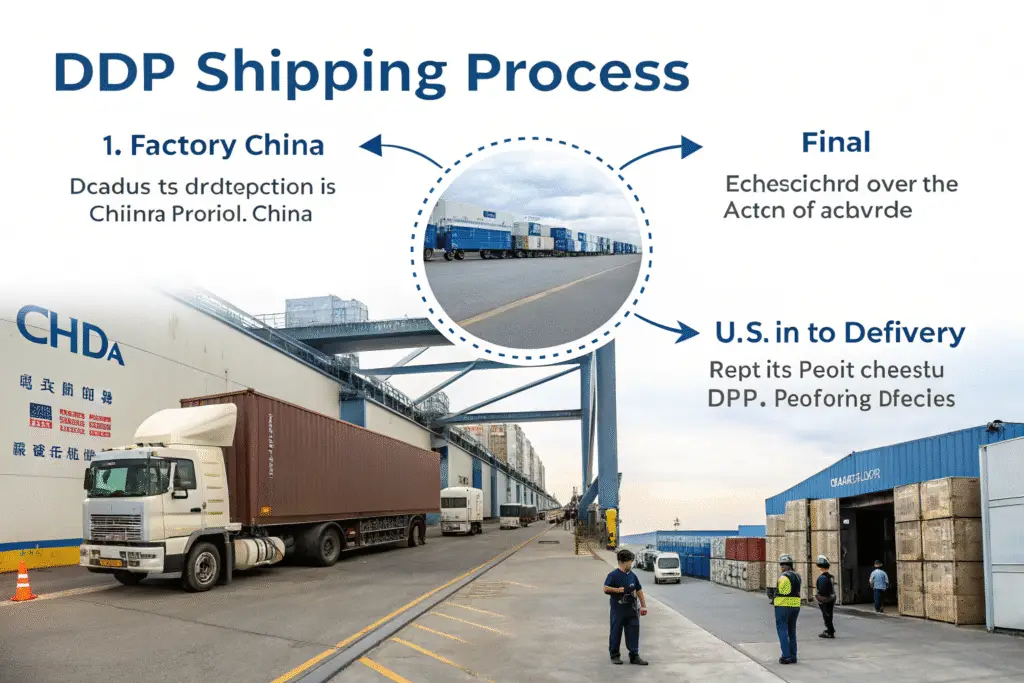
DDP stands for Delivered Duty Paid, a shipping agreement where we, the supplier, take full responsibility for delivering the goods to your door, including payment of import duties, VAT, customs clearance, and inland transport. You only pay one all-in price — and we do the rest.
This means you don't have to worry about import taxes, delays at customs, or coordinating with local freight agents. We provide a final landed cost and you get guaranteed delivery to your designated location, be it a warehouse, 3PL, or distribution center in the USA.
How Does DDP Differ from FOB or EXW?
While FOB (Free on Board) means we deliver the goods to the port and you take it from there, EXW (Ex Works) pushes all responsibility on you — from loading to customs to taxes. These options might seem cheaper upfront, but often come with hidden logistics headaches.
DDP, on the other hand, offers total cost predictability. You don’t need a freight forwarder, don’t worry about surprise charges, and don’t risk shipment delays at customs. It’s an all-inclusive model that makes budgeting and scheduling easier.
Learn more about Incoterms on ICC’s website.
Is DDP Suitable for All Garment Buyers?
DDP is ideal if you're a brand owner or distributor who values speed, reliability, and simplicity. If you're importing small to mid-sized volumes and don’t have a logistics team, this is a smart choice. However, very large buyers with in-house freight specialists might still prefer CIF or FOB for flexibility.
It’s also excellent if you're selling through Amazon FBA, Walmart Marketplace, or direct-to-consumer platforms — because DDP avoids costly delays and storage fees caused by customs holds.
What Are the Advantages of Using DDP Shipping?
Choosing DDP isn’t just about convenience. It's a strategic move that can protect your cash flow, your brand reputation, and your timeline.

Can DDP Reduce Import Delays and Customs Hassles?
Yes — one of DDP’s greatest strengths is eliminating customs friction. You don’t have to file any entry documents or pay duties separately. We handle all declarations, HS codes, and work with trusted customs brokers to get your goods cleared quickly.
Because our export team deals with Chinese CIQ and U.S. CBP daily, we avoid the common errors that trigger inspections or delays. See U.S. CBP’s customs entry requirements for context.
We’ve had clients switch from FOB to DDP after losing entire seasons due to delayed clearance. Once they moved to DDP, their delivery timelines stabilized within 15–18 days.
How Does DDP Improve Financial Planning?
With DDP’s all-inclusive pricing, you know exactly how much your landed cost per unit is — no guesswork, no shocking invoices. This helps with product costing, price setting, and margin forecasting.
For cash flow planning, this is a game changer. No more needing to reserve a separate budget for customs, drayage, or last-mile delivery. Every dollar is accounted for upfront.
For a deeper understanding of landed cost calculations, check out TradeGecko’s calculator tool.
What Are the Potential Risks and How to Avoid Them?
While DDP can simplify life, it’s not foolproof — especially if your supplier is inexperienced or lacks proper export licenses.
What Happens If the Supplier Doesn’t Have Proper Documents?
This is a serious issue. If your supplier claims to offer DDP but lacks export or import licenses (such as MOFCOM registration or U.S. IOR partnerships), your shipment might be seized or returned.
That’s why you must ask for documentation upfront. Reputable suppliers like us provide the full IOR (Importer of Record) documentation, valid export licenses, and U.S. EIN filings when needed.
Avoid working with middlemen or trading companies claiming to offer DDP without a freight network. Always verify if they’ve handled previous DDP shipments to the U.S.
How Can You Ensure Shipment Compliance Under DDP?
Ask for a sample invoice showing DDP terms, including duty/tax line items. Request references from U.S. clients. Also, make sure your supplier has clear incoterms listed on the PI (Proforma Invoice), and that the customs clearance service is professionally managed.
We use trusted freight partners and provide real-time tracking, so buyers know exactly when goods depart, arrive, and clear. We also maintain cargo insurance on all DDP shipments.
You can check resources from Freightos to understand how professional DDP operations look.
When Is DDP the Best Choice for Garment Imports?
DDP isn’t just for beginners. It’s increasingly the preferred method for agile, fast-paced brands that need control and predictability.
Is DDP Ideal for E-commerce and Fast Fashion Brands?
Yes. If you’re operating on tight seasonal timelines or selling fast-moving trends online, you can't afford delays or uncertain costs. DDP lets you focus on sales and marketing, while we handle the backend logistics.
This is especially true for those fulfilling via Amazon FBA, where late shipments can result in penalties. By choosing DDP, your goods arrive with barcode compliance and no hiccups.
Amazon has guidelines on DDP delivery for international sellers, and many now require it for reliable inbound performance.
Should Small and Medium Apparel Brands Use DDP?
Absolutely. If you don't have a full-time logistics manager, DDP saves hours each week that would’ve gone to tracking, filing, and customs chasing. Many of our clients in California and Texas started with FOB, but quickly shifted once they saw the time and stress DDP removes.
With DDP, you’ll never receive a call from a customs broker asking for HTS codes or missing invoices. That’s on us — and it stays that way.
Review this comparison of Incoterms from DHL for broader insights.
Conclusion
DDP shipping is more than just convenience — it’s about peace of mind, accuracy, and strategic efficiency. From total cost control to customs simplification, it supports the exact needs of modern U.S. apparel buyers who demand speed, reliability, and focus.
At Fumao Clothing, we specialize in DDP solutions for American brands, ensuring your garments move from concept to customer without friction. To simplify your next import or explore custom clothing production under DDP terms, reach out to our Business Director Elaine at: elaine@fumaoclothing.com. We’ll handle the logistics, so you can focus on scaling your brand.