Sourcing recycled content is now a priority for brands aiming to meet sustainability goals. Yet trust in recycled claims remains a challenge. Many buyers worry whether materials labeled “recycled” are genuine or simply marketed that way. Issues such as weak documentation, fraudulent certificates, and greenwashing make it hard to prove authenticity.
Blockchain-verified recycled content addresses these concerns by creating a transparent, tamper-proof record of every step in the supply chain. By storing data on an immutable ledger, blockchain allows brands, suppliers, and consumers to trace recycled inputs from collection to final garment.
As a manufacturer, I have seen more U.S. and European buyers ask for verifiable sourcing data. Blockchain is not just a trend—it is quickly becoming a requirement for building trust and securing long-term partnerships.
How Does Blockchain Improve Material Transparency?
One of the weakest points in apparel supply chains has always been transparency. Paper records can be falsified, and audit trails often break down. Blockchain overcomes this by creating a permanent, digital record for each transaction, ensuring traceability across the entire production cycle.
Why Is Immutability Important?
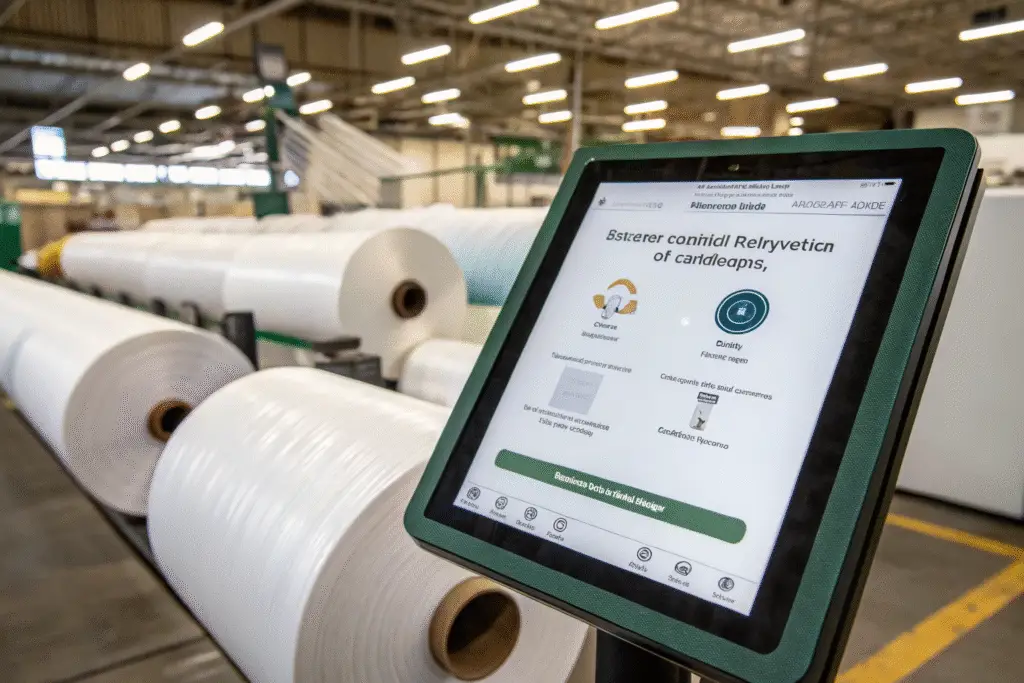
Once information is recorded on the blockchain, it cannot be changed. According to IBM Blockchain, this makes recycled materials traceable from waste collection through yarn spinning to fabric weaving.
How Do Buyers Access This Data?
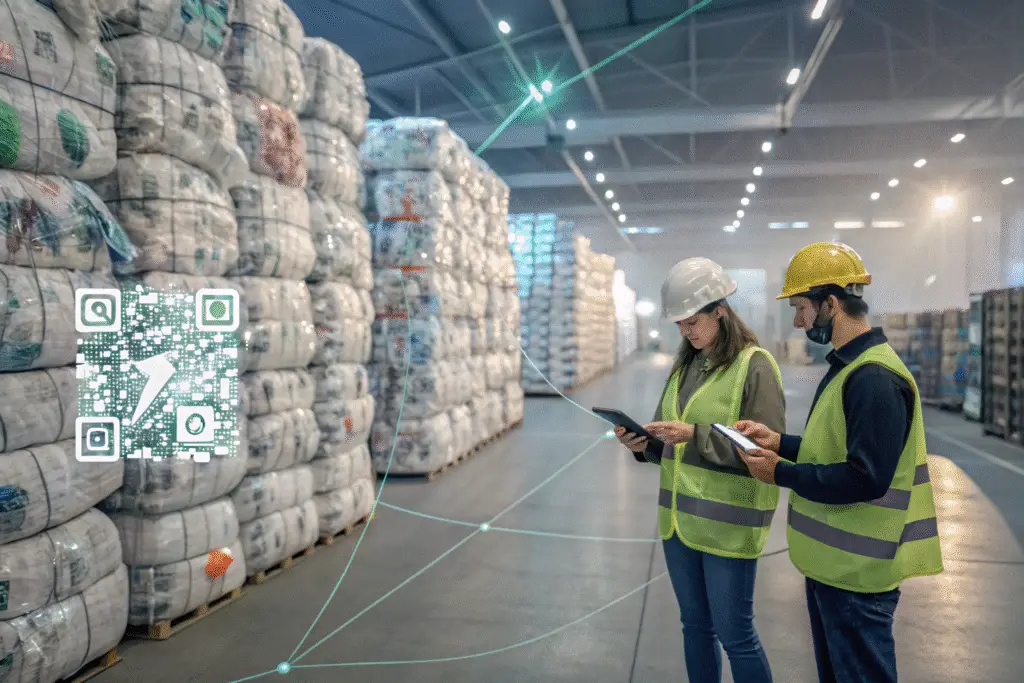
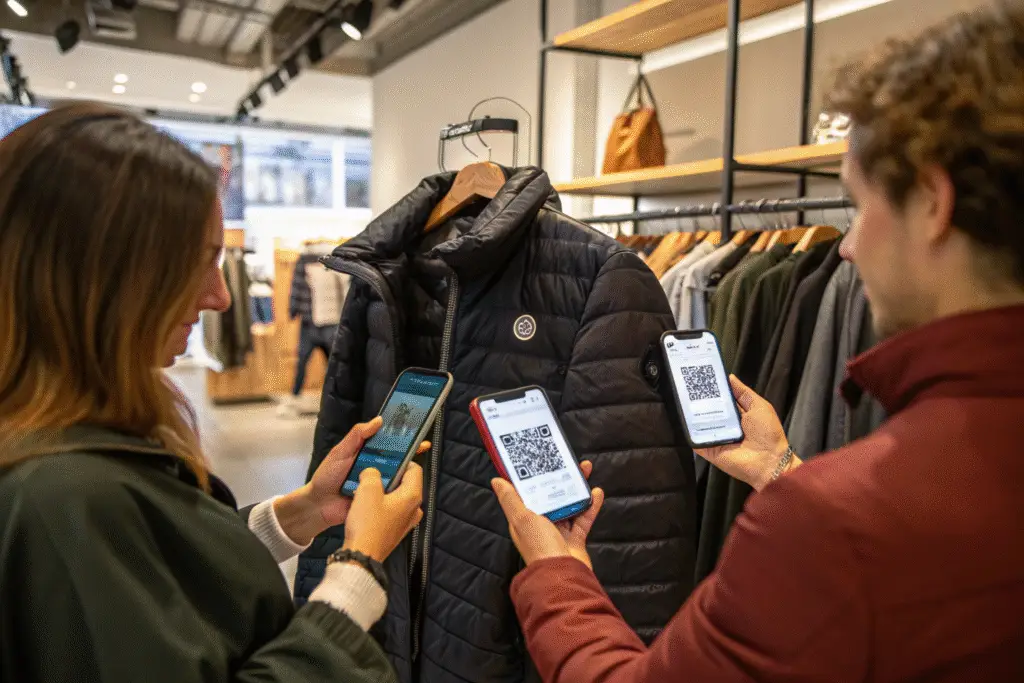
Data is usually linked to QR codes or digital tags. Buyers and consumers can scan the code to view the complete journey of a recycled product. Platforms like Circularise are already using this approach to provide real-time visibility.
What Certifications Work With Blockchain Verification?
Blockchain is most powerful when combined with established certification systems. This ensures both compliance and consumer confidence.

Which Certifications Are Most Relevant?
The Global Recycled Standard (GRS) and Recycled Claim Standard (RCS) are widely recognized in apparel sourcing. When their audit data is entered into blockchain, it creates a reliable digital chain-of-custody.
How Does This Prevent Greenwashing?
Greenwashing often arises when suppliers exaggerate recycled content. With blockchain, certification records are validated and permanently stored, making it extremely difficult for false claims to pass unnoticed.
How Does Blockchain Support Brand Reputation?
Consumers increasingly demand proof of sustainability. Brands that can demonstrate blockchain-backed sourcing gain a clear competitive advantage by showing accountability.
By adopting blockchain verification, companies strengthen consumer trust, comply with stricter regulations, and build credibility in markets that demand transparency.
Why Do Customers Care About Traceability?
According to McKinsey, over 60% of shoppers are willing to pay more for sustainable products. Blockchain traceability provides the evidence consumers expect when choosing eco-friendly apparel.
How Does It Influence B2B Relationships?
Retailers and brand partners increasingly require verified recycled content. Suppliers that use blockchain can present clear, auditable records during sourcing discussions, which often leads to stronger, long-term contracts.
What Are The Business Benefits For Manufacturers?
For manufacturers, blockchain brings benefits beyond compliance. It is also a tool for efficiency and credibility.
Factories using blockchain can automate reporting, improve data accuracy, and position themselves as reliable partners for global buyers.

How Does Blockchain Simplify Operations?
Blockchain-linked systems allow factories to share data instantly with clients, reducing the need for manual reports and paperwork. This makes communication smoother and faster.
Can It Improve Market Access?
Yes. Many U.S. and European buyers prefer suppliers with blockchain-verified traceability. Manufacturers that adopt this system gain better access to premium markets and strengthen their competitive edge.
Conclusion
Blockchain-verified recycled content is reshaping how sustainability claims are validated. By ensuring transparency, supporting certifications, and boosting both consumer and B2B trust, blockchain helps the apparel industry build real accountability. For brands, it delivers proof. For factories, it provides efficiency and market advantage.
At Shanghai Fumao, we are committed to offering certified recycled fabrics and exploring blockchain-backed solutions for traceability. If your brand is looking to source apparel with reliable recycled content, contact our Business Director Elaine at strong>elaine@fumaoclothing.com</strong to begin your sustainable journey.