Skin irritation is one of the most common complaints consumers face when buying new clothes. According to the American Academy of Dermatology, nearly 1 in 4 Americans report some form of skin sensitivity, ranging from redness and rashes to dryness and itching. Everyday garments can trigger flare-ups due to rough fibers, synthetic dyes, or harsh finishing chemicals. For people with eczema, psoriasis, or chronic dryness, even a simple cotton T-shirt can become uncomfortable.
Aloe vera–infused fabric is a textile innovation designed to address this exact problem. By embedding aloe vera microcapsules directly into fibers, garments can provide a continuous release of soothing, moisturizing, and anti-inflammatory compounds. This makes them highly attractive for sensitive-skin applications such as baby clothing, undergarments, activewear, and premium loungewear.
As a factory owner working with U.S. brands, I’ve seen buyers become increasingly interested in aloe-based fabrics because they merge comfort with a compelling wellness benefit. This not only improves the consumer experience but also gives retailers a strong marketing edge in a competitive apparel market.
1. Natural Skin-Soothing Properties
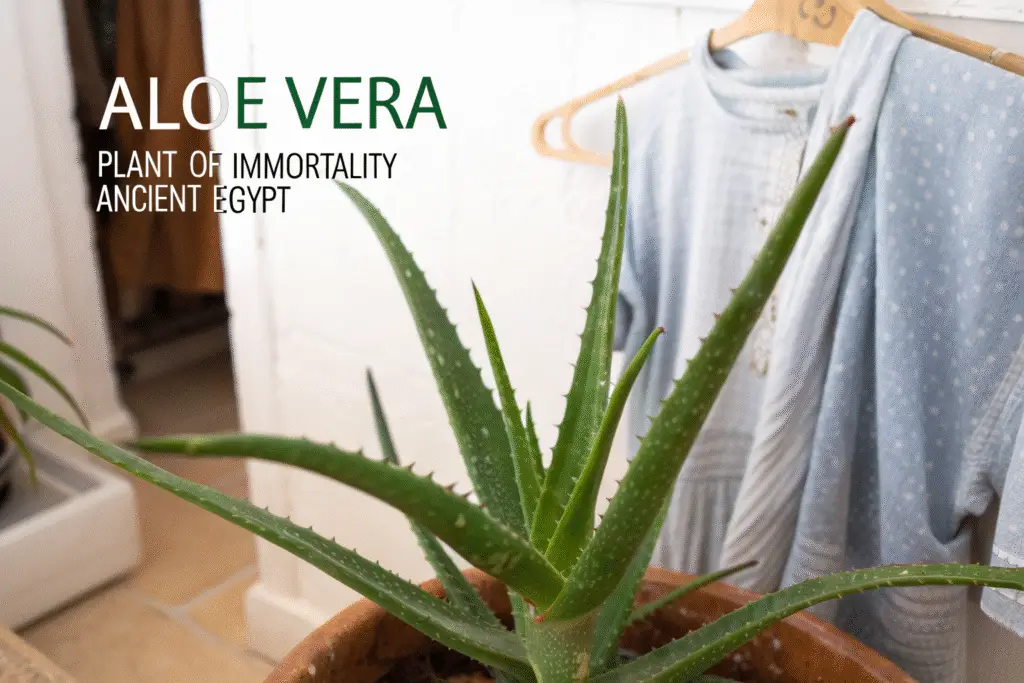
Aloe vera has been used in skincare for over 2,000 years, with records tracing back to ancient Egypt where it was called the “plant of immortality.” When infused into fabrics, its healing and calming effects can be delivered through everyday clothing.
How does aloe vera work in textiles?
The process involves encapsulating aloe vera extracts in microscopic capsules that are bonded to fibers during finishing. When the fabric rubs against the skin, friction causes these capsules to gradually break, releasing aloe’s active ingredients like polysaccharides, glycoproteins, and antioxidants. Research published by NCBI shows these compounds reduce inflammation and support natural skin healing.
For someone with sensitive skin, this means that a shirt or pair of pajamas isn’t just neutral—it can actually help calm irritation during wear. Parents buying baby clothes especially value this feature, since infant skin is five times thinner than adult skin and more prone to irritation.
Where is it most useful?
Aloe-infused fabrics are already being used in bedding, babywear, and intimate apparel across European and Asian markets. For instance, certain luxury bedding brands market aloe-treated sheets as helping people with eczema sleep more comfortably through the night. In babywear, the promise of a natural, soothing touch makes aloe fabrics a trusted choice among new parents.
2. Added Moisture Retention for Dry Skin
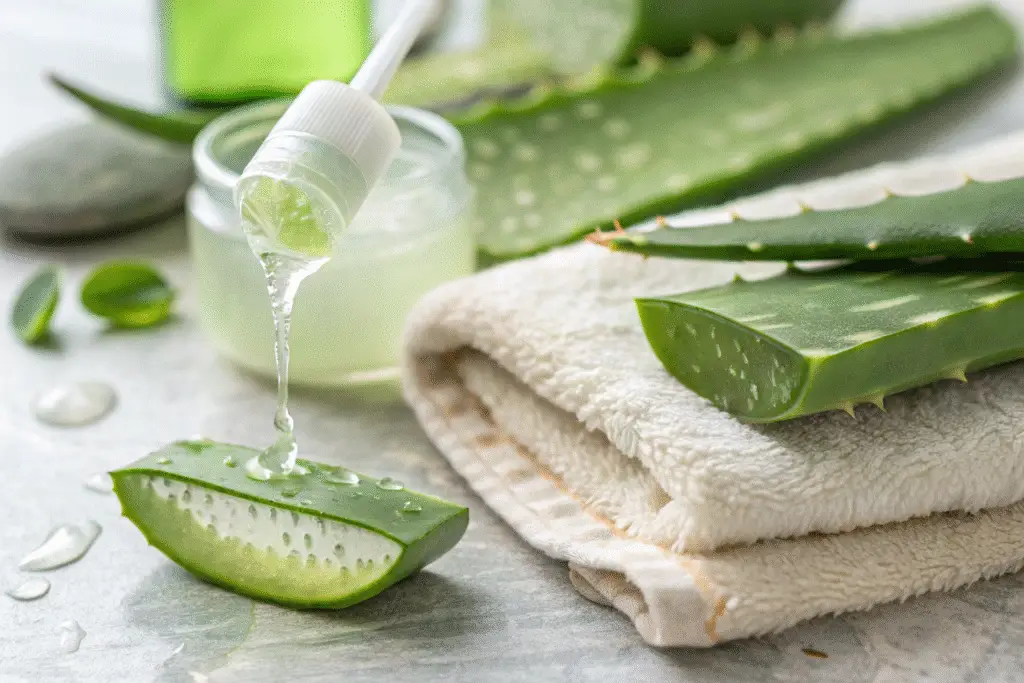
Hydration is one of aloe vera’s most well-documented benefits. In cosmetics, aloe gel is used as a moisturizer because it contains 99% water along with vitamins A, C, and E that nourish the skin. When integrated into textiles, these same properties help maintain skin hydration throughout daily wear.
Why does this matter?
Dry climates, cold winters, or long hours in air-conditioned environments all contribute to skin dehydration. For Americans living in northern states where winters are harsh, cracked or itchy skin is a seasonal problem. Aloe-infused fabrics create a gentle barrier that helps lock in moisture and reduce dryness. According to Medical News Today, aloe increases collagen and elastin content in the skin, supporting hydration and elasticity.
Industry example
Sportswear and athleisure brands are now experimenting with aloe-infused yoga pants, leggings, and tops. The logic is simple: after intense workouts, sweat and friction often cause chafing. Aloe infusion not only wicks moisture but also soothes the skin during recovery. In Germany, one wellness brand launched aloe-infused loungewear marketed as “clothing that hydrates your skin while you rest.” The line sold out within weeks, showing how strong the appeal can be when fashion meets skincare.
3. Anti-Bacterial and Hypoallergenic Benefits
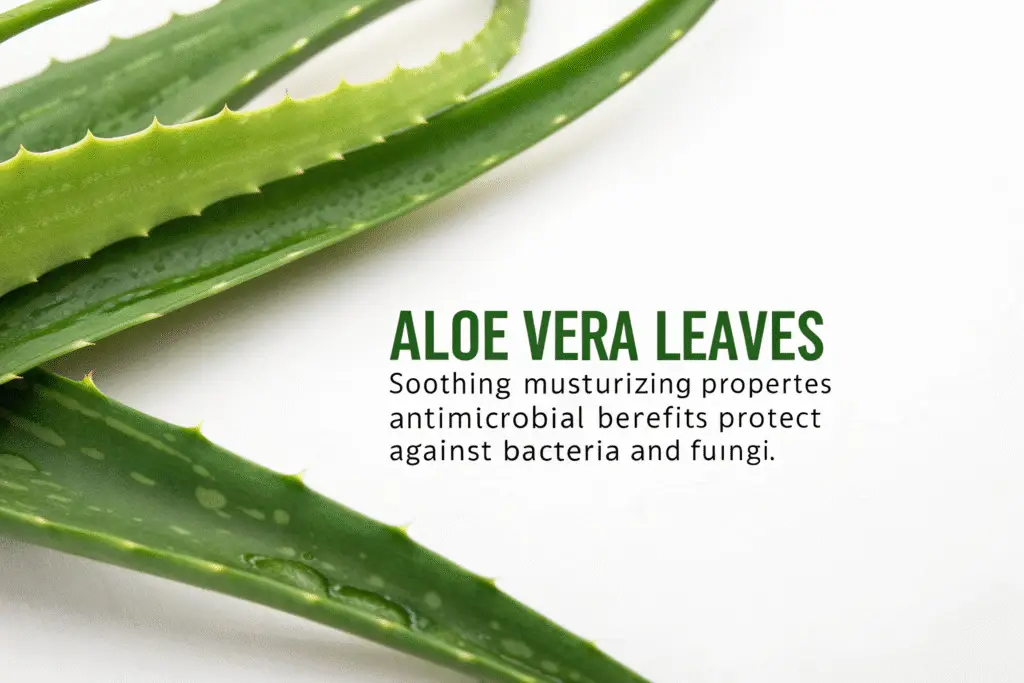
Beyond soothing and moisturizing, aloe vera also has antimicrobial properties, which provide added protection against bacteria and fungi. This is particularly valuable in textiles that are in close contact with the skin for long periods.
How does this help sensitive skin?
Sensitive skin can be aggravated not only by rough fabrics but also by microbes that multiply on damp textiles. Aloe-infused fabrics slow bacterial growth, reducing both unpleasant odors and the chance of irritation. Studies cited by ResearchGate confirm aloe’s antimicrobial effects against Staphylococcus aureus, one of the most common bacteria responsible for skin infections.
Key applications
This benefit makes aloe vera fabrics highly suitable for undergarments, socks, hospital gowns, and bed linens. In Asia, some hospitals have even piloted aloe-treated patient gowns, reporting that patients with sensitive skin experienced fewer rashes after long stays. For U.S. buyers, this opens opportunities in both consumer fashion and the medical textile sector, where demand for hygienic, skin-friendly fabrics is growing.
4. Eco-Friendly and Value-Added Marketing
In today’s market, sustainability is not just a bonus—it is a requirement. Consumers expect brands to offer products that are both functional and environmentally responsible. Aloe vera–infused fabrics fit neatly into this demand.
Why is this eco-friendly?
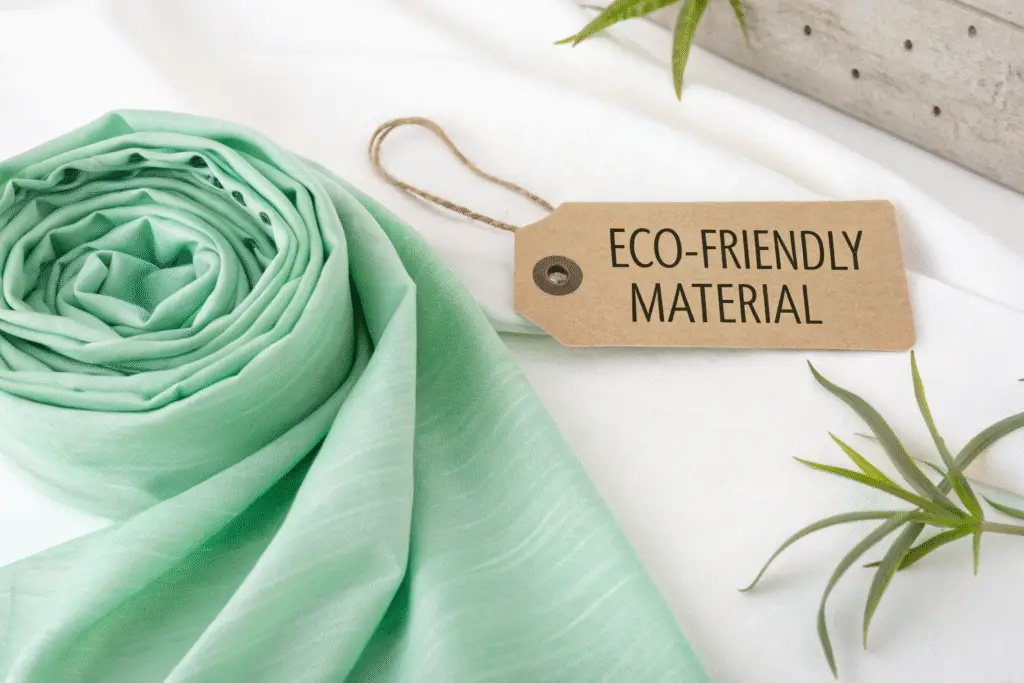
Aloe vera is a fast-growing, renewable plant that thrives in arid conditions with minimal water use. Compared to crops like cotton, which requires thousands of liters of water per kilogram, aloe cultivation is far less resource-intensive. By highlighting the use of aloe finishing, brands can appeal to eco-conscious consumers who want to make greener fashion choices.
Marketing advantage
For U.S. buyers, aloe vera infusion represents a premium storytelling opportunity. Imagine positioning a pajama line as “sleepwear that hydrates and soothes your skin naturally.” This transforms a basic product into a wellness-driven purchase. Premium claims like these allow retailers to set higher margins.
We’ve seen this strategy succeed with Lenzing and their Tencel fabrics, which are marketed for their sustainable wood-based origins. Aloe-infused textiles can follow the same trajectory—combining natural wellness with sustainability to capture niche but growing market segments.
Conclusion
Aloe vera–infused fabrics combine soothing comfort, hydration, antimicrobial protection, and eco-friendly appeal. They are especially relevant for buyers targeting sensitive-skin markets: babywear, undergarments, sleepwear, and athleisure. The dual promise of skincare and sustainability gives aloe fabrics strong potential in the U.S., where health-conscious and eco-conscious consumers are driving apparel trends.
At Shanghai Fumao Clothing, we are committed to helping brand owners integrate these textile innovations into their product lines. With expertise in sourcing, finishing, and full-package manufacturing, we can deliver aloe vera–infused collections that balance comfort, quality, and sustainability.
If you want to explore aloe-based fabrics for your next collection, contact our Business Director Elaine at strong>elaine@fumaoclothing.com. Together, we can create apparel that not only protects the skin but also strengthens your brand’s position in the U.S. market.