For years, swimwear has been dominated by synthetic fabrics like nylon and polyester, which are durable but harmful to the environment. These materials shed microplastics into oceans and rely heavily on petroleum-based production. Consumers today want more sustainable solutions that don’t sacrifice comfort or style.
Algae-based fabrics for swimwear offer a unique balance between performance and sustainability. They are lightweight, stretchable, moisture-resistant, and biodegradable, making them ideal for eco-conscious brands and buyers.
I discovered algae-based fabrics when researching alternatives for clients who wanted to stand out in the eco-fashion market. These textiles combine advanced biotechnology with modern fashion needs, creating swimwear that appeals to environmentally aware customers without compromising on quality.
What Makes Algae-Based Fabrics Sustainable?
Sustainability is no longer optional in fashion—it is a necessity. Algae-based fabrics provide one of the most innovative solutions to reducing fashion’s environmental footprint.
These fabrics are renewable, biodegradable, and made with significantly less water and energy compared to synthetic textiles.

Why are algae fabrics considered eco-friendly?
Algae are fast-growing and require no arable land or freshwater for cultivation. Companies like Algalife have pioneered processes to turn algae into fibers and dyes, reducing reliance on petroleum-based sources. This lowers carbon emissions while ensuring sustainable production.
How do algae fabrics reduce microplastic pollution?
Unlike polyester or nylon, algae-based fabrics break down naturally without releasing microplastics into oceans. According to Fashion for Good, algae textiles represent a major step toward closing the loop in swimwear production, addressing one of the most urgent issues in marine pollution.
Do Algae-Based Fabrics Perform Well In Swimwear?
One concern buyers often raise is whether sustainable fabrics can match the performance of traditional swimwear textiles. The truth is, algae-based fabrics are engineered for both comfort and durability.
Algae-based fabrics provide UV protection, quick-drying ability, stretch recovery, and resistance to saltwater—all key factors for swimwear.
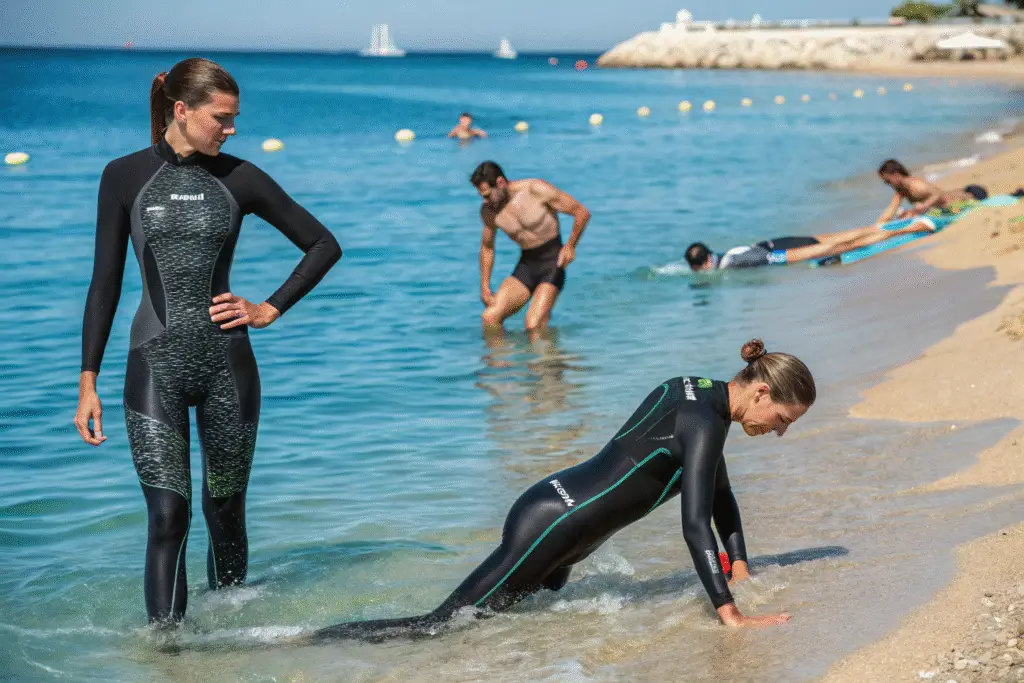
How do algae fabrics compare to nylon and polyester?
Modern algae-based blends can rival nylon in elasticity and resilience. For instance, Vollebak has experimented with algae-based clothing that proves strong enough for active use. When blended with other bio-based fibers, algae textiles create lightweight yet durable fabrics suited for high-performance swimwear.
Are algae fabrics comfortable for long wear?
Yes. Algae fabrics are naturally breathable and skin-friendly. Research from AlgiKnit shows that algae-based yarns reduce skin irritation while maintaining a soft touch. This makes them ideal for swimwear, which requires prolonged contact with skin in water and under the sun.
How Do Algae Fabrics Support Brand Identity?
Modern consumers, especially Gen Z and Millennials, actively seek sustainable brands. Choosing algae fabrics can strengthen a company’s eco-conscious image and increase customer loyalty.
Brands that use algae-based fabrics align themselves with innovation, environmental responsibility, and transparency.
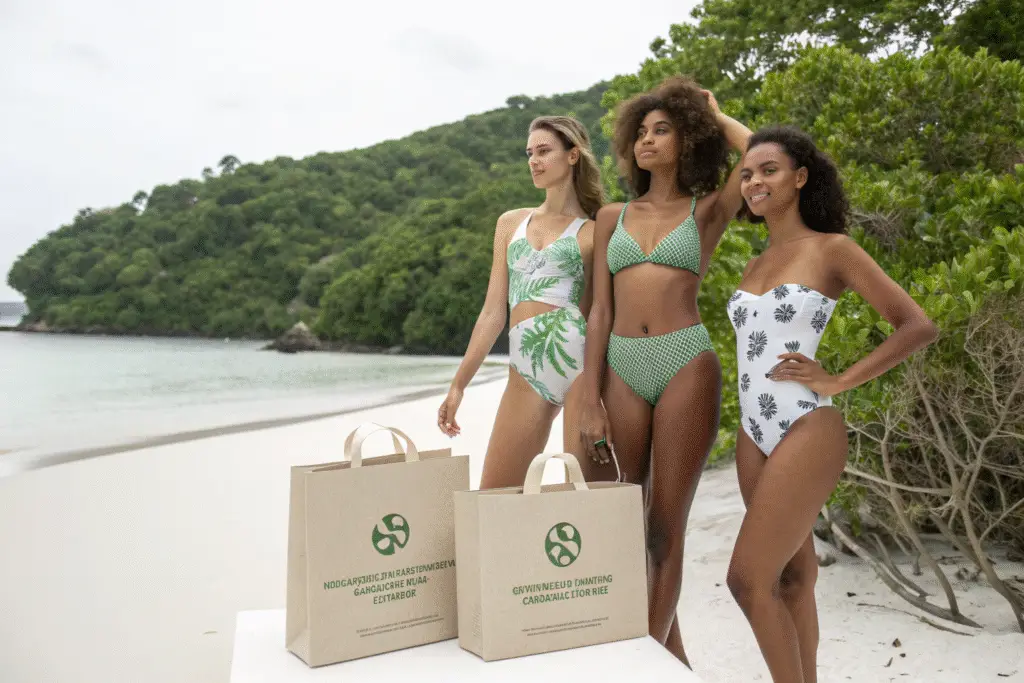
Why do eco-conscious buyers prefer algae fabrics?
According to McKinsey, more than 65% of consumers consider sustainability before purchasing clothing. Eco-friendly swimwear made with algae fabrics positions brands as leaders in ethical fashion, appealing to these buyers.
How does algae-based swimwear enhance storytelling?
Using algae as a raw material gives brands a unique narrative. For instance, Bloom Materials develops algae-based foams and textiles for fashion, creating a compelling brand story around ocean protection and renewable innovation.
What Are The Challenges And Future Of Algae Fabrics?
As with any new technology, algae-based fabrics face challenges. Costs remain higher than synthetic options, and large-scale production is still developing.
Despite current limitations, algae fabrics are expected to become more affordable as demand and production capacity grow.

What challenges limit adoption today?
Scaling up algae cultivation and textile manufacturing is resource-intensive. According to Textile World, algae fabrics are still in the early stages of commercialization, meaning smaller brands may face supply limitations.
What does the future look like?
Experts predict algae-based fabrics will expand beyond swimwear into sportswear and everyday fashion. With growing investment in biotech, companies like Living Ink are already turning algae into sustainable dyes, showing the material’s wide potential.
Conclusion
Algae-based fabrics are transforming swimwear by combining sustainability, performance, and brand storytelling. They reduce pollution, provide high durability, and give companies a powerful marketing edge in the eco-fashion market. While still developing, their future looks bright as innovation continues.
If you want to create eco-friendly swimwear collections with algae fabrics, working with experienced manufacturers like Shanghai Fumao Clothing ensures both quality and innovation. Contact our Business Director Elaine at elaine@fumaoclothing.com to explore sustainable production solutions tailored to your brand.