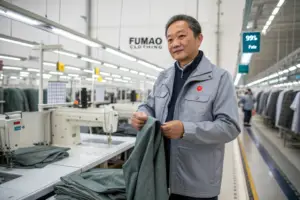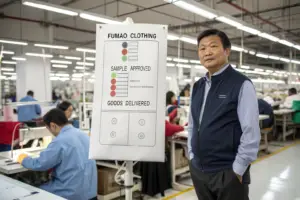
As sustainability moves from trend to expectation, fashion brands are rethinking how clothing lives—and dies. That’s where circular fashion comes in. It’s about keeping products and materials in use for as long as possible, minimizing waste and resource extraction. Capsule collections fit seamlessly into this model. As a manufacturer serving U.S. apparel buyers, I’ve seen how capsules simplify production, extend garment life, and support reverse logistics—all key pillars of circularity.
Capsule wardrobes align with circular fashion because they emphasize longevity, modularity, recyclability, and low-waste production cycles—creating garments built to stay in use and re-enter the loop.
For American buyers like Ron, who care about quality and market performance, capsules offer a way to reduce excess, while tapping into rising consumer demand for eco-responsibility. Let’s explore how this all connects.
How Do Capsule Designs Extend Product Lifespan?
Circular fashion starts with longevity—and capsule wardrobes are built for it.
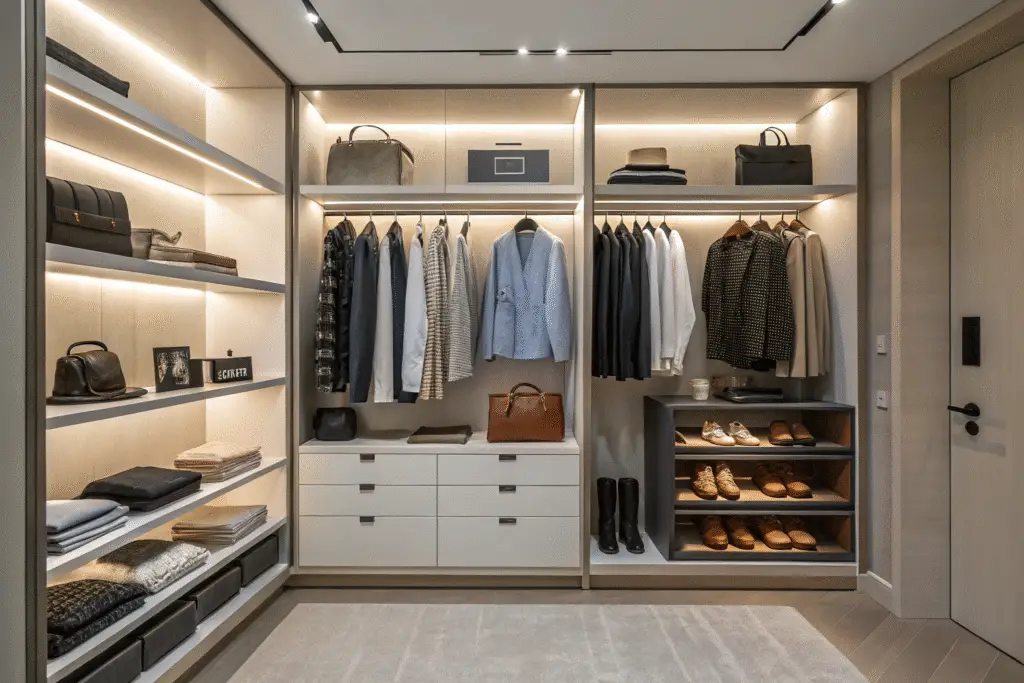
Capsule pieces are designed to last, both in style and structure, making them ideal for circular systems that require garments to remain functional for many years.
Why Does Timeless Design Matter for Circularity?
Seasonless silhouettes, like neutral trousers, classic shirting, or tailored jackets, don't age out quickly. Consumers can wear them across years without fear of appearing outdated.
Brands like ASKET and Tradlands build entire product lines around timeless design. This slows down replacement cycles and aligns with circular economy principles.
How Does Fabric Durability Play a Role?
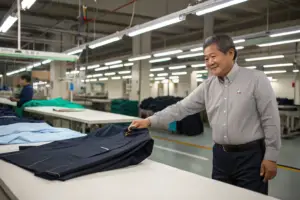
Capsule garments often use high-tensile cotton, tightly woven linens, or blended knits that withstand repeated wear and washing. As a factory, we conduct pilling, abrasion, and colorfastness tests to ensure capsule fabrics meet extended use demands.
When products last longer, the need for new resources drops—and that’s a major win for both brand and environment.
How Do Capsules Support Modular and Recyclable Wardrobes?
Circular fashion encourages products that can be disassembled, reused, or restyled—capsules naturally follow this philosophy.
Capsule collections use modular, adaptable designs and recyclable mono-materials, simplifying reuse and re-entry into the fashion loop.
Can Capsule Pieces Be Easily Reused or Updated?
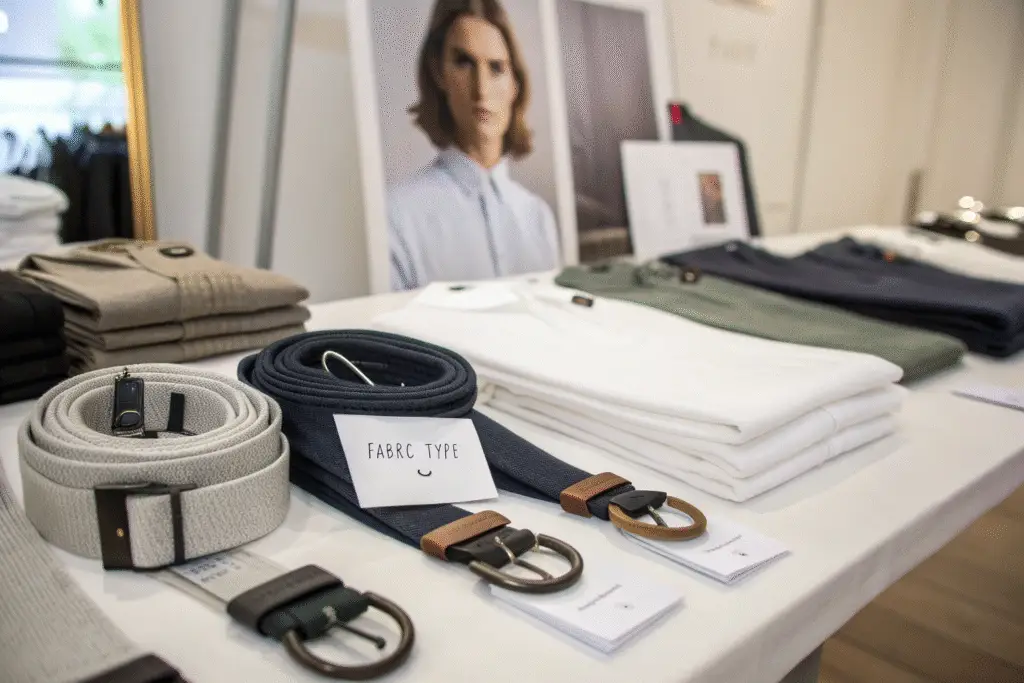
Absolutely. A capsule item like a shirt dress can shift roles: it becomes a tunic over pants, a beach coverup, or a layering piece. Add a detachable collar or belt and it transforms again.
Brands like VETTA Capsule design with these transformations in mind. The goal is to create fewer items with more wardrobe roles, aligning perfectly with reuse models.
How Do Material Choices Improve Recyclability?
Circular systems thrive on mono-materials—like 100% cotton or 100% TENCEL™—which are easier to recycle than blended fabrics. Capsule lines often follow this rule to stay minimalist and sustainable.
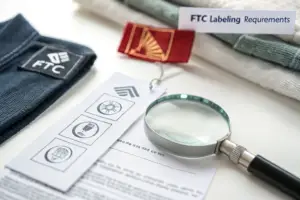
As a supplier, we encourage fabric selection that supports end-of-life sorting. We also help clients label with fiber ID systems to enable easier future recycling.
How Do Capsules Reduce Pre-Consumer and Post-Consumer Waste?
Circularity begins before the consumer even sees the garment—and continues after they’re done with it.
Capsule collections reduce waste across the full cycle, from efficient material usage in production to easier secondhand resale, repair, or recycling after use.
What Production Efficiencies Come with Capsule Lines?
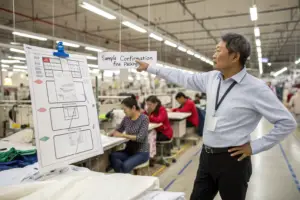
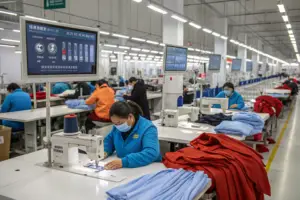
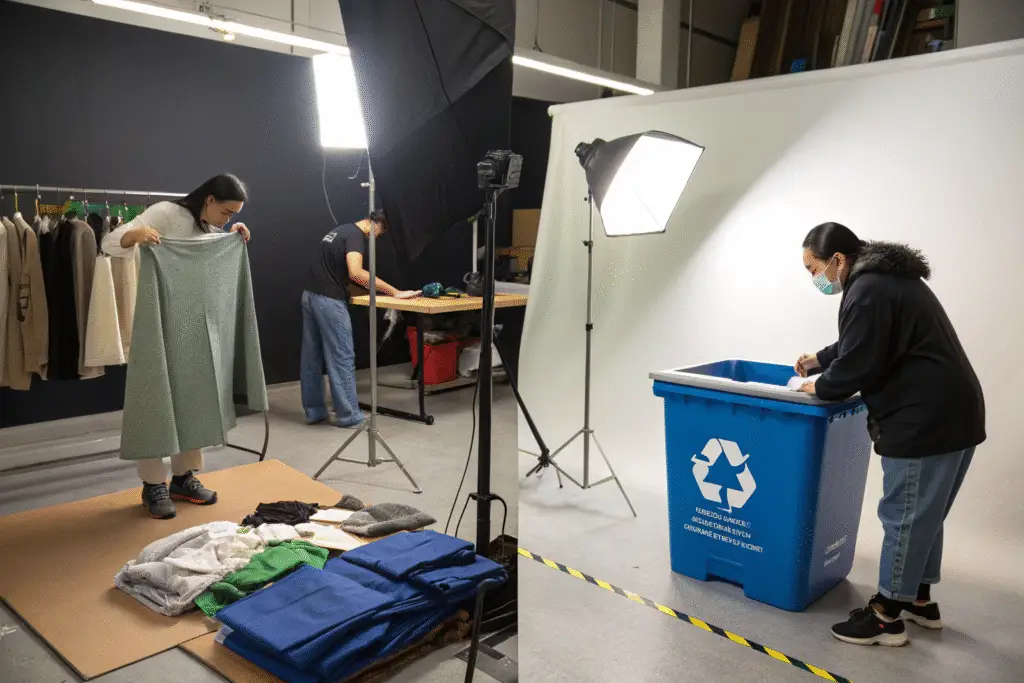
With fewer SKUs and recurring styles, capsule programs use optimized cutting plans and repeat fabric types. We often reuse leftover rolls across styles and seasons, cutting pre-consumer waste.
Brands like Everlane use consistent colors and cuts season to season. That simplifies forecasting, reduces leftover inventory, and aligns with lean production goals.
How Are Capsule Garments Easier to Resell or Recycle?
Because of their neutral colors, standard fits, and seasonless looks, capsule garments resell better on platforms like ThredUp or The RealReal. They are also easier to donate and reuse due to their broad appeal.
We now help clients include care labels that explain resale options or include QR codes for reverse logistics partners. This keeps capsule pieces from becoming landfill.
How Do Capsules Enable Take-Back and Repair Models?
Circular fashion depends on systems that recover products. Capsules support this by being easy to handle, repair, and reprocess.
Capsule garments simplify reverse logistics and repair due to fewer materials, repeated SKUs, and well-constructed designs that justify post-use value.
How Do Fewer SKUs Help with Product Recovery?
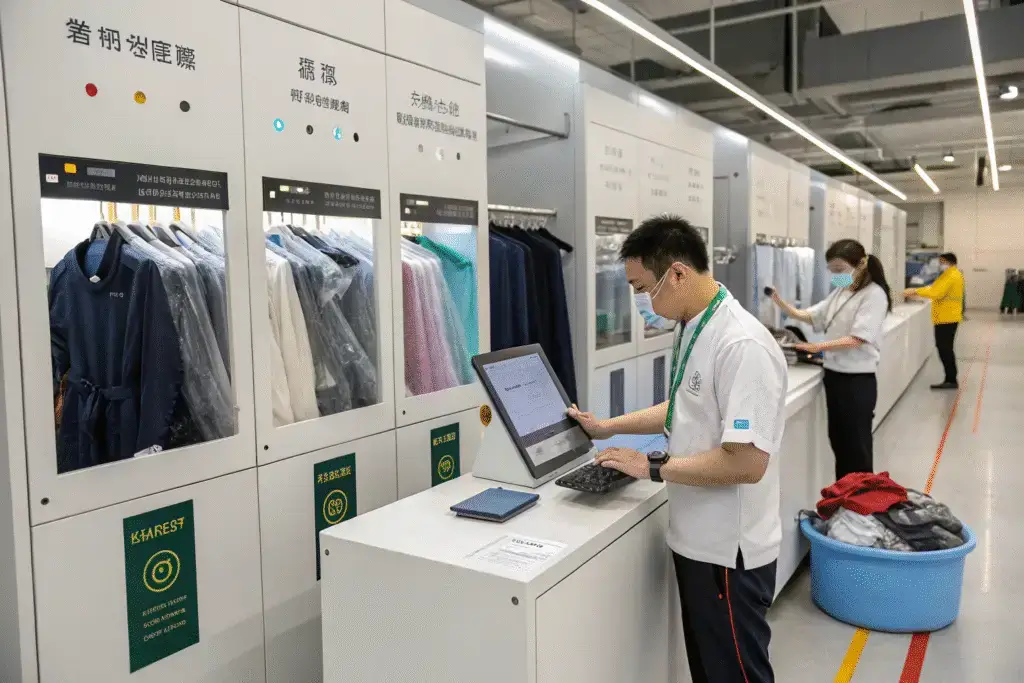
When a brand launches just 25 capsule pieces, it’s easier to track, repair, and take back those exact garments than managing hundreds of seasonal trends. Our clients use item-level barcodes that tie into circular tech platforms.
Capsules mean less complexity at return centers and higher reuse or resale potential because SKUs are predictable and always in demand.
Why Are Capsule Items Easier to Repair?
Capsule garments typically avoid zippers, complicated linings, or mixed materials that complicate repairs. A basic tee with reinforced seams or a button-down with bar-tack stitching can be easily mended.
Our team also supports brands by offering repair kits with extra thread, buttons, and fabric patches. That small addition empowers customers to extend the lifespan—core to any circular model.
Conclusion
Capsule collections don’t just reduce clutter—they support the very foundation of circular fashion. Their longevity, simplicity, recyclability, and waste-minimizing design make them ideal for brands and consumers committed to ethical, sustainable choices. As a Chinese clothing exporter serving U.S. labels, I’ve watched capsules become a strategic tool for those embracing the circular economy. If you're serious about reducing your brand’s footprint while increasing value, capsule logic isn’t optional—it’s essential.