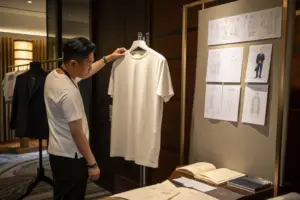
Fast fashion feeds impulse. Capsule wardrobes do the opposite. They invite reflection. As a clothing manufacturer working with U.S. brands, I’ve seen firsthand how capsule collections change consumer behavior—from chasing discounts to seeking value. This shift leads to better purchase decisions, lower returns, and stronger brand trust.
Capsule wardrobes encourage mindful shopping habits by promoting intentional choices, wardrobe planning, quality evaluation, and long-term satisfaction instead of impulsive accumulation.
Buyers like Ron care about smart sourcing and customer retention. Capsules help them deliver both. Let's explore how this approach nurtures more thoughtful shopping at every level.
How Do Capsules Discourage Impulse Buying?
Capsule collections strip out the noise—leaving only purposefully chosen essentials.
By reducing options and prioritizing function, capsules naturally slow down the buying process and minimize emotional, impulsive purchases.

Why Do Fewer Options Lead to Better Decisions?
Choice overload is real. When faced with 100 items, shoppers react. But when they see 20–30 versatile pieces, they pause. They think: "Do I need this?" "Will it work with what I own?"
Retailers like Cuyana and ARKET design their stores and sites to minimize clutter. Clean layouts, capsule bundles, and limited colors make shoppers feel in control—not overwhelmed.
How Do Capsules Shift the Shopping Mindset?
Capsule garments are introduced with context—styling tips, seasonless stories, or travel kits. This changes the goal from “buy something new” to “buy something useful.”
By framing the purchase as an investment, brands encourage deeper consideration. That’s exactly what The Slow Label does—focusing on wardrobe longevity over trend cycles.
How Do Capsules Encourage Goal-Oriented Wardrobe Planning?
Mindful shoppers plan—capsules give them the framework.
Capsule wardrobes promote wardrobe mapping, where each purchase is tied to a function or gap, not a passing desire.
How Does Pre-Planning Reduce Wasteful Buying?
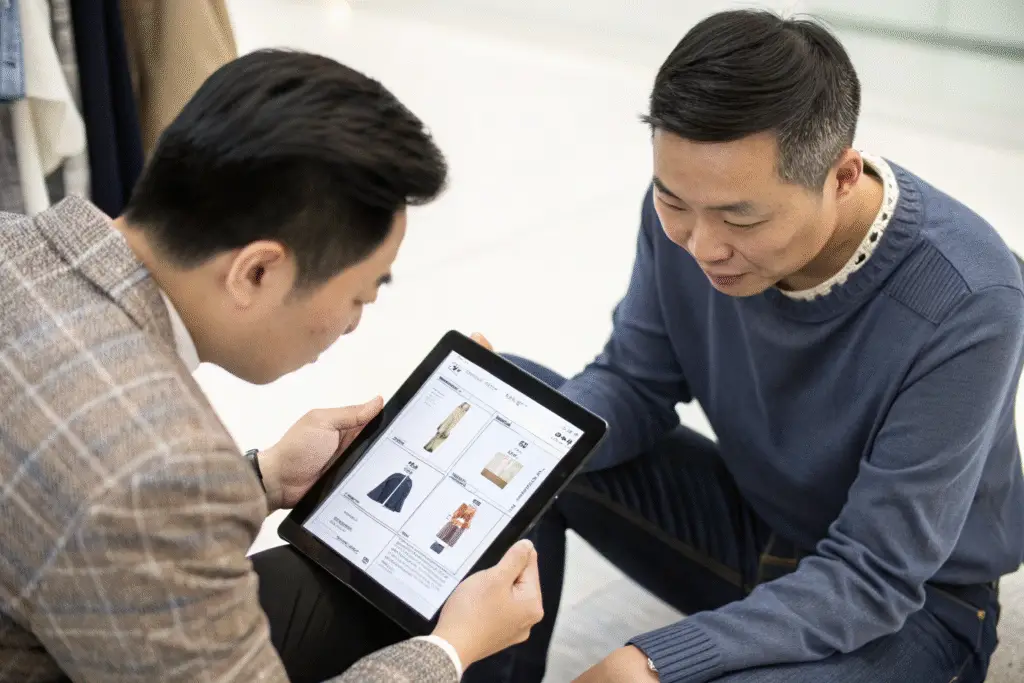
Buyers often build shopping lists after realizing what’s missing—like a layering piece for travel or a neutral blazer for work. Capsules make it easier to identify and fill those gaps because items serve multiple uses.
Tools like Cladwell help consumers build capsule wardrobes digitally before buying. Many of our clients embed similar functions into their brand apps or Shopify sites.
Can Templates Help Buyers Build with Intention?
Yes. We provide downloadable checklists like “10 Core Pieces for Spring” or “Build Your Work Capsule in 5 Steps.” These guide shoppers to assess what they already have and purchase only what complements it.
One client reported that users who downloaded the capsule planner had 35% higher repeat purchase rates—because each buy felt purposeful.
How Do Capsules Teach Consumers to Evaluate Quality?
You don’t need 50 options when one great one will do.
Capsule wardrobes shift attention to quality—because shoppers understand each item must be worn often and styled many ways.
What Shopping Questions Do Capsules Prompt?
Instead of “Is it trendy?”, capsule buyers ask:
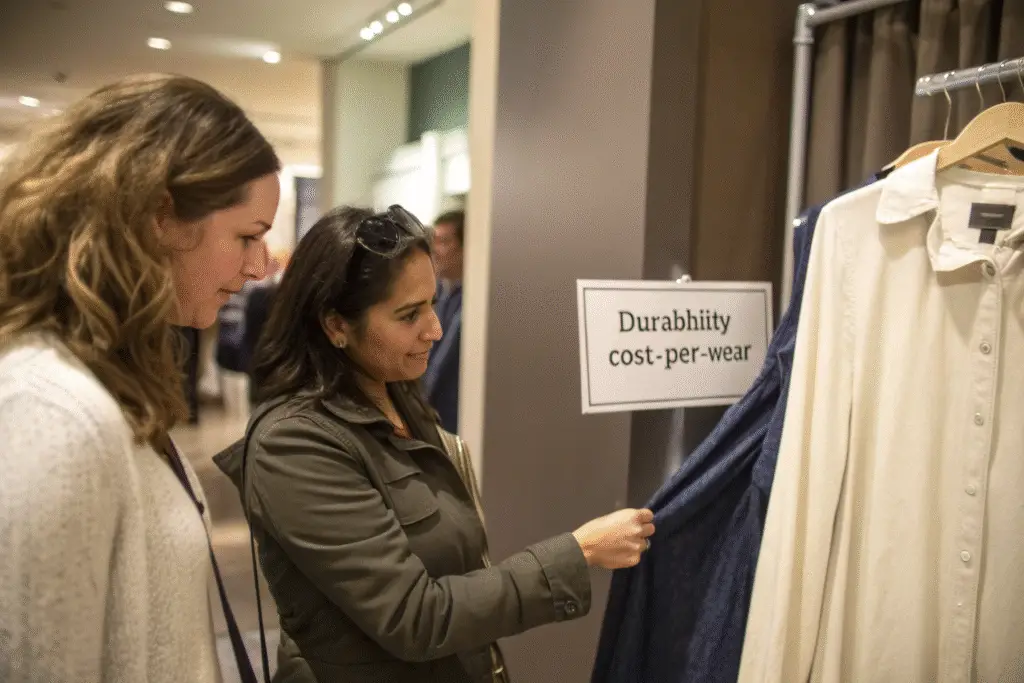
- “Will this hold up after 30 washes?”
- “Is it breathable enough for layering?”
- “Does this match my three favorite pants?”
That shift is powerful. It encourages learning. Our U.S. clients often label garments with estimated lifespan or “wear count” to reinforce the value message.
Why Is Material Transparency Key?
We recommend clients use cards or QR codes showing fabric origin, stitching type, and environmental stats. When buyers see a GOTS-certified cotton tee made with double-needle hems, they pause and evaluate—not just add to cart.
This quality-driven mindset leads to lower return rates and stronger brand loyalty.
How Do Capsules Promote Gratitude and Use Reflection?
Mindful shopping ends in satisfaction, not regret.
Capsule logic helps consumers connect with their clothing emotionally, appreciate its value, and reduce the urge to constantly chase newness.

Can Repeat Use Build Emotional Value?
Yes. The more often we wear something, the more memories it holds. A trench worn to multiple interviews becomes more than fabric—it becomes part of identity. Capsule wardrobes nurture this bond by encouraging frequent, deliberate wear.
Brands like ASKET even invite users to share “garment stories” about their most worn pieces. That emotional layer strengthens mindful buying behavior.
How Can Brands Reinforce Reflection?
We support clients with post-purchase emails asking: “How many times have you worn your new piece?” or “What’s your favorite way to style it?” This prompts buyers to recognize the value already received, not what they lack.
Even Instagram campaigns like #30Wears or #CapsuleClosetChallenge help users feel proud of repeat use—a major driver of intentional habits.
Conclusion
Capsule wardrobes do more than organize closets—they rewire shopping behavior. By narrowing choices, demanding quality, and inspiring planning, they help consumers shop with purpose and confidence. As a Chinese apparel supplier working with U.S. brands, I’ve seen this model lower returns, improve satisfaction, and build stronger customer bonds. If your business values long-term buyers over one-time sales, capsule thinking is the mindset you want to promote.