Low-inventory models are no longer just for budget-constrained startups—they’re a strategic choice for agile, sustainable brands. Capsule collections naturally support this approach by focusing on fewer SKUs, intentional design, and just-in-time restocking.
Capsule collections fit low-inventory models because they minimize stock volume, streamline fulfillment, and reduce cash tied up in unsold goods.
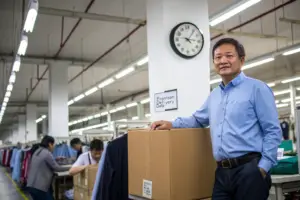
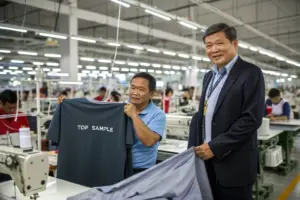
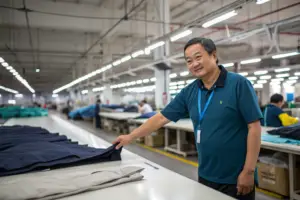
As a Chinese apparel manufacturer, I’ve partnered with many capsule-driven brands, and almost all run on lean inventory principles. Here’s why the two go hand-in-hand.
Why Are Capsules Perfect for Lean Stock Systems?
Unlike traditional seasonal lines, capsules emphasize versatility and small-batch thinking. With fewer pieces designed to mix and match, brands don’t need to hold excess stock across dozens of styles.
Capsule strategies reduce inventory volume by simplifying the assortment and improving item sell-through.

How Does SKU Reduction Support Low Inventory?
Instead of 20 styles in 10 colors, a capsule might offer 5 core items in 2-3 neutral tones. This shrinks the total number of units required and allows brands to replenish only what sells fastest.
Retailers like Naadam and Sezane use this model to maintain high rotation rates with low holding costs.
What’s the Manufacturer’s Role?
We produce in smaller lots with shared fabrics and trims, allowing the client to hold 20–30% less warehouse stock. When reorders are needed, our modular batch setup supports fast turnarounds in 2–3 weeks.
How Do Capsules Align With Just-in-Time (JIT) Fulfillment?
JIT fulfillment minimizes inventory on-hand and produces or restocks only as orders arrive. Capsule drops, by nature, are built for this.
Capsule models enable efficient JIT fulfillment because fewer SKUs mean easier reordering, faster replenishment, and less excess.
Why Are Capsules Easier to Restock Quickly?
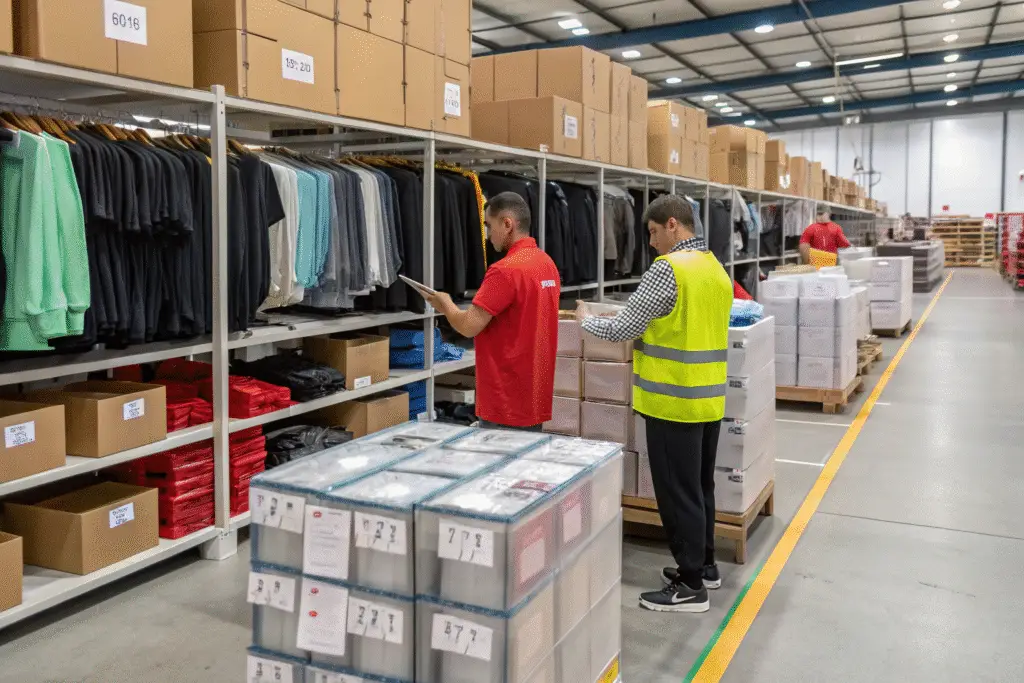
With fewer styles, factories can prioritize repeat production. We keep fabric in greige (uncolored) or reserve trims, so clients can reorder a best-seller capsule tee in 7–10 days with no full sampling needed.
Platforms like Katana MRP or Cin7 help DTC capsule brands manage reorders dynamically—triggered by threshold alerts or sell-through speed.
How Does This Support Leaner Logistics?
We build fulfillment schedules based on capsule launches. Instead of weekly mixed-item restocks, we deliver in bundles of 5–7 SKUs with confirmed demand. This allows clients to bypass long-term storage.
How Does Capsule Logic Reduce Inventory Costs?
Low-inventory models are popular because inventory is expensive—physically, financially, and operationally. Capsules naturally reduce this burden.
Capsule collections lower inventory costs by reducing warehousing needs, minimizing unsold goods, and optimizing cash flow.

What Savings Are Realized Through Capsules?
We’ve seen capsule brands cut inventory holding costs by 40–60% versus traditional lines. Storage, insurance, and dead stock markdowns all shrink. Cash turns faster—especially when paired with pre-order models or phased launches.
For example, a brand producing 8 capsule drops a year holds only 20–25% of a traditional seasonal inventory load at any one time.
Are There Financing Benefits?
Yes. Less cash locked in stock means more liquidity. Brands can reinvest in marketing, R&D, or new product development. And because capsules often sell out, they create urgency that fuels full-price sales—further improving margin.
What Tools Help Manage Capsule Inventory?
Managing small-batch capsules requires tight inventory control. Brands must know what’s selling, what to restock, and when to shift focus.
Inventory planning platforms like Cogsy, Inventory Planner, and Anvyl make capsule inventory responsive and predictable.

How Do These Tools Work?
They use real-time sales data to project reorder needs and flag slow movers. You can tie production timelines to sell-through velocity. If a capsule skirt sells out in 6 days, the platform recommends a reorder batch before your next drop.
We support this with integrated production calendars and shared dashboards that show fabric stock, dye house slot availability, and cutter schedules—keeping everything synced.
How Does This Support International Brands?
For our European and North American clients, accurate inventory is essential to avoid import duties on unused goods or seasonal obsolescence. Capsules limit this risk by keeping production lean and timelines tight.
Conclusion
Capsule collections and low-inventory models share the same DNA: focus, efficiency, and demand-driven growth. When brands commit to fewer SKUs and tighter stock, they unlock faster cash flow, lower costs, and higher sell-through.
As a factory partner, I see capsule clients succeed not by selling more—but by selling smarter. If your brand is looking to lower inventory risk while maintaining premium positioning, capsule may be your most powerful tool.