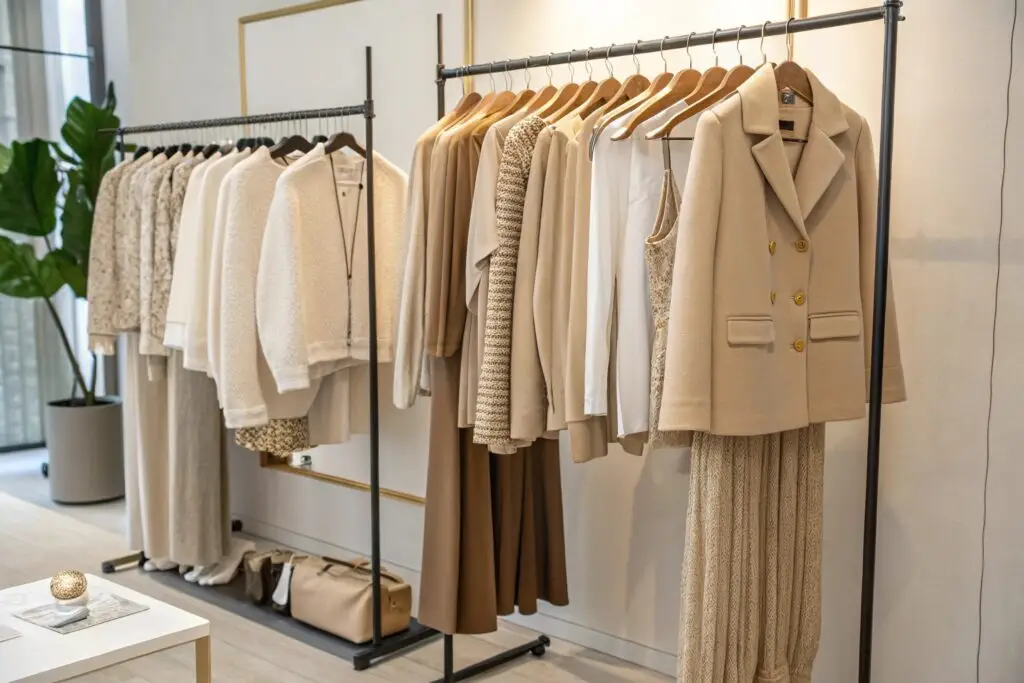
Too much choice overwhelms renters. Capsule collections simplify decisions and boost repeat use without overstock.
Capsule collections work well in rentals because they offer a curated, mix-and-match set of versatile garments that reduce inventory complexity, increase garment turnover, and enhance user satisfaction.
At Fumao, we’ve helped rental brands build capsule-based models that increase usage rates and simplify stock handling—while keeping end-users happy with timeless styles.
What are the benefits of a capsule wardrobe?
In rentals, less is often more. The capsule model delivers efficiency, value, and flexibility—all with fewer SKUs.
Capsule wardrobes maximize outfit options from a minimal number of garments, lowering inventory needs and improving user satisfaction with smart design.
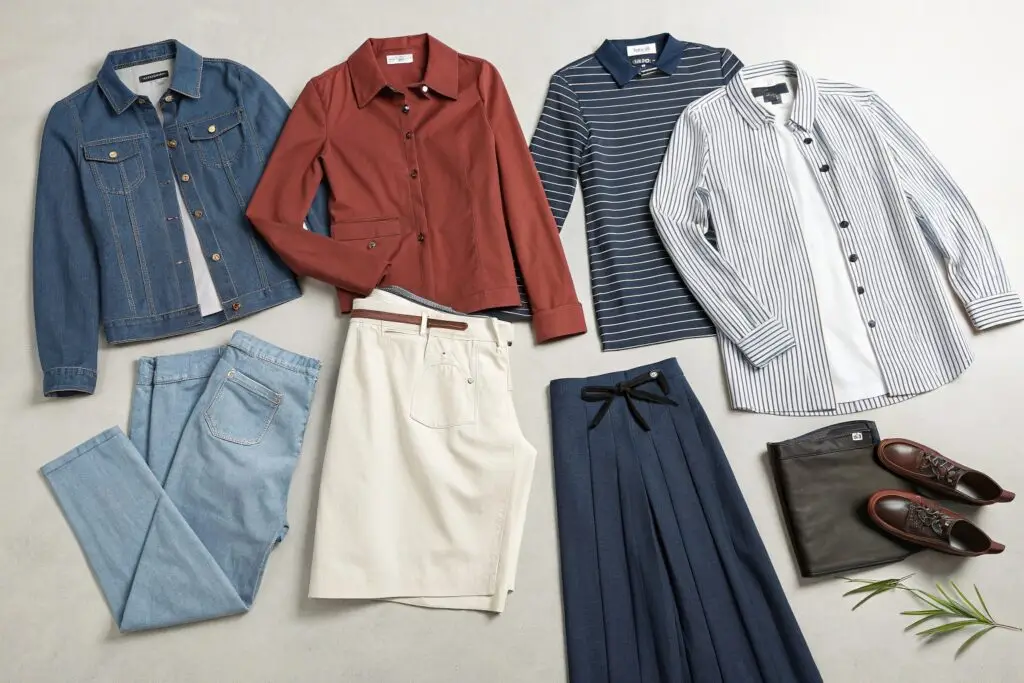
Why does the capsule approach reduce inventory waste and raise garment usage in rentals?
A capsule wardrobe1 is built for rotation. One jacket fits five looks. One pant style matches every top. This maximizes use per unit while reducing the number of units.
We helped a hospitality rental client who had 50+ uniform combinations. Their warehouse overflowed, but 40% of items weren’t used. After we introduced a 12-piece capsule:
- Garments were interchangeable
- Sizes were consolidated
- Returns dropped by 25%
- Orders became faster and more accurate
The core idea: less confusion, more utility.
What makes capsule collections ideal for high-turnover environments?
- Timeless styles reduce fashion risk
- Neutral color palettes fit many occasions
- Modular design simplifies outfit creation
- Lower replacement needs due to longer use cycles
Capsules aren’t just for fashion—they’re for function. That’s why we now design full sets as units, not isolated SKUs.
What is the capsule wardrobe theory?
Behind every capsule strategy is a simple idea: control leads to confidence.
The capsule wardrobe theory is the concept of using a limited, curated group of clothing pieces that coordinate well together, offering maximum versatility with minimum items.
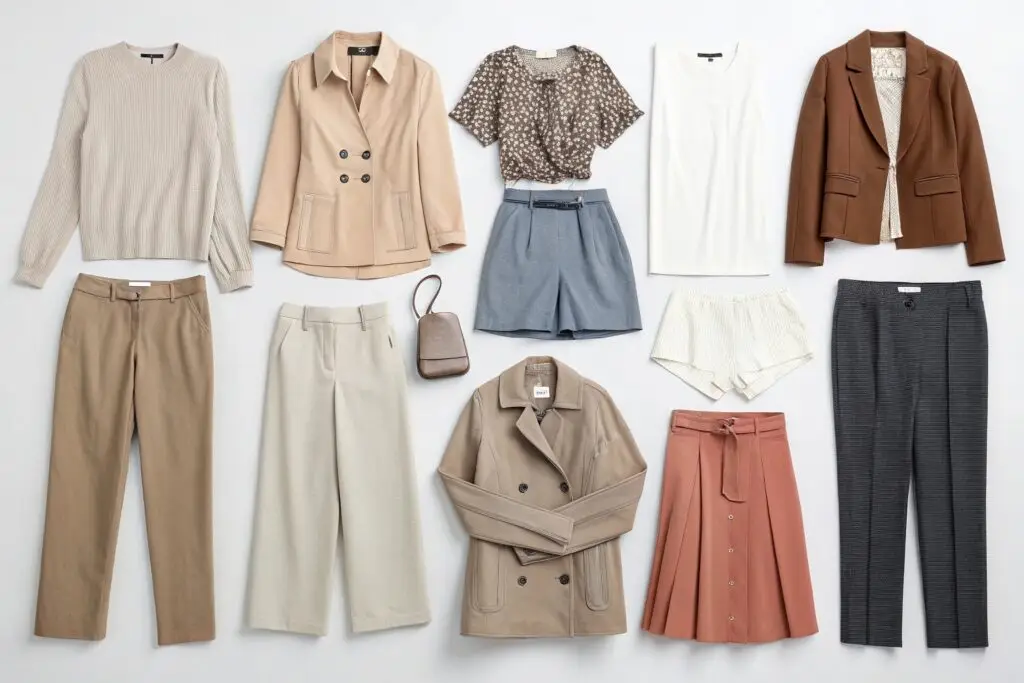
Where did the capsule concept2 come from, and why does it thrive in rental today?
The idea dates back to 1970s London boutiques, but it’s exploded recently as consumers reject clutter and embrace intentional design. For rentals, it’s even more useful:
- Reduces user decision fatigue
- Fits minimalist lifestyles3
- Lowers replacement orders
At Fumao, we often help rental buyers create capsules for specific verticals:
| Industry | Capsule Size | Example Items |
|---|---|---|
| Hospitality | 8–10 pcs | Shirt, vest, pants, apron, blazer |
| Retail Staff | 6–8 pcs | Tunic, leggings, jacket, belt |
| Healthcare | 5–7 pcs | Scrubs, jacket, headwear, pants |
Capsule theory isn’t about limiting—it’s about elevating.
How can rental brands apply this theory when designing collections?
- Focus on 3–4 base colors (black, navy, gray, white)
- Choose wrinkle-free, fade-resistant fabrics
- Offer one core silhouette per category (e.g., straight-leg pants only)
- Design pieces to be layered and matched interchangeably
Capsule success = design synergy4 + inventory discipline.
What is the concept of capsule collection?
A capsule collection isn’t just a fashion gimmick—it’s a business model that simplifies sourcing, inventory, and styling.
A capsule collection is a carefully curated group of coordinated garments designed to work together, reduce redundancy, and suit multiple settings or occasions.
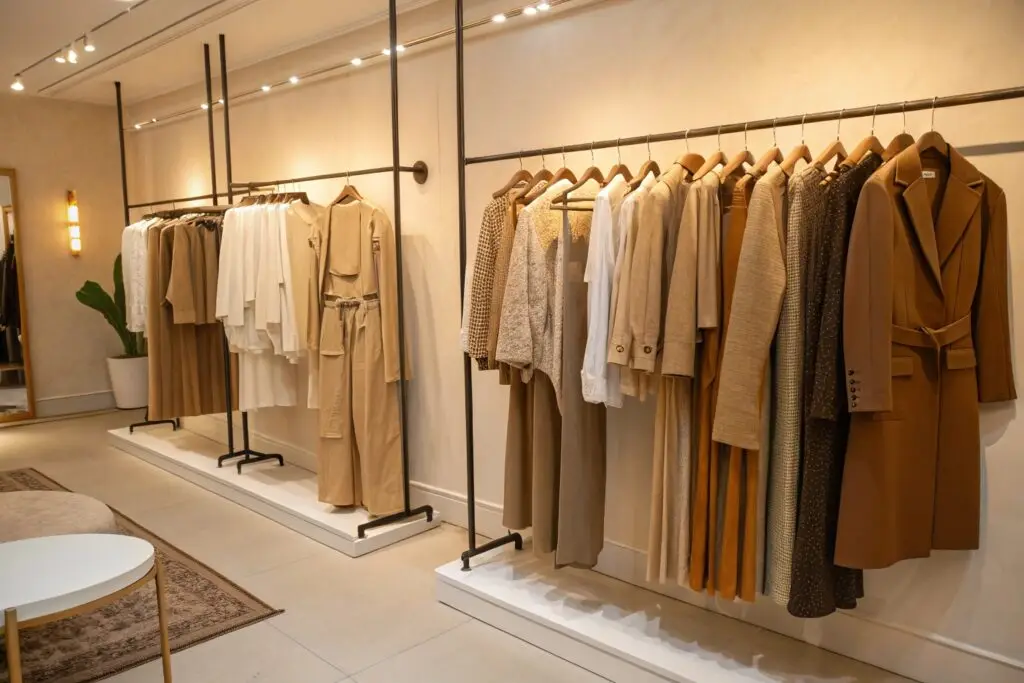
What makes capsule collections5 different from standard full-line assortments?
Traditional collections aim for breadth—capsules focus on depth. Instead of 20 tops and 15 bottoms, a capsule might include:
- 4 tops
- 3 bottoms
- 2 layers
- 1 accessory set
These are chosen to pair in 15+ ways. In rentals, this means:
- Easier sizing
- Lower inventory storage
- Better outfit satisfaction
A European uniform rental company we worked with adopted capsule kits for hotel staff. They offered two base looks plus an optional seasonal layer. Clients loved the clarity—and usage rates rose 40%.
What design principles6 make capsule collections more effective in rental models7?
- Color Harmony: Stick to neutrals with 1–2 accent tones
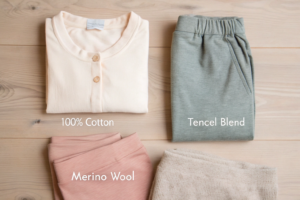
- Fabric Consistency: Use the same or compatible textiles
- Modular Fit: Ensure every piece fits with the others
- Seasonal Flexibility: Offer layers, not total swaps
We also recommend tagging garments with capsule codes (e.g., “HTL-22-WIN”) to help track set integrity during returns.
What are the downsides of a capsule wardrobe?
Capsules aren’t a fix-all. They must be planned carefully—or they backfire.
Downsides include limited choice for diverse users, seasonal mismatch, potential uniformity fatigue, and sizing gaps if not designed inclusively.

What risks do rental businesses face when over-relying on capsule formats8?
We’ve seen:
- Complaints about “everyone looking the same”
- Fit issues if sizes are too standardized
- Style fatigue after repeated use
One restaurant group ran a black-and-white capsule for all locations. After six months, staff said they felt “invisible.” We added optional color accents (scarves, pins, aprons) to refresh the look without breaking the capsule logic.
How can rental buyers solve capsule wardrobe challenges while keeping efficiency?
- Rotate capsule sets every 6–12 months
- Introduce “add-on modules” (e.g., summer vests, seasonal hats)
- Allow limited personalization (name embroidery, color ID tags)
- Collect user feedback9 quarterly to spot fatigue early
Capsules need curation—but also flexibility. That’s how you keep them fresh.
Conclusion
Capsule collections simplify everything—stock, style, and satisfaction. At Fumao, we build rental-ready capsules that wear well, match well, and keep clients coming back.
-
Explore this link to understand how a capsule wardrobe can optimize your inventory and enhance garment usage in rentals. ↩
-
Exploring the origins of the capsule concept can provide insights into its evolution and relevance in today's minimalist trends. ↩
-
Understanding the impact of minimalist lifestyles on fashion can help brands align their offerings with consumer values. ↩
-
Learning about design synergy can enhance your understanding of effective collection strategies in the fashion industry. ↩
-
Explore this link to understand the unique features and benefits of capsule collections compared to traditional assortments. ↩
-
Learn about the key design principles that contribute to the success of capsule collections in various markets. ↩
-
Discover how rental models can enhance customer satisfaction and efficiency through capsule collections. ↩
-
Understanding the risks of capsule formats can help rental businesses innovate and avoid pitfalls. Explore this resource for insights. ↩
-
User feedback is vital for improving services and products. Learn how it can enhance customer satisfaction and retention. ↩