You've likely experienced this. You find a potential garment manufacturer online. You send a brief message asking for a price. You expect a quick number. Instead, you get a slow reply asking for more details. This is a common frustration for many US brand owners sourcing from overseas. The expectation of an instant, one-click quote often clashes with the complex reality of apparel production. This delay can feel inefficient, especially when you are trying to move fast and make quick decisions for your business.
The truth is, a reliable and accurate garment production quote cannot be generated instantly because it is a complex calculation based on a multitude of unique variables specific to your order. An instant price, often seen on some B2C platforms, is usually a rough estimate at best. For a precise quote that reflects true cost and avoids surprise charges later, manufacturers need detailed information. Think of it like building a custom house; a builder can't give you a final price without blueprints, material selections, and a detailed scope of work. The same principle applies to custom clothing manufacturing.
Understanding why the quoting process takes time can help you prepare better and ultimately form a more successful partnership with your supplier. Let's break down the key factors that prevent an instant quote and how you can streamline the process.
What Information is Needed for a Garment Quote?
You want a price for 5,000 t-shirts. You send an email with just that question. The factory responds with a dozen questions. This back-and-forth is not a stall tactic. It is the essential first step in accurate costing. Providing comprehensive information upfront is the key to getting a fast and precise quote.
A precise garment manufacturing quote requires a detailed breakdown of your product's specifications, quantities, and logistics requirements. The more clarity you provide from the start, the less time the manufacturer spends on assumptions and follow-up questions. This directly translates to a faster and more reliable quotation for you. A complete picture allows us to identify potential production challenges early and factor them into the initial cost.
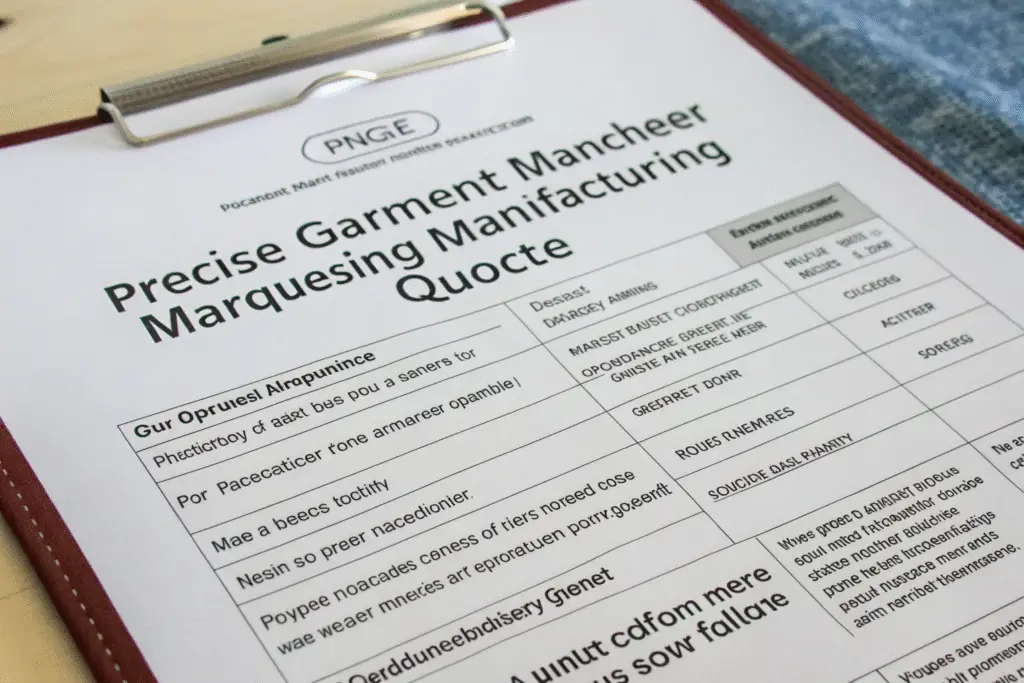
What are the key components of a cost breakdown?
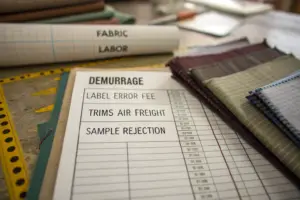
A professional quote is more than a single price per piece. It should be a transparent breakdown. This allows you to see where your money is going and make informed decisions. The main components almost always include:
- Fabric Cost: This is often the largest cost driver. The type, composition, weight, and source of the fabric all affect the price.
- Trims and Accessories: Items like zippers, buttons, labels, and threads add up. Their quality and complexity matter.
- Labor and Manufacturing: This covers the cutting, sewing, and finishing of your garment. Complex designs with more pieces take longer to produce.
- Logistics and Shipping: How will the goods get to you? This includes DDP service which we provide, handling all customs and delivery to your door.
Last year, a startup brand approached us for custom polo shirts. They initially complained about our detailed questionnaire. However, after they provided a full tech pack, we identified that their chosen fabric was unsuitable for the desired embroidery, saving them from a costly production error before any money was spent.
How does your order quantity impact the price?
The relationship between quantity and price is not always linear, but it is significant. Understanding economies of scale is crucial here. Here is a simple breakdown:
| Order Quantity | Price Per Piece | Key Reasons |
|---|---|---|
| Low (e.g., 500 pcs) | Higher | Fabric is cut in smaller, less efficient spreads. Machine setup time is amortized over fewer units. |
| Medium (e.g., 5,000 pcs) | Moderate | Better efficiency in cutting and sewing. More competitive fabric pricing from mills. |
| High (e.g., 20,000 pcs) | Lower | Maximum production line efficiency. Fabric and trim costs are at their most competitive. |
For instance, producing 1,000 units of a complex jacket might cost $35 per piece, while producing 5,000 units could bring the cost down to $28 per piece. This is why being clear about your quantity expectations is vital for an accurate quote.
How Do Fabric and Trims Affect Cost?
You have a design in mind. You might even have a sample. But the cost of turning that idea into a physical product hinges heavily on your material choices. The difference between a standard cotton jersey and an organic, pima cotton blend with special dyeing can be substantial.
The selection of raw materials is the most significant variable in determining the final cost of your apparel. Fabric typically accounts for 50-60% of the total cost of a basic garment. Trims, while a smaller percentage, can also vary widely in price based on quality and customization. A manufacturer cannot quote accurately without knowing exactly what you plan to build the garment from.
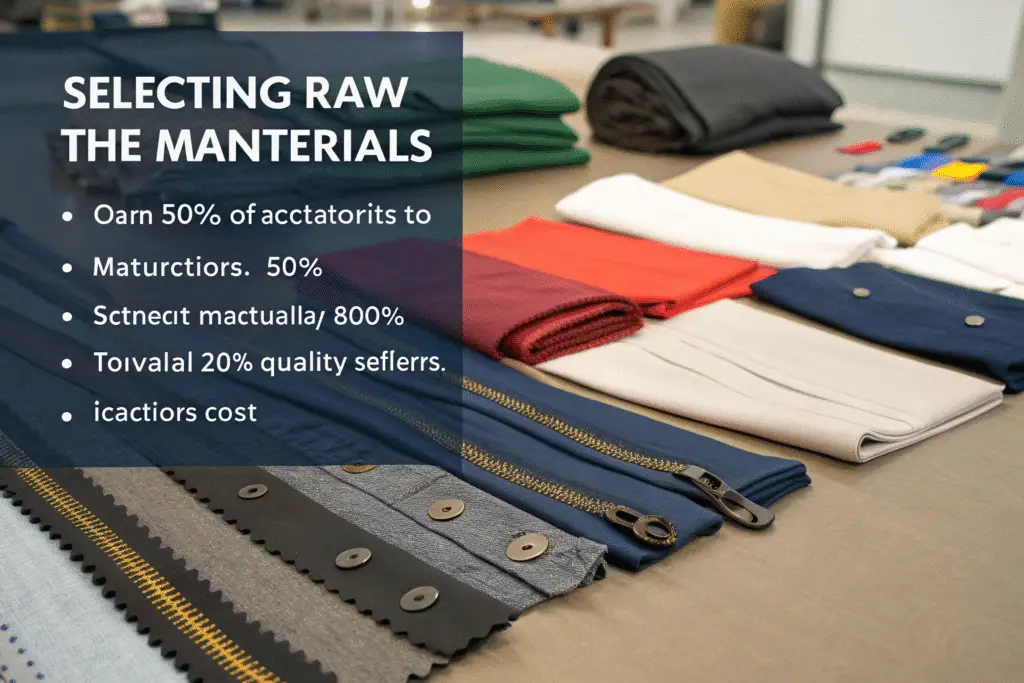
Why can't you give me a price without fabric details?
Asking for a quote without specifying fabric is like asking for the price of a car without specifying the model. The cost implications are enormous. Consider these factors:
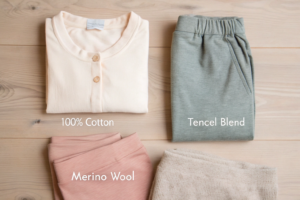
- Material Composition: Is it 100% cotton, a poly-cotton blend, or a technical performance fabric? Each has a different base cost.
- Fabric Weight: Measured in GSM (grams per square meter), heavier fabrics generally cost more.
- Finishing Processes: Does the fabric require pre-washing, brushing, or special treatments like enzyme wash? Each process adds cost and time.
We once worked with a client on a line of customized hoodies. They requested a price based on "standard fleece." After we sent them five different fleece samples with varying weights and compositions, they chose a mid-range option that balanced quality and cost perfectly, leading to a successful long-term partnership with Shanghai Fumao.
How do customized trims increase the final price?
Standard trims are kept in stock and are inexpensive. Customized trims are a different story. Any element that is not off-the-shelf requires additional cost and lead time. This includes:
- Custom Woven Labels: Creating the loom setup for a unique label design has a one-time cost.
- Embossed Buttons: A standard plastic button is cheap, but a custom-molded button with your logo is not.
- Specialty Zippers: A standard nylon zipper is affordable, but a waterproof, metal, or uniquely colored zipper will cost more.
Every custom trim item requires its own sourcing, production, and quality control process, which is why it significantly impacts the quote.
Why Does Production Complexity Matter?
Two t-shirts might look similar on a hanger, but one could have a simple chest print while the other has an all-over sublimation design with reinforced stitching. The production effort and cost for these two items are worlds apart. The manufacturer sees beyond the design to the steps required to create it.
The complexity of your garment's construction and decoration directly influences the manufacturing time, skill level required, and overall cost. A simpler design is faster to produce and requires less skilled labor. A complex design involves more machine time, more handwork, and a higher chance of error, all of which must be factored into the price.
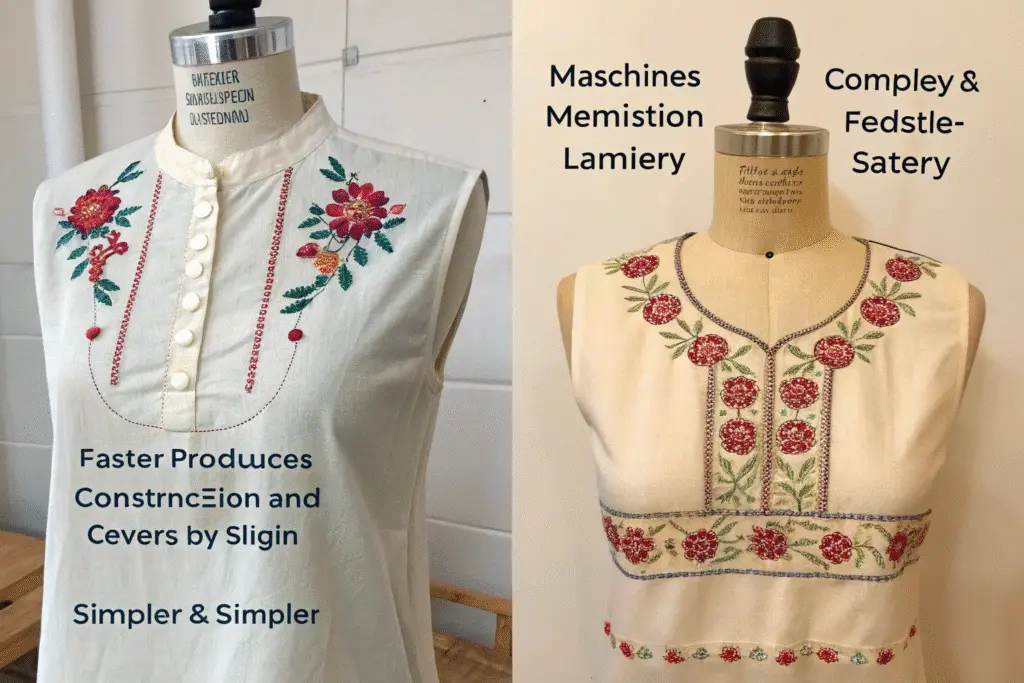
How do different sewing techniques influence labor costs?
Sewing is not a single action. It is a series of operations. The number and difficulty of these operations determine the labor cost. For example:
- A basic t-shirt has simple seams and is very fast to assemble.
- A dress shirt with a collar, cuffs, and placket requires multiple precise steps and more time.
- Technical outerwear with fully taped seams and multiple compartments is highly complex and time-consuming.
We adhere to strict quality control measures at every stage. A few months ago, a client ordered trousers with a specific double-stitched detail. Our team at Shanghai Fumao calculated the exact time needed for this operation, ensuring the quote accurately reflected the additional labor without compromising on our delivery schedule.
What is the cost impact of special dyeing or washing?
Basic garments are made from pre-dyed fabric. However, many styles require special treatments after the garment is constructed. These processes add significant cost and time. Common examples include:
- Garment Dyeing: The finished product is dyed, which gives a unique, vintage feel but requires careful control.
- Stone Washing or Enzyme Wash: Used to soften fabric and create a worn-in look.
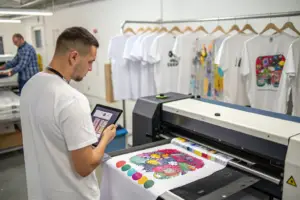
- Printing Techniques: A simple screen print is cost-effective for large areas of color, while sublimation printing for all-over designs is more expensive.
Each of these processes requires specialized equipment, additional materials (like dyes and chemicals), and extra handling time, all of which must be meticulously calculated.
How Can I Get a Faster, More Accurate Quote?
Now that you understand the "why," let's focus on the "how." You can take proactive steps to dramatically speed up the quoting process. Being prepared shows the manufacturer that you are a professional and serious partner, which encourages them to prioritize your request.
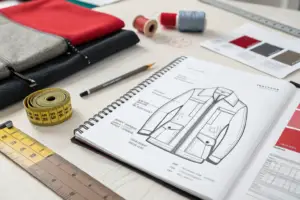
The single most effective way to get a faster and more accurate quote is to provide a complete and detailed Tech Pack and clear communication of your requirements from the initial contact. A Tech Pack is the blueprint of your garment. It removes guesswork and allows our team to conduct a precise cost engineering analysis immediately.

What should I include in a perfect tech pack?
A comprehensive tech pack is your most powerful tool for efficient communication with a factory. It should contain:
- Detailed Technical Sketches: Front, back, and side views with callouts for all design details.
- Bill of Materials (BOM): A list of every component, including fabric type, trim items, and their specifications.
- Point of Measure (POM) Spec Sheet: Exact measurements for each size in your range.
- Colorways and Artwork: Pantone codes for colors and print/embroidery artwork files.
Providing this level of detail allows Shanghai Fumao to provide a comprehensive quote quickly. We recently received an inquiry from a brand that included a full tech pack. We were able to provide a firm quote within 48 hours, as there were no ambiguous details to clarify.
How does clear communication prevent delays?
Beyond the tech pack, your communication style sets the tone. Specify your key priorities upfront. Tell the supplier:
- Your target price point.
- Your desired quality level.
- Your required lead time and delivery destination.
This clarity helps the manufacturer offer solutions that fit your needs. For example, if your target price is tight, we might suggest alternative fabrics that maintain quality but cost less. This collaborative approach builds a strong foundation for a successful order and avoids delays caused by misunderstandings.
Conclusion
The journey to getting an accurate garment production quote is a collaborative process, not an automated one. It requires a detailed exchange of information about your design, materials, quantities, and logistics. The absence of an instant quote is not a red flag; in fact, it is often a sign of a responsible manufacturer who is committed to providing a transparent and reliable price, ensuring there are no unexpected costs down the line.
By understanding the factors involved—from fabric and trims to production complexity—and by preparing a detailed tech pack, you empower yourself to streamline the process. This preparation leads to faster, more accurate quotes and lays the groundwork for a smooth and successful production run. A trustworthy partner will see your preparedness and respond with the professionalism and efficiency your brand deserves.
If you are tired of vague quotes and delayed communications, we invite you to experience the Shanghai Fumao difference. Our team is dedicated to providing transparent, detailed, and timely quotations based on your specific needs. Let us help you bring your apparel visions to life with confidence. For a direct conversation about your next production order, please contact our Business Director, Elaine, at elaine@fumaoclothing.com.