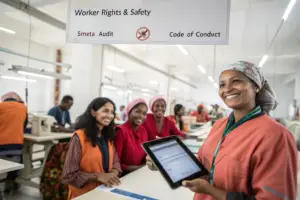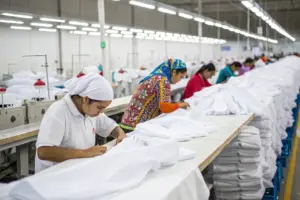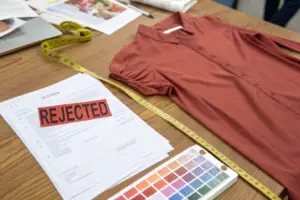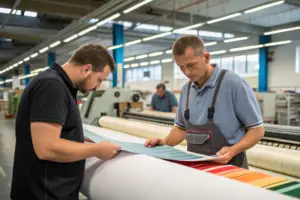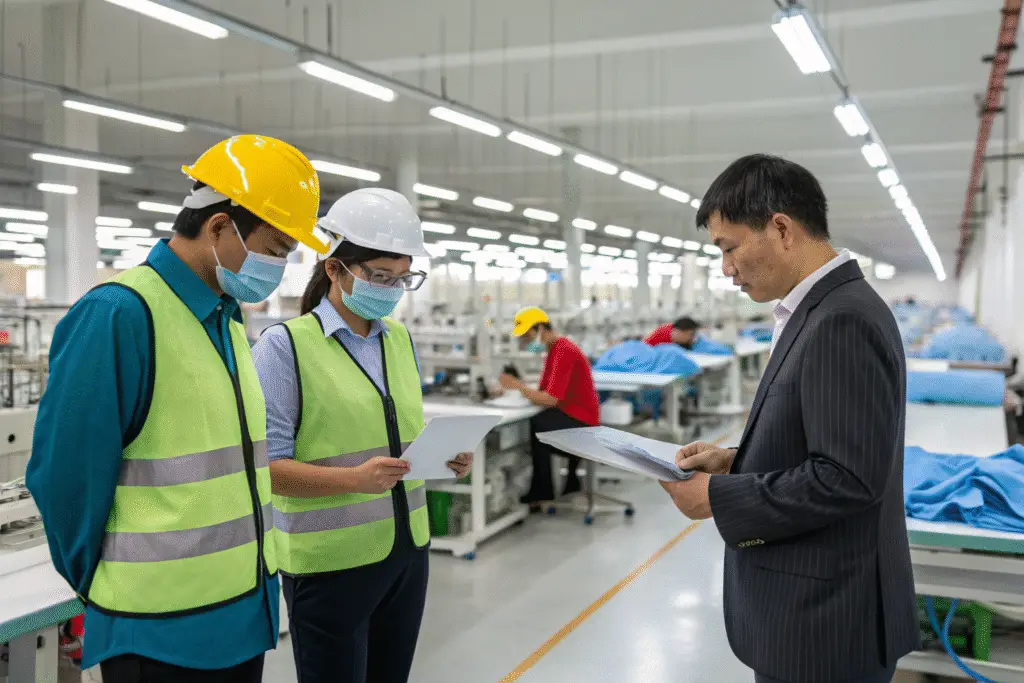
Social compliance audits ensure garment factories meet labor, safety, and ethical standards. In today’s global fashion market, buyers—especially in the U.S. and Europe—demand proof that their suppliers operate responsibly. Without these audits, brands risk reputational damage, legal issues, and supply chain disruptions.
As a garment manufacturer for the U.S. market, I’ve seen how social compliance audits strengthen business relationships. They build trust, reduce risks, and help brands meet consumer expectations for transparency and ethical sourcing.
In this article, I’ll explain why auditing social compliance is essential, what areas are covered, and how it benefits both buyers and suppliers.
What Is Social Compliance in Garment Manufacturing?
Social compliance refers to a factory’s adherence to ethical labor standards, workplace safety regulations, and legal requirements. It ensures workers are treated fairly, work in safe conditions, and receive lawful wages.
For buyers, social compliance is a baseline requirement—not a luxury. It protects the brand from association with unsafe or exploitative practices.
Key frameworks include ILO labor standards and Fair Labor Association guidelines. They set the foundation for working hours, wages, and worker rights.
How do buyers verify compliance?
Brands often require audits from recognized bodies like Sedex or WRAP. These audits assess labor practices and factory conditions.
How Do Audits Benefit Garment Buyers?
Audits provide buyers with a clear, documented view of a factory’s ethical and operational standards. This transparency helps buyers make informed sourcing decisions.
In our experience, buyers who prioritize audited suppliers enjoy fewer disputes, smoother logistics, and stronger brand reputations.
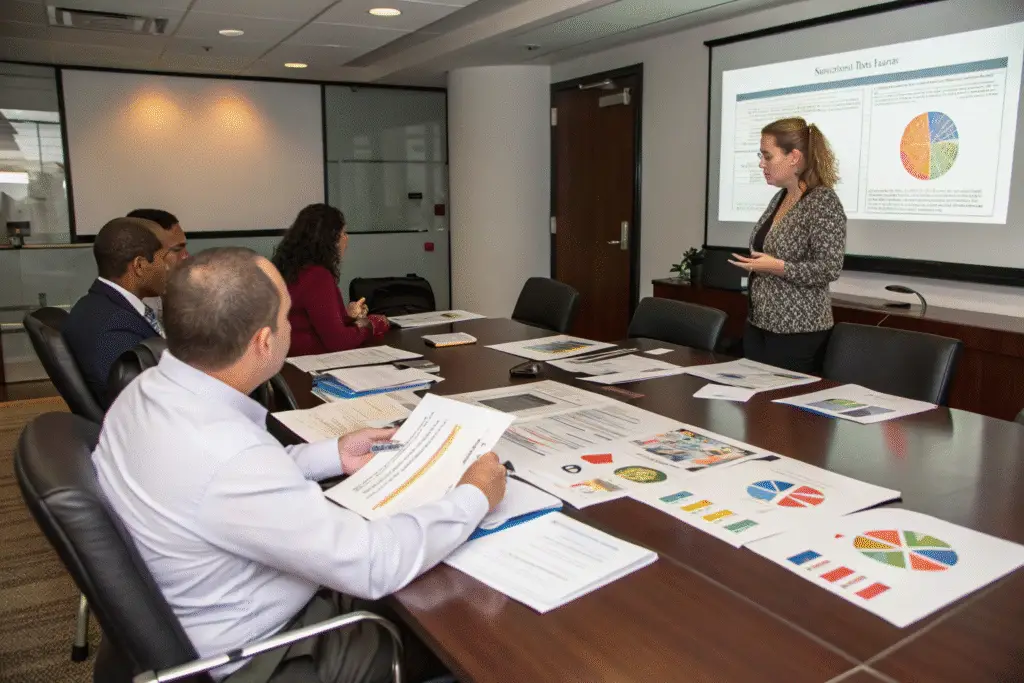
How do audits reduce business risk?
They identify potential violations before they escalate into legal or public relations issues. See Harvard Business Review supply chain ethics and Ethical Trading Initiative case studies.
Can audits improve consumer trust?
Yes. Marketing products as made in socially compliant factories aligns with consumer values. Reports from McKinsey sustainable apparel insights and Fashion Revolution transparency index confirm this trend.
What Areas Are Covered in Social Compliance Audits?
Audits review multiple aspects of factory operations, from worker safety to environmental impact. The goal is to ensure all legal and ethical requirements are met consistently.
We prepare for audits by maintaining detailed records, training staff, and keeping facilities in excellent condition year-round.

What safety checks are included?
Fire safety systems, emergency exits, and protective equipment are inspected. For details, see OSHA workplace safety guidelines and ILO safety and health conventions.
Are environmental practices audited too?
Yes. Waste disposal, chemical handling, and energy usage may be reviewed. Learn more from Bluesign sustainability standards and OEKO-TEX Made in Green.
How Can Suppliers Prepare for Social Compliance Audits?
Preparation involves more than just cleaning the factory before inspection. It’s about embedding ethical practices into daily operations so compliance is continuous.
In our facility, we conduct internal audits every quarter to ensure readiness. This approach avoids last-minute panic and ensures consistent quality and safety.
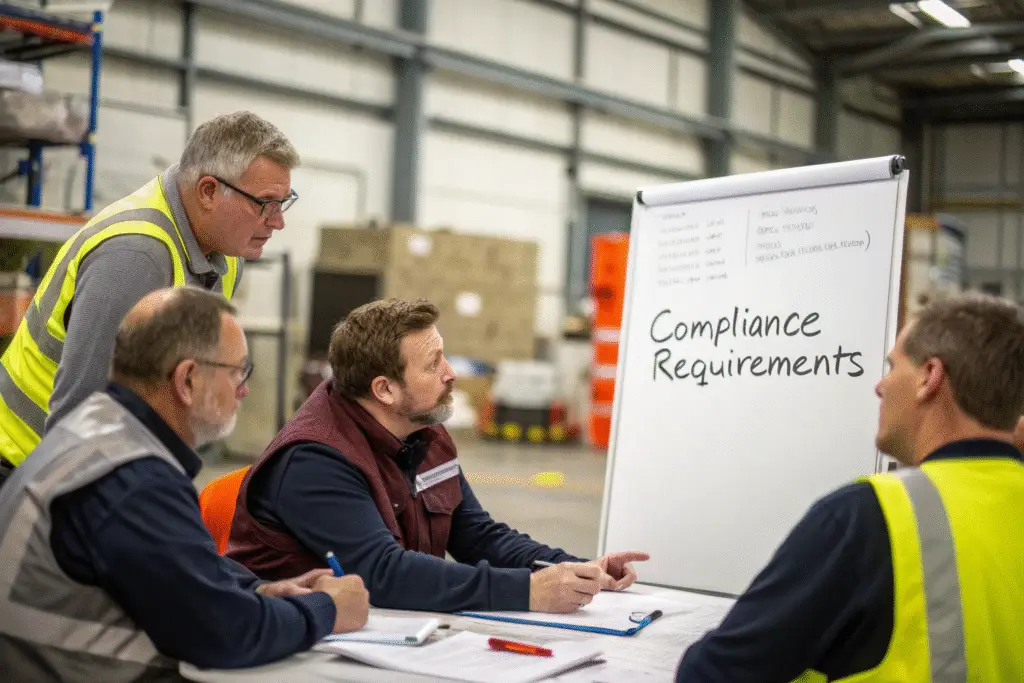
What training helps ensure compliance?
Training staff on safety procedures, legal rights, and ethical policies is essential. Refer to Better Work program resources and ILO training modules.
Should suppliers keep compliance documentation ready?
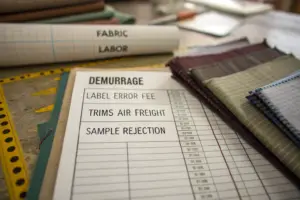
Absolutely. Payroll records, safety logs, and training reports should be available for review. See SA8000 documentation guide and Sedex audit preparation tips.
Conclusion
Social compliance audits are a win-win for garment buyers and suppliers. They ensure ethical labor practices, protect brand reputation, and create safer working environments.
If your brand values ethical sourcing, Shanghai Fumao Clothing can provide audited production with full transparency. Contact our Business Director Elaine at em>elaine@fumaoclothing.com</em to discuss producing your garments in a socially compliant, certified facility.