I have been traveling to Zhejiang province to visit factories for over fifteen years. Every time I step off the plane in Hangzhou or Shanghai and drive into the surrounding industrial cities, I am reminded why this region has become the undisputed center of global apparel manufacturing. The energy here is different. The roads are packed with trucks carrying fabric and finished garments. New factory buildings are going up everywhere. It is a place built entirely around making things, and making them well.
Buyers from America, Europe, and everywhere else keep asking me the same question. They see the prices. They see the volume. They see the quality improving every year. They want to understand what is happening here. They want to know if it is sustainable and if they should be part of it. The answer is complex, but it comes down to history, infrastructure, and an unmatched culture of entrepreneurship.
Zhejiang apparel factories dominate the global wholesale market because of a unique combination of factors that cannot be easily replicated. This region has a 40-year head start in building a complete textile ecosystem, from fiber production to finished garment logistics. The concentration of skilled labor, specialized suppliers, and aggressive entrepreneurs creates an efficiency that no other single location can match. When you add in massive government investment in ports and highways, you get a manufacturing machine that simply out-produces the competition.
Let me break down exactly what makes this region so powerful. I have seen it with my own eyes and helped countless American brands benefit from it. Understanding these factors will help you make better sourcing decisions for your own business.
What makes Zhejiang's textile supply chain ecosystem so complete?
I remember bringing a buyer from a mid-sized Chicago brand to Zhejiang for the first time about eight years ago. He had been sourcing from different countries for a decade. He thought he understood supply chains. But when we drove through the industrial areas outside Shaoxing, his jaw dropped. We passed a fabric mill, then a dyeing facility, then a trim supplier, then a zipper factory, then a garment factory, all within a five-minute drive. He said to me, "In Vietnam, I have to wait weeks for materials to arrive from another country. Here, everything is next door."
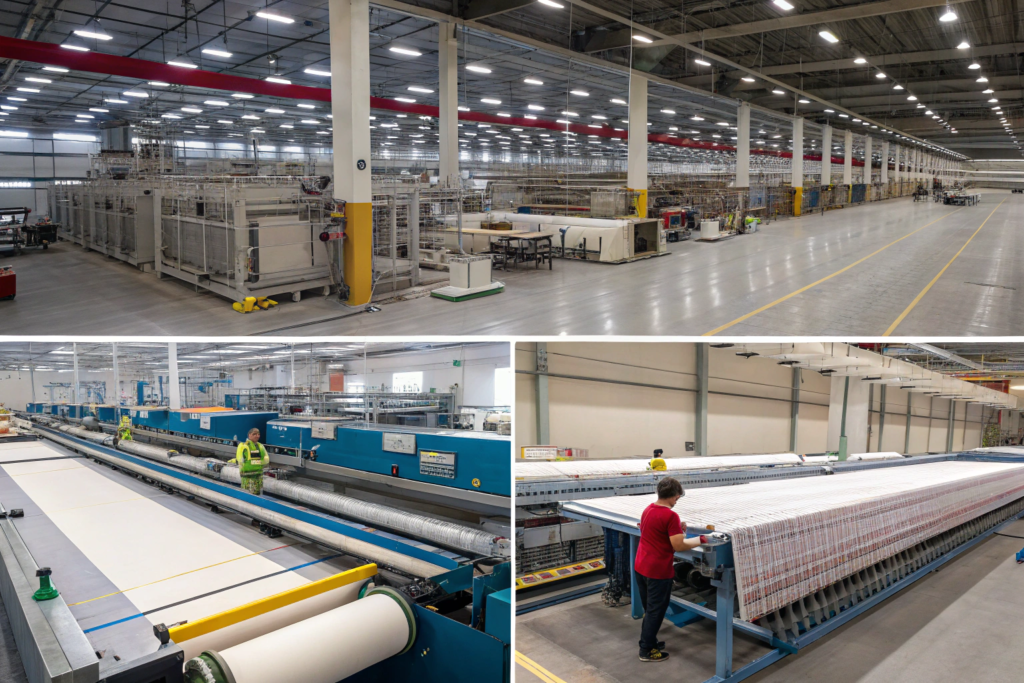
That is the reality of Zhejiang. This is not just a collection of factories. It is a complete ecosystem. Every single component of a garment can be sourced within a 50-kilometer radius. Buttons from a specialized maker in one town. Labels from a printer in the next. Elastic bands from a supplier down the road. This proximity changes everything.
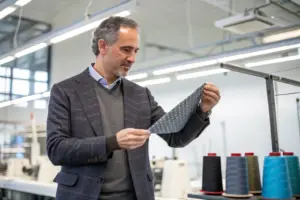
The density of the supply chain in Zhejiang creates massive efficiencies. When a fabric mill produces a roll of cloth, it can be at the cutting factory within hours, not days. If there is a problem with a zipper color, the factory manager can drive to the zipper supplier and fix it face-to-face the same afternoon. This speed and flexibility is impossible when your suppliers are scattered across different countries or even different provinces. It allows Zhejiang factories to respond to changes and solve problems faster than anyone else.
For the Chicago buyer, this ecosystem meant we could compress his development timeline significantly. We sourced a difficult deadstock fabric from a mill in Shaoxing, had it sampled within three days, and moved into production the following week. He told me later that this process would have taken him a month anywhere else. The concentration of specialized textile suppliers in Zhejiang creates a velocity that benefits every brand that works here.
How does this ecosystem reduce costs for wholesale buyers?
When every supplier is nearby, transportation costs drop dramatically. There are no long-haul trucking fees or international shipping delays between production steps. Inventory holding costs are lower because materials can be delivered just in time. And competition among the thousands of local suppliers keeps prices razor-thin. These savings get passed directly to you.
What happens when a factory needs a specialty trim or fabric?
If a local supplier does not have it, chances are someone else in the province does. The network is so dense that factories can usually source even obscure materials within a day or two. This flexibility allows Zhejiang factories to take on a wider variety of orders than factories in less developed regions.
How does Zhejiang's history and culture drive manufacturing success?
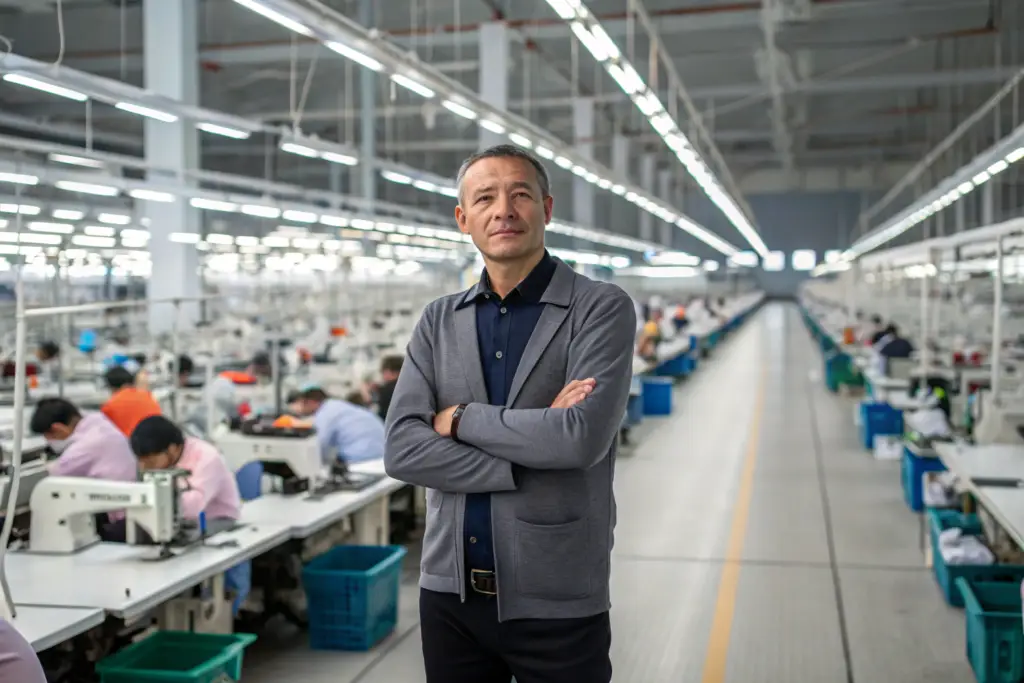
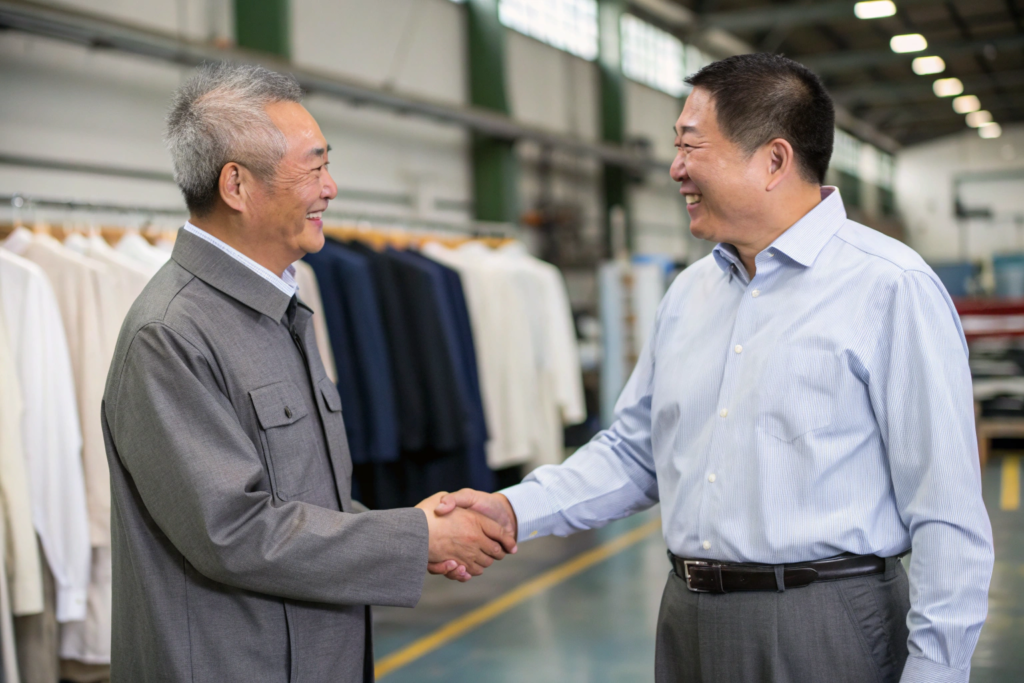
I have learned over the years that you cannot understand Zhejiang's factories without understanding the people who built them. This region has a long history of commerce and trade. It goes back centuries. The people here have manufacturing in their blood. I have met factory owners who started with a single sewing machine in their home thirty years ago. Today, they run facilities employing a thousand people. They are tough, they are smart, and they are always thinking about the next step.
This culture of entrepreneurship creates a completely different dynamic than you find in places where manufacturing was imposed from above. These factory owners are not just executing orders. They are constantly innovating, investing in new machinery, and finding better ways to do things. They have a personal stake in every garment that leaves their factory.
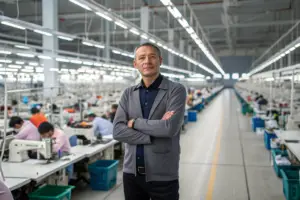
The entrepreneurial culture in Zhejiang means factories here are incredibly responsive and hungry to improve. Owners are often on the production floor themselves, not just in an office. They understand the details of every process. When a client has a problem, they treat it as their problem and solve it personally. This is not a corporate culture with layers of bureaucracy. It is a culture of builders who take pride in what they create. This attitude is a huge part of why brands trust factories here.
I think about a factory owner I have known for twelve years in Jiaxing. He started with three machines making simple t-shirts for the local market. When foreign buyers started coming, he learned English by himself. He studied their quality requirements. He reinvested every penny into better equipment. Today, he produces high-end outerwear for European brands. His story is not unique. It is repeated thousands of times across the province. This drive comes from a deep cultural value placed on hard work and business success. It is the entrepreneurial spirit of Zhejiang that built this industry from the ground up.
How does this culture affect the quality of work?
When the owner is personally invested, quality becomes personal. It is not just a metric on a report. It is a reflection of their reputation. Zhejiang factory owners know that one bad shipment can destroy years of relationship building. They are motivated to protect their name, which means they pay attention to the details that matter to your brand.
Is this entrepreneurial culture sustainable with the next generation?
Many of the younger generation are educated abroad and bring new ideas back to the family business. They are blending the hard work ethic of their parents with modern management techniques and technology. This combination is keeping Zhejiang factories competitive even as costs rise in other areas.
Why are Zhejiang's ports and infrastructure a game changer for exporters?
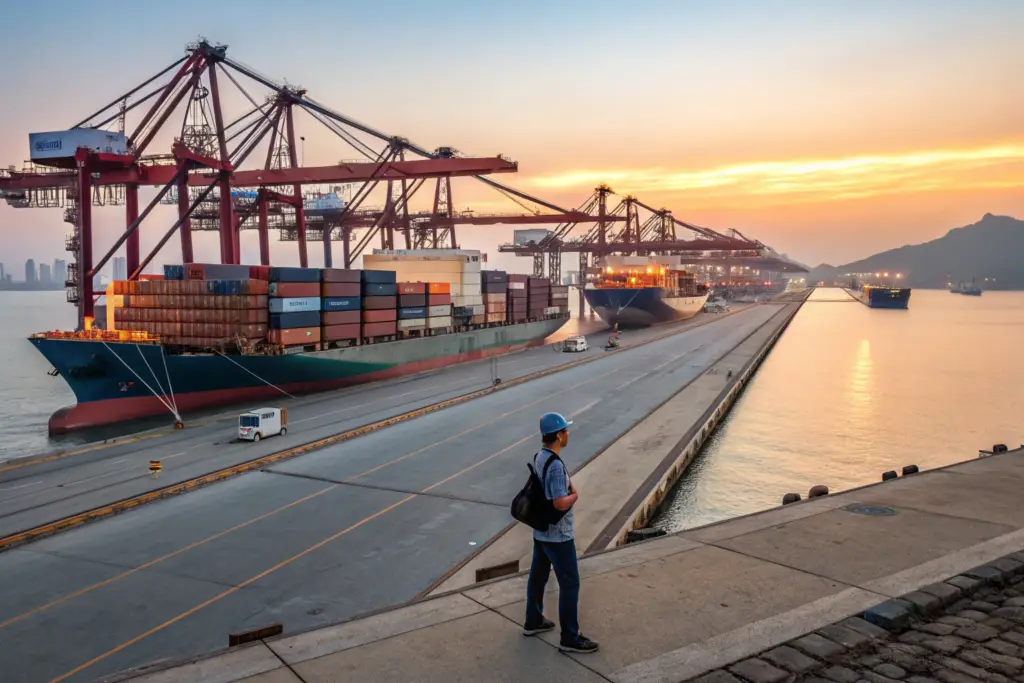
I have shipped thousands of containers out of China over my career. Nothing gives me more confidence than knowing my goods are leaving from Ningbo or Shanghai. These are not just ports. They are the most efficient gateways to the world ever built. The scale is almost impossible to describe until you see it. Container ships as long as skyscrapers are lined up for miles. Cranes are moving containers around the clock. Trucks flow in and out like blood through a heart.
For a factory in Zhejiang, the world's biggest consumer markets are just a boat ride away. A garment produced in Shaoxing today can be on a vessel in Ningbo tomorrow. In three weeks, it is in a warehouse in Los Angeles or New York. This speed to market is a massive advantage.
Zhejiang is home to the Port of Ningbo-Zhoushan, one of the busiest and most advanced ports in the world. It connects directly to over 600 ports in more than 200 countries. The highways connecting the interior factories to this port are modern, wide, and constantly maintained. This infrastructure means goods move without delay. When a shipment is ready, it leaves immediately. There are no weeks-long bottlenecks waiting for trucks that cannot get through. This reliability is essential for brands with tight selling seasons.
I had a client from Florida who needed a rush order of summer dresses. The season was approaching fast. We finished production on a Tuesday. The dresses were loaded into containers on Wednesday, arrived at Ningbo port on Thursday, and were on a vessel by Friday. They arrived in Miami three weeks later, just in time for the summer selling window. This speed is only possible because of the infrastructure connecting Zhejiang factories to the sea. You can track vessel schedules and port activity at the Port of Ningbo's official website to see the scale of operations.
How does port capacity affect shipping costs for buyers?
High capacity and intense competition among shipping lines based in these ports keep freight rates more competitive. Vessels are constantly leaving, so there is always space. This means you are less likely to face the premium pricing that happens when port congestion limits options. Consistent, reliable departures also mean you can plan your inventory with confidence.
What about air freight options from Zhejiang?
Major international airports in Shanghai, Hangzhou, and Ningbo provide excellent air freight options for urgent orders or high-value items. A truck from most Zhejiang factories can reach Shanghai Pudong Airport in two to three hours. This proximity gives buyers flexibility to choose the shipping mode that fits their timeline and budget.
How do Zhejiang factories balance cost with improving quality standards?
There is a persistent myth among some Western buyers that Chinese manufacturing is only about low cost and low quality. That might have been true for some factories thirty years ago. It is absolutely not true today, especially in Zhejiang. I have watched the quality standards here rise every single year. The factories that survived the last decade are the ones that invested in quality, training, and technology.
The pressure to improve came from multiple directions. Buyers demanded better. Competition from other low-cost countries forced differentiation. And the Chinese workers themselves became more skilled. Today, a Zhejiang factory can produce a garment that meets the highest standards in the world, often at a fraction of the cost of manufacturing in the US or Europe.
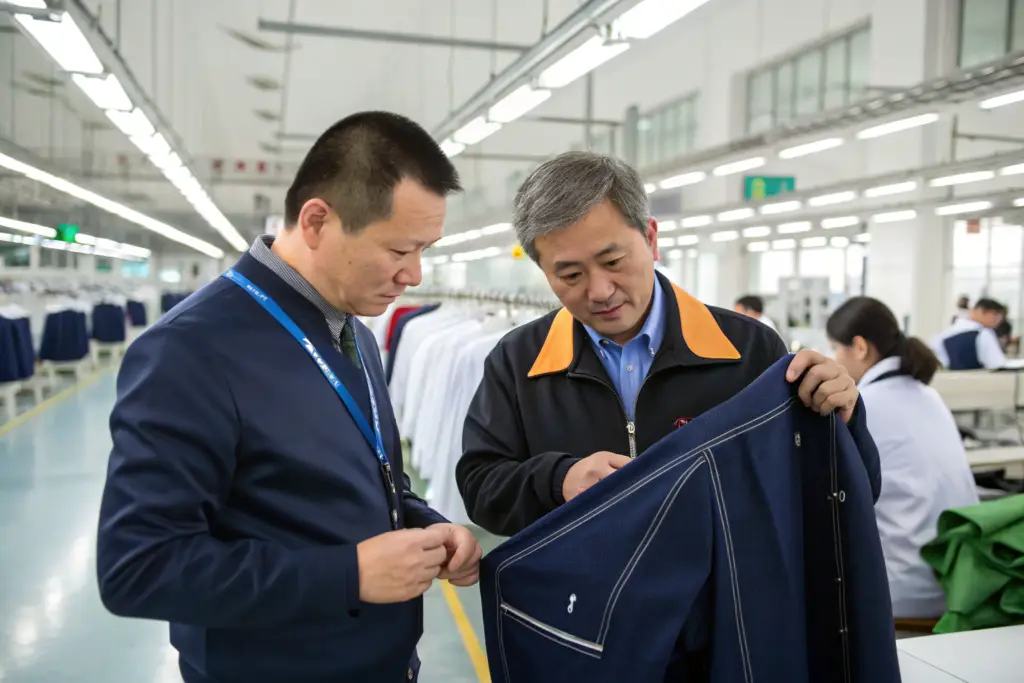
Zhejiang factories dominate because they offer the best value, not just the lowest price. They have learned to balance cost efficiency with rigorous quality control. They invest in automated cutting machines that reduce fabric waste and improve accuracy. They train their workers continuously. They implement quality systems like Six Sigma and lean manufacturing. The result is a product that meets global standards at a price that allows brands to make healthy margins. This value equation is hard to beat anywhere else.
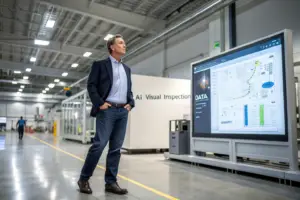
I think about a project we did for a premium denim brand from San Francisco. They had been manufacturing in a higher-cost Asian country and were looking to reduce their costs without sacrificing their quality reputation. We walked them through our factory at Shanghai Fumao. They saw our automated cutting systems, our AI-powered inspection, and our experienced sewing operators. They tested a sample run. The quality was equal to their previous supplier, but the cost was significantly lower. They switched their entire production to us and have been with us for five years. This combination of quality and value is what keeps buyers coming back to Zhejiang's apparel manufacturing hubs.
How do Zhejiang factories keep costs down while improving quality?
They achieve this through continuous investment in automation and process improvement. A machine that cuts fabric precisely does not make mistakes that require rework. An automated spreading machine does not stretch fabric unevenly. These investments reduce waste and labor costs while simultaneously improving consistency. The savings are shared with buyers through competitive pricing.
Are there specific product categories where Zhejiang factories excel?
Zhejiang factories produce virtually every category of apparel at a high level. The region is particularly strong in knits, wovens, outerwear, and activewear. The diversity of the supply chain means factories can specialize while still having access to all the materials and trims they need. Whatever you design, there is a factory in Zhejiang that can produce it well.
Conclusion
Zhejiang apparel factories dominate the global wholesale market for clear and compelling reasons. The complete and dense supply chain ecosystem creates unmatched efficiency and flexibility. The deep entrepreneurial culture drives continuous improvement and personal accountability. The world-class port infrastructure moves goods to market faster and more reliably than almost anywhere else. And the relentless focus on balancing cost with ever-rising quality standards delivers the best value for brands worldwide.
At Shanghai Fumao, we are proud to be part of this incredible manufacturing ecosystem. We are located at the heart of it, benefiting from the same supply chain density, the same skilled workforce, and the same access to global markets. We have built our reputation by combining the strengths of Zhejiang manufacturing with a focus on serving the unique needs of American brands. We understand your market, your quality expectations, and your timelines.
If you are ready to partner with a factory that offers the full power of Zhejiang manufacturing, I invite you to reach out. Let us discuss how we can bring your next collection to life with the quality, value, and reliability that this region is known for. Contact our Business Director, Elaine, directly at strong>elaine@fumaoclothing.com. Tell her about your brand, and let us start building something great together.