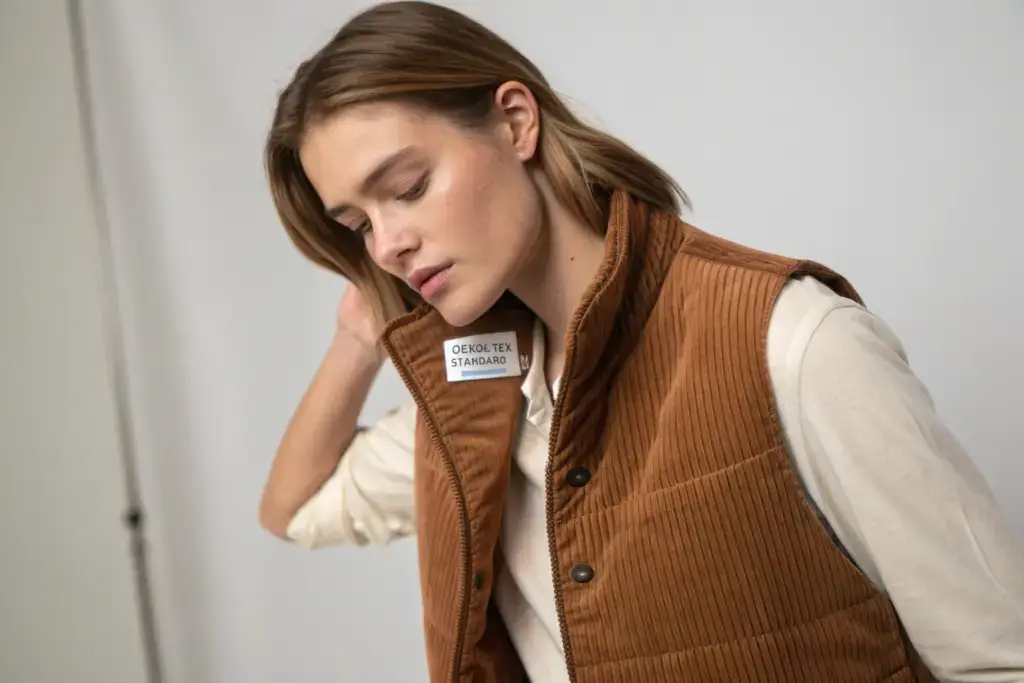
In the world of design-driven fashion, every detail matters—from the silhouette and color to the texture and feel. Corduroy vests have made a major comeback, prized for their tactile richness and vintage appeal. But for forward-thinking brands, selecting this fabric is only the first step. The decisive next step is ensuring it’s OEKO-TEX certified. Why is this technical certification becoming a non-negotiable spec for designers who lead with aesthetics?
Design-driven brands are choosing OEKO-TEX certified corduroy vests because the certification guarantees the purity and safety of the fabric’s unique tactile experience. It ensures that the rich dyes, the distinctive wale texture, and the soft backing are free from harmful substances, protecting both the wearer’s skin and the brand’s carefully cultivated reputation for thoughtful, responsible design. In essence, OEKO-TEX completes the design story, adding a foundational layer of integrity that the discerning modern customer both expects and values.
For these brands, a vest isn’t just a garment; it’s a statement. And that statement must be ethically and physically sound from the inside out. OEKO-TEX certification provides the verified proof that allows the design to shine without a shadow of doubt.
How Does OEKO-TEX Enhance The Corduroy Design Experience?
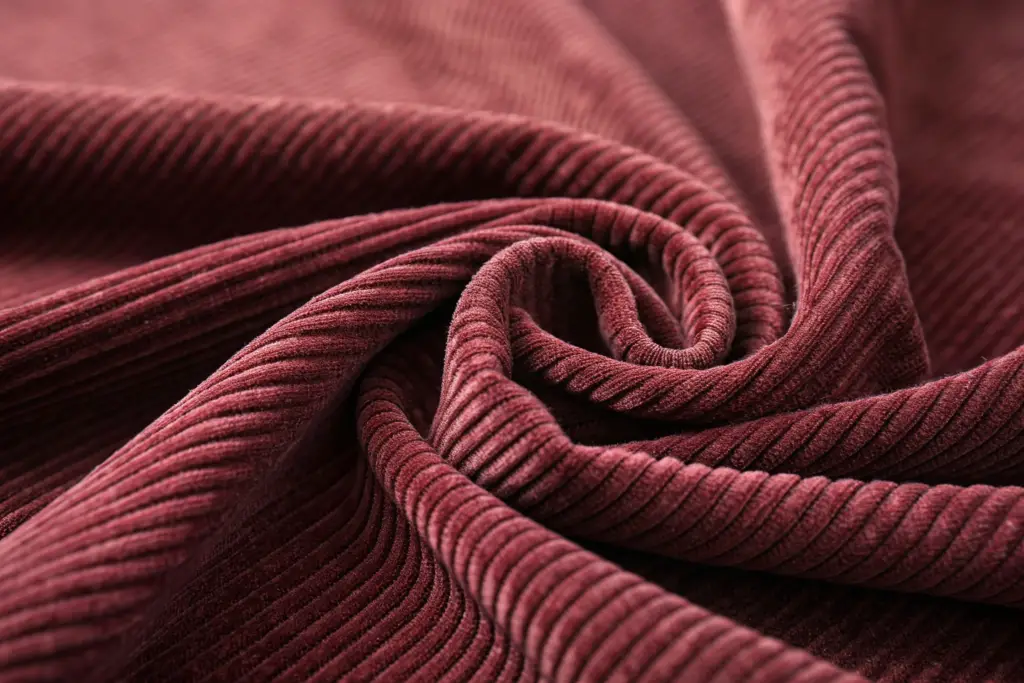
Corduroy’s appeal lies in its sensory impact—the visual rhythm of its wales and the soft, plush hand-feel. Achieving this requires significant chemical processing: heavy dyeing to get those deep, saturated colors, and finishing to create a soft backing. This is where hidden risks reside.
OEKO-TEX certification acts as a designer’s safeguard. It systematically verifies that no harmful azo dyes, formaldehyde (used for anti-wrinkle properties), or heavy metals like cadmium or lead (which can be present in certain pigments) remain in the finished fabric. For a designer, this means the vibrant olive green or rust orange of their vest is achieved safely. It also ensures the fabric’s pH level is skin-neutral, so the garment feels comfortable against the skin, not irritable. Last season, we developed a series of OEKO-TEX certified wide-wale corduroy vests for a minimalist Scandinavian brand. Their designer noted that the certified fabric had a “cleaner hand-feel” and held its color more consistently through pre-wash testing, which they attributed to the higher-quality, compliant dyes and processes required by the standard.
What Are The Specific Risks In Corduroy That OEKO-TEX Mitigates?
Corduroy’s construction—a cut-pile fabric—makes it particularly susceptible to retaining chemical residues. The key risks addressed are:
- Dye Fastness: Poorly fixed dyes can rub off (crocking) onto other garments or, worse, onto the wearer’s skin. OEKO-TEX tests for color fastness to perspiration, saliva, and rubbing.
- Chemical Softeners: To achieve a soft hand, aggressive chemical softeners are sometimes used. The certification restricts the use of harmful chlorinated phenols and other regulated softeners.
- Allergenic Residues: The napped backside of corduroy has more surface area in contact with skin, increasing the potential for allergen transfer if residues are present.
By choosing certified corduroy, designers are not just selecting a fabric; they are selecting a verified process. This allows them to focus on form and function, confident that the material’s foundation is secure. At Shanghai Fumao, our product development team specifically sources OEKO-TEX certified corduroy from mills that specialize in this fabric, ensuring the texture and color meet design expectations without compromise.
How Does This Align With A “Less But Better” Philosophy?
Many design-driven brands operate on a “less but better” ethos. OEKO-TEX certification is the “better” part of that equation for materials. It provides a concrete, communicable reason for a higher price point. It tells the customer, “This vest costs more because every component has been independently verified for your safety and comfort.” This aligns perfectly with a brand narrative centered on intentionality, quality, and long-term value over fast fashion.
Why Is Certified Corduroy Key For Unisex And Kids’ Designs?
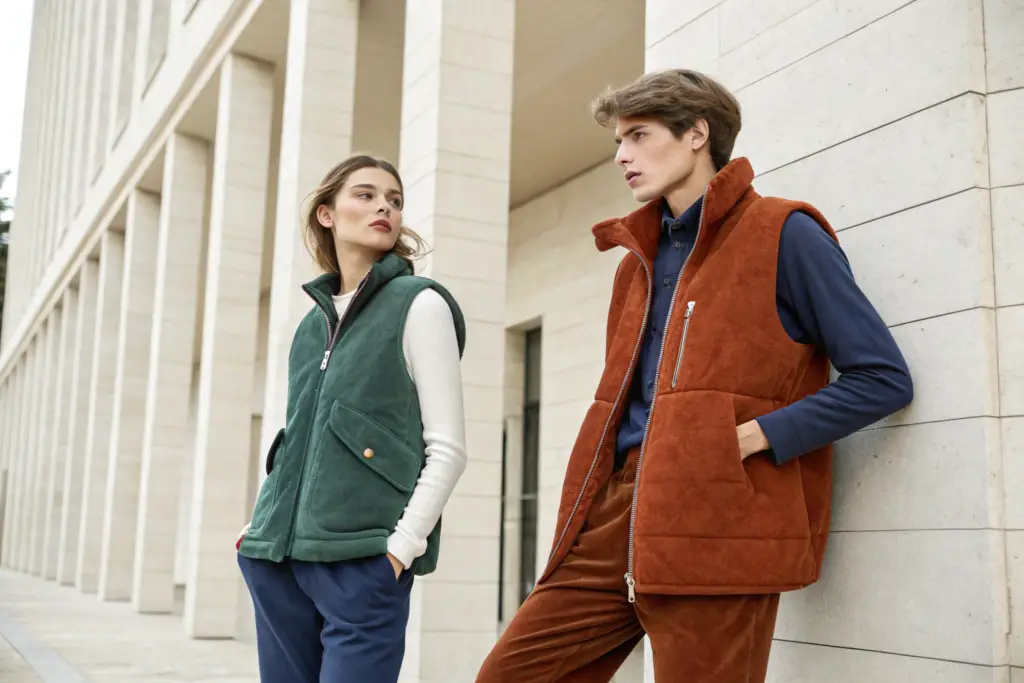
Corduroy’s durability and timelessness make it a staple in unisex and children’s collections. These segments are also where consumer sensitivity to safety and ethics is at its peak. OEKO-TEX certification bridges the gap between a trendy, durable fabric and parent or conscious consumer peace of mind.
For unisex brands, authenticity is paramount. Their audience scrutinizes supply chains. Using OEKO-TEX certified materials demonstrates a commitment to inclusive safety—everyone, regardless of gender, deserves safe clothing. For children’s wear, it’s imperative. Corduroy pants, vests, and jackets are popular for kids due to their sturdiness, but children’s higher skin permeability makes chemical safety non-negotiable. OEKO-TEX Class I (for babies) is the strictest global standard, and sourcing corduroy that meets this grade is a powerful market differentiator. A Brooklyn-based children’s brand we work with switched to OEKO-TEX certified corduroy for their overalls and vests. They leveraged this in their marketing, resulting in a 30% increase in direct online sales from parents specifically citing “trust in materials” as their reason for purchase.
How Does Certification Support Brand Storytelling In These Segments?
The story moves from “cool corduroy vest” to “responsibly crafted, safe-for-all corduroy staple.” This narrative is gold for content marketing. Brands can create behind-the-scenes content about sourcing certified materials, explain what the label means in simple terms, and position themselves as educators in the space. This builds a community of informed, loyal customers. It also provides a solid rebuttal to greenwashing accusations, as the certification is from a third party like OEKO-TEX®, not a self-issued claim.
What Is The Practical Impact On Design And Development?
Working with pre-certified corduroy fabrics streamlines the sampling and production process. Designers and brands don’t need to budget for separate, costly lab tests or worry about failing compliance checks later. When partnering with a manufacturer like Shanghai Fumao that specializes in certified production, the entire workflow—from sourcing to final sewing—is aligned with the standard. This reduces time-to-market and eliminates a significant layer of operational risk, allowing the creative team to focus purely on design.
How Does OEKO-TEX Corduroy Fit Into A Sustainable Brand Strategy?
For design-driven brands, sustainability is increasingly part of the design brief. While OEKO-TEX STANDARD 100 is primarily a human-ecological safety standard, it is a critical component of a broader responsible strategy.
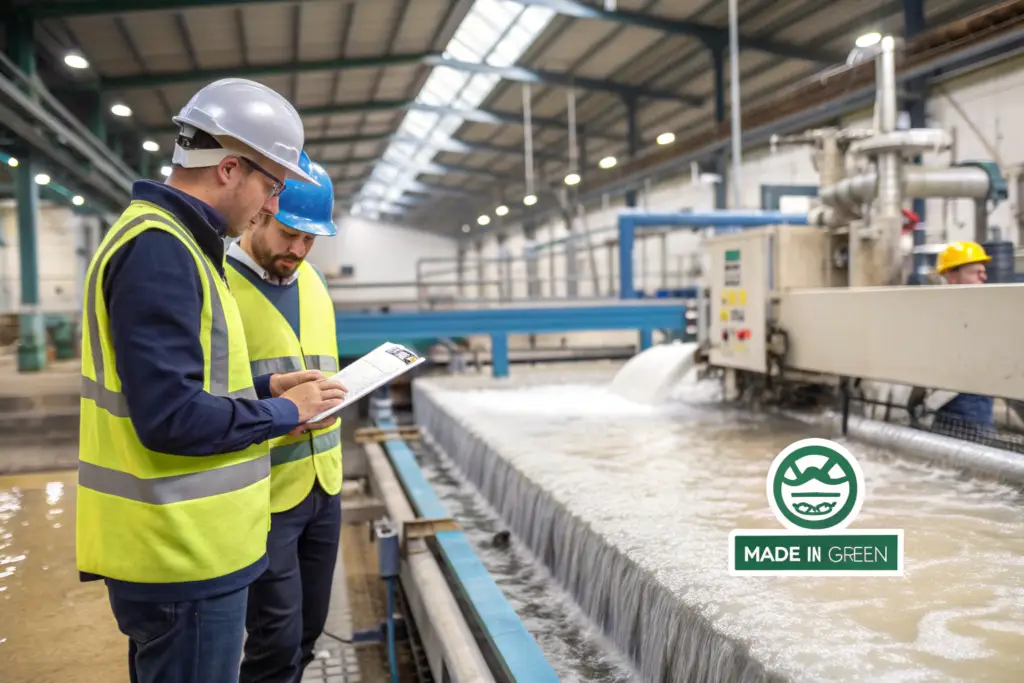
First, it ensures chemical management, which is a pillar of environmental sustainability. It mandates that factories and mills control their effluent and chemical use, which protects local water systems. Second, it contributes to product longevity. Clothing free from harmful chemicals and with good color fastness is less likely to cause skin reactions or degrade quickly, encouraging longer use. Third, for brands aiming for the full picture, OEKO-TEX offers the MADE IN GREEN label, which combines the product safety certification with sustainable production audits at the manufacturing sites.
| Brand Sustainability Goal | How OEKO-TEX Certified Corduroy Supports It |
|---|---|
| Safe Materials | Directly verified by testing for >100 harmful substances. |
| Transparent Supply Chain | Requires traceability of materials back through the chain. |
| Product Durability & Quality | High testing standards for color fastness and material integrity promote longevity. |
| Holistic Certification | Can be a stepping stone to or component of MADE IN GREEN certification. |
Can It Truly Be Part Of A Circular Model?
While OEKO-TEX itself doesn’t make a fabric circular, it ensures that if the corduroy vest is eventually recycled or composted (if made from natural fibers), it introduces fewer toxic residues back into the system. This is known as “designing for end-of-life.” For a brand, this foresight is a mark of sophisticated, responsible design thinking. It future-proofs the product against evolving regulations and consumer expectations around circularity.
What Should Designers Look For When Sourcing Certified Corduroy?
Not all OEKO-TEX certified corduroy is equal from a design perspective. The certification guarantees safety, not aesthetic quality. Designers must be vigilant in their sourcing specifications.
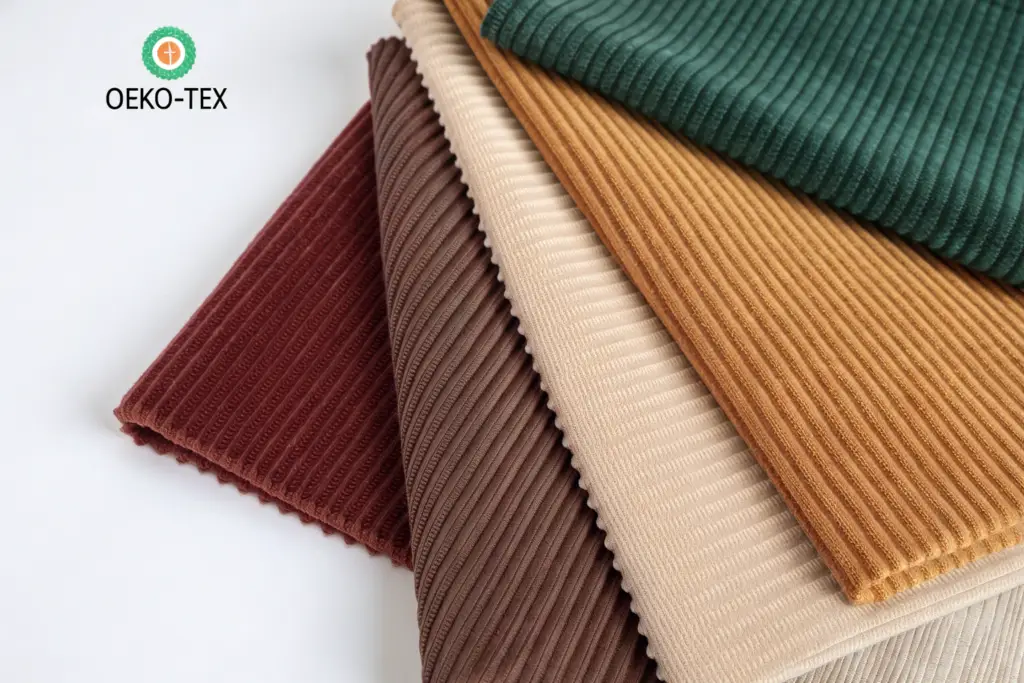
- Request the Fabric Certificate: Always ask the mill or supplier for the specific OEKO-TEX certificate for the corduroy fabric, not just a generic company certificate. Check the “Product Scope” to ensure “corduroy” or “cut-pile fabric” is listed.
- Ask for Physical Swatches and Test Reports: Evaluate the hand-feel, wale definition, and color depth yourself. A good supplier will also provide the test report showing the parameters passed.
- Inquire About Finish and Weight: Specify if you need a garment-washed soft finish, a crisp finish, or a particular weight (e.g., 8-wale, 16-wale). The certification process should complement these functional requirements.
- Partner with a Knowledgeable Manufacturer: Work with a factory like Shanghai Fumao that understands how to handle certified fabrics. We know how to cut corduroy (with pile direction in mind), sew it without crushing the wales, and wash it using compliant methods to achieve the desired softness without voiding the certification.
What Are Common Sourcing Pitfalls?
The main pitfall is assuming all materials from a certified factory are automatically certified. Certification is product-specific. Another pitfall is not considering trims. The corduroy may be certified, but the buttons, lining, or thread must also be compliant for the final garment to qualify. Our full-package manufacturing service at Fumao manages this holistically, ensuring every component in the vest meets the standard.
Conclusion
For design-driven brands, the choice of OEKO-TEX certified corduroy is a strategic alignment of aesthetics, ethics, and intelligence. It protects the sensory integrity of the design, bolsters the brand’s story with verifiable trust, meets the high safety expectations of modern consumers (especially in unisex and kids’ markets), and fits seamlessly into a forward-thinking sustainability narrative.
In a crowded market, it’s a detail that speaks volumes. It tells customers that every aspect of the product, seen and unseen, has been considered with care. This is the new benchmark for thoughtful design.
If you are a brand looking to craft corduroy vests or any statement piece where material integrity is paramount, partner with a manufacturer who speaks the language of both design and certified safety. Let Shanghai Fumao help you source, develop, and produce collections that are as responsible as they are remarkable. To begin developing your next OEKO-TEX certified line, contact our Business Director Elaine at: strong>elaine@fumaoclothing.com</strong.