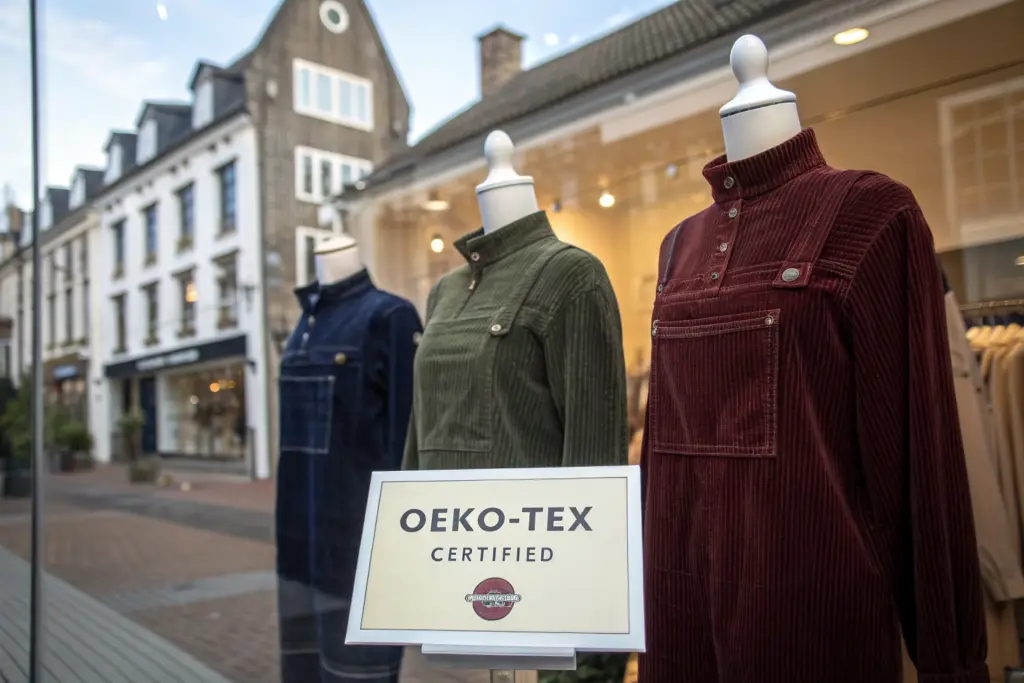
Europe represents one of the world's most sophisticated and demanding markets for children's apparel. European parents are known for their strong focus on style, quality, and increasingly, rigorous health and environmental standards. Within this context, a specific product trend is gaining remarkable traction: the corduroy jumper certified with OEKO-TEX STANDARD 100. This isn't a random fashion fad; it's a convergence of cultural preference, regulatory pressure, and shifting consumer values.
Corduroy jumpers with OEKO-TEX certification are gaining popularity in Europe because they perfectly align with three dominant European market drivers: a deep-seated appreciation for durable, natural-material classics; the world's most stringent regulatory environment for chemical safety (REACH); and a consumer base that actively seeks independent verification of sustainable and healthy products. The certification provides the trusted proof that a stylish, nostalgic garment also meets the highest contemporary safety standards.
This synergy is creating a powerful market segment. Let's examine the specific forces in the European landscape that are fueling this rise.
What Cultural and Aesthetic Trends Favor Corduroy in Europe?
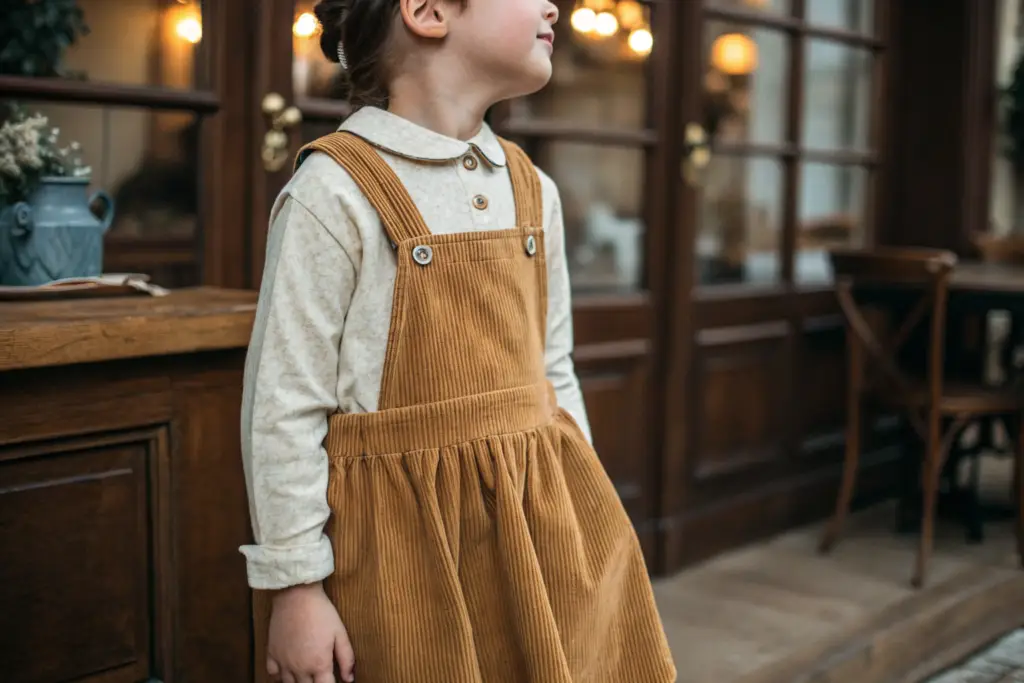
Europe has a long-standing sartorial tradition that values heritage, craftsmanship, and "slow fashion" over disposable trends. Corduroy, or "cord" as it's often called, embodies this ethos. It is a fabric with history, known for its durability, warmth, and distinctive texture that improves with age. The corduroy jumper—a pinafore-style dress—is a classic children's silhouette that evokes nostalgia, practicality, and a timeless, wholesome aesthetic that resonates deeply with European parenting styles.
This isn't about fast fashion; it's about investing in a versatile, season-spanning piece that can be layered and worn for years, often passed down between siblings. The fabric's sturdiness aligns with European preferences for high-quality items that withstand active play and frequent washing, representing better value over time. However, the modern European consumer demands that this classic quality be validated with modern safety assurances.
How Does the "Sustainable Classics" Movement Drive Demand?
The European market is at the forefront of the sustainable fashion movement. Consumers are actively rejecting "throwaway" culture and seeking out durable, versatile pieces. A well-made corduroy jumper is the antithesis of disposable fashion—it is a "buy less, buy better" staple. When this durable classic is paired with OEKO-TEX certification, it completes the sustainable picture: not only is it long-lasting (reducing waste), but its production is also verified to be free from harmful chemicals, protecting both the child's health and the environment. This combination satisfies the dual desire for enduring style and responsible production. Brands that can articulate this—like those we partner with at Shanghai Fumao—tap into a powerful and growing consumer mindset.
Why is Independent Certification Crucial for European Trust?
European consumers, particularly in regions like Germany, Austria, and Scandinavia, are highly educated about product labels and deeply skeptical of unverified marketing claims ("greenwashing"). They have a strong trust in independent, science-based certification systems. The OEKO-TEX label, originating in Europe, is one of the most recognized and trusted seals. It functions as a cognitive shortcut. For a parent considering a corduroy jumper, the presence of the OEKO-TEX mark instantly communicates that the product has been tested against a stringent, globally recognized standard, aligning with their own high expectations for safety and transparency.
How Do European Regulations Make OEKO-TEX a Market Necessity?
Beyond consumer preference, the regulatory landscape in the European Union makes chemical safety compliance not just a selling point, but a legal imperative for market access. The EU's REACH (Registration, Evaluation, Authorisation and Restriction of Chemicals) regulation is one of the strictest chemical frameworks in the world, restricting thousands of substances in consumer products.
For importers and brands, navigating REACH can be complex and risky. OEKO-TEX STANDARD 100, with its regularly updated test criteria that often align with or exceed REACH requirements, serves as a robust compliance tool. It provides manufacturers and brands with a manageable, certified system to demonstrate due diligence.
Does OEKO-TEX Simplify Compliance with REACH and Other Directives?
Yes, significantly. While OEKO-TEX is a private standard and not a legal requirement, it is widely accepted as evidence of compliance with the safety aspects of relevant EU laws, including REACH and the General Product Safety Directive (GPSD). For an importer bringing in corduroy jumpers from Asia, working with a factory like Shanghai Fumao that provides OEKO-TEX certified products drastically simplifies the compliance burden.
- Risk Mitigation: It reduces the risk of non-compliant shipments being rejected at customs or subject to costly recalls.
- Streamlined Documentation: The OEKO-TEX certificate and test reports are clear, authoritative documents that can be presented to retailers and authorities.
- Supply Chain Confidence: It ensures that chemical safety is controlled at the raw material and production level, not just tested on the final product.
A German distributor we work with explicitly states that OEKO-TEX certification is a minimum requirement for any children's wear they source. For their best-selling corduroy jumper line, it is non-negotiable, as it protects their business from regulatory risk and aligns with their brand promise.
What is the Role of "Product Class I" in the European Baby Market?
In Europe, the distinction for babywear is especially critical. OEKO-TEX Product Class I (for articles for babies and toddlers under 3) is seen as the gold standard. European retailers and consumers understand this classification. A corduroy jumper certified for Class I carries immense weight, signaling it is safe for the most vulnerable users. This allows brands to confidently market jumpers for the baby and toddler segment, a key demographic for this garment style.
What is the Business Case for Brands and Retailers?
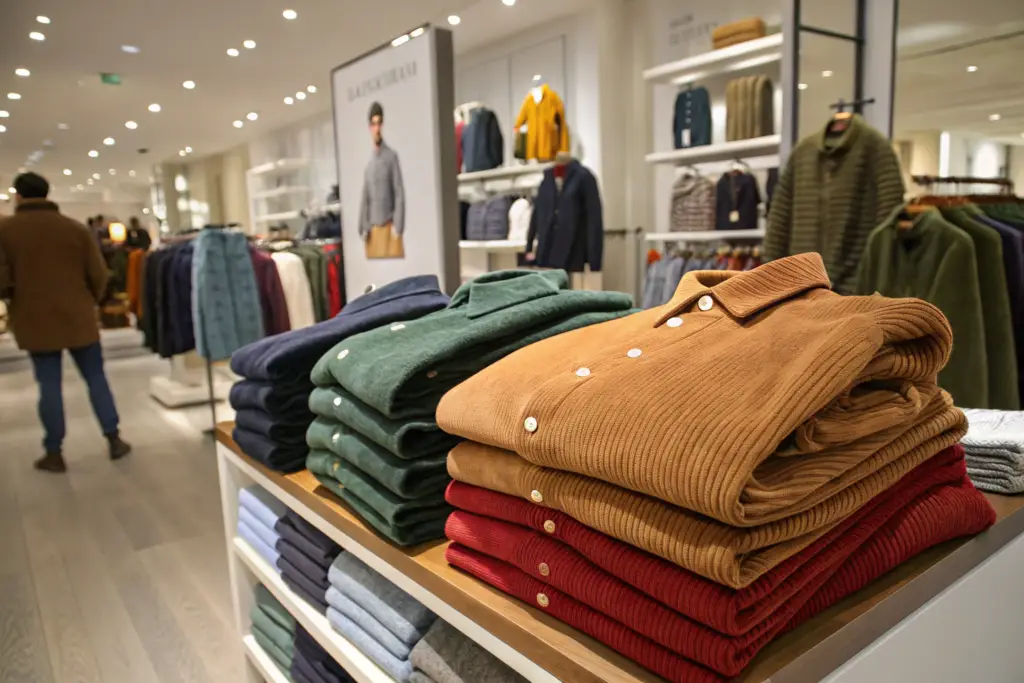
The popularity of certified corduroy jumpers isn't just driven by consumers; it's a smart business strategy for European brands and retailers. In a competitive market, this combination offers clear differentiation, protects brand equity, and meets the procurement criteria of major retail channels.
How Does Certification Create a Competitive Advantage?
In a sea of similar-looking jumpers, OEKO-TEX certification provides a tangible, defensible point of difference. It allows a brand to:
- Justify Premium Pricing: The cost of certification and safer materials can be communicated as a value-add, supporting a higher price point that European consumers are often willing to pay for verified safety.
- Access Key Retail Channels: Major department stores, eco-conscious boutiques, and high-end children's wear shops across Europe often have procurement policies that mandate such certifications. Having OEKO-TEX opens these doors.
- Build Brand Equity: It positions the brand as responsible, transparent, and trustworthy—attributes that foster long-term customer loyalty in Europe's value-driven market.
Can It Reduce Operational Risk and Streamline Sourcing?
For European brands that source from manufacturers in China or elsewhere, managing chemical compliance remotely is a major pain point. By partnering with a full-package manufacturer like us that specializes in OEKO-TEX production, they externalize this risk. We manage the entire certified supply chain—from fabric sourcing of compliant corduroy to the final audit testing. This turns a complex compliance challenge into a simple supplier qualification: "Do you provide valid OEKO-TEX certification for this product?" This streamlined approach is highly valued by European buyers who prioritize reliability and clear quality assurance systems.
How Does Fumao’s Production Align with European Expectations?
Meeting European demand for certified corduroy jumpers requires more than just applying for a test. It requires a production philosophy built on transparency, traceability, and technical competence—core values in the European market.
What Specific Production Controls Are Essential?
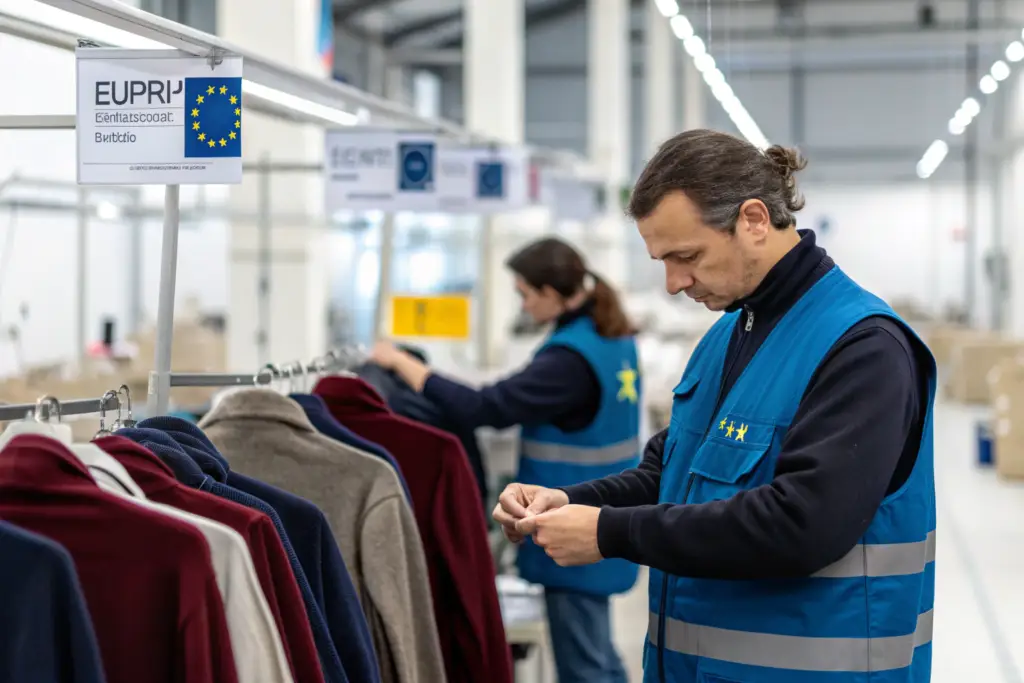
European buyers scrutinize processes. Our system at Shanghai Fumao is designed to withstand this scrutiny:
- Certified Mill Partnerships: We source corduroy from mills that understand and can meet OEKO-TEX criteria, providing full test documentation for each fabric lot.
- Trim and Component Compliance: Every button, thread, and lining used in the jumper is sourced from approved suppliers with their own compliance documentation, ensuring the whole garment is certifiable.
- Documented Traceability: We maintain batch records that link finished jumpers back to specific rolls of fabric and trim lots. This traceability is crucial for accountability and any potential audit.
- Dedicated Manufacturing Protocols: Certified production runs are isolated to prevent cross-contamination, a key concern for European auditors.
This systematic approach directly addresses the European preference for controlled, transparent manufacturing over mere end-product testing.
How Does This Facilitate Successful Market Entry?
For a brand entering the European market, having a manufacturing partner with this level of integrated control is invaluable. It provides the confidence to make bold claims about product safety and sustainability. It also ensures smoother logistics and customs clearance under DDP (Delivered Duty Paid) terms, as all necessary compliance documentation is accurate and readily available. Ultimately, it allows the brand to focus on marketing and sales in Europe, secure in the knowledge that the product's fundamental safety and quality are reliably managed.
Conclusion
The rising popularity of OEKO-TEX certified corduroy jumpers in Europe is a clear market signal. It reflects a sophisticated consumer and regulatory environment where style, sustainability, and science-based safety must coexist. The corduroy jumper satisfies the desire for timeless, durable style, while the OEKO-TEX certification provides the essential, trusted proof that this classic garment is safe for children and produced responsibly.
This trend represents a significant opportunity for brands that can authentically deliver on this combination. It is no longer enough to offer a beautiful garment; European success requires the backing of verifiable, independent safety assurance.
For brands looking to capture this growing European demand, partnering with a manufacturer that has deep expertise in producing OEKO-TEX certified garments is the critical first step. At Shanghai Fumao, we have structured our product development and full-package manufacturing processes to meet the exacting standards of the European market. Contact our Business Director, Elaine, to develop a corduroy jumper collection that combines European style with globally trusted safety. Email her at: elaine@fumaoclothing.com.