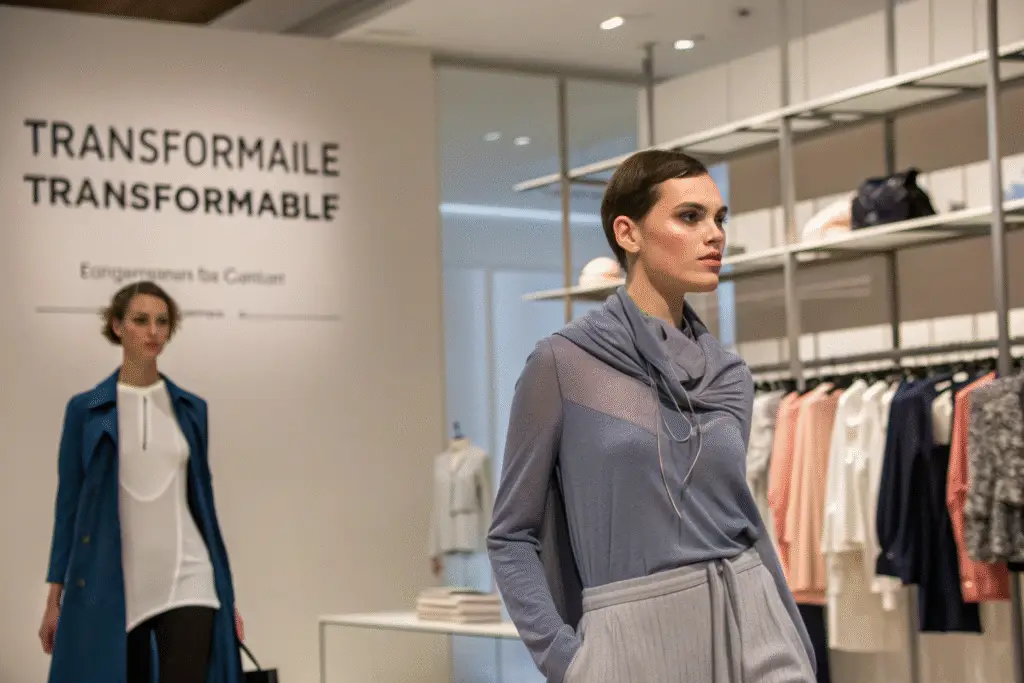
In today's fashion landscape, consumers are increasingly drawn to clothing that offers multiple wearing options. As an apparel manufacturing expert, I've witnessed this shift firsthand through growing demand from our American brand partners. This movement represents more than just a temporary trend—it reflects fundamental changes in consumer behavior and market dynamics.
Convertible and multi-way garments have gained significant market traction due to their multifunctional design, practical utility across diverse lifestyle scenarios, and alignment with contemporary sustainability values. These pieces deliver enhanced value through transformational capabilities that maximize wardrobe efficiency while minimizing consumption.
The emergence of transformable apparel signals an important evolution in how both brands and consumers approach fashion. For industry professionals, this category presents substantial opportunities to address changing consumer preferences while building more resilient product lines. Our manufacturing experience demonstrates that well-executed convertible designs consistently yield stronger sell-through rates and higher customer satisfaction metrics.
How Do Convertible Garments Enhance Wardrobe Versatility?
Contemporary consumers frequently express frustration with underutilized wardrobe contents despite abundant clothing ownership. Convertible apparel directly addresses this paradox by delivering multiple distinct looks from individual pieces through strategic design innovations.
Convertible garments optimize wardrobe functionality by serving as multiple products within a single SKU. This design approach enables consumers to create extensive outfit combinations from a minimized inventory, reducing decision paralysis while increasing cost-per-wear efficiency. The resulting versatility makes these pieces particularly valuable for travel applications, capsule wardrobe strategies, and dynamic lifestyle requirements.
What Technical Design Elements Enable Garment Versatility?
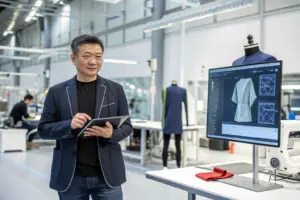
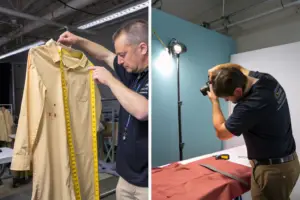
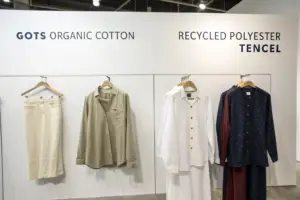
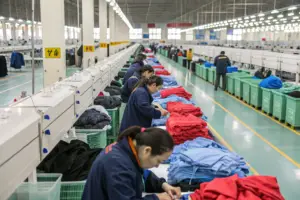
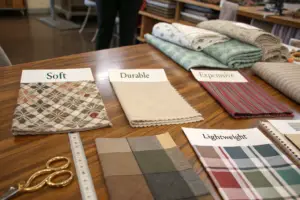
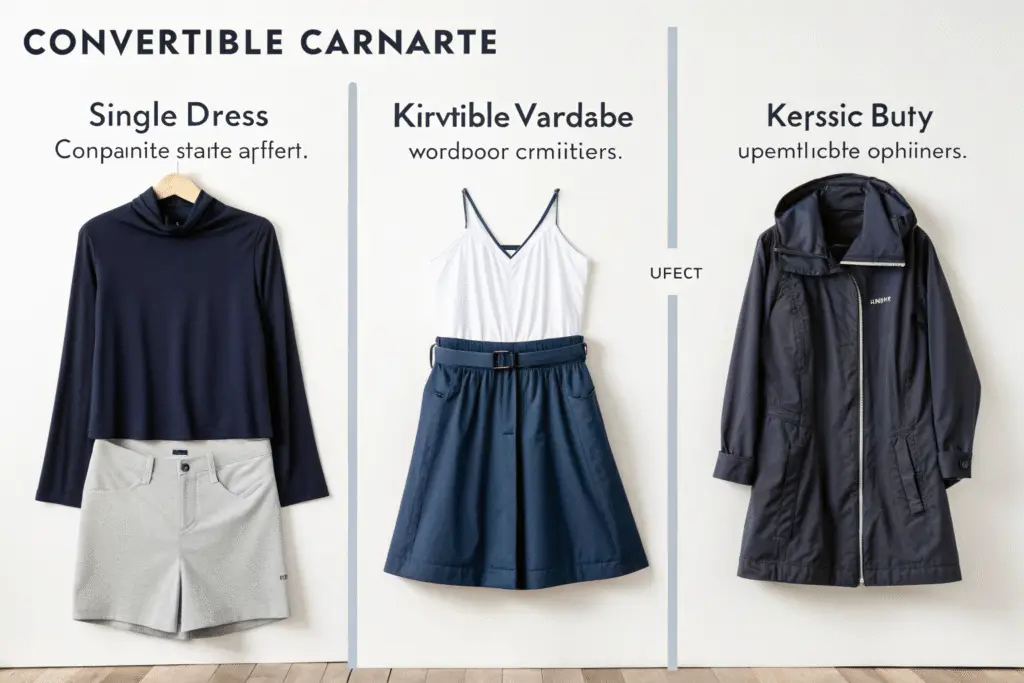
The functionality of transformable clothing originates from deliberate technical design decisions. Critical components include strategic closure placements, adjustable fastening systems, reversible construction methodologies, and modular attachment capabilities. Within our manufacturing operations, we implement specialized stitching techniques that accommodate transformation cycles without compromising structural integrity. Our selective textile sourcing prioritizes materials with appropriate mechanical properties for repeated reconfiguration. The fundamental apparel engineering requires meticulous planning to support multiple wearing configurations while maintaining consistent fit and silhouette quality across all variations.
How Does Functional Versatility Influence Consumer Purchasing Patterns?
Multifunctional capability significantly impacts contemporary purchasing calculus. Modern consumers increasingly evaluate products through value-based assessment frameworks that prioritize utility and longevity over initial acquisition cost. Garments delivering multiple wearing options inherently provide superior long-term value propositions. This practical advantage drives purchasing decisions, particularly among conscious consumption segments. For brand partners, this translates to extended product lifecycles and enhanced customer retention metrics. Our sales data indicates that collections incorporating versatile pieces typically generate repeat orders at higher rates, as they effectively resonate with markets prioritizing functionality and sustainable fashion practices.
What Practical Advantages Do Multi-Way Garments Offer?
Beyond basic wardrobe expansion, multi-way clothing delivers tangible benefits across various consumer scenarios. These practical advantages solve genuine user pain points, making them commercially attractive for retail buyers and distributors.
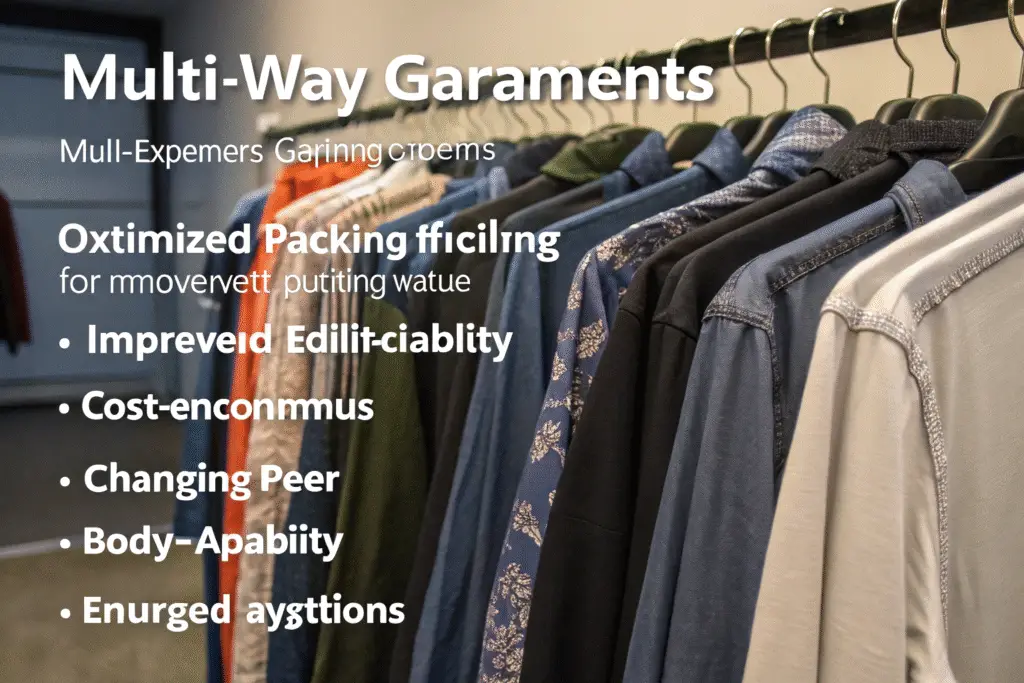
Multi-way garments provide substantive benefits including optimized packing efficiency for travel, improved economic value through reduced cost-per-wear, and enhanced adaptability to fluctuating occasions and physical dimensions. They deliver functional solutions that streamline dressing processes while offering stylistic flexibility across diverse usage contexts.
How Do Transformable Designs Optimize Travel and Storage Efficiency?
Travel scenarios traditionally necessitate difficult trade-offs regarding luggage contents. Multi-way clothing fundamentally transforms this experience through dimensional efficiency. A single transformable dress can functionally serve as cover-up, casual wear, and evening attire without compromising style or comfort. This dramatically reduces luggage volume and weight parameters. For domestic storage, these pieces conserve valuable closet real estate. Our manufacturing specifications specifically address travel requirements through wrinkle-resistant fabric selections and compact packing designs. We validate each product against rigorous quality assurance protocols to ensure reliable performance during transit and transformation cycles.
What Economic Benefits Do Multi-Way Garments Provide Across the Supply Chain?
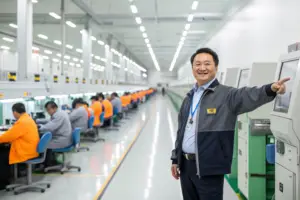
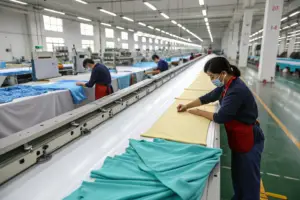
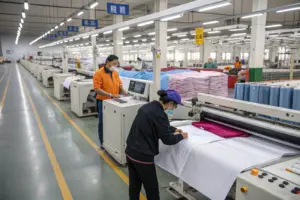
The economic advantages extend throughout the distribution network. For end consumers, the cost-per-wear calculation presents compelling financial logic. For brands and distributors, these innovative products typically support premium pricing strategies due to their enhanced value proposition and technical differentiation. Our strategic pricing framework ensures that despite increased design complexity, our partners receive exceptional margin potential. The manufacturing efficiency across our five production lines enables attractive distributor margins while maintaining superior quality standards. This creates mutually beneficial scenarios where consumers perceive enhanced value while brands strengthen market positioning.
How Do Convertible Garments Align With Sustainable Fashion Objectives?
The global fashion industry faces escalating scrutiny regarding environmental impact and resource utilization. Convertible clothing offers substantive responses to these concerns by promoting more efficient consumption patterns.
Convertible and multi-way garments support sustainability objectives through optimized resource utilization, reduced production volumes, minimized textile waste streams, and decreased carbon emissions associated with manufacturing and distribution processes. These benefits align with circular economy principles while addressing consumer demand for more responsible fashion choices.
Can Versatile Clothing Designs Reduce Textile Waste Generation?
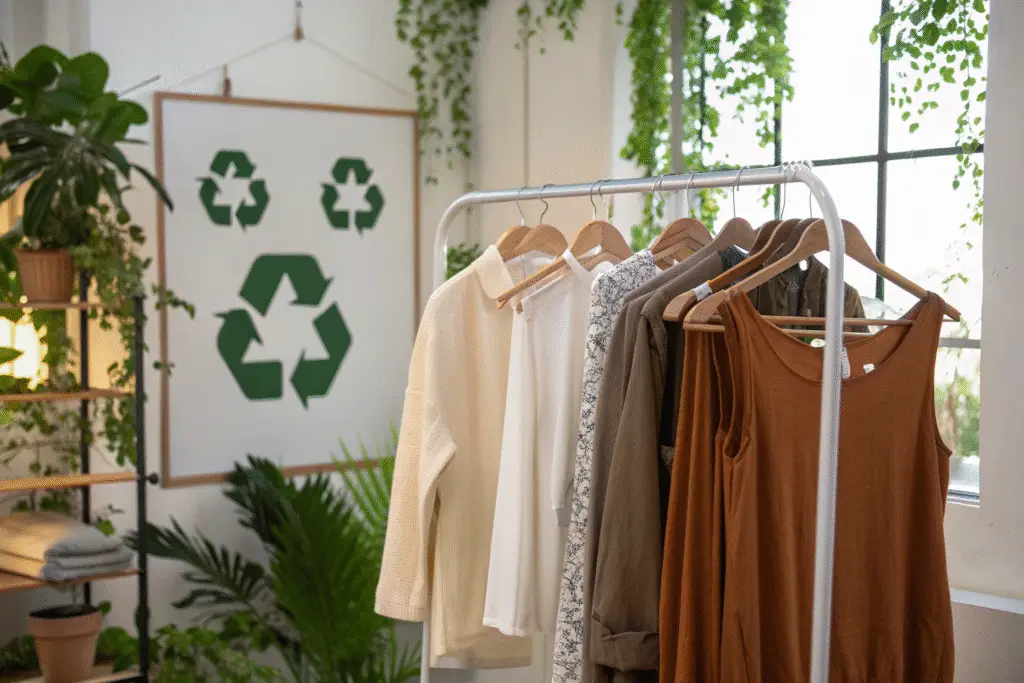
Transformable apparel directly impacts waste reduction metrics. When consumers utilize garments more frequently and extend usage periods, replacement cycles naturally lengthen. This directly diminishes clothing volumes entering waste streams. Our manufacturing methodology further supports this through sustainable production practices. We implement fabric optimization techniques that minimize cutting waste and repurpose production remnants. For our brand partners addressing environmental concerns, this approach provides authentic sustainability narratives for consumer communication. The extended utilization periods represent meaningful progress toward circular fashion models.
How Does Construction Quality Impact Garment Longevity in Transformable Designs?
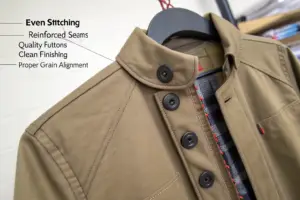
Durability represents a fundamental sustainability component, particularly for garments undergoing frequent transformation. Products designed for multiple configurations must withstand repeated mechanical stress during style changes. We address this requirement through reinforced stitching at critical stress points, premium material selection, and comprehensive testing protocols. Our quality management system incorporates multiple verification stages for fabric durability, color retention, and hardware reliability. This ensures each piece maintains performance standards through extended transformation cycles. For distribution partners, this translates to reduced return rates and higher customer satisfaction metrics. Product longevity becomes a key differentiator in markets increasingly concerned with disposable fashion.
What Strategic Considerations Should Guide Convertible Apparel Sourcing Decisions?
Successful integration of transformable pieces into product collections requires careful strategic planning and appropriate manufacturing partnership selection. Multiple operational factors determine commercial success for these technically sophisticated garments.
Brands should prioritize manufacturing technical capability, material performance characteristics, communication efficiency, and supply chain reliability when sourcing convertible apparel. Selecting partners with demonstrated expertise in technical garment engineering ensures product integrity and market performance.
How Critical is Manufacturing Expertise in Technical Design Execution?
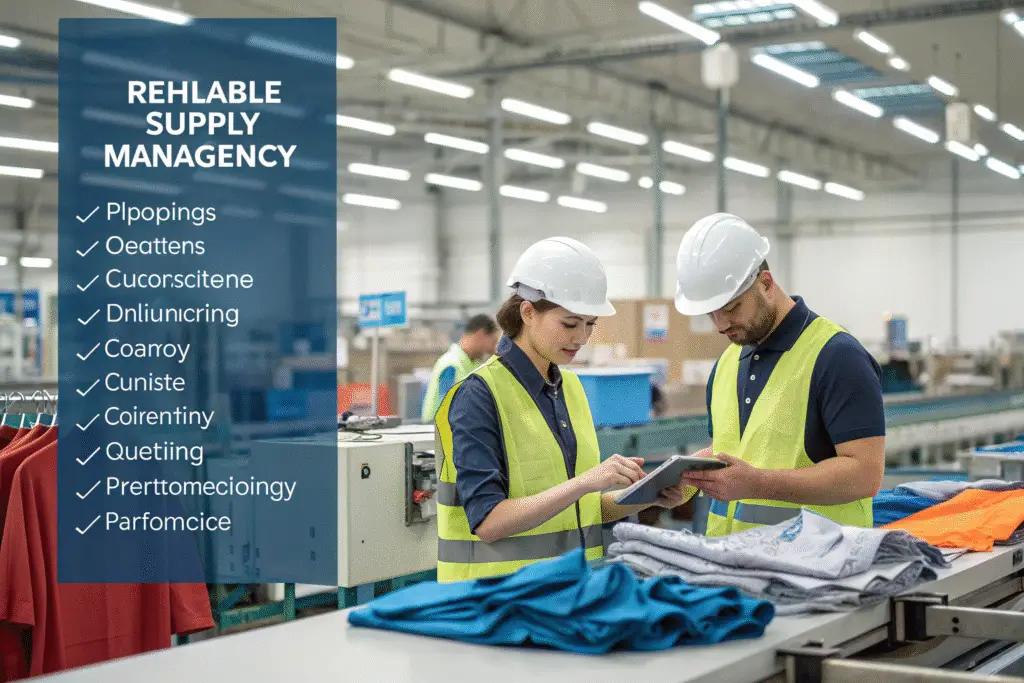
Technical design capability represents an essential sourcing criterion. Conventional manufacturing facilities often lack specialized expertise required for transformable garment production. The complexity demands advanced pattern engineering and precision construction methodologies. Our manufacturing organization has made significant investments in technical training and process refinement specifically for these product categories. We deliver comprehensive product development support from conceptualization through production readiness. This expertise ensures our partners receive garments that combine aesthetic appeal with reliable functionality across all wearing options. The optimal manufacturing partner functions as a technical extension of your design team, resolving engineering challenges before production implementation.
What Operational Factors Ensure Supply Chain Efficiency?
Streamlined logistics and transparent communication prevent common sourcing complications that impact brand operations. Shipping delays can disrupt seasonal planning and miss critical selling windows. We've established integrated DDP (Delivered Duty Paid) solutions that simplify logistics for our American clients, managing all supply chain requirements through destination port arrival. Our communication infrastructure assigns dedicated project coordination to each partner, ensuring responsive information exchange and proactive issue resolution. This operational reliability provides partners with confidence to develop innovative collections knowing their supply chain remains secure and predictable.
Conclusion
Convertible and multi-way garments represent a strategic evolution in apparel design that addresses contemporary consumer requirements for versatility, practicality, and sustainability. Their commercial popularity stems from demonstrable benefits delivered to both end consumers and the brands serving them. From optimized wardrobe efficiency to responsible consumption support, these innovative products create value throughout the fashion ecosystem. The successful commercialization of such collections, however, depends fundamentally on manufacturing partnerships possessing the technical expertise, quality commitment, and operational reliability necessary to execute these complex garments to market standards.
For brands seeking to incorporate technically sophisticated, high-performance convertible apparel into their product assortments, our specialized manufacturing capabilities can support effective market positioning within this growing segment. We welcome discussion regarding how our partnership can advance your innovative apparel initiatives. Please contact our Business Director Elaine to explore collaborative opportunities: elaine@fumaoclothing.com.