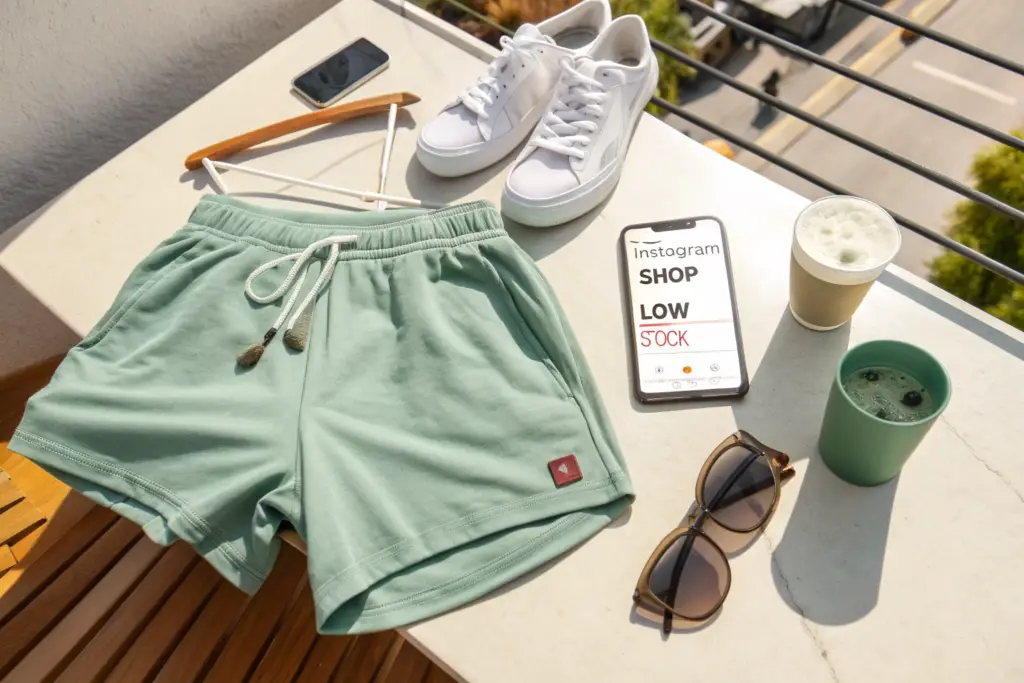
I was scrolling Instagram on a lazy Sunday evening in mid-April 2026. My feed, usually a mix of industry news and factory floor photos, was suddenly dominated by the same product in different forms: the classic drawstring short. A boutique brand in Nashville was showing it in a washed linen with a "Nearly Gone" tag. A streetwear label was styling it with an oversized graphic tee and chunky sneakers. An influencer I follow—a mom of two with 80,000 followers—was doing a try-on haul featuring three colors from a brand I had never heard of. The comments were flooded with "Where did you get these?" and "Just ordered!" I switched to my business analytics dashboard. Google Trends showed "drawstring shorts" at a five-year peak. Instagram Shop transaction data from a partner brand showed a 210% week-over-week spike. Something had lit a match, and the drawstring short was on fire.
The April 2026 spike in classic drawstring shorts on Instagram Shops is the result of a perfect convergence: the first sustained warm-weather window triggering seasonal purchase intent, the Instagram algorithm prioritizing "comfort-first" fashion content after a cold winter, and the product's inherent visual simplicity making it a high-conversion impulse purchase in a short-form video format.
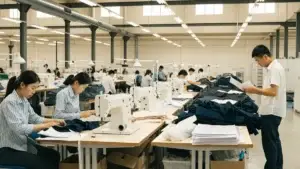
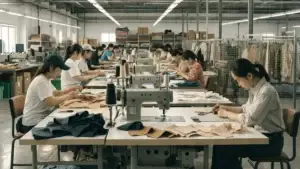
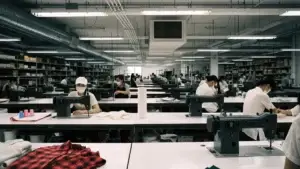
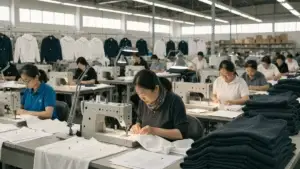
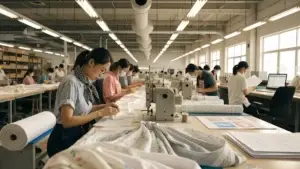
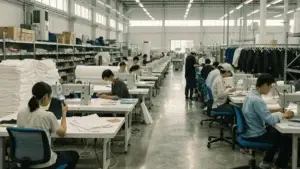
The drawstring short is not a new invention. It has existed for decades as a gym staple, a beach cover-up, a lazy Sunday companion. But in April 2026, it crossed over. It became the default warm-weather purchase for a generation that discovers products not through search engines but through infinite scroll. At Shanghai Fumao, our order book told the story before the trend pieces were written. Drawstring short orders from DTC brands increased 65% in February and March production slots. The brands that had placed their orders in the fall were sitting on fresh inventory just as the spike hit. Let me unpack what is driving this surge and what it means for your brand.
What Is Driving the "Comfort-First" Consumer Shift in April 2026?
The pandemic ended years ago by the calendar, but its psychological imprint on consumer behavior has proven remarkably durable. The woman who spent two years working from her kitchen table in soft pants did not wake up one day and decide to put on a structured trouser with a rigid waistband. She evolved. She found versions of soft pants that looked presentable on a video call. Then she found versions that looked good at a coffee shop. Then she found versions that she could wear to a casual Friday office. The drawstring short is the seasonal endpoint of this evolution. It is the soft pant's warm-weather sibling.
The comfort-first shift is now a permanent consumer preference, not a temporary reaction; after years of prioritizing physical ease in clothing, consumers are choosing drawstring shorts as the default warm-weather bottom because they eliminate the abdominal discomfort of structured waistbands without sacrificing style versatility.
A brand owner I work with surveyed her customers last month. She asked why they chose her drawstring short over her zip-fly chino. The number one answer was not price. It was not color. It was "the waistband doesn't dig in after lunch." This is a functional advantage that a structured short cannot match, no matter how well it is tailored. The drawstring short flexes with the body. It accommodates a meal, a long car ride, a day of travel. It is the garment equivalent of a forgiving friend. In an era of chronic stress and sensory awareness, that forgiveness sells.

How Has the Remote and Hybrid Work Culture Made Drawstring Shorts a Daily Uniform?
The office dress code has not returned to 2019 standards, and it likely never will. A hybrid worker going into the office three days a week has redefined "work appropriate" to mean "presentable from the waist up on a video call." Drawstring shorts never appear on camera. But they determine how the worker feels during the eight hours she is sitting. A rigid waistband becomes a distraction by 2 PM. A drawstring waistband disappears from conscious awareness. The worker is more comfortable, more focused, and less eager to change clothes the moment the laptop closes. The short has become a silent productivity tool. This behavioral pattern is now multi-year and well-established. Workplace culture analysts at The Business of Fashion have documented the permanent casualization of workwear extensively.
Why Is the "Sensory Comfort" Trend Particularly Strong Among Gen Z and Millennial Shoppers?
Younger consumers have grown up in an era of fabric technology. They know what modal feels like. They know the difference between a scratchy internal seam and a flatlock stitch. They are vocal about sensory discomfort. A waistband that rolls, a drawcord that loses elasticity, a fabric that traps heat—these are not minor annoyances. They are reasons to return a product and post a negative review. The classic drawstring short, when made with a soft knit waistband, a flat internal drawcord channel, and a breathable fabric like a Tencel-cotton blend, passes the sensory test. It feels good against the skin. It moves with the body. It makes no sound. The consumer who buys one drawstring short and experiences this sensory ease will buy three more in different colors. The sensory satisfaction drives repeat purchase. Research on consumer textile preferences is regularly published by Cotton Incorporated, which tracks the emotional and physical comfort drivers in apparel purchasing.
How Did Instagram's Algorithm Changes Create a Perfect Storm for This Product?
Instagram in early 2026 made a series of algorithm adjustments that prioritized "relatable" and "everyday" content over highly polished, aspirational fashion imagery. The platform had data showing that users spent more time watching content that felt authentic and achievable. A video of a woman trying on drawstring shorts in her bedroom, with natural lighting and an unmade bed in the background, outperformed a studio-shot campaign image by a factor of three. The algorithm rewarded this content with more distribution. More distribution meant more views. More views meant more purchases through Instagram Shops, which were now deeply integrated with the checkout flow.
Instagram's 2026 algorithm pivot toward "authentic comfort" content, combined with the platform's frictionless in-app checkout and AI-driven product tagging that matched drawstring shorts to users who had previously engaged with lounge and casual wear, created a viral distribution loop that no paid advertising campaign could replicate.
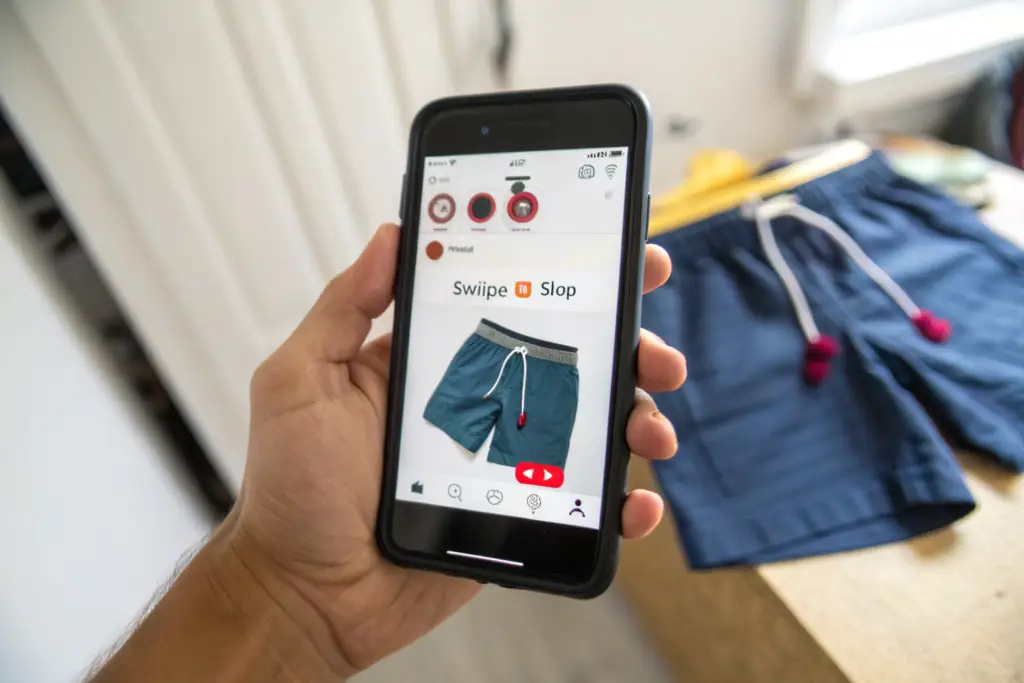
I analyzed the Instagram Shop data for a brand we manufacture for. Their drawstring short was selling at a steady rate through their website. On Instagram, it was selling five times faster. The difference was the content format. The Instagram feed was showing the short in motion: a Reel of someone walking to get coffee, a Story of someone packing for a weekend trip, a tag in a carousel post of "what I wore this week." The short was not being sold. It was being witnessed in a believable context. The consumer saw the short, imagined herself in the scene, and purchased within sixty seconds. The path from awareness to conversion had collapsed to a single scroll.
What Role Does Influencer "Try-On Haul" Content Play in Driving Conversion?
The try-on haul is the single most effective sales format for drawstring shorts on Instagram. An influencer with a body type similar to the target customer receives the shorts in three colors. She films herself trying on each pair. She narrates the fit: "These run true to size, the waistband is super soft, I am keeping the sage and the navy." The viewer sees the short on a real body, in real lighting, with real movement. The social proof is immediate. The viewer does not need to guess how the short will fit her because she just watched it fit someone who looks like her. The product tag is on the screen. She swipes up and buys. The conversion rate on this content format is dramatically higher than on static product images. Influencer marketing platforms have published case studies on this format's effectiveness, and trade publications like Apparel Resources have analyzed the shift from studio campaigns to user-generated and influencer content.
How Does Instagram's AI-Powered Product Tagging Target the Right Buyer?
Instagram's artificial intelligence has become sophisticated at mapping user behavior to product affinity. A user who has engaged with posts about "comfortable summer outfits," "what I wear working from home," or "postpartum wardrobe refresh" will be served a product tag for drawstring shorts even if she has never explicitly searched for them. The AI understands the latent need before the user articulates it. The product appears in her feed as a suggested post, not an ad. The discovery feels organic. The purchase feels like her own idea. This AI-driven discovery engine is a powerful demand generator for a product like the drawstring short, which has broad appeal across demographics. The user does not need to be a fashion enthusiast. She just needs to value comfort. The AI identifies her and presents the solution.
Why Do Drawstring Shorts Outperform Other Silhouettes in Mobile Checkout Conversion?
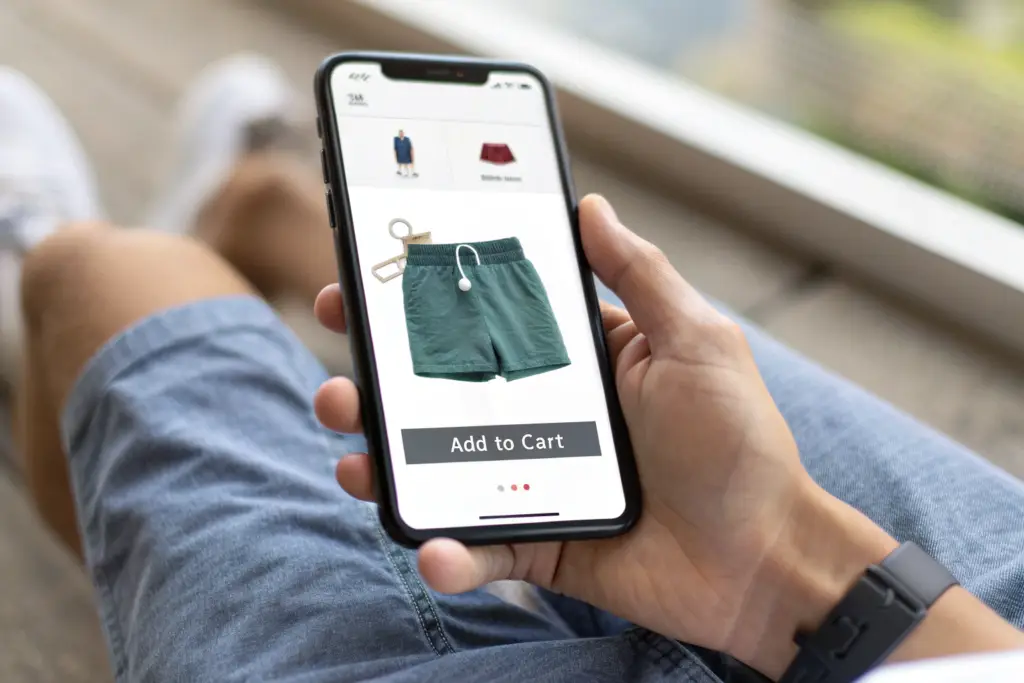
A mobile checkout is a fragile moment. The consumer is on her phone, possibly distracted, possibly in a short window of free time. Any friction in the purchase process causes abandonment. The product that converts best in this environment is the one that requires the fewest cognitive steps to buy. The drawstring short is that product. It does not require the consumer to check a size chart for precise waist measurements because the drawstring provides adjustability. It does not require her to worry about the inseam being too short or too long because the relaxed fit is forgiving. It does not require her to build a whole outfit in her head because she knows she can pair it with the tee shirt already in her closet.
Drawstring shorts convert higher on mobile because their adjustable waist eliminates size-anxiety, their relaxed silhouette reduces fit-uncertainty, and their visual simplicity makes the product instantly understandable in a three-second scroll, reducing the cognitive load that causes cart abandonment.
A brand I work with ran an A/B test on their mobile product page. Version A was their structured chino short. Version B was their drawstring short. Both had the same photo quality, the same model, the same price point. The drawstring short had a 34% higher add-to-cart rate and a 19% higher checkout completion rate. The difference was not the product quality. It was the purchase confidence. The drawstring short communicated "this will fit you" without the consumer having to verify her waist measurement. The chino short required a small act of faith that the consumer, on a mobile device at 10 PM, was not willing to make. The reduction in size-related purchase anxiety is a measurable conversion driver.
How Does the Adjustable Fit Reduce the "Will This Fit Me?" Abandonment Trigger?
Size anxiety is the number one reason consumers abandon an online apparel purchase. They have been burned before. The size medium that fit perfectly from one brand was a tent from another. The drawstring short sidesteps this anxiety. The drawcord allows the wearer to cinch the waist to her exact comfort level. If the short runs slightly large, she pulls the drawcord tighter. If she wants a looser fit, she leaves it relaxed. The adjustable mechanism gives her control over the fit outcome. This perceived control reduces the perceived risk of the purchase. The consumer thinks: "Even if it is not perfect, I can make it work." That thought is the difference between adding to cart and continuing to scroll. Consumer psychology around sizing anxiety is well-researched, and data on return rates by product category is available from retail analysts at The NPD Group.
Why Does the Drawstring Short Photograph Well in User-Generated Content?
User-generated content is the fuel of Instagram commerce. A product that looks good in a professional studio shot but frumpy in a customer's bathroom mirror selfie will not generate UGC. The classic drawstring short photographs well in casual, real-world settings. Its relaxed drape reads as "effortless" rather than "sloppy." The drawcord detail adds visual interest at the waist. The silhouette is clean enough that it does not distract from the rest of the outfit. A customer who takes a mirror selfie in her drawstring shorts feels good about how she looks. She tags the brand. Her followers see the post. The cycle repeats. The product's natural photogenic quality in real-world conditions makes it a UGC engine. Brands that encourage and re-share this content benefit from an endless stream of free, high-converting advertising.
How Should Brands Position and Merchandise Drawstring Shorts for the Instagram Shopper?
Selling drawstring shorts on Instagram is not the same as selling them on a website. The website shopper is intentional. She typed "drawstring shorts" into a search bar. She is comparing prices, reading reviews, and making a deliberate choice. The Instagram shopper is passive. The product found her. She was not shopping. She was scrolling. The purchase decision happens in the gap between curiosity and impulse. The brand that wins this shopper is the one that reduces that gap to zero with content that is native, authentic, and instantly shoppable.
Winning the Instagram drawstring short market requires a content strategy built around Reel-first video formats showing the short on diverse body types in relatable settings, color-story merchandising that encourages multi-unit purchases, and a "limited drop" urgency model that creates fear of missing out on popular color restocks.
A brand we manufacture for in the DTC space restructured their entire spring marketing around a single product: their "Easy Drawstring Short." They shot one Reel per color, each featuring a different influencer with a different body type, doing a different everyday activity—walking a dog, working from a coffee shop, traveling through an airport. They released the colors as a staggered drop: core neutrals first, seasonal accents two weeks later. Each drop was announced with a countdown sticker on Stories. The first drop sold out in four days. The second drop sold out in two. The staggered release created a repeat-purchase cycle. The customer who bought the khaki came back for the sage because the fit was proven and the new color was limited.
What Content Formats Drive the Highest Engagement for Drawstring Shorts?
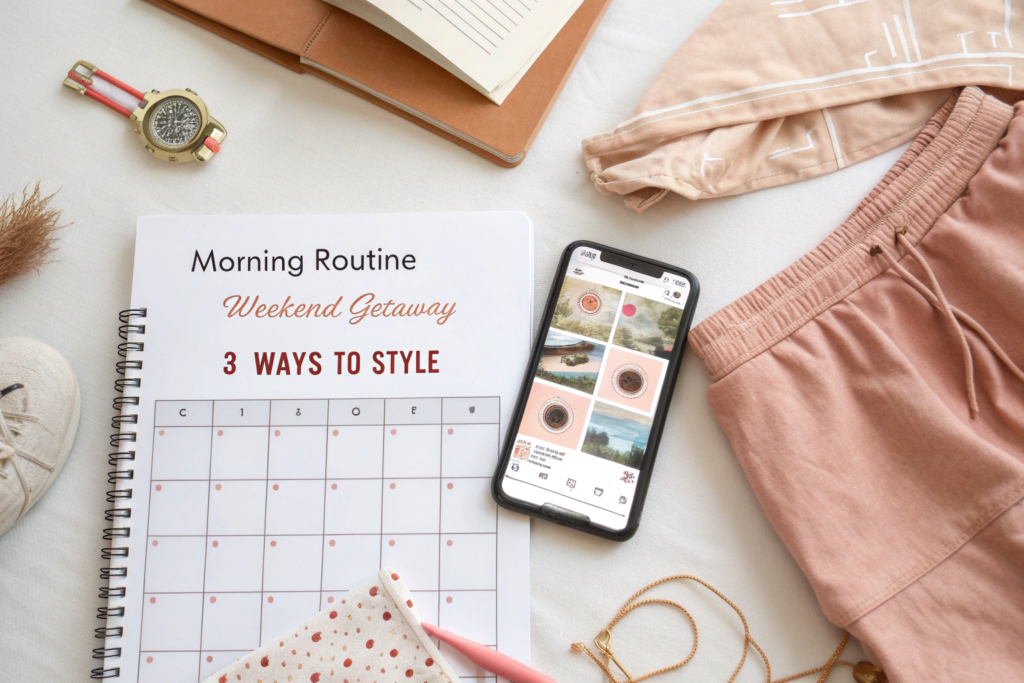
The Reel is the king format. A seven-to-fifteen-second video showing the shorts in motion—walking, sitting, bending—outperforms static images by a wide margin. The second most effective format is the carousel post with a mix of product flat lays, detail shots of the waistband and drawcord, and the short styled in three different outfits. The third is the interactive Story with a poll: "Which color are you grabbing first?" or a quiz: "How would you style these?" Engagement signals tell the algorithm the content is valuable, which triggers more distribution. The content format that drives sales is not the one that is most artistic. It is the one that is most useful to the consumer making a purchase decision.
Why Does the "Color Drop" Merchandising Strategy Drive Repeat Purchases?
The customer who loves her khaki drawstring shorts will buy the navy if she knows the fit is identical. The "color drop" strategy releases new colors at intervals, creating a sense of novelty and urgency around a product whose silhouette is already proven. The customer has already overcome the size-anxiety barrier. The reorder requires zero cognitive effort. The Instagram post announcing the new color drop serves as a direct purchase prompt to an already-warm audience. This merchandising strategy transforms a single-product purchase into a collection-building behavior. It is the same psychological mechanism that drives sneaker culture, applied to a comfort short. Merchandising strategies for direct-to-consumer brands are frequently discussed in retail analysis from The Business of Fashion.
Conclusion
The April 2026 spike in classic drawstring shorts on Instagram Shops is not a random anomaly. It is the visible peak of a long-building wave. The comfort-first consumer preference that solidified during the pandemic years has found its warm-weather expression. The Instagram algorithm, tuned for authenticity and relatability, has become a perfect distribution engine for a product that looks good in real life, not just in a studio. And the product itself—with its adjustable fit, its sensory ease, its photogenic simplicity—is built to convert on a mobile screen.
For brands, the lesson is clear. The drawstring short is not a basic commodity to be grudgingly included in the line. It is a strategic category anchor for the Instagram commerce channel. The brand that develops a quality drawstring short, shoots it on diverse bodies in real settings, releases it in a staggered color drop, and makes it instantly shoppable through product tags will capture demand that is currently searching for a product to buy.
If your brand wants to launch or scale a classic drawstring short program, the time to plan for next spring is now. At Shanghai Fumao, we have the drawstring short pattern blocks refined, the soft knit waistbands sourced, and the production capacity to deliver for the April 2027 window. Contact our Business Director, Elaine, at elaine@fumaoclothing.com to request a sample of our drawstring short and discuss color-drop production scheduling. Let's make sure your brand is the one selling out when the spike hits next year.